Print student work
Start with the worksheet, answer key, and quick checks when you need an independent task or absence catch-up.
Teacher-ready science resource · Grades K-3
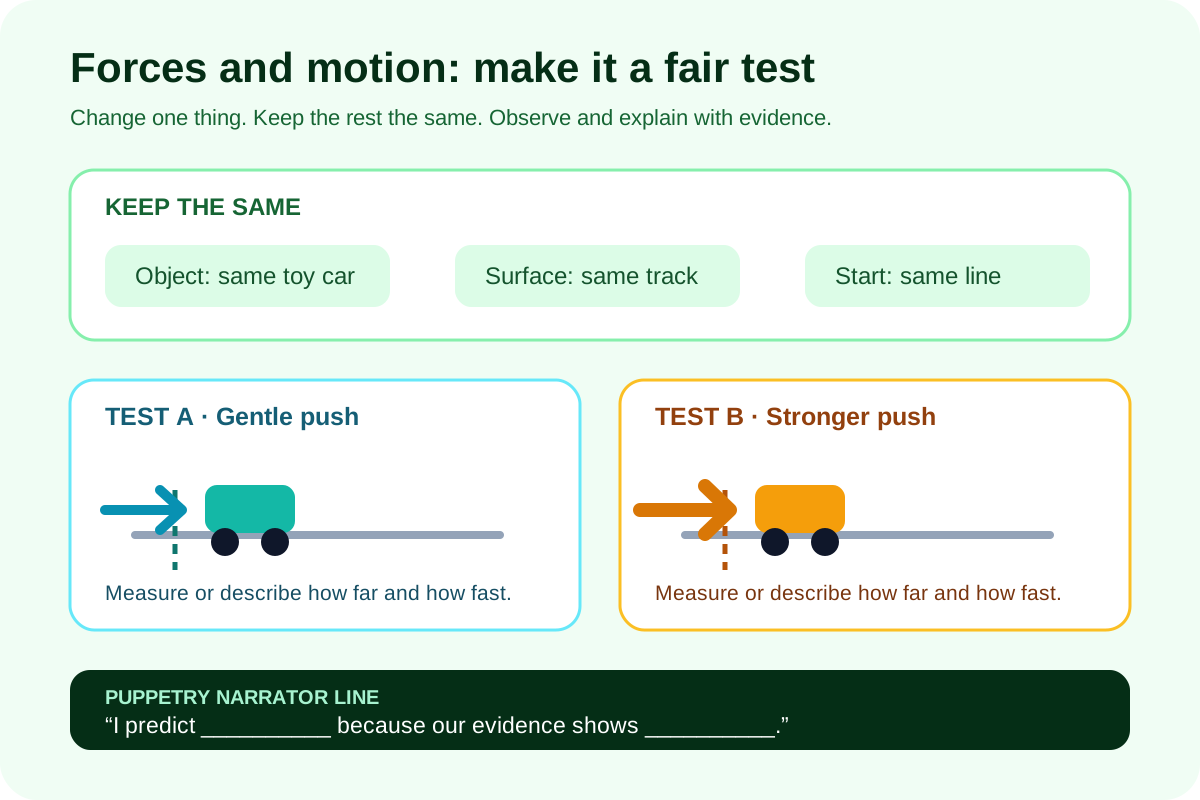
Compare gentle and stronger pushes while keeping the object, surface, and starting point the same. Students record evidence, explain what changed, and rehearse a Puppetry narrator line.
Supplemental unit support
Fit this grades k-3 kit around the sequence your school already uses. It is built for quick print-project-assign moments, not as official curriculum or a replacement for district materials.
No district, state, publisher, or curriculum-provider affiliation is implied. Treat Puppetry as the explanation and artifact layer around your adopted lessons, investigations, and classroom discussions.
Start with the worksheet, answer key, and quick checks when you need an independent task or absence catch-up.
Use the diagram, vocabulary, and anchor-chart supports while students point to evidence and explain the idea aloud.
Pair the station cards, family note, or substitute flow with your existing unit routine instead of rebuilding the lesson.
Paste the script into Puppetry, adjust vocabulary or language support, and create a short classroom video for replay.
Classroom explainer
A dedicated Puppetry embed is still needed. Use this script to preview a safe, one-variable comparison before students begin.
Video brief ready
Generate a forces fair-test explainer
Prompt Puppetry to compare a gentle and stronger push while keeping the object, surface, and start line the same.
Dedicated Puppetry video pending
Make this classroom explainer
Open a runnable excerpt in Text Studio, then choose a character and classroom voice.
Prefills 459 characters, within the free-account limit.
Teacher jobs to be done
Use the projectable model before students compare two pushes or pulls and turn their evidence into a clear explanation.
Name the object, surface, start line, and one variable students will change.
Students predict what will happen and explain why without treating the prediction as evidence.
Students record the push or pull, distance or time, and an observation for tests A and B.
Students explain what changed and rehearse one Puppetry narrator line using their results.
Student explanation
A force is a push or a pull. Forces can change an object’s motion. In a fair test, we change one thing and keep the rest the same. Then we compare observations or measurements and explain what the evidence shows.
Worksheet + assessment
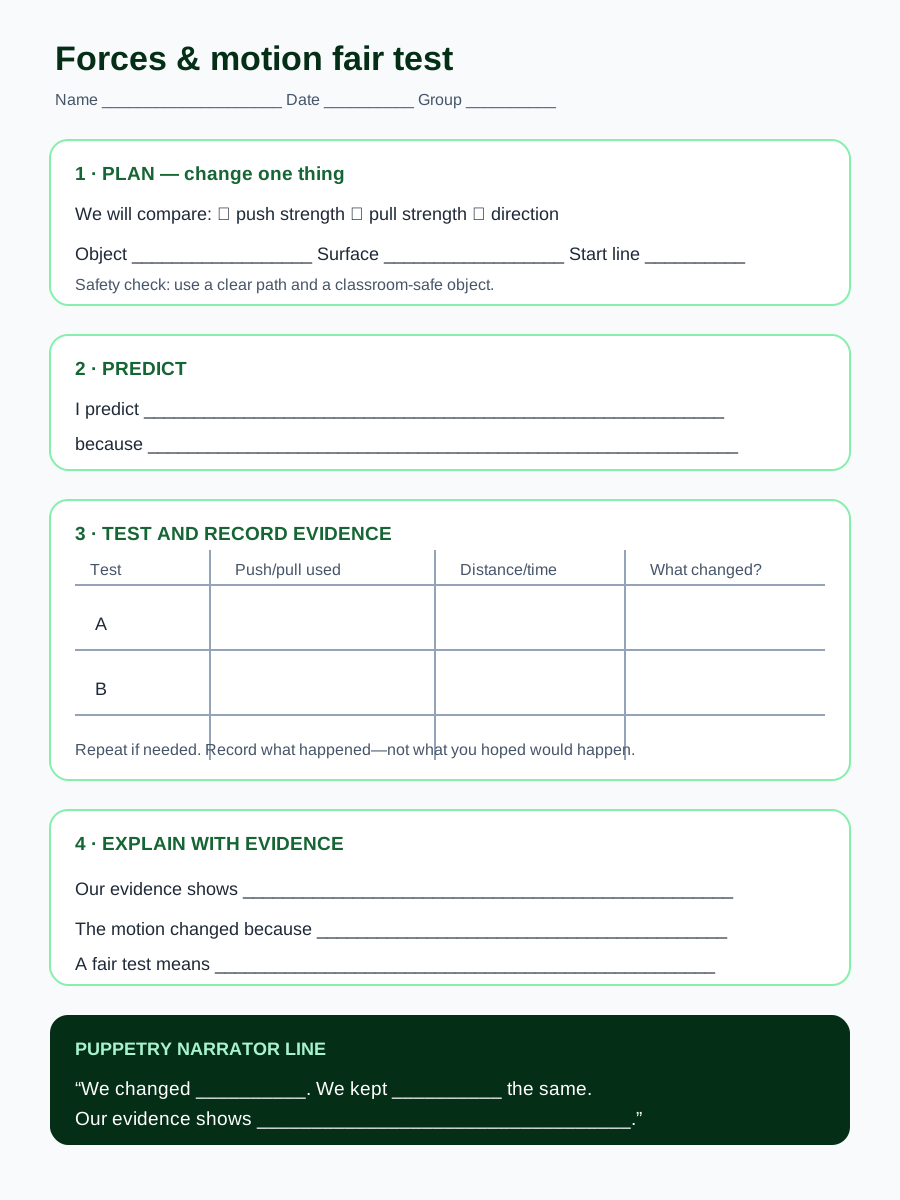
Students plan a one-variable comparison, predict, record two tests, explain the evidence, and draft a Puppetry narrator line.
Student worksheet preview
Plan
Choose push strength, pull strength, or direction as the one variable to change.
Record evidence
Compare tests A and B with a measurement or precise observation.
Explain
State what changed, what stayed the same, and what the evidence shows.
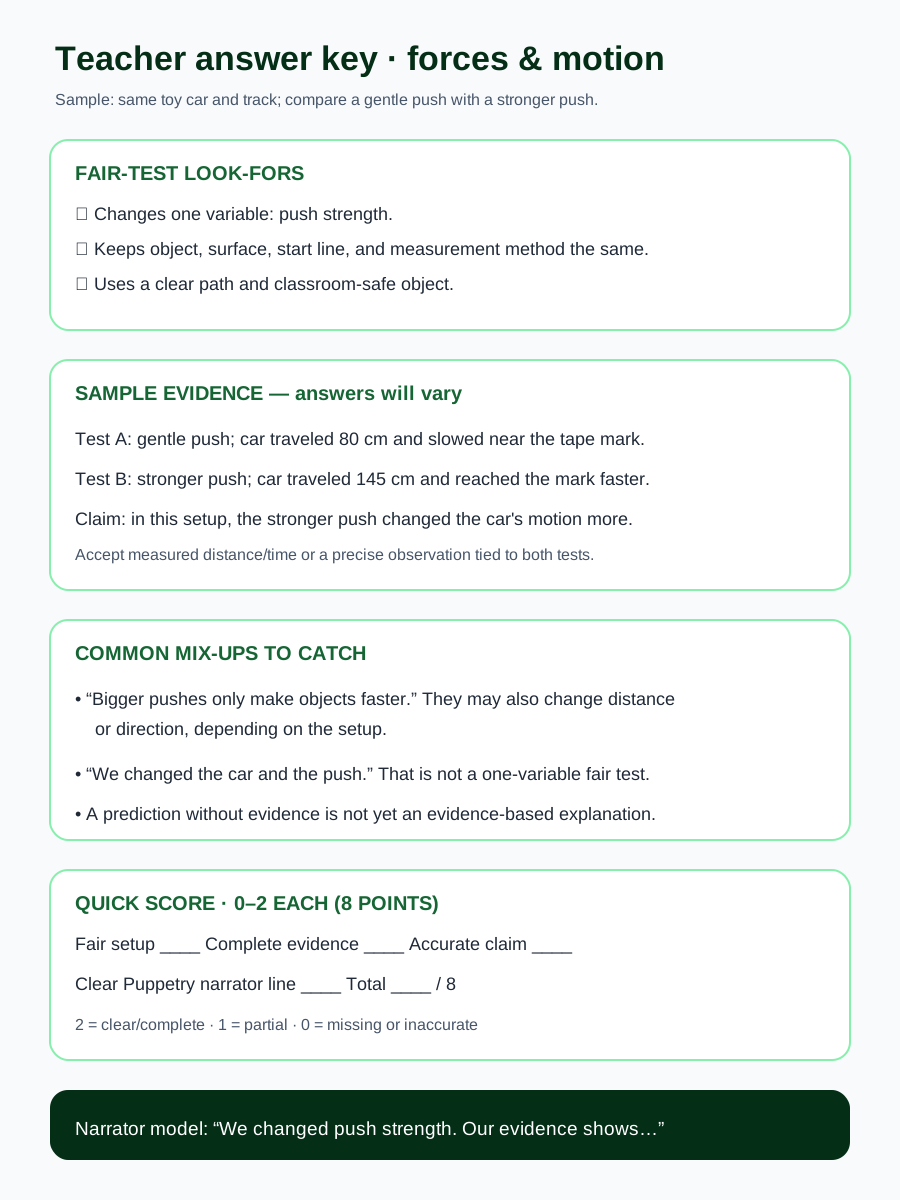
Answer: A push or a pull.
Answer: Change one variable and keep the object, surface, start point, and measurement method the same.
Answer: A measurement or precise observation recorded during the test.
Answer: Yes. A push, pull, or collision can change an object’s direction.
Answer: A prediction states what you expect; the investigation provides evidence to support or revise it.
Stations + home connection
Use these add-ons for centers, substitute plans, family review, or quick reteaching without creating a separate activity from scratch.
Station card
Compare a gentle and stronger push on the same safe object and surface.
Teacher note: Check that students use the same start line and measurement method.
Station card
Apply a push from two directions and describe how the path changes.
Teacher note: Keep force language observational; do not imply bigger pushes only change speed.
Station card
Use the evidence table to rehearse a two-sentence pre-lab or results narration.
Teacher note: Prompt students to name the changed variable and one piece of evidence.
Slide outline
Use this sequence with the diagram on screen and the worksheet in students' hands. It is an artifact flow, not a prescription.
Answer key support
Depending on the setup, a force can change speed, distance, direction, or whether motion starts or stops.
A fair comparison changes one variable so students can connect the result to that change.
A prediction comes before the test; evidence is measured or observed during the test.
Artifact library
Grab the full set after the core lesson path: printable student work, projectable visuals, teacher supports, Spanish/EL scaffolds, assessment tools, and Puppetry publishing add-ons.
Projectable gentle-push and stronger-push comparison
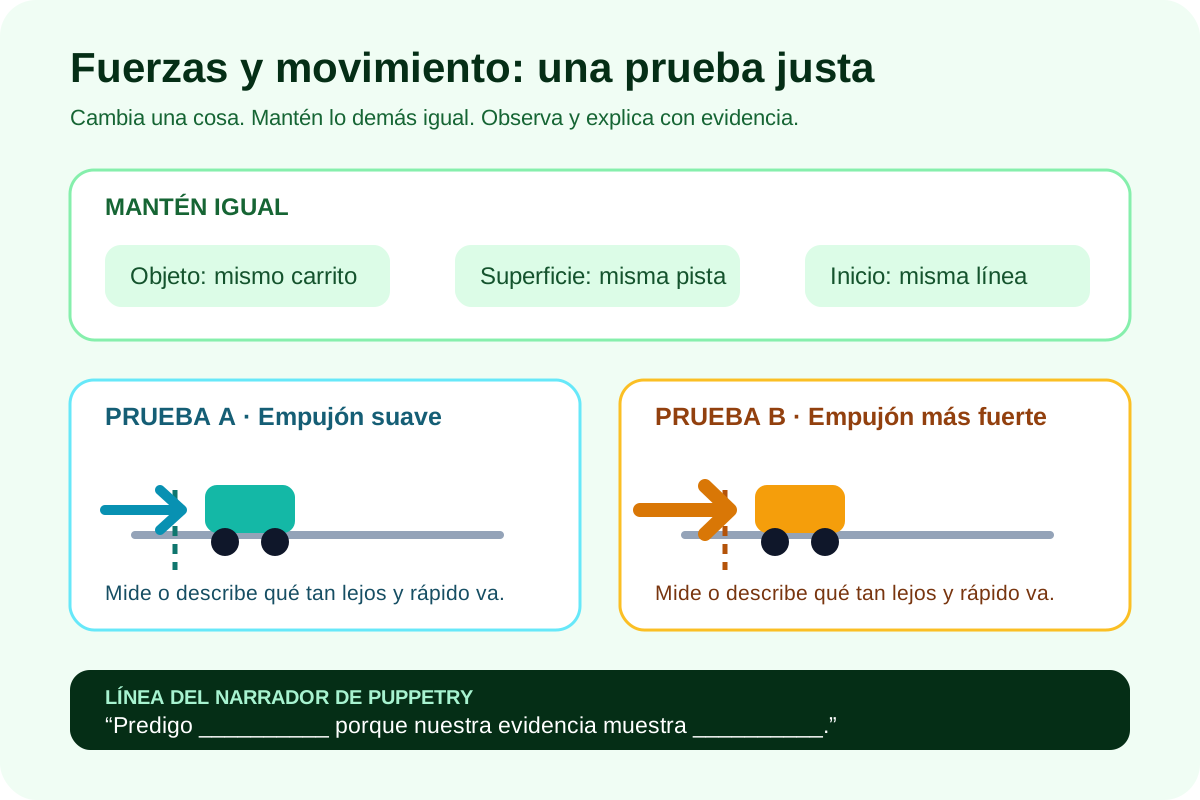
Download Spanish fair-test modelSpanish projectable fair-test comparison
Download investigation sheetStudent plan, prediction, evidence table, and narrator line
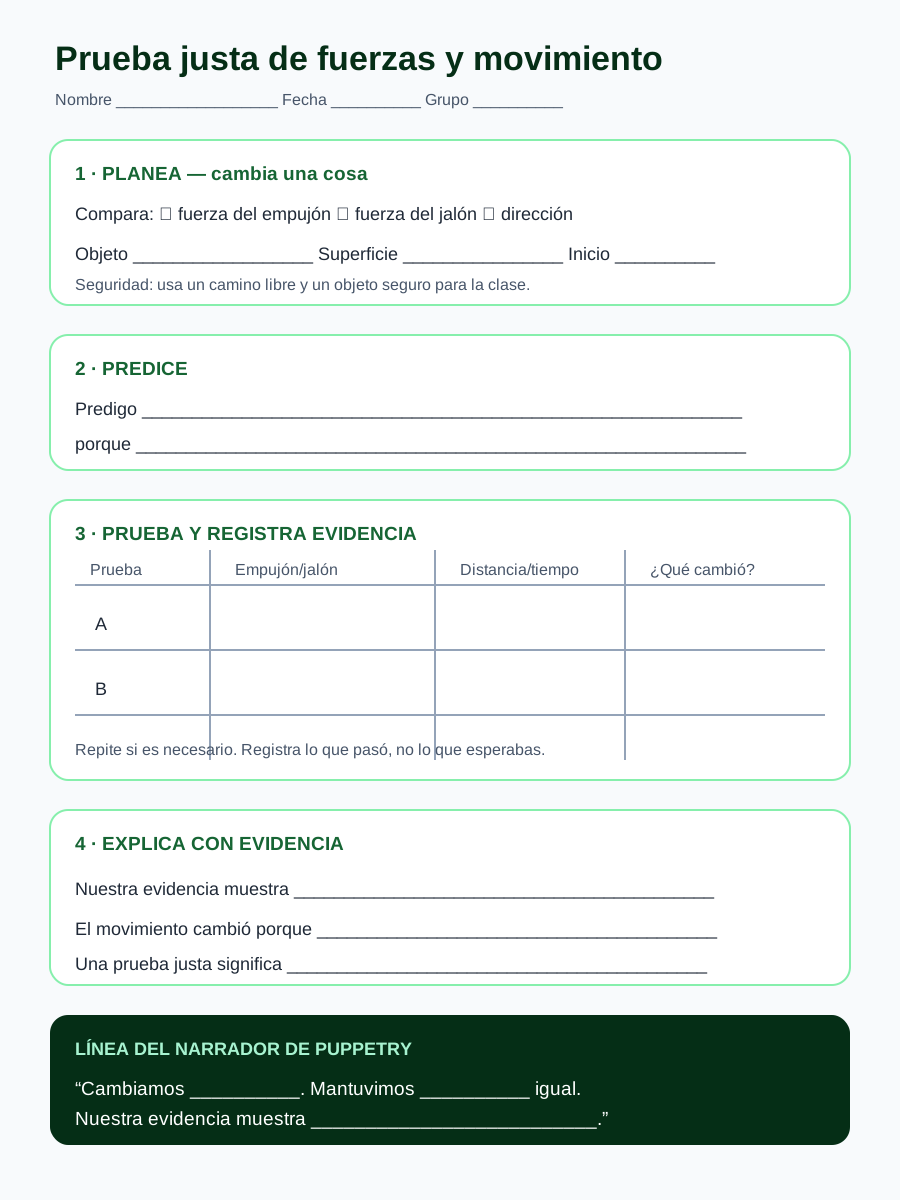
Download Spanish investigation sheetSpanish student fair-test investigation sheet
Download answer keySample evidence, misconception checks, and quick scoring
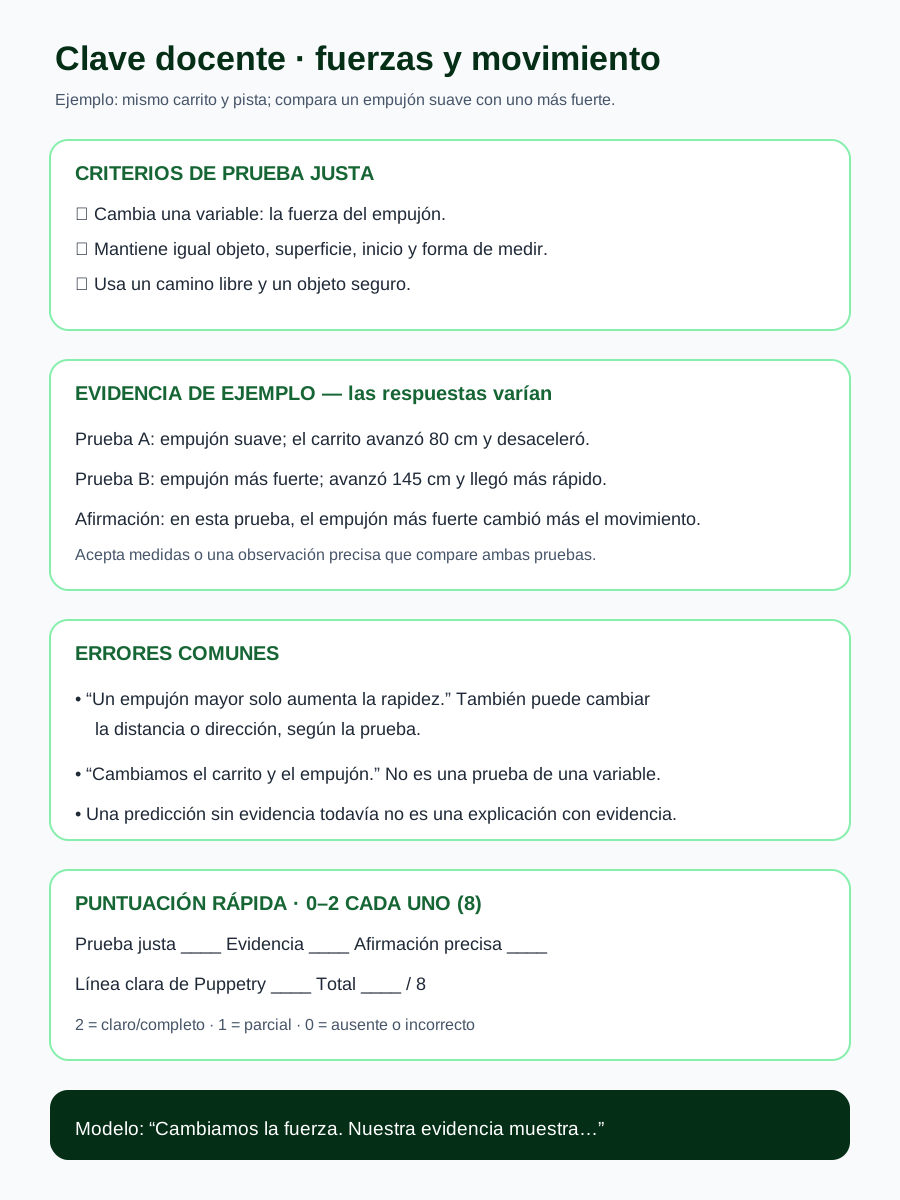
Download Spanish answer keySpanish teacher key and 8-point quick score
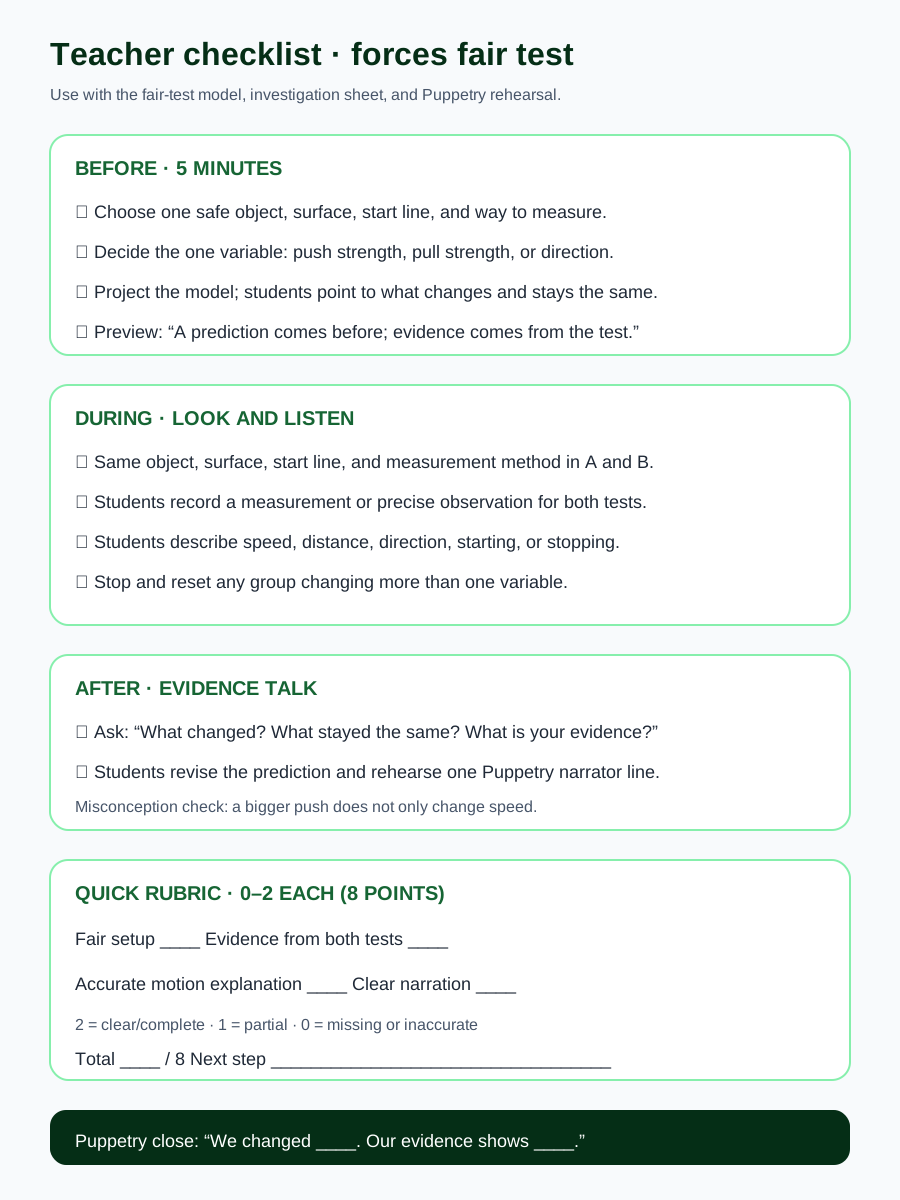
Download quick rubric and teacher facilitation checklistBefore/during/after look-fors and an 8-point quick rubric
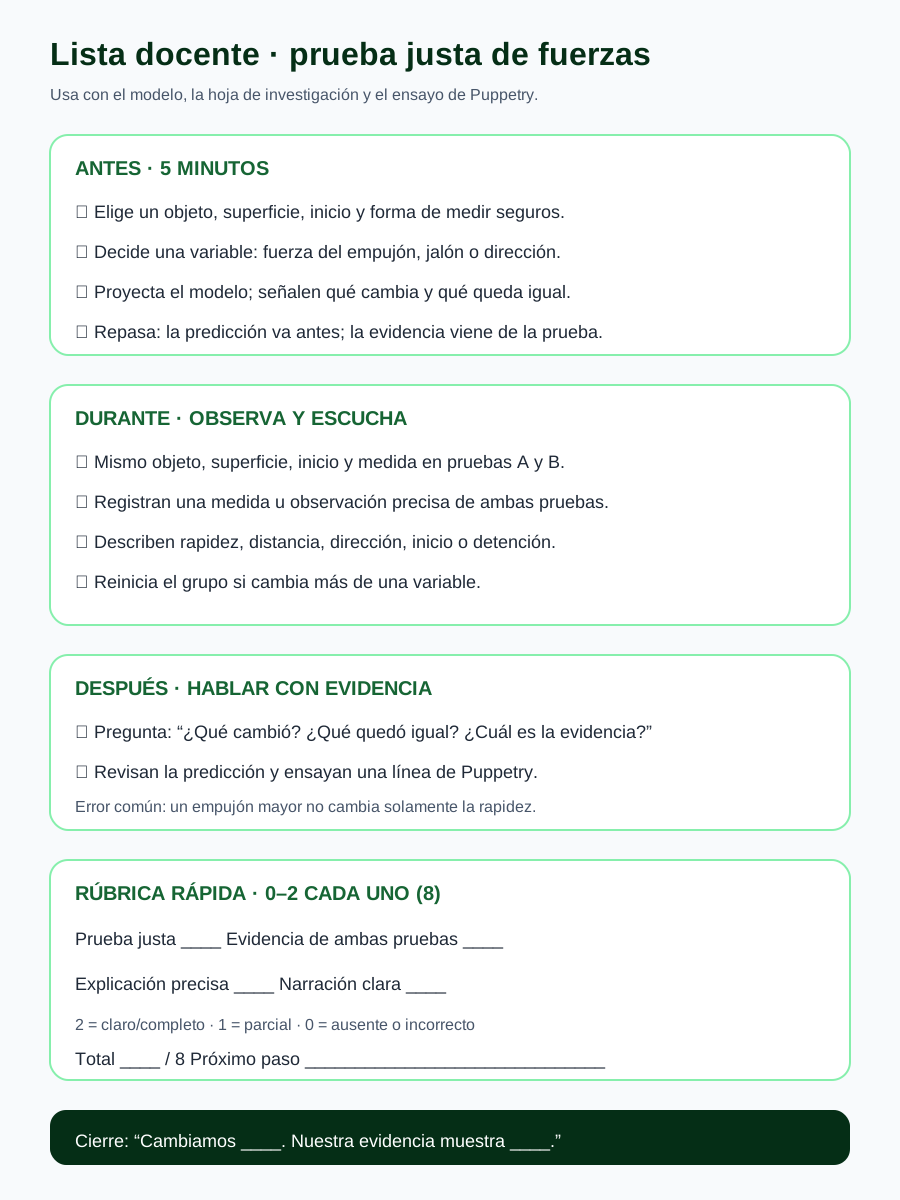
Download Spanish quick rubric and teacher facilitation checklistSpanish teacher look-fors and 8-point quick rubric
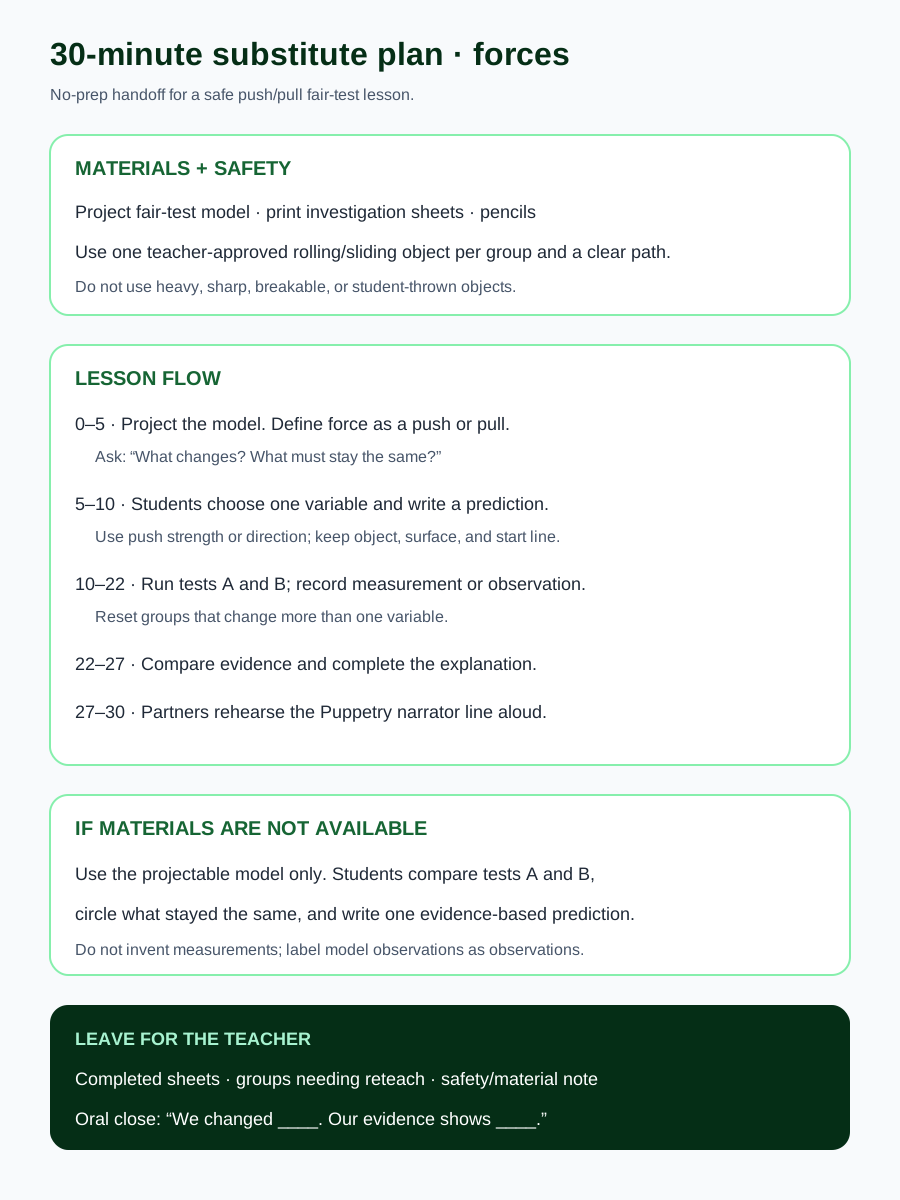
Download substitute planNo-prep 30-minute investigation handoff with safety fallback
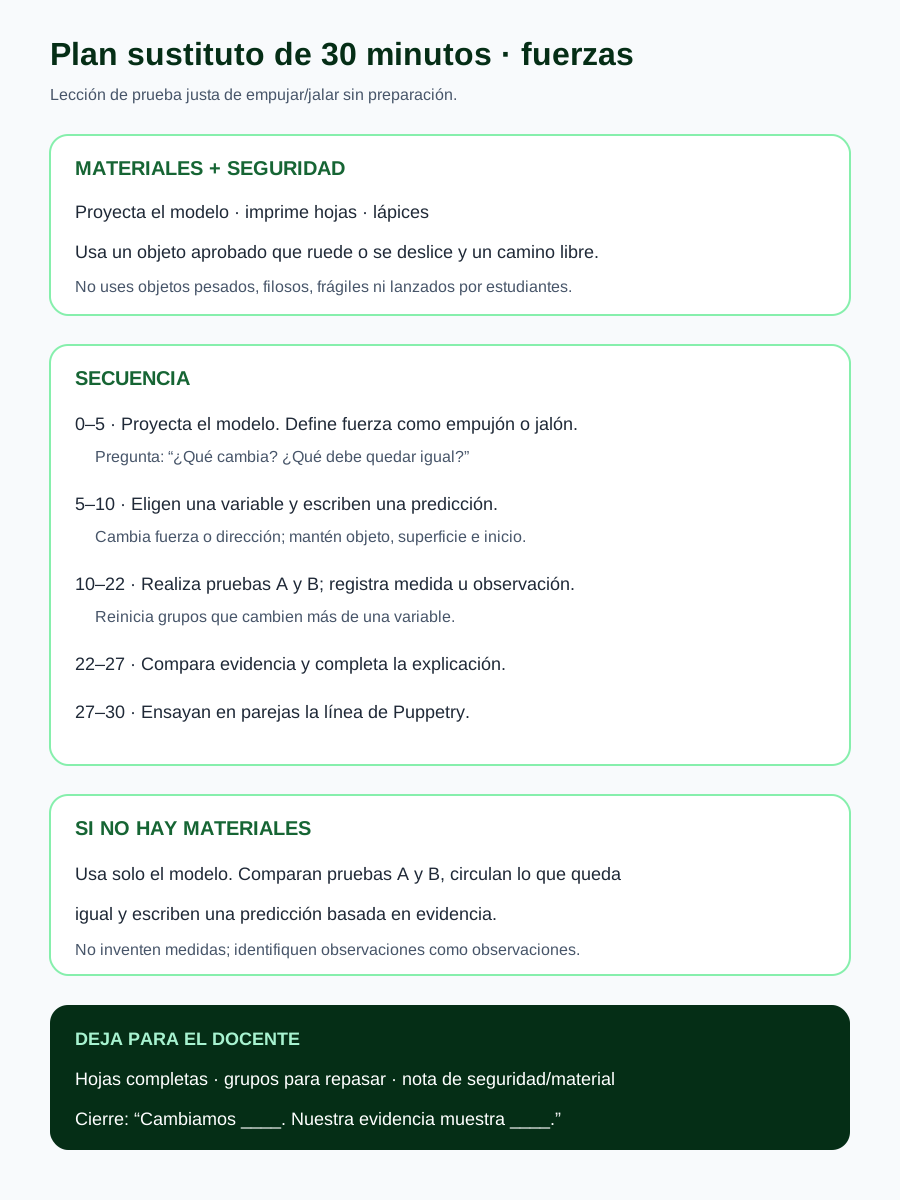
Download Spanish substitute planSpanish no-prep lesson handoff and oral Puppetry close
Related science resources
Weather and water cycle
Grades 4-5 · Published teacher kit
Helps with: extend model-based observation and explanation.
Open resource →
Habitats and adaptations
Grades 3-5 · Published teacher kit
Helps with: practice claim-and-evidence explanations.
Open resource →
Plant life cycle
Grades 3-5 · Published teacher kit
Helps with: compare observable patterns and sequence.
Open resource →
Make it with Puppetry
Start with the ready-to-run lesson script, then choose a character and classroom voice in Studio.
Prefills 459 characters, within the free-account limit.