Print student work
Start with the worksheet, answer key, and quick checks when you need an independent task or absence catch-up.
Teacher-ready science resource · Grades 3-5
Help students use evidence to explain how structures and behaviors can help organisms survive in a habitat, then customize a short Puppetry narrator line with organisms from their own community.
Supplemental unit support
Fit this grades 3-5 kit around the sequence your school already uses. It is built for quick print-project-assign moments, not as official curriculum or a replacement for district materials.
No district, state, publisher, or curriculum-provider affiliation is implied. Treat Puppetry as the explanation and artifact layer around your adopted lessons, investigations, and classroom discussions.
Start with the worksheet, answer key, and quick checks when you need an independent task or absence catch-up.
Use the diagram, vocabulary, and anchor-chart supports while students point to evidence and explain the idea aloud.
Pair the station cards, family note, or substitute flow with your existing unit routine instead of rebuilding the lesson.
Paste the script into Puppetry, adjust vocabulary or language support, and create a short classroom video for replay.
Classroom explainer
A dedicated Puppetry embed is still needed. Until then, use this copy-ready script to create a short classroom explainer about habitat needs, structures, behaviors, evidence, and local examples.
Video brief ready
Generate a local habitats explainer
Prompt Puppetry to compare a duck and cactus, then ask students to replace them with organisms they can observe or study in their community.
Dedicated Puppetry video pending
Make this classroom explainer
Open a runnable excerpt in Text Studio, then choose a character and classroom voice.
Prefills 429 characters, within the free-account limit.
Teacher jobs to be done
Use the model and cards to keep the lesson focused on evidence: habitat need, structure or behavior, and how the evidence supports a survival claim.
Ask students what organisms need from a habitat: food, water, shelter, space, and conditions they can survive in.
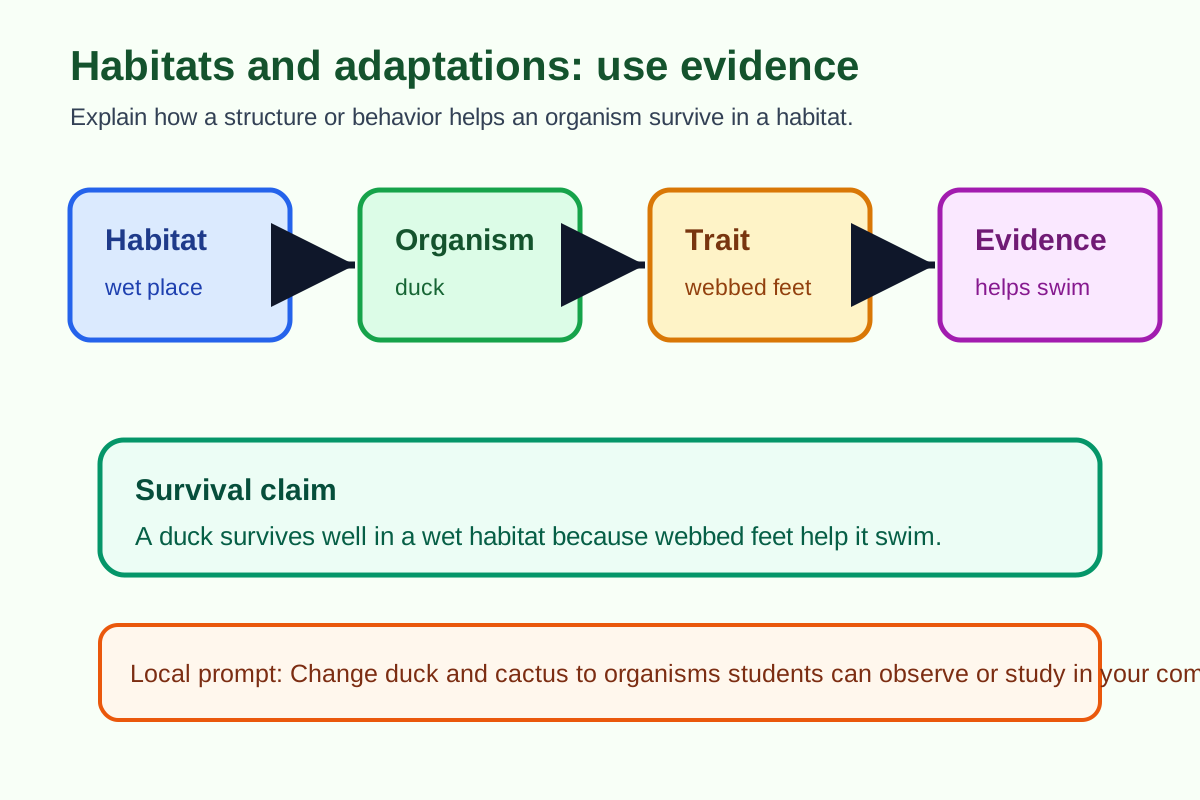
Show that a strong explanation connects habitat, need, trait, evidence, and claim. Avoid saying organisms choose traits instantly.
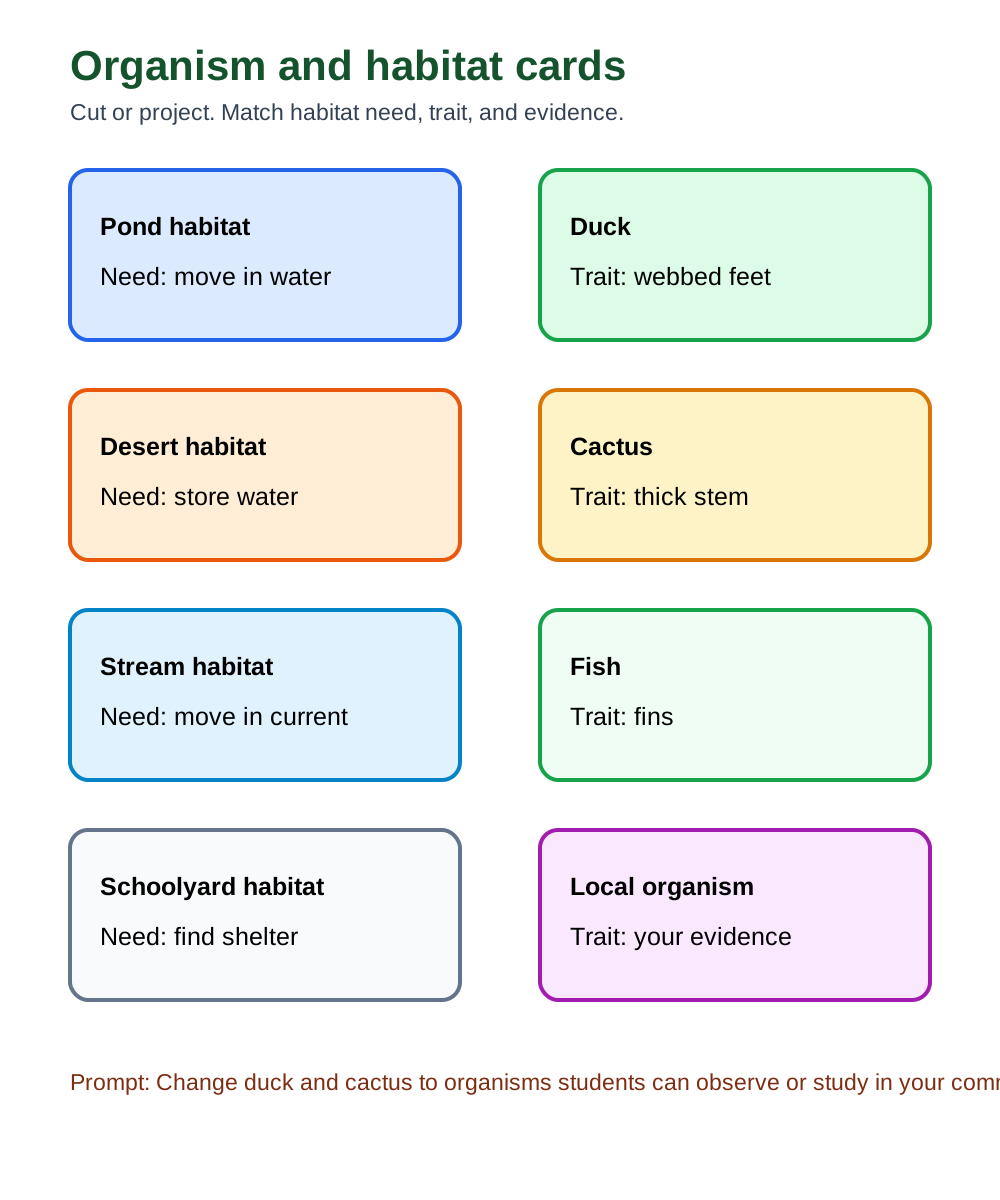
Students match organism cards to habitats, identify one useful structure or behavior, and choose evidence that supports the match.
Students write one narrator line that says how an organism survives well or less well because the evidence shows a trait helps or does not help in that habitat.
Student explanation
A habitat is where an organism lives and gets what it needs. A structure is a body part. A behavior is an action. Some structures and behaviors can help an organism survive in a habitat, but individual organisms do not decide to grow a new adaptation right away. Scientists use evidence to explain why a trait helps in one habitat and may not help in another.
Worksheet + assessment
Students identify a habitat need, match a structure or behavior to evidence, write a survival claim, and customize one Puppetry narrator line.
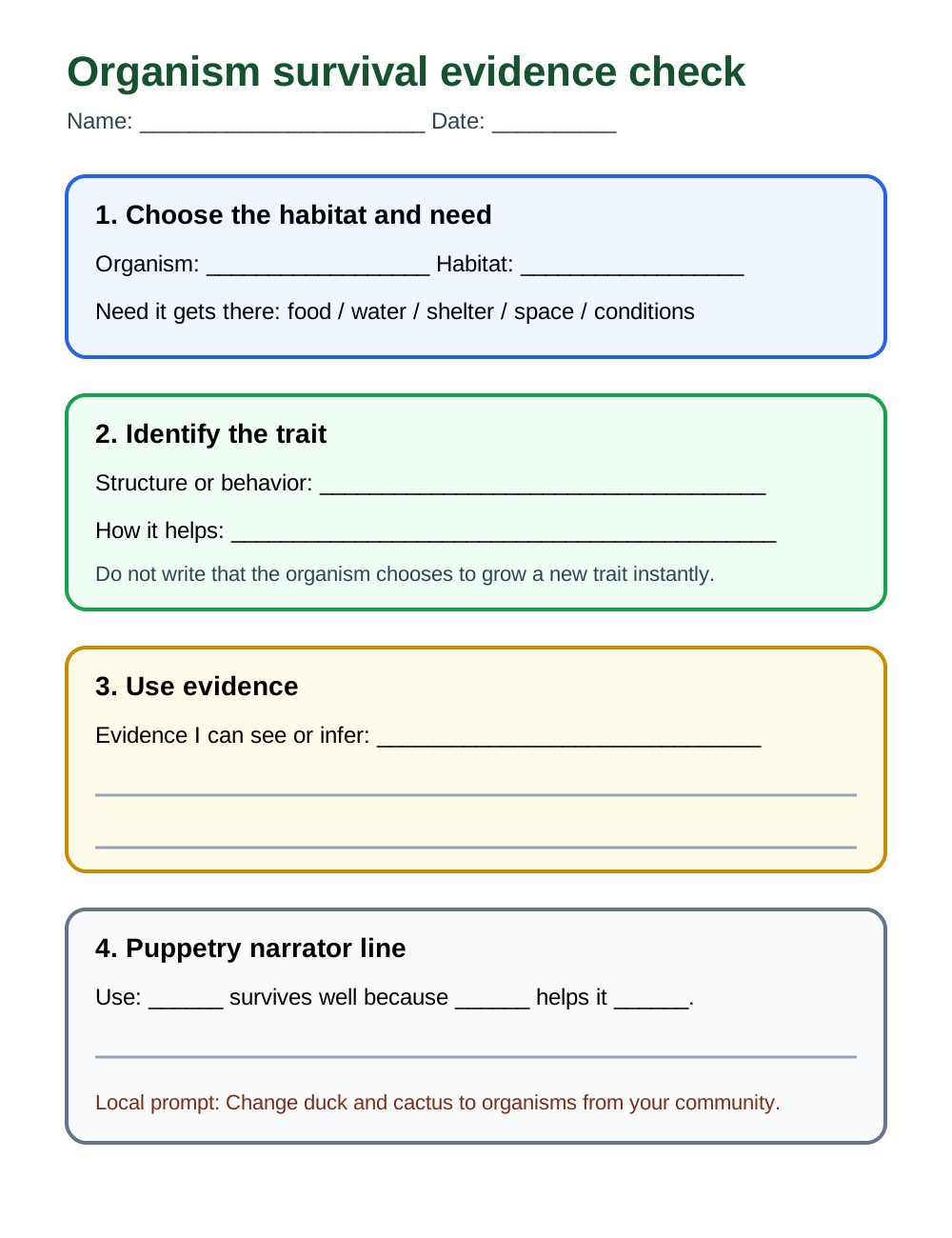
Student worksheet preview
Match the trait to the habitat need
Choose one organism, one habitat, and one structure or behavior that helps it survive.
Use evidence
Explain what evidence shows the trait helps in that habitat.
Narrate a local example
Change duck and cactus to organisms students can observe or study in your community.
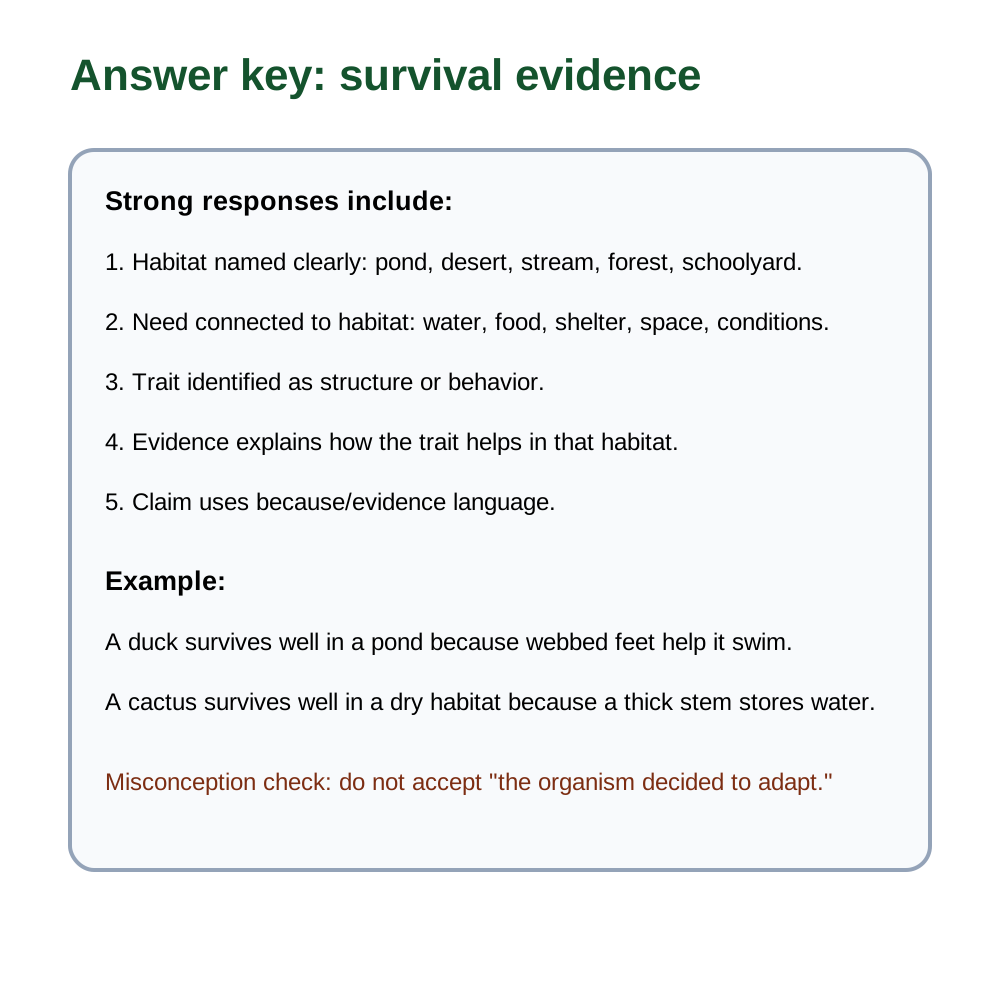
Answer: The place where an organism lives and gets what it needs.
Answer: A body part that can help an organism meet a need, such as webbed feet or a thick stem.
Answer: An action an organism does, such as migrating, hiding, hunting, or building shelter.
Answer: Evidence explains how a trait helps an organism survive in a specific habitat.
Answer: Do not imply that an individual organism chooses to grow a new trait instantly because it wants to adapt.
Stations + home connection
Use these add-ons for centers, substitute plans, family review, or quick reteaching without creating a separate activity from scratch.
Station card
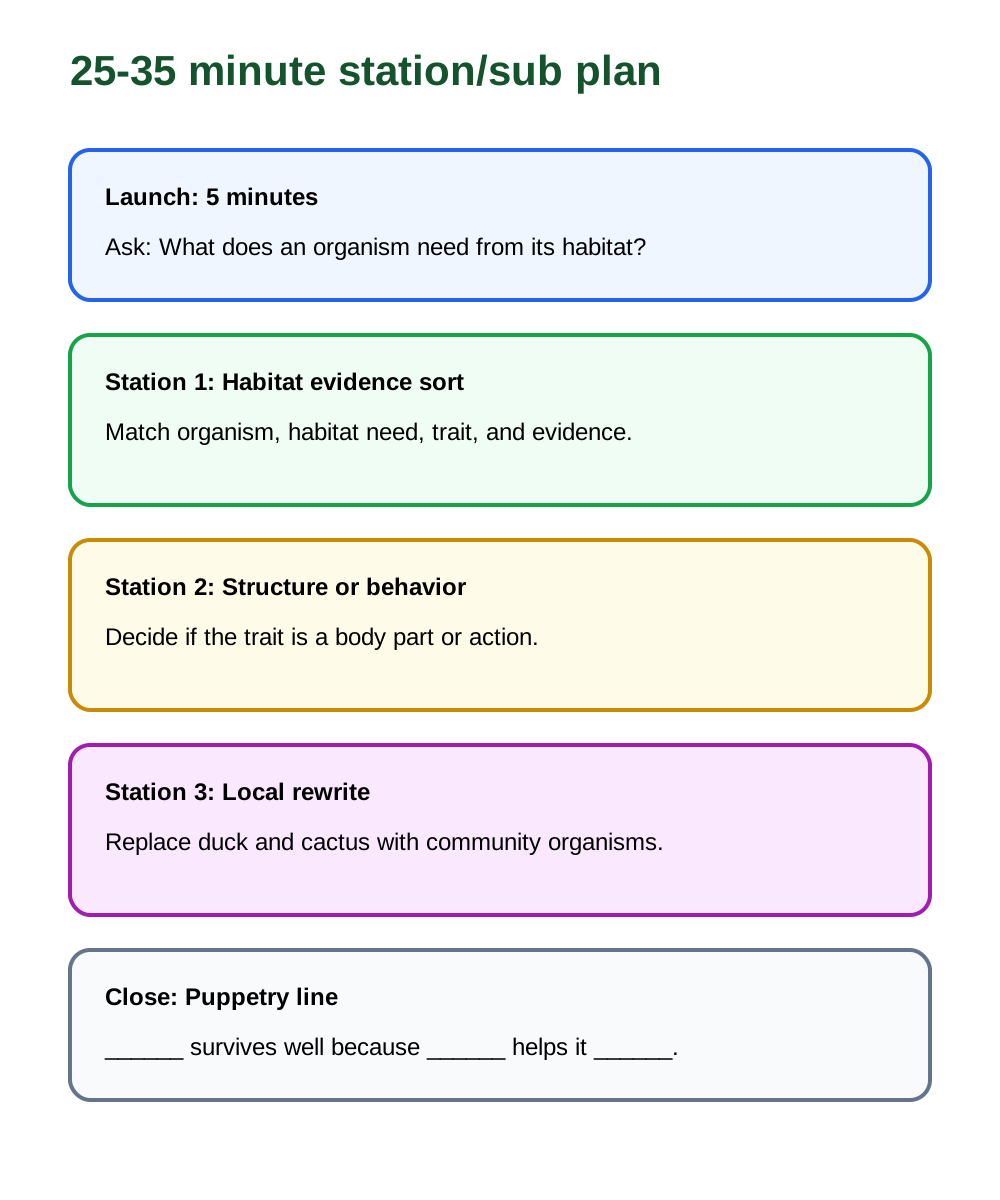
Students match organism cards to habitat cards and name the evidence that supports each match.
Teacher note: Listen for students connecting a trait to a need, not only naming an animal fact.
Station card
Students decide whether each trait is a structure or behavior and explain how it helps.
Teacher note: Prompt: "What does this trait help the organism do in this habitat?"
Station card
Students replace duck and cactus with organisms from the schoolyard, neighborhood, or current unit.
Teacher note: This creates the customization hook for a teacher-generated Puppetry explainer.
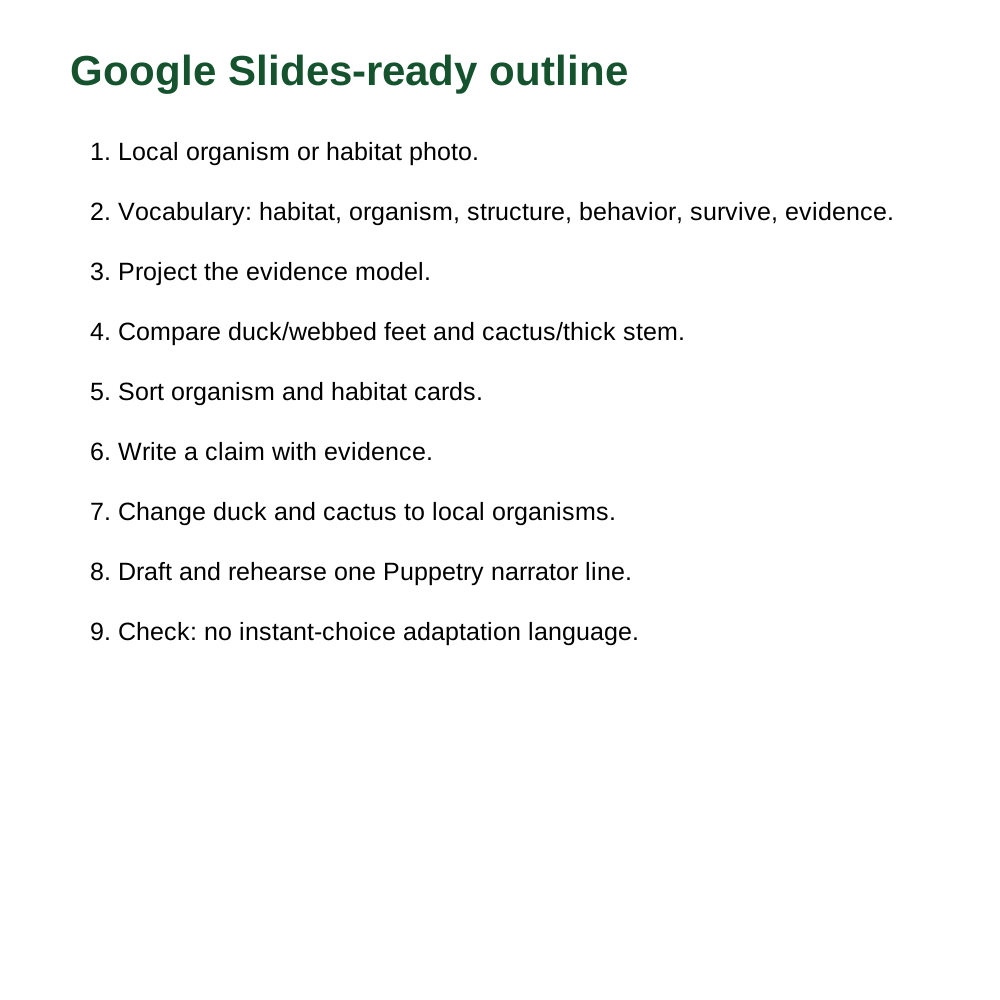
Slide outline
Use this sequence with the diagram on screen and the worksheet in students' hands. It is an artifact flow, not a prescription.
Answer key support
Teach that traits can help survival, but individual organisms do not instantly choose new body parts.
A trait can help in one habitat and be less useful in another, so students need habitat-specific evidence.
Students should compare structures and behaviors, then explain how each can support survival.
Artifact library
Grab the full set after the core lesson path: printable student work, projectable visuals, teacher supports, Spanish/EL scaffolds, assessment tools, and Puppetry publishing add-ons.
Habitat, need, trait, and evidence model for projection
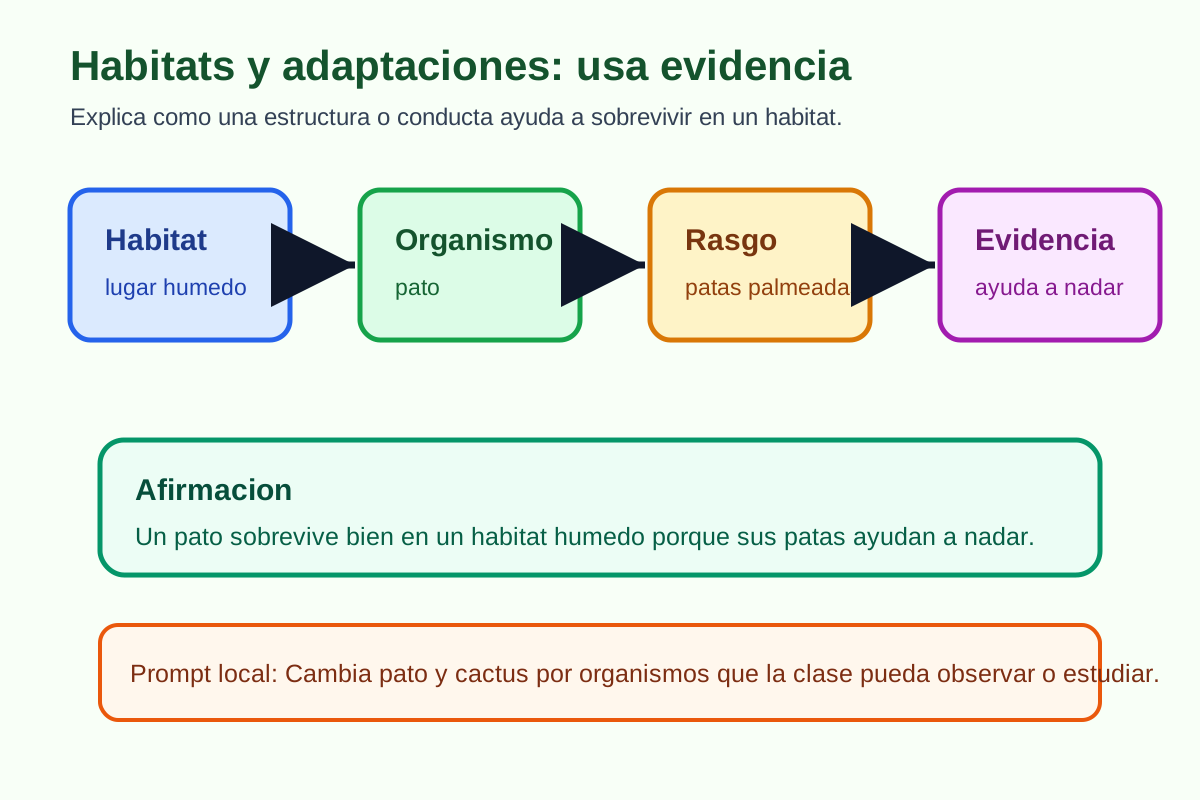
Download Spanish projectable modelSpanish habitat, need, trait, and evidence model
Download worksheetStudent survival-evidence organizer and Puppetry line prompt
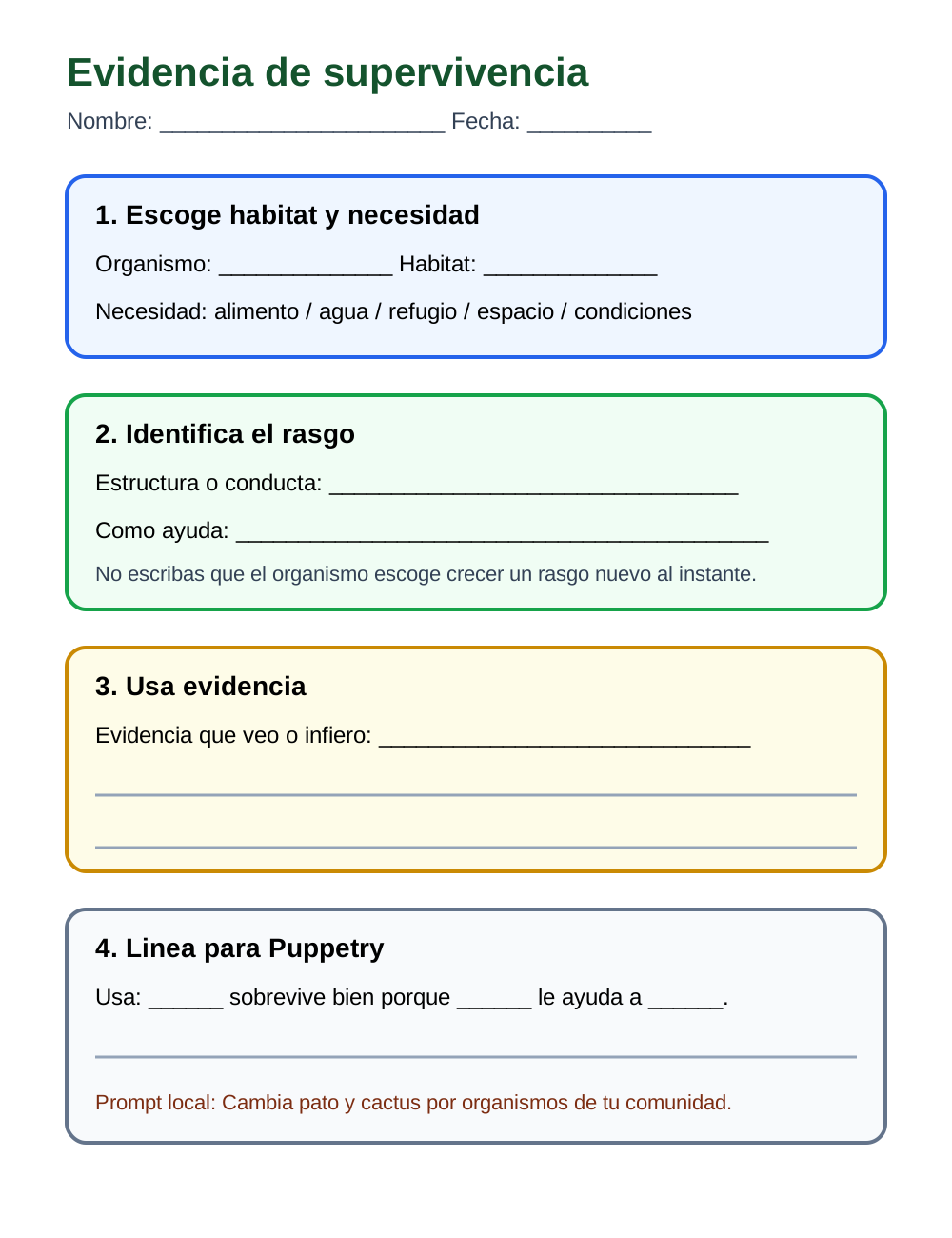
Download Spanish worksheetSpanish survival-evidence organizer and narration frame
Download answer keyFast check for habitat need, trait, evidence, and claim
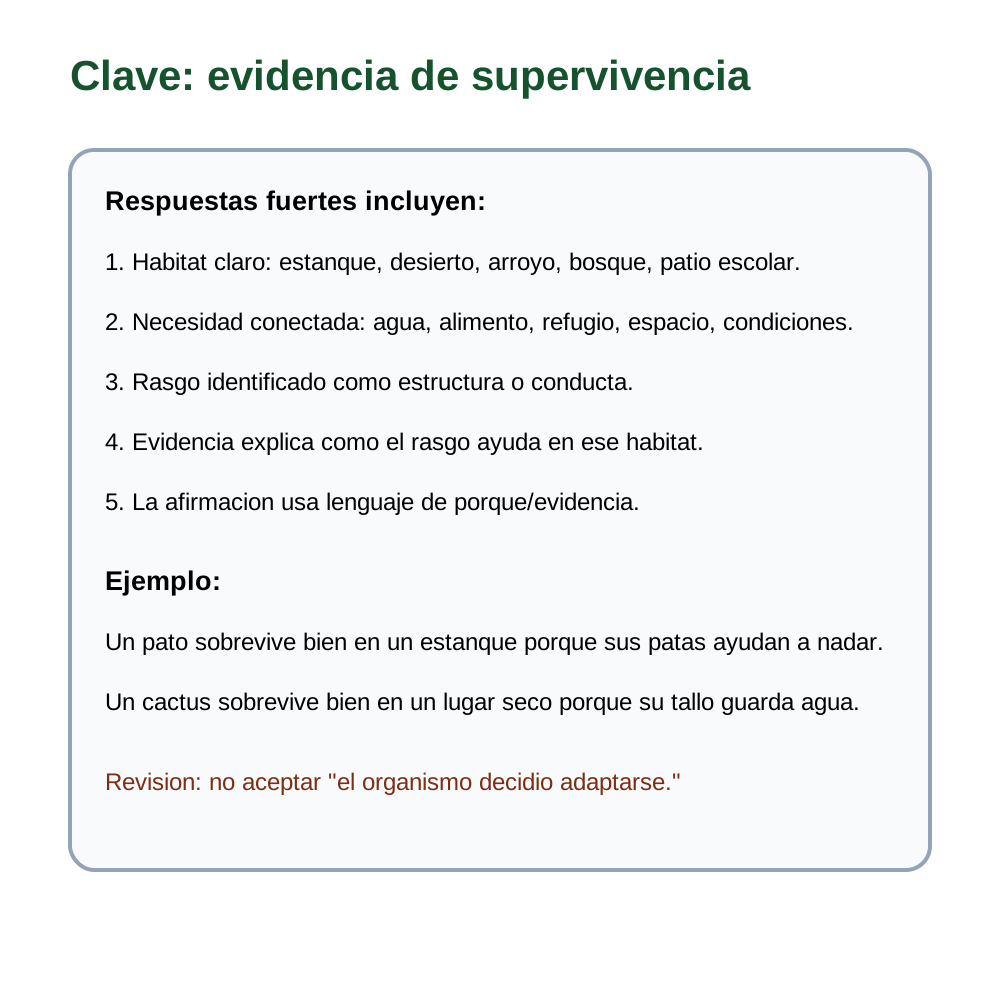
Download Spanish answer keySpanish fast check for claims and evidence
Download organism and habitat cardsDuck, cactus, fish, lizard, pond, desert, stream, and schoolyard examples
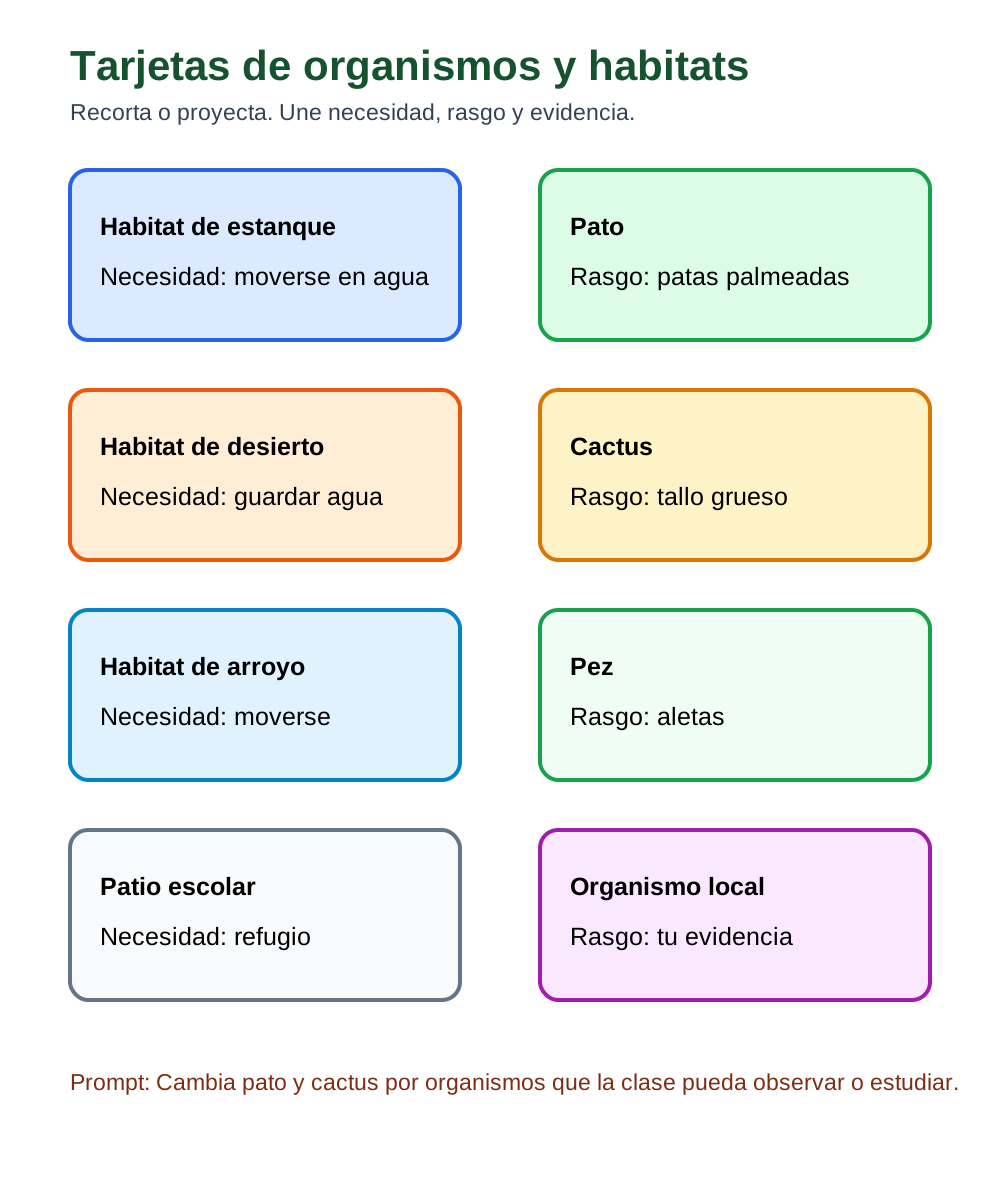
Download Spanish organism and habitat cardsSpanish organism and habitat sort cards
Download station and substitute plan25-35 minute station flow for evidence sorting and narration
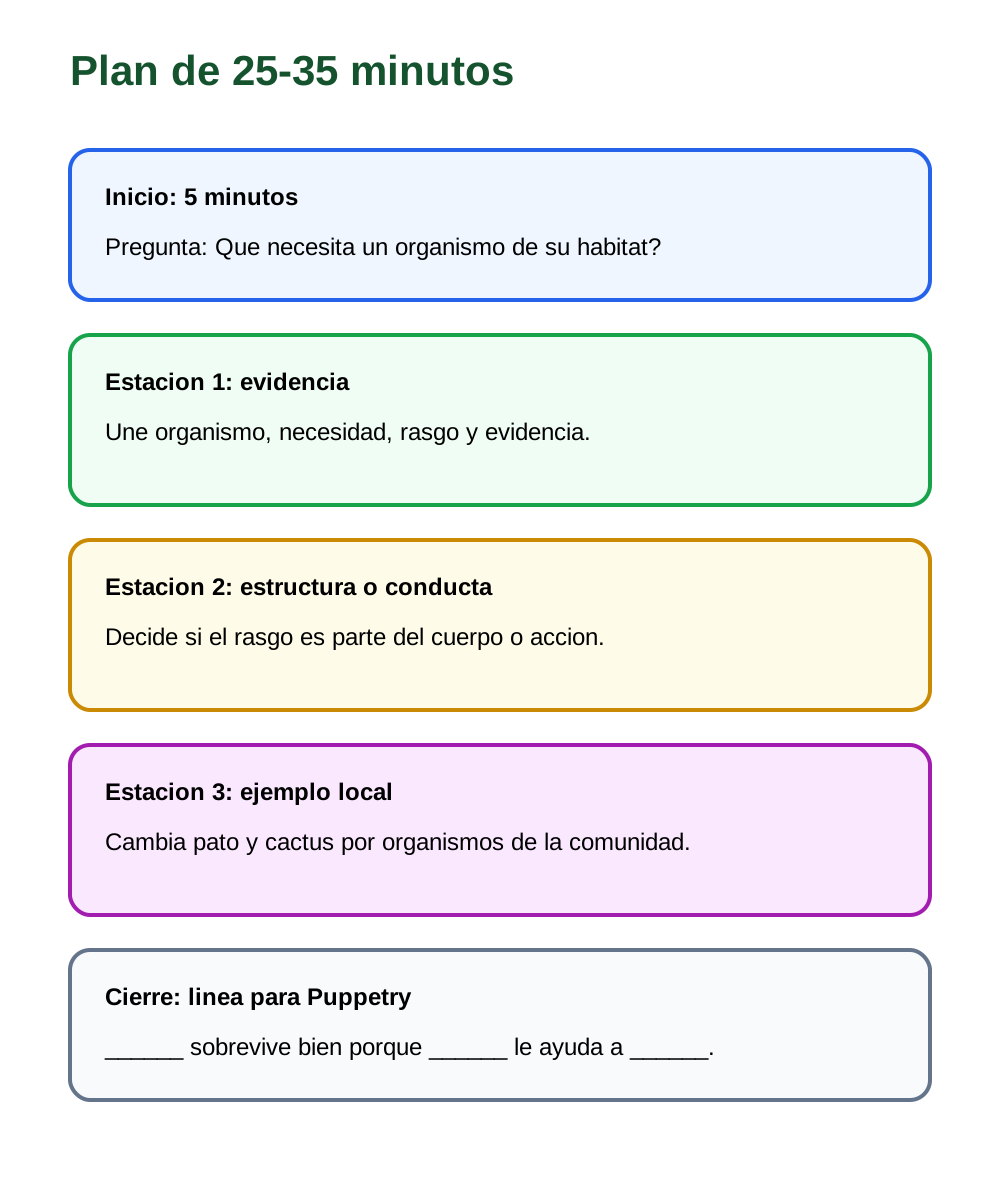
Download Spanish station and substitute planSpanish station flow and guest-teacher directions
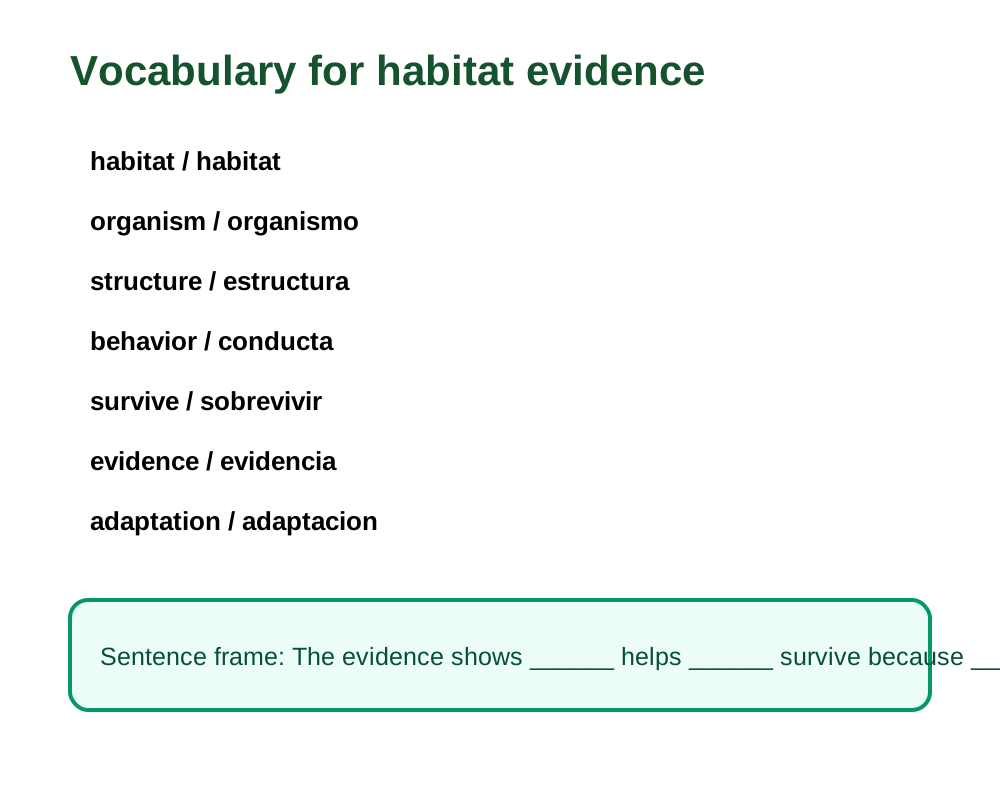
Download bilingual vocabulary cardHabitat, organism, structure, behavior, survive, evidence
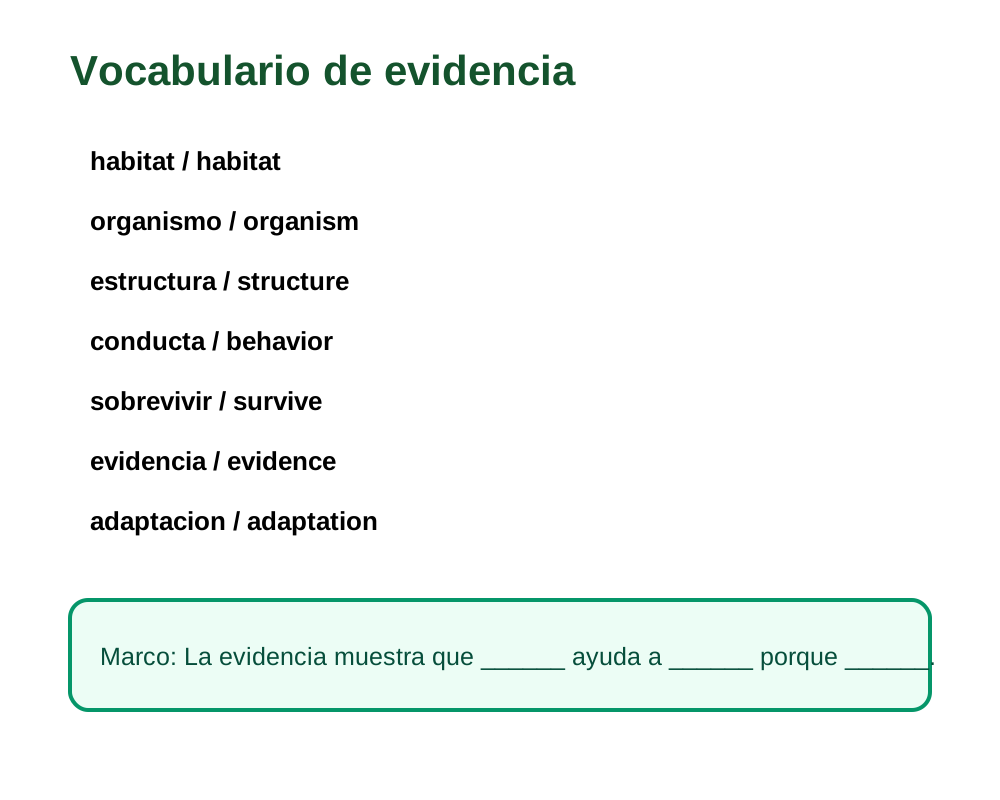
Download Spanish bilingual vocabulary cardSpanish vocabulary support for habitat evidence talk
Open the complete library for additional Spanish/EL, assessment, family, station, and publishing resources.
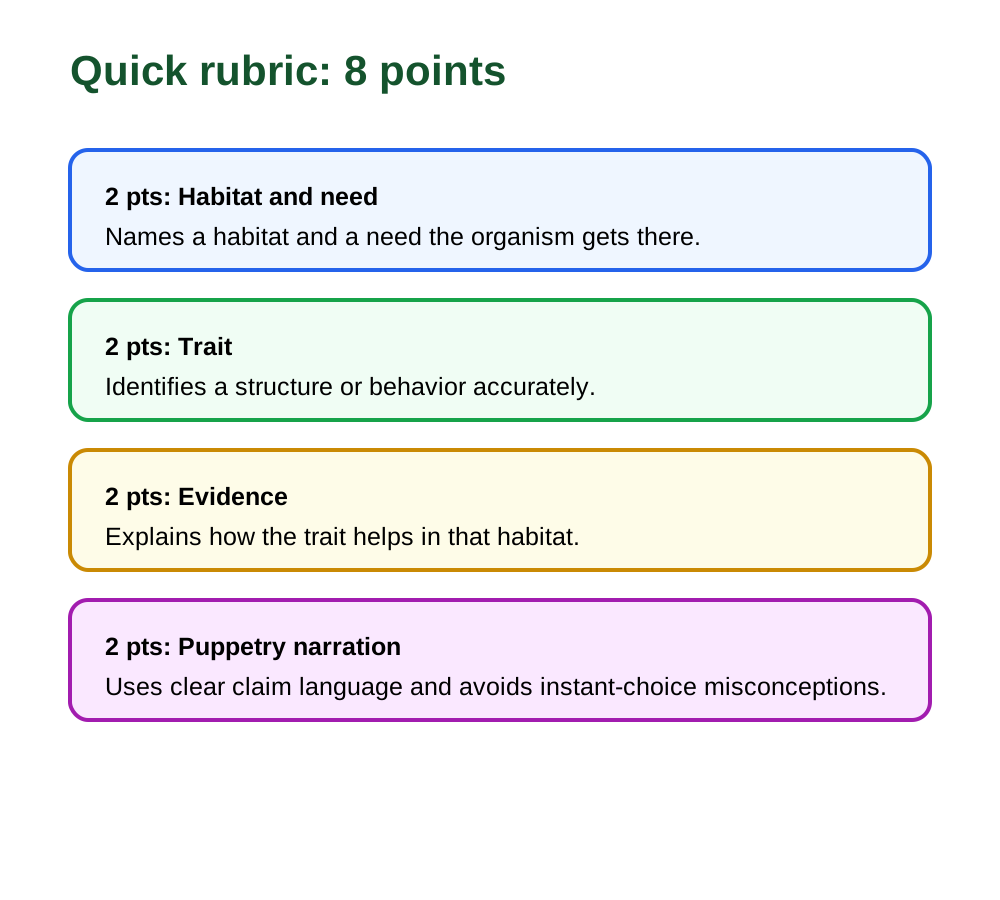
8-point rubric for claim, evidence, vocabulary, and narration
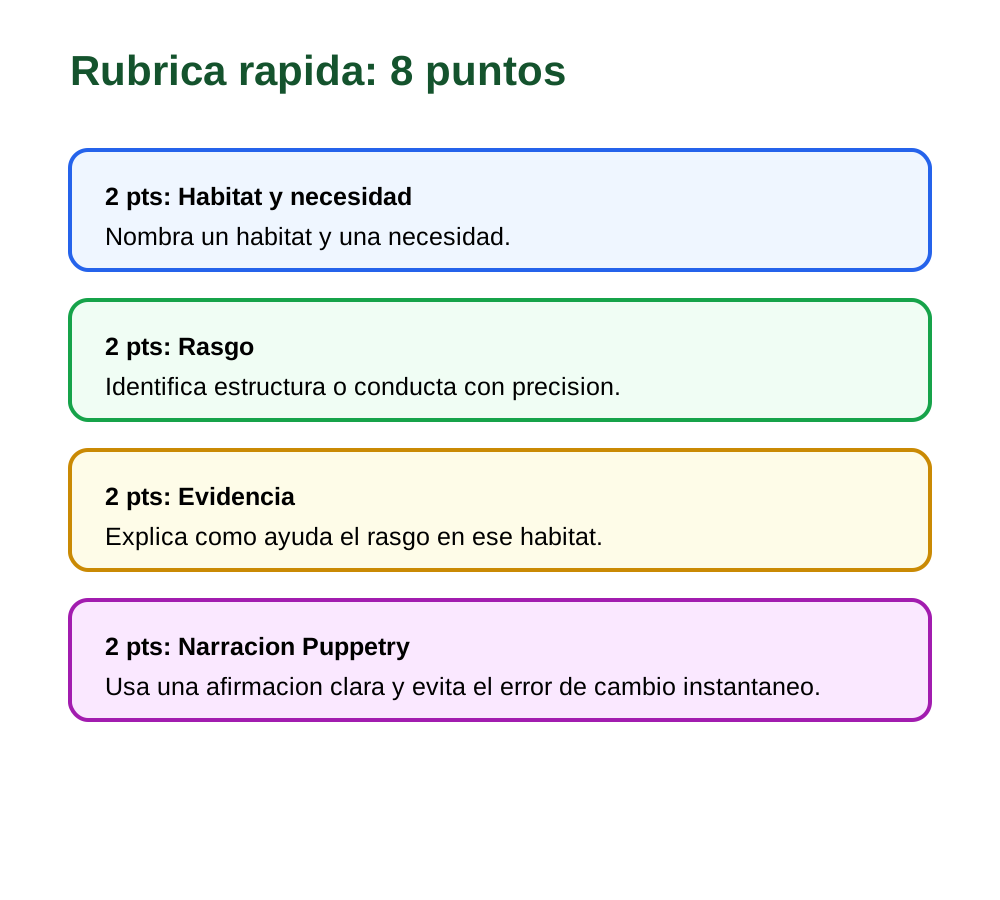
Download Spanish quick rubricSpanish 8-point rubric for survival-evidence explanations
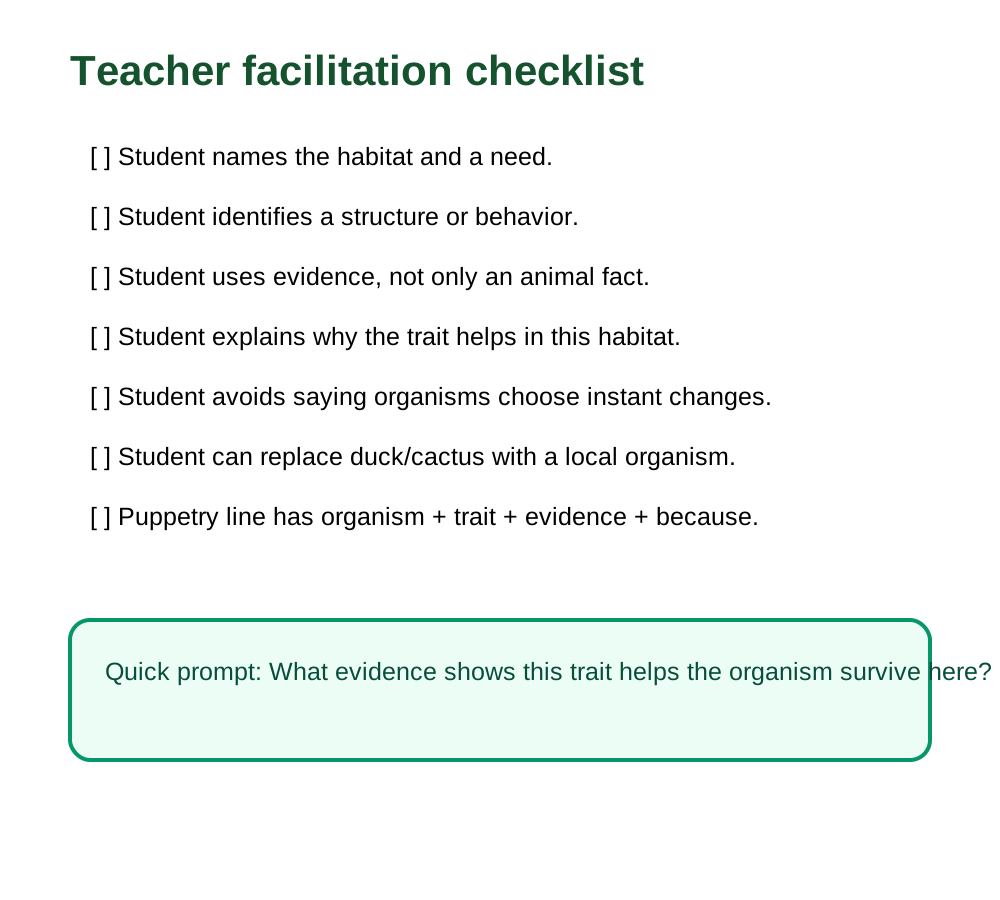
Download teacher facilitation checklistTeacher look-fors for habitat need, trait, evidence, and Puppetry rehearsal
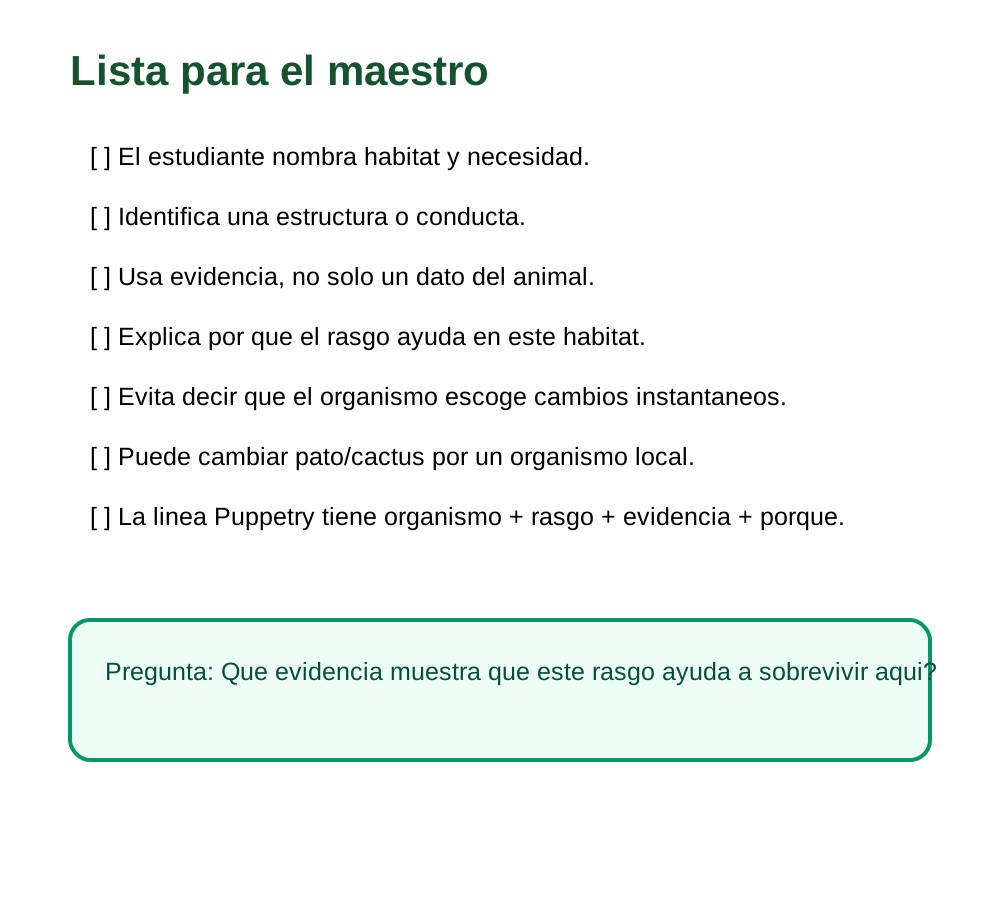
Download Spanish teacher facilitation checklistSpanish teacher look-fors for habitat evidence talk and narration
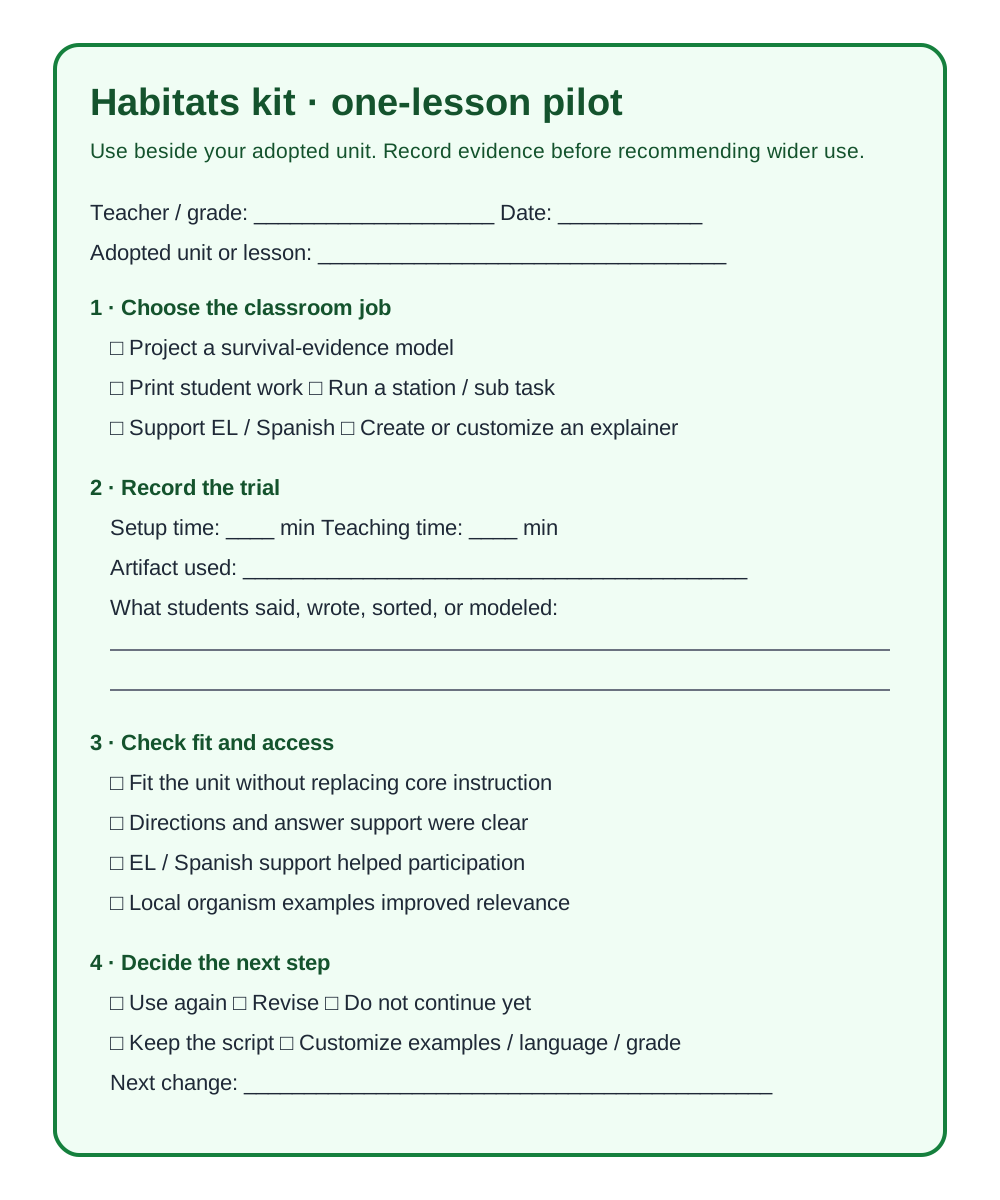
Download one-lesson pilot checklistRecord adopted-unit fit, setup time, student evidence, learner support, and the Puppetry customization decision
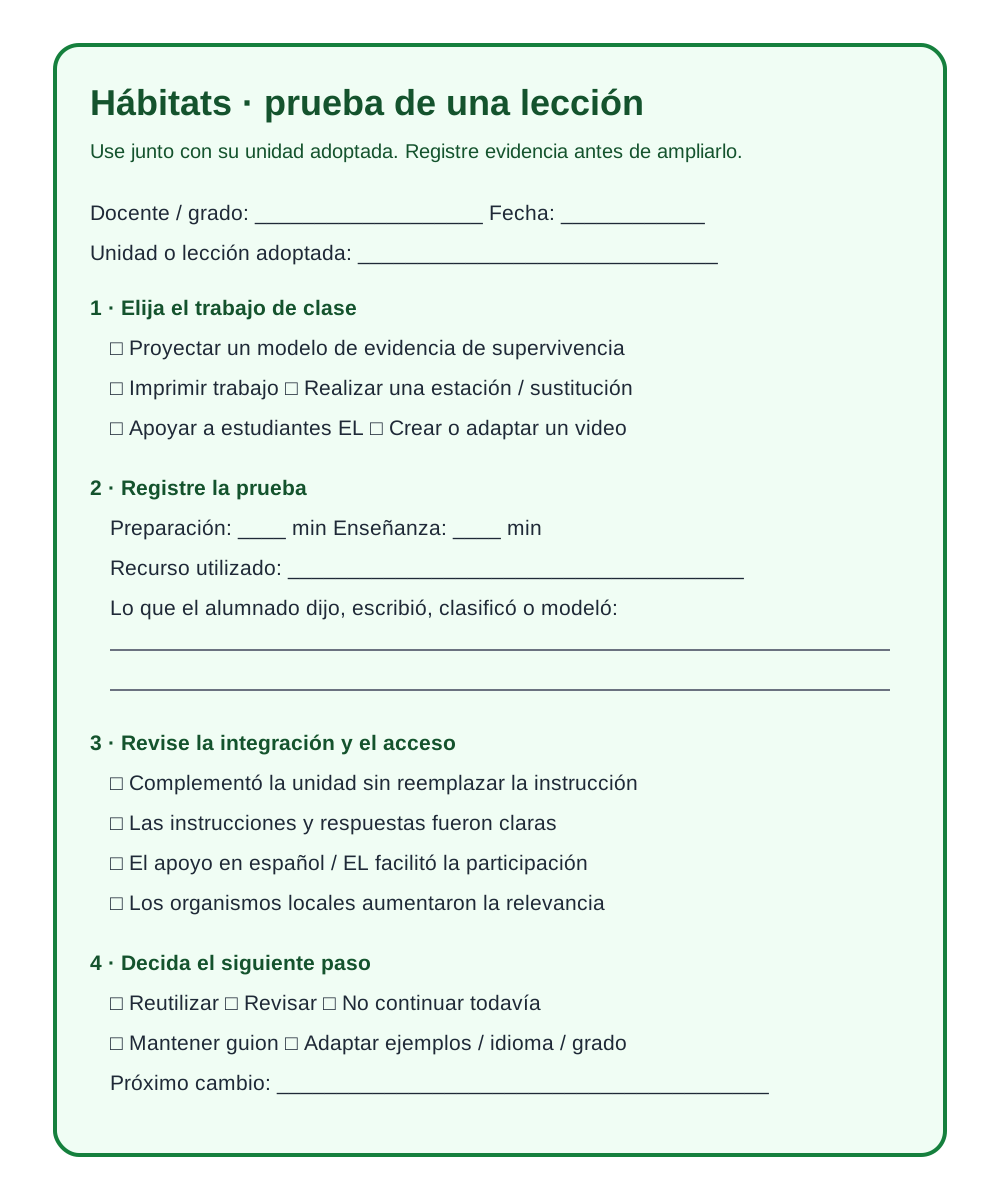
Download Spanish one-lesson pilot checklistSpanish trial handoff for curriculum fit, evidence, access, and next steps
Download slide outlineGoogle Slides-ready sequence for model, sort, claim, and Puppetry close
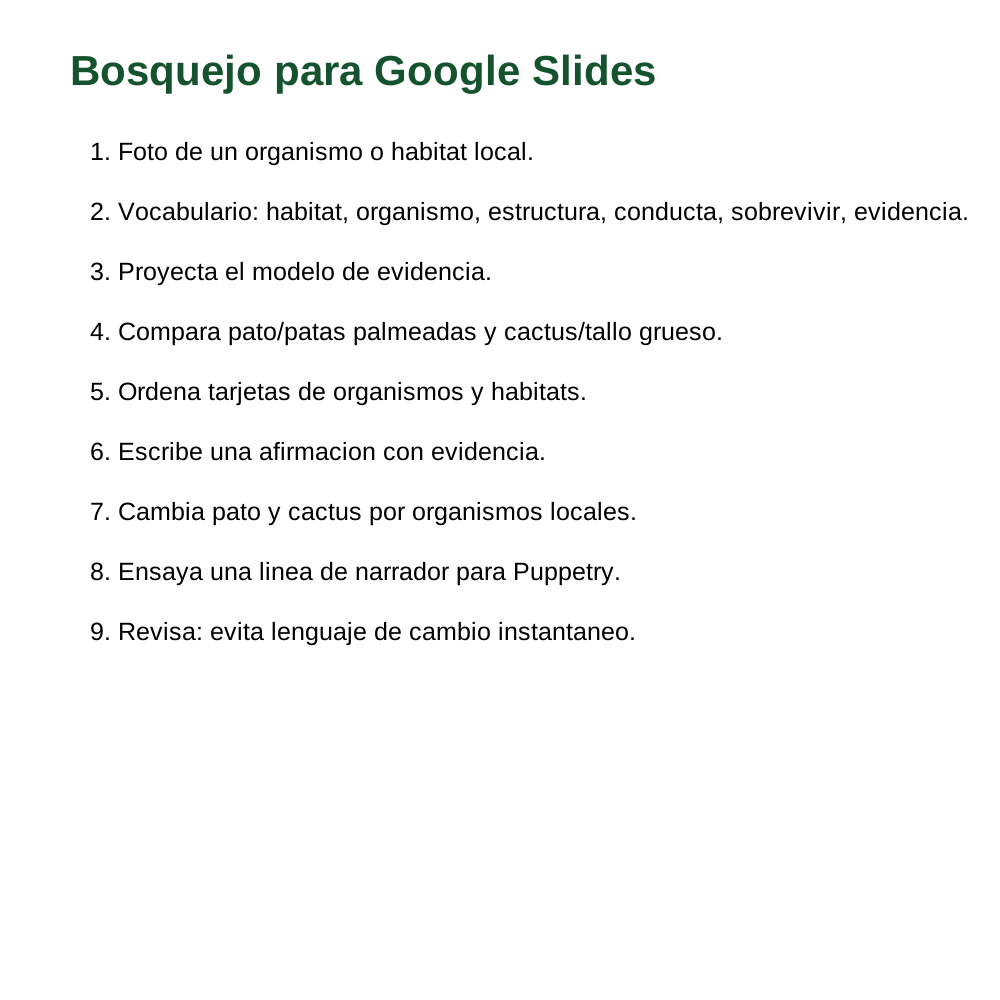
Download Spanish slide outlineSpanish slide outline for habitat evidence work
Related science resources
Food chains
Grades 4-6 · Published teacher kit
Helps with: connect organism survival to energy relationships.
Open resource →
Parts of a plant
Grades 3-5 · Published teacher kit
Helps with: connect structures to plant survival needs.
Open resource →
Plant life cycle
Grades 3-5 · Published teacher kit
Helps with: connect life-cycle stages to survival and reproduction.
Open resource →
Forces and motion
Grades K-3 · Published teacher kit
Helps with: practice claims and evidence with a physical-science test.
Open resource →
Make it with Puppetry
Start with the ready-to-run lesson script, then choose a character and classroom voice in Studio.
Prefills 429 characters, within the free-account limit.