Print student work
Start with the worksheet, answer key, and quick checks when you need an independent task or absence catch-up.
Teacher-ready science resource · Grades 4-5
Help students explain evaporation, condensation, precipitation, and collection with a printable model, worksheet, answer key, and Puppetry-ready narration prompt.
Supplemental unit support
Fit this grades 4-5 kit around the sequence your school already uses. It is built for quick print-project-assign moments, not as official curriculum or a replacement for district materials.
No district, state, publisher, or curriculum-provider affiliation is implied. Treat Puppetry as the explanation and artifact layer around your adopted lessons, investigations, and classroom discussions.
Start with the worksheet, answer key, and quick checks when you need an independent task or absence catch-up.
Use the diagram, vocabulary, and anchor-chart supports while students point to evidence and explain the idea aloud.
Pair the station cards, family note, or substitute flow with your existing unit routine instead of rebuilding the lesson.
Paste the script into Puppetry, adjust vocabulary or language support, and create a short classroom video for replay.
Classroom explainer
Use the script below to generate a dedicated water-cycle explainer, then swap in the embed shortId once the video is reviewed.
Dedicated Puppetry video planned
Generate a local-weather water-cycle explainer
The production brief is ready: a calm narrator explains the model, then prompts teachers to customize the example to their town’s weather.
60-90 seconds · model vocabulary · local weather prompt
Make this classroom explainer
Open a runnable excerpt in Text Studio, then choose a character and classroom voice.
Prefills 453 characters, within the free-account limit.
Teacher jobs to be done
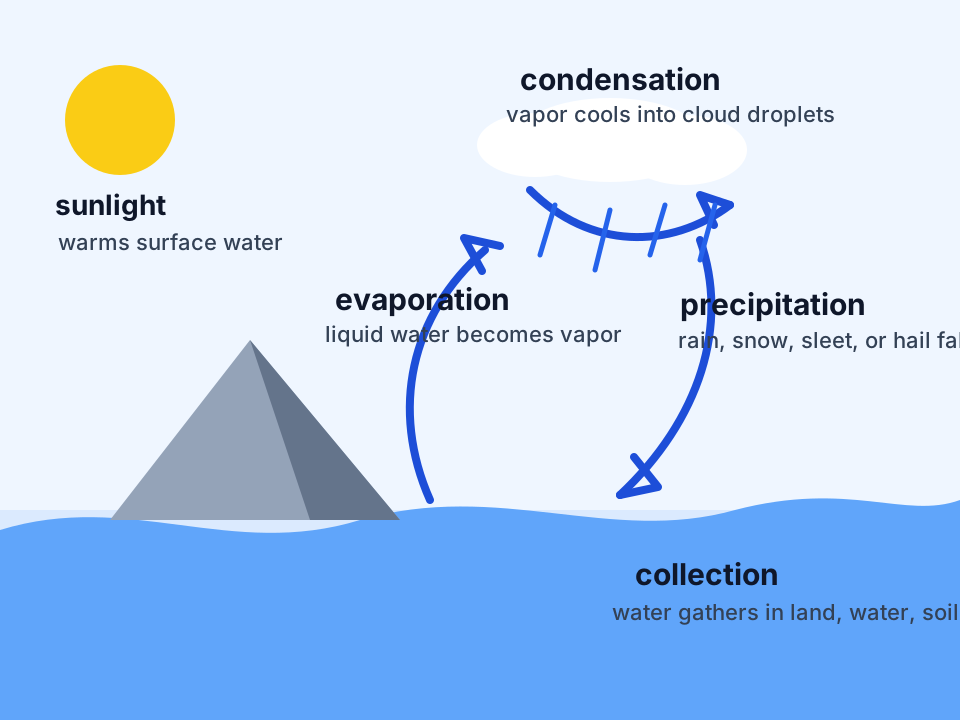
Use the diagram first, then have students label the worksheet and draft one Puppetry narrator line that includes a model limitation.
Ask students where they see water changing form or location. Name evaporation, condensation, precipitation, and collection.
Students complete the worksheet, explain one process, and use vocabulary from the diagram.
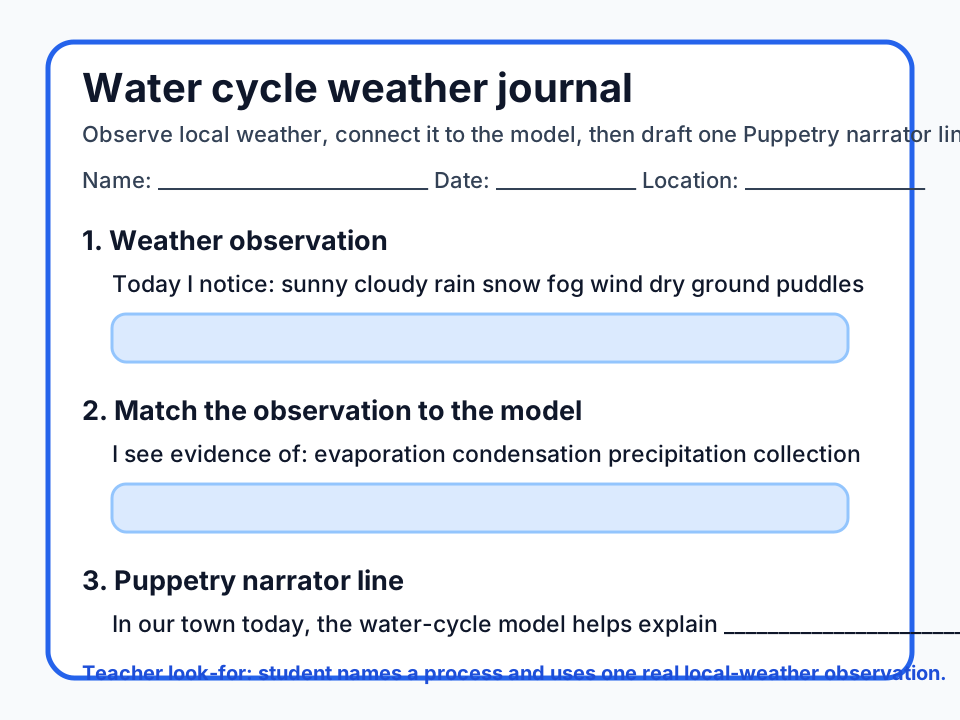
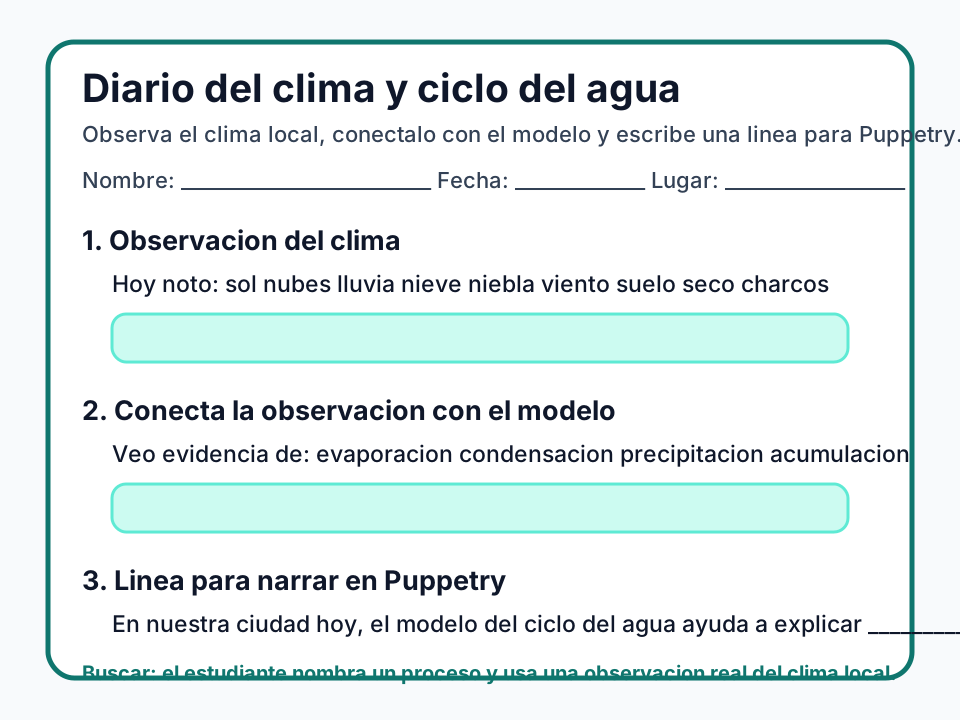
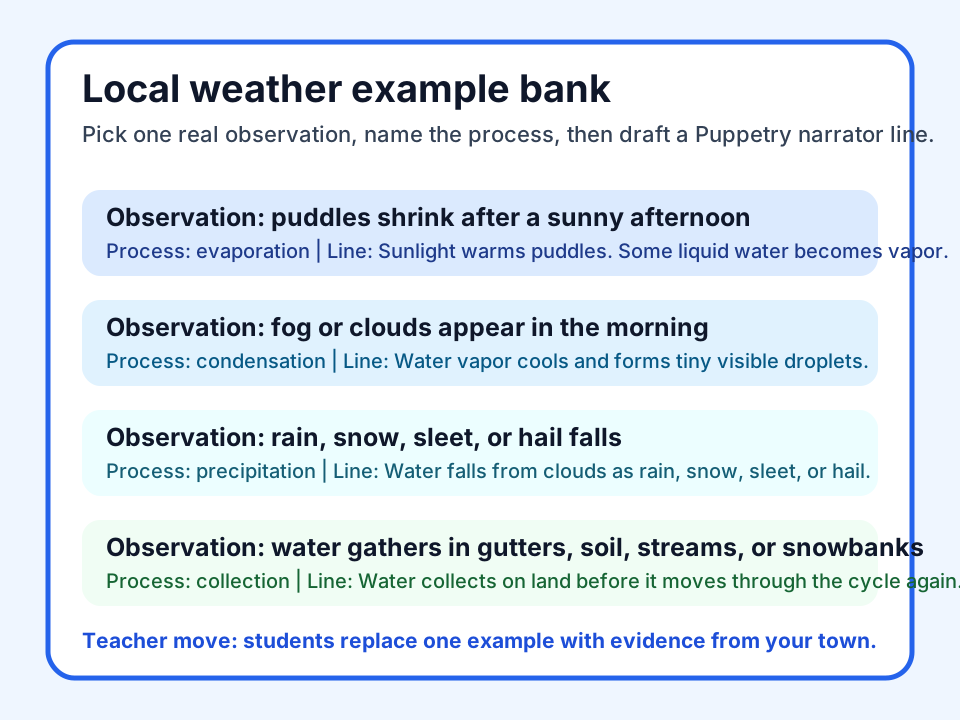
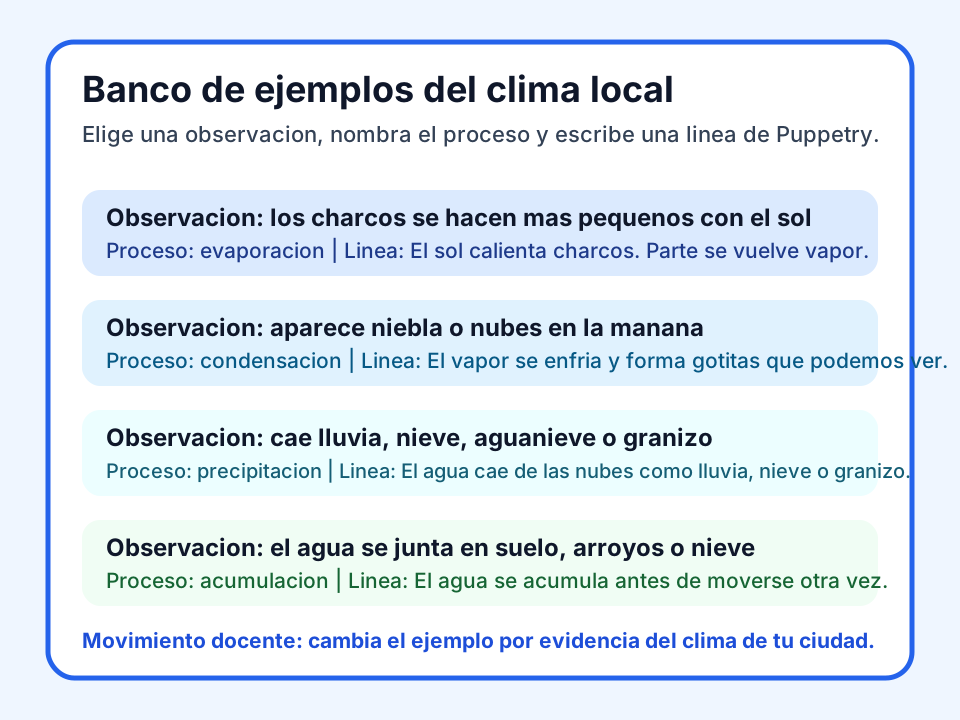
Students use the weather journal and example bank to record local evidence, then write one Puppetry narrator line that connects the model to recent rain, clouds, snow, puddles, or dry weather.
Student explanation
The water cycle is a model for how water moves through the environment. Sunlight can warm liquid water so some of it evaporates into water vapor. Water vapor can cool and condense into clouds. Precipitation falls, and water collects in land, water, soil, or ice before the pattern continues.
Worksheet + assessment
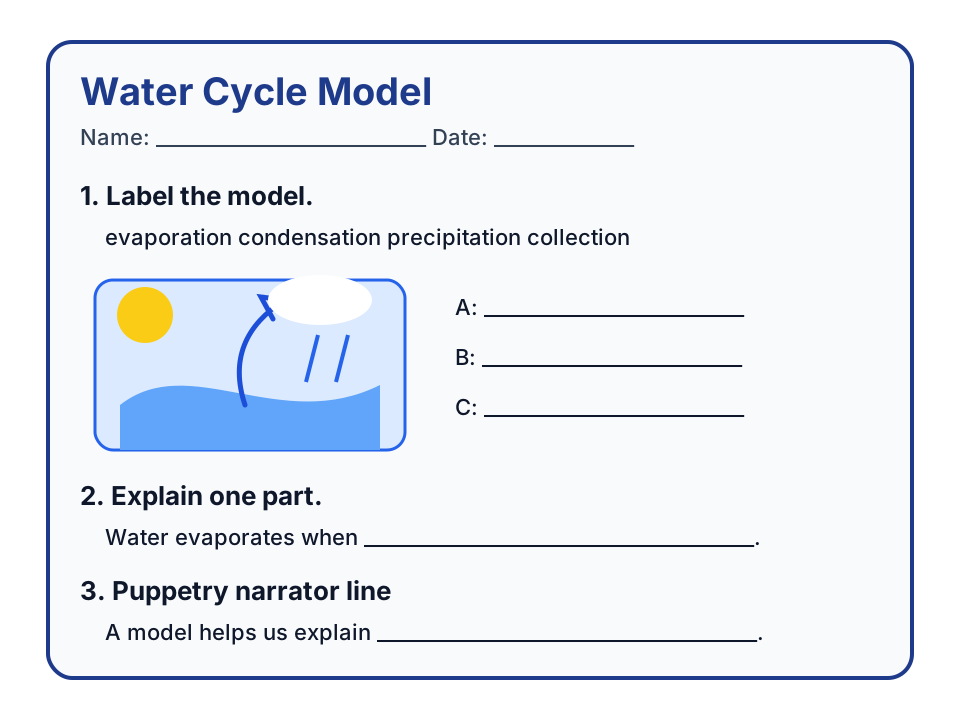
Students label the model, explain one process, and write a Puppetry narrator line that explains what the model shows.
Student worksheet preview
Label the model
Add evaporation, condensation, precipitation, and collection to the diagram.
Explain one process
Complete the sentence: Water evaporates when...
Draft a narrator line
Explain what the model helps us understand before making a Puppetry video.
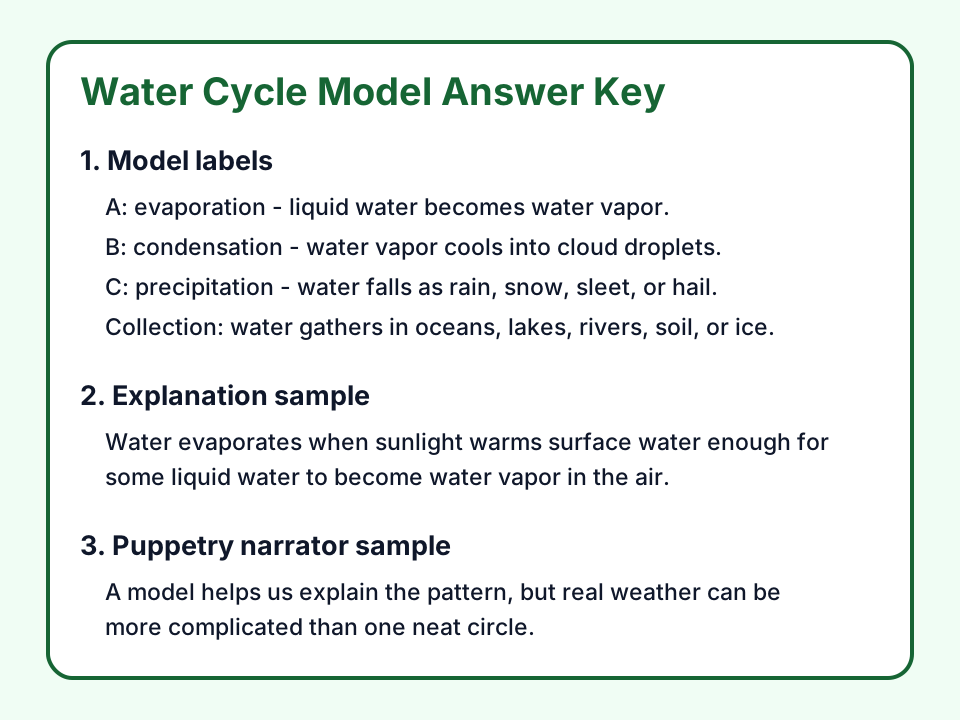
Answer: Liquid water becomes water vapor in the air.
Answer: Water vapor cools and forms tiny droplets, such as cloud droplets.
Answer: Rain, snow, sleet, or hail.
Answer: In oceans, rivers, lakes, soil, ice, or on land.
Answer: It helps explain a pattern, but real weather can be more complicated.
Stations + home connection
Use these add-ons for centers, substitute plans, family review, or quick reteaching without creating a separate activity from scratch.
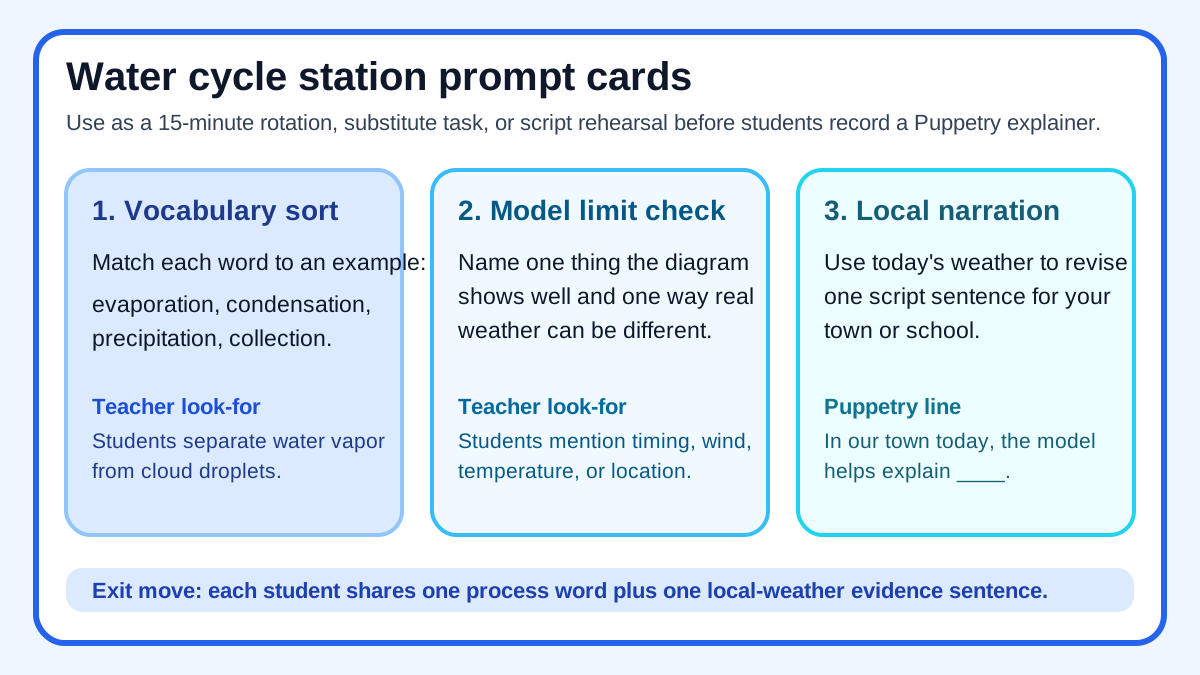
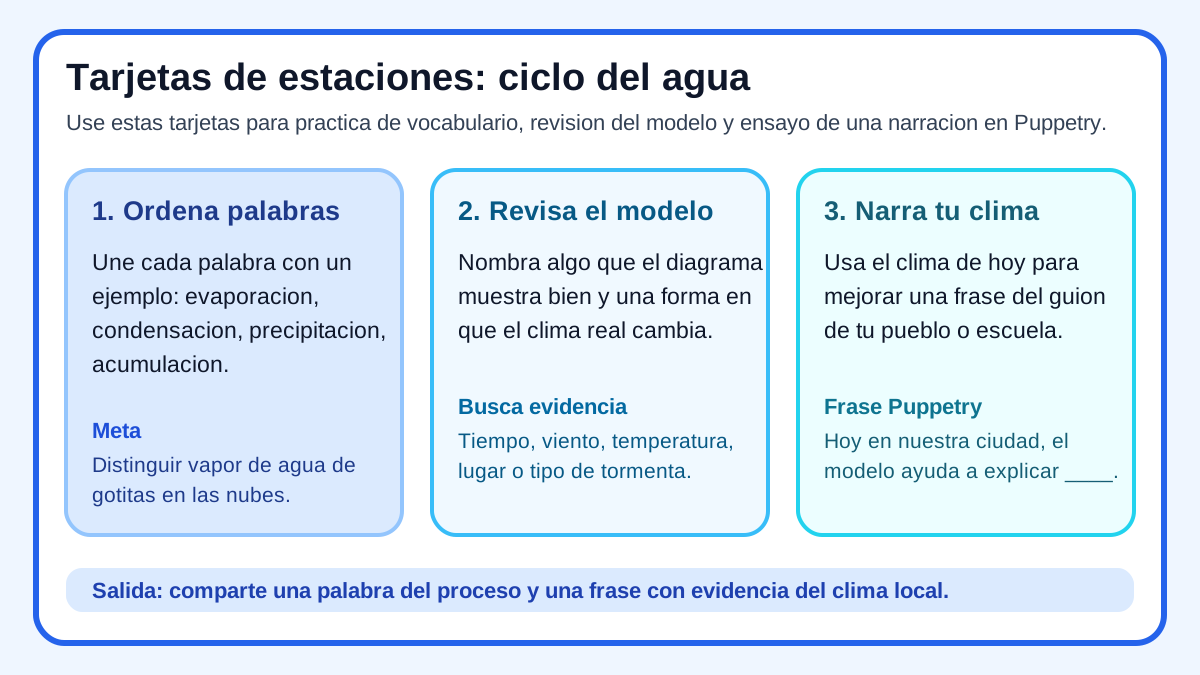
Station card
Students match evaporation, condensation, precipitation, and collection to short examples.
Teacher note: Listen for students distinguishing water vapor from cloud droplets.
Station card
Students name one thing the classroom diagram shows well and one thing real weather does differently.
Teacher note: Push beyond “it is not exact” toward timing, location, wind, temperature, or storm differences.
Station card
Students use the weather journal to revise one script sentence with evidence from their town or week.
Teacher note: This is the customization hook for a Puppetry explainer.
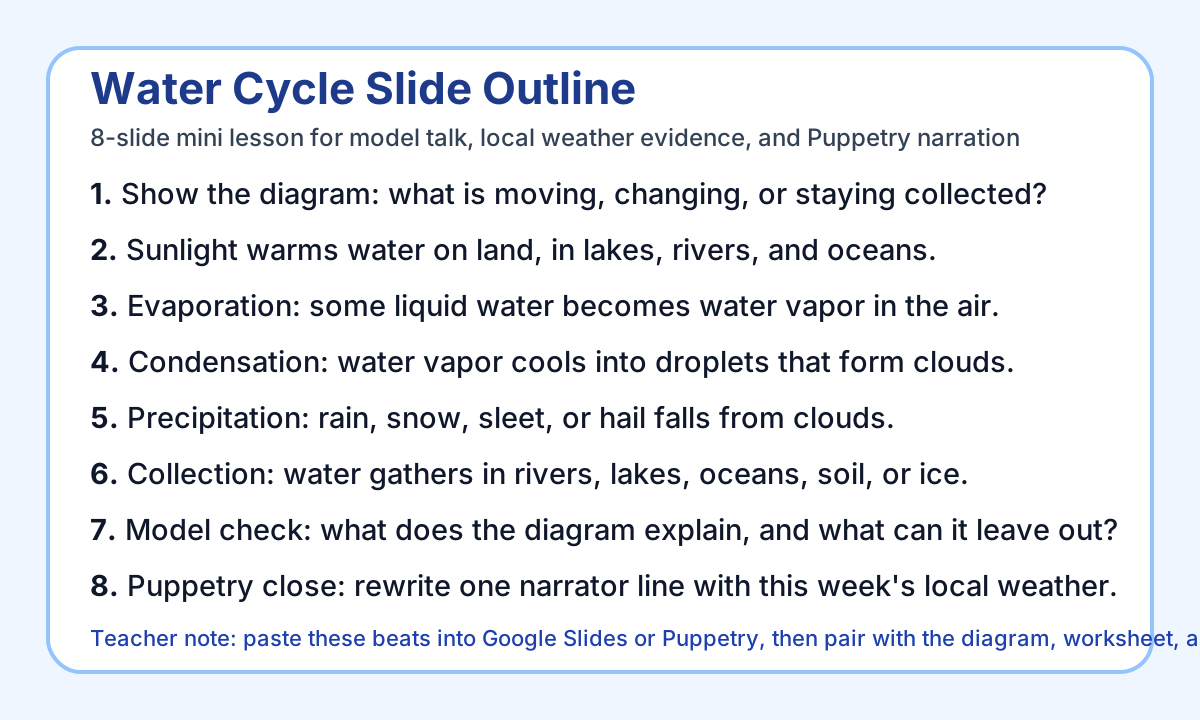
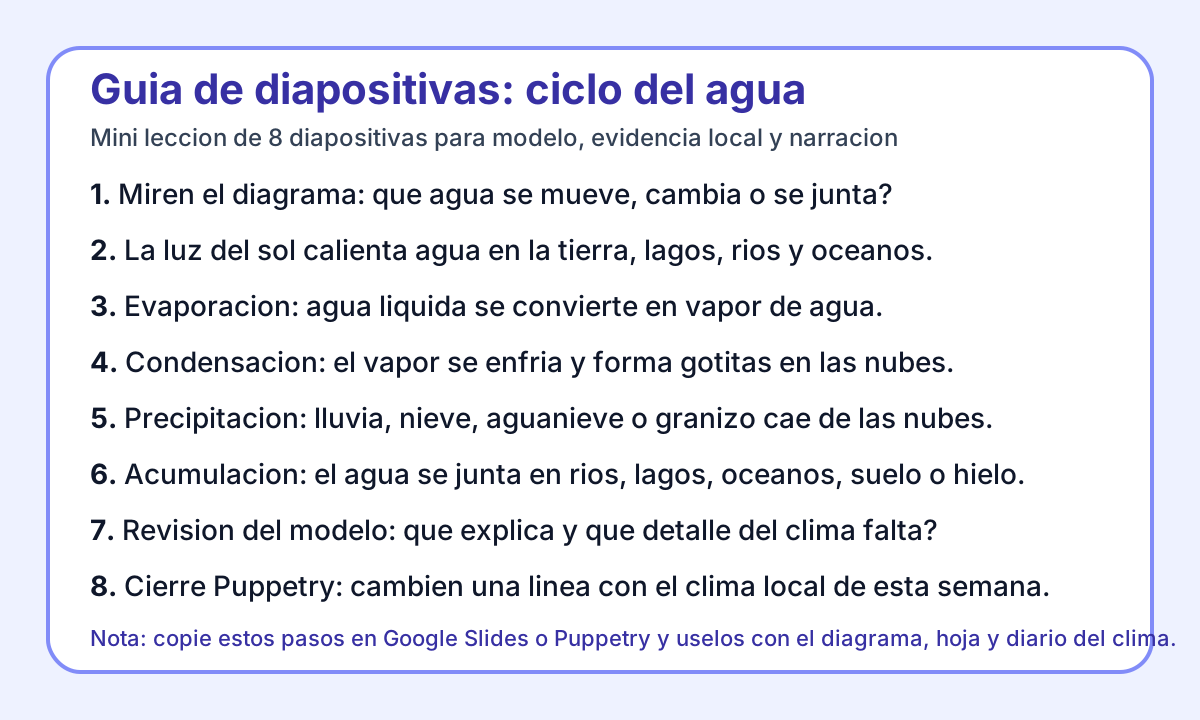
Slide outline
Use this sequence with the diagram on screen and the worksheet in students' hands. It is an artifact flow, not a prescription.
Answer key support
Clouds are made of tiny water droplets or ice crystals in the air.
The diagram is a model; real water can move through many paths and timelines.
Precipitation can be rain, snow, sleet, or hail.
Artifact library
Grab the full set after the core lesson path: printable student work, projectable visuals, teacher supports, Spanish/EL scaffolds, assessment tools, and Puppetry publishing add-ons.
Projectable model with key water-cycle labels
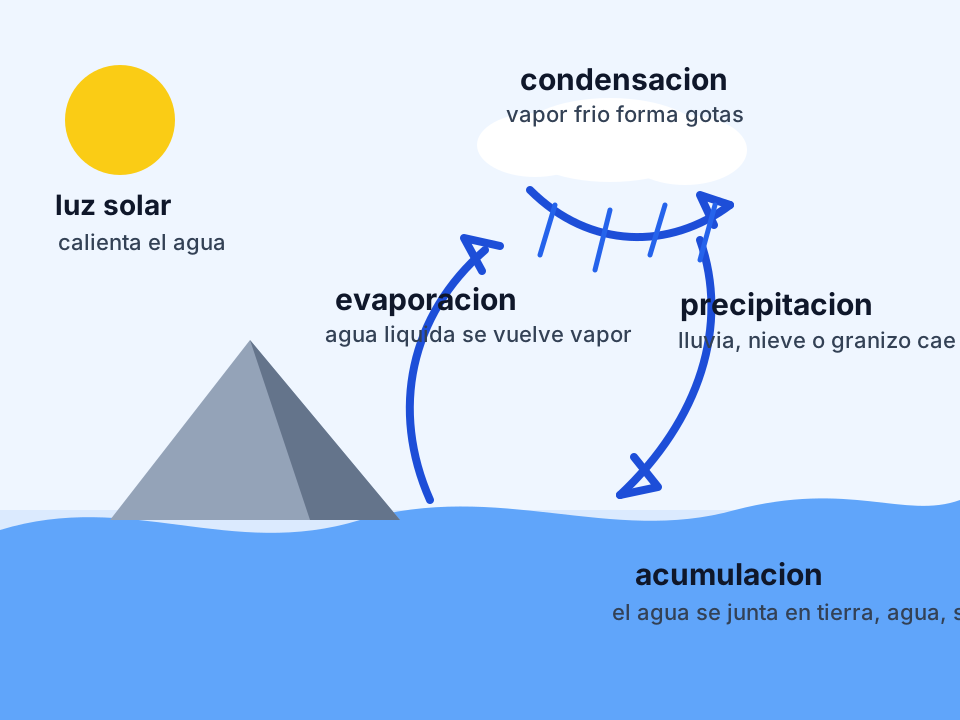
Download Spanish diagramSpanish projectable water-cycle model for EL support
Download worksheetStudent labeling and explanation task
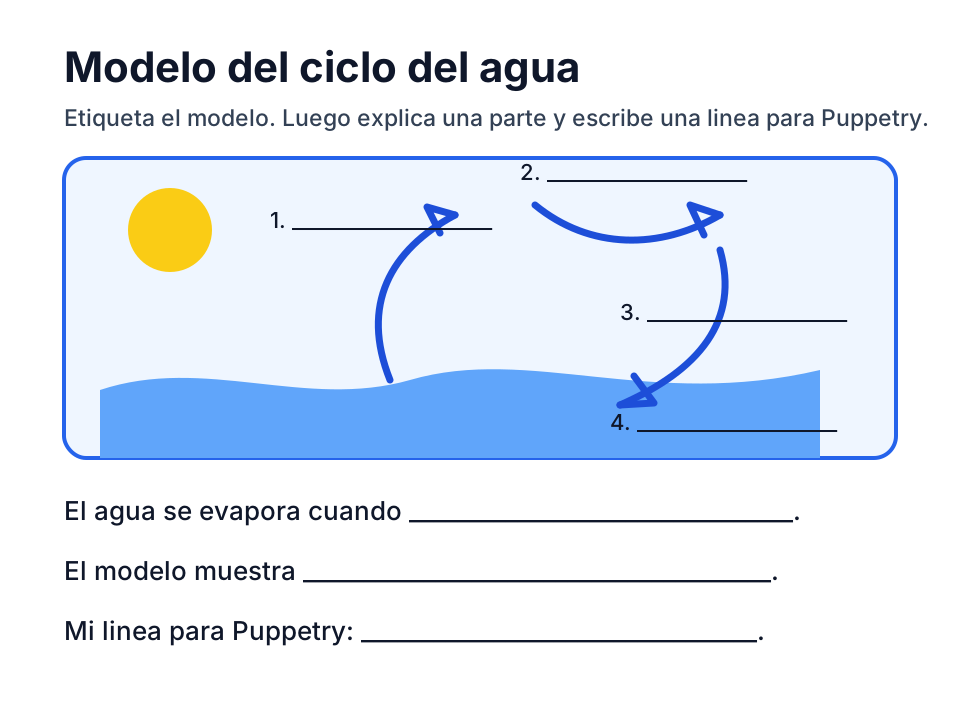
Download Spanish worksheetSpanish model-labeling and explanation task
Download answer keyTeacher key with model-language sample answers
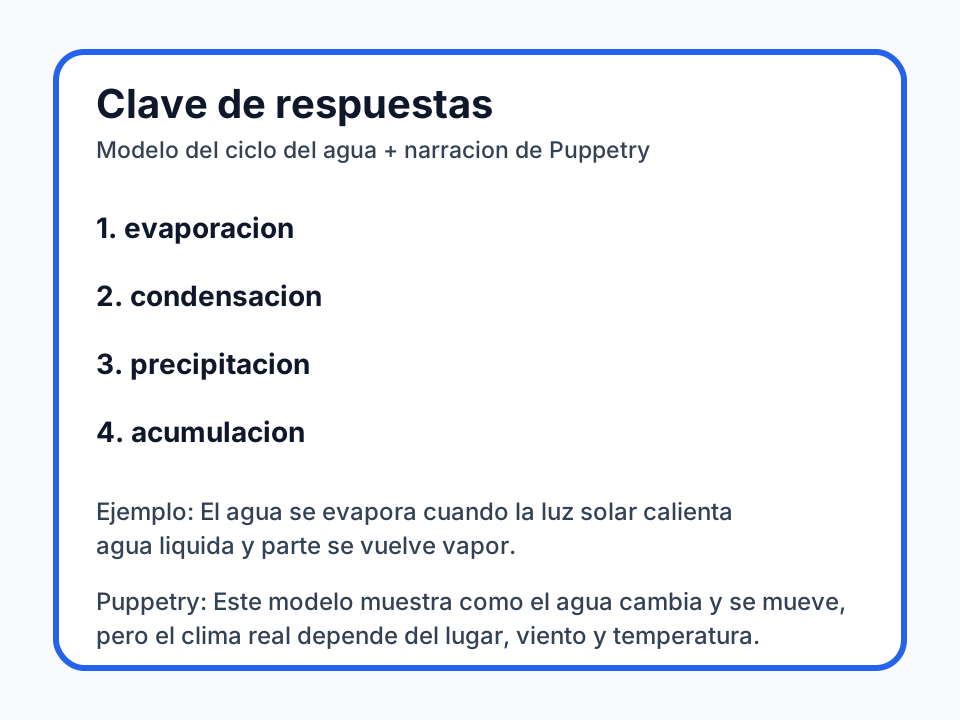
Download Spanish answer keySpanish teacher key with model-language sample answers
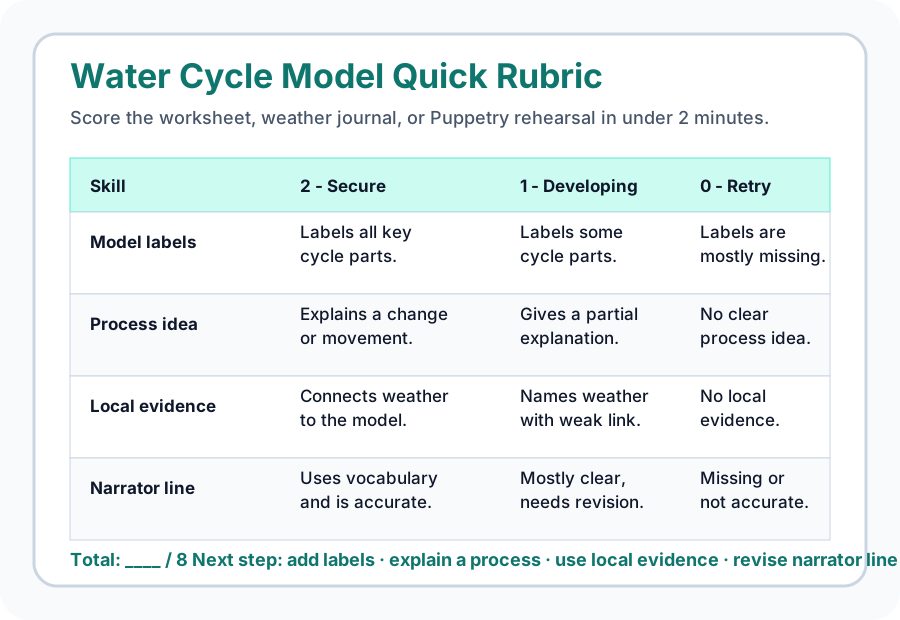
Download quick rubric8-point scoring guide for model labels, process explanation, local evidence, and Puppetry narration
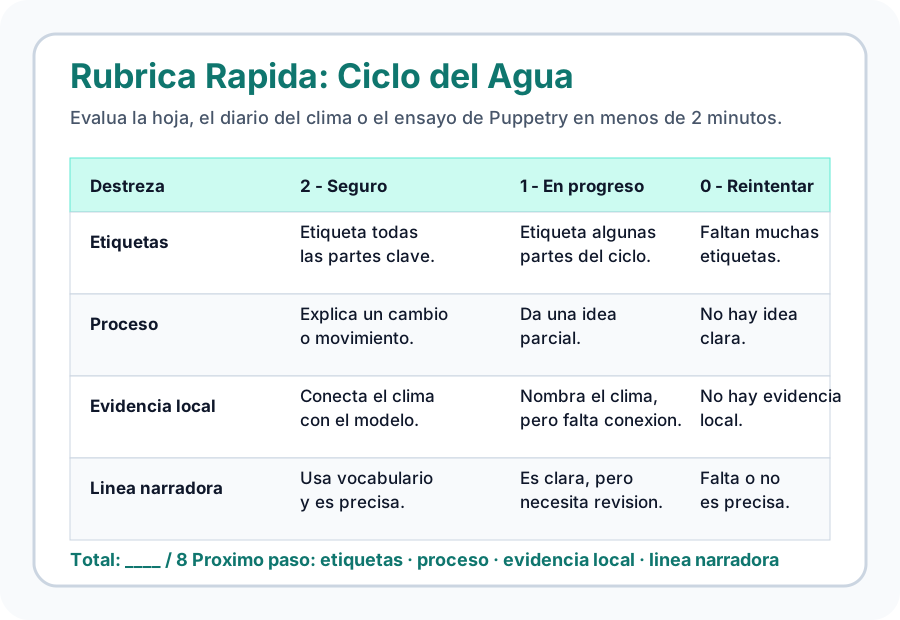
Download Spanish quick rubricSpanish 8-point scoring guide for water-cycle model work and Puppetry narration
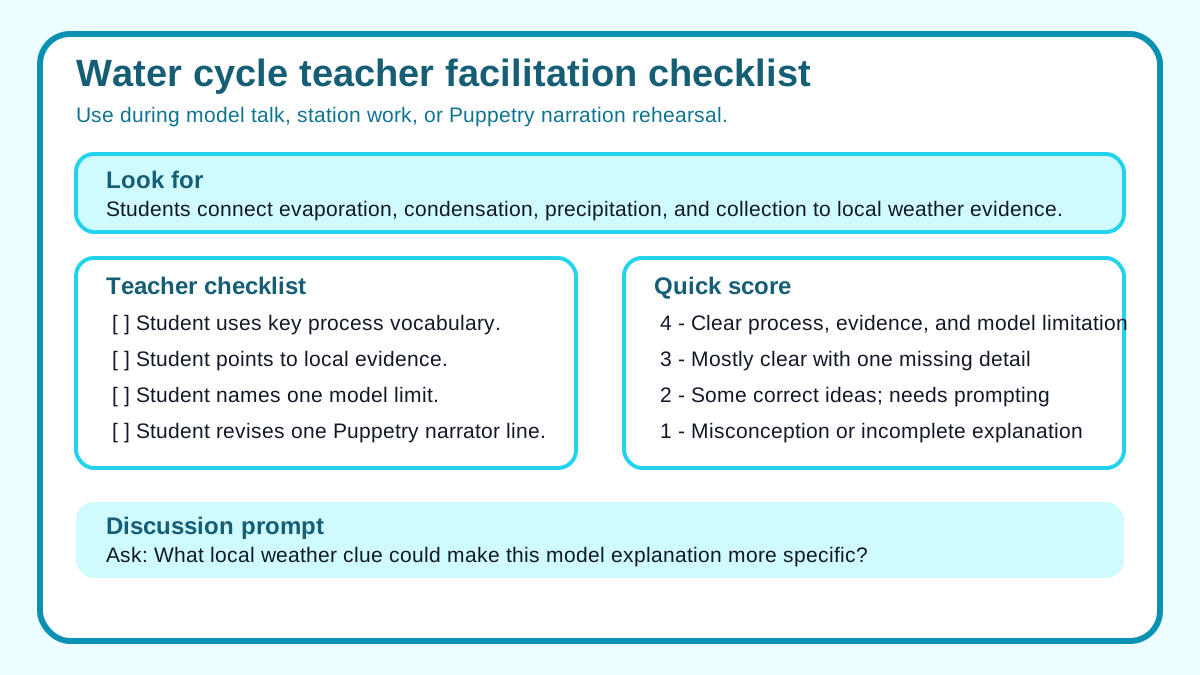
Download teacher facilitation checklistTeacher look-fors and quick score guide for water-cycle model talk and Puppetry rehearsal
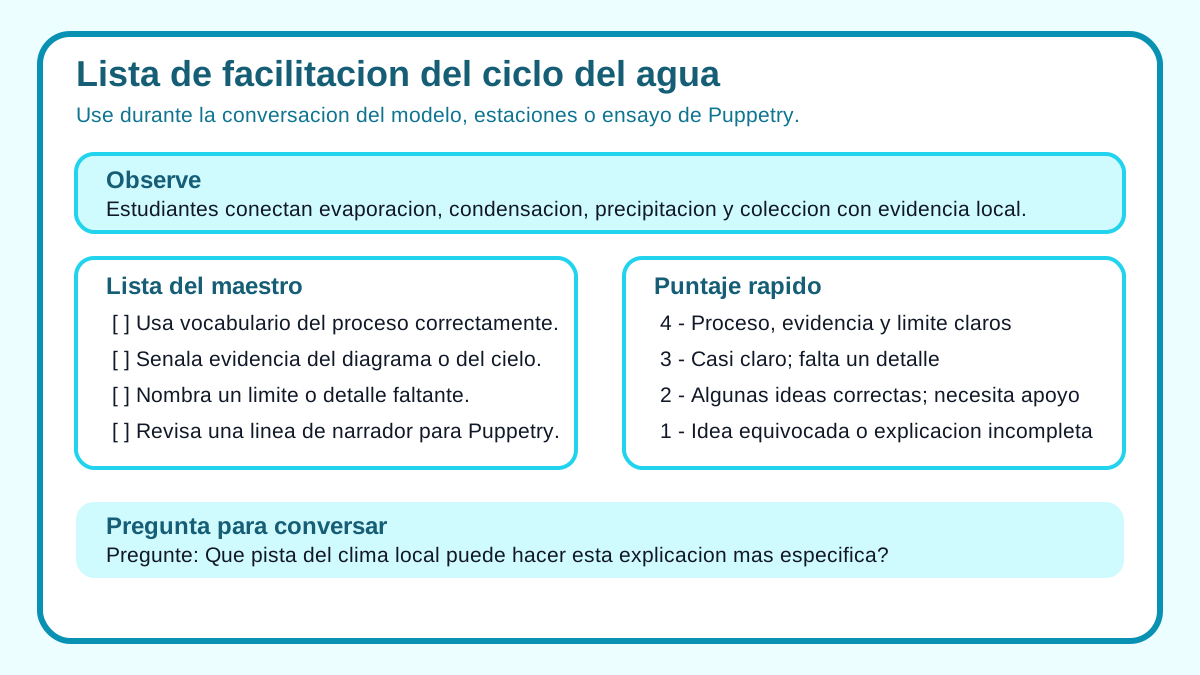
Download Spanish teacher facilitation checklistSpanish teacher facilitation checklist for water-cycle evidence talk and Puppetry narration
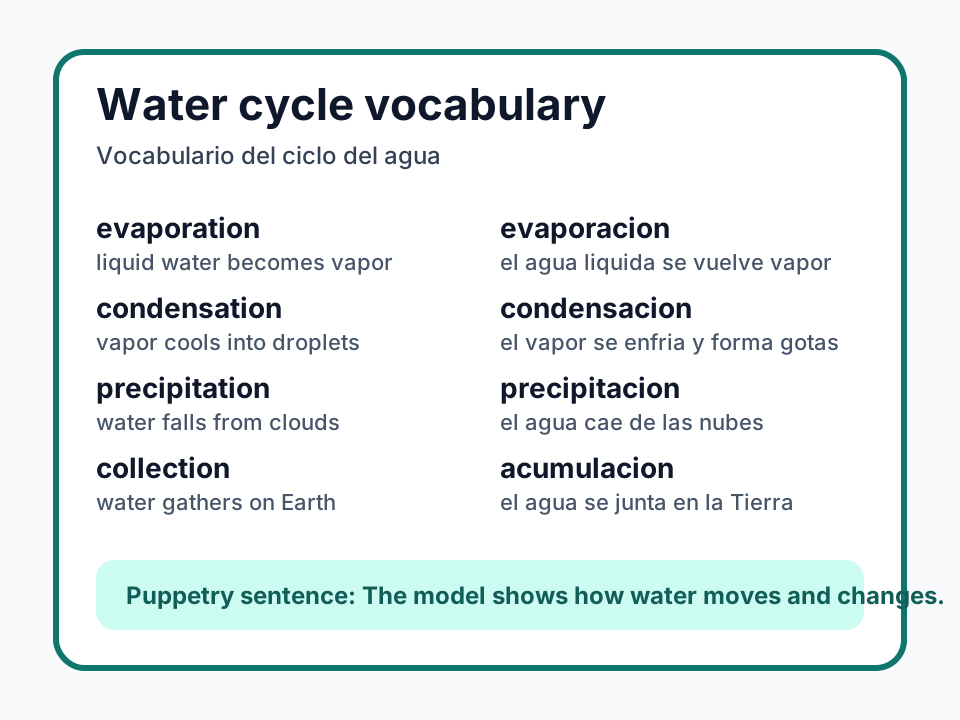
Download bilingual vocabulary cardEnglish/Spanish water-cycle vocabulary for EL support and Puppetry rehearsal
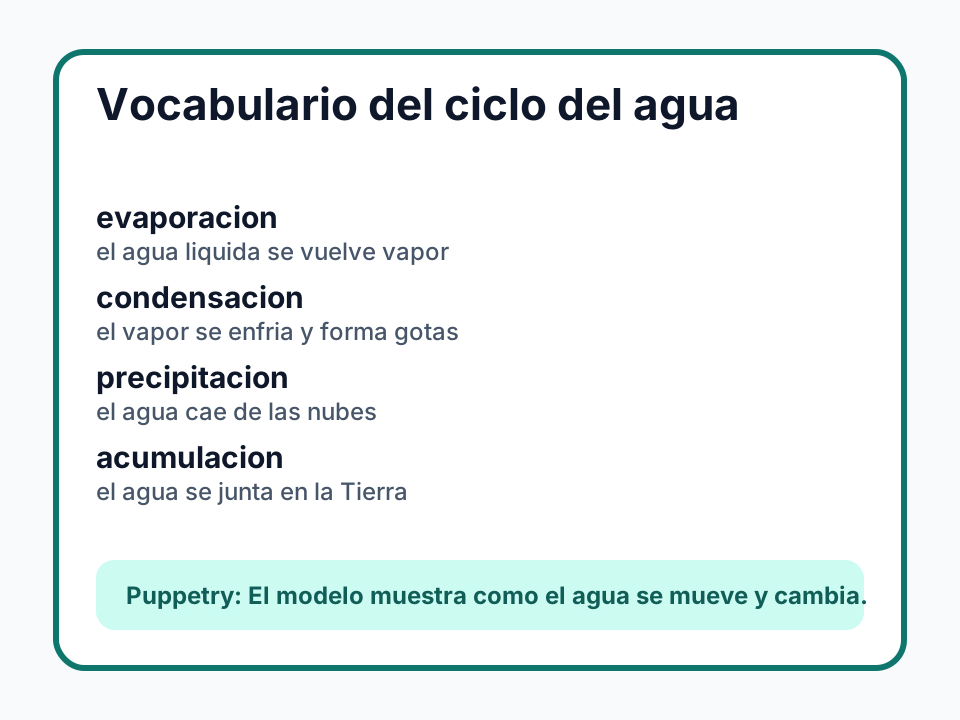
Download Spanish vocabulary cardSpanish water-cycle vocabulary with Puppetry narration support
Open the complete library for additional Spanish/EL, assessment, family, station, and publishing resources.
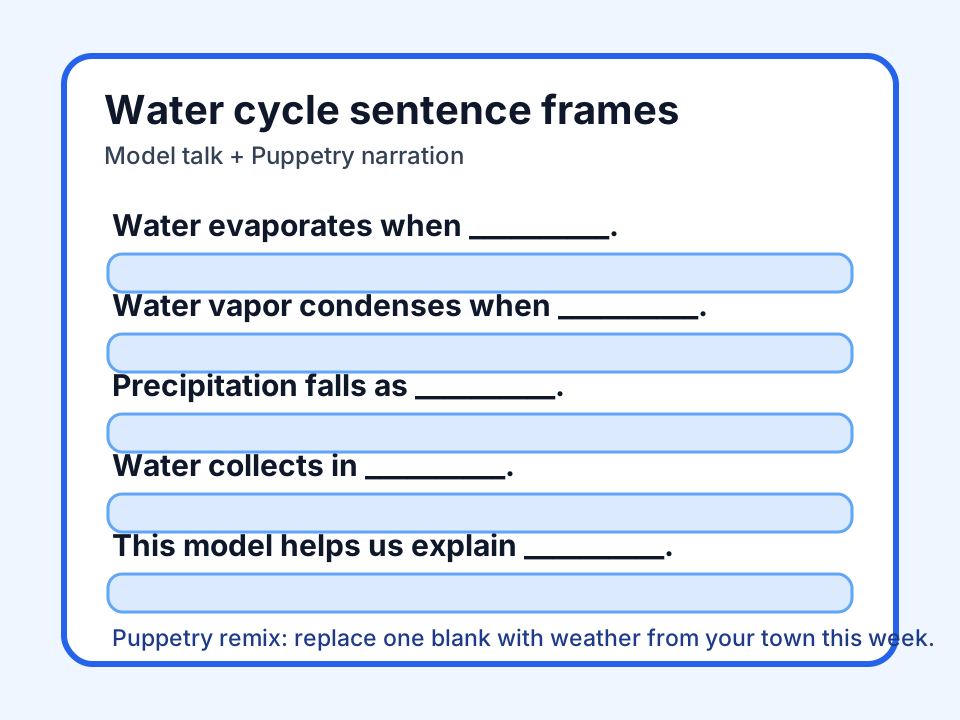
Water-cycle model-talk frames for Puppetry narration and local weather examples
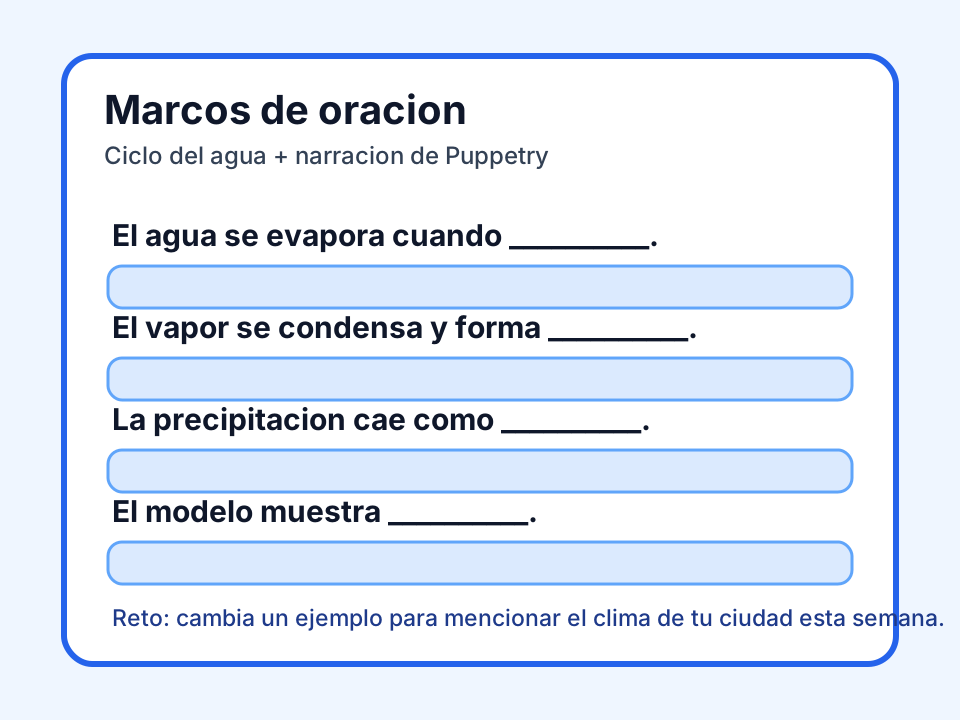
Download Spanish sentence framesSpanish water-cycle explanation frames for model talk and Puppetry narration
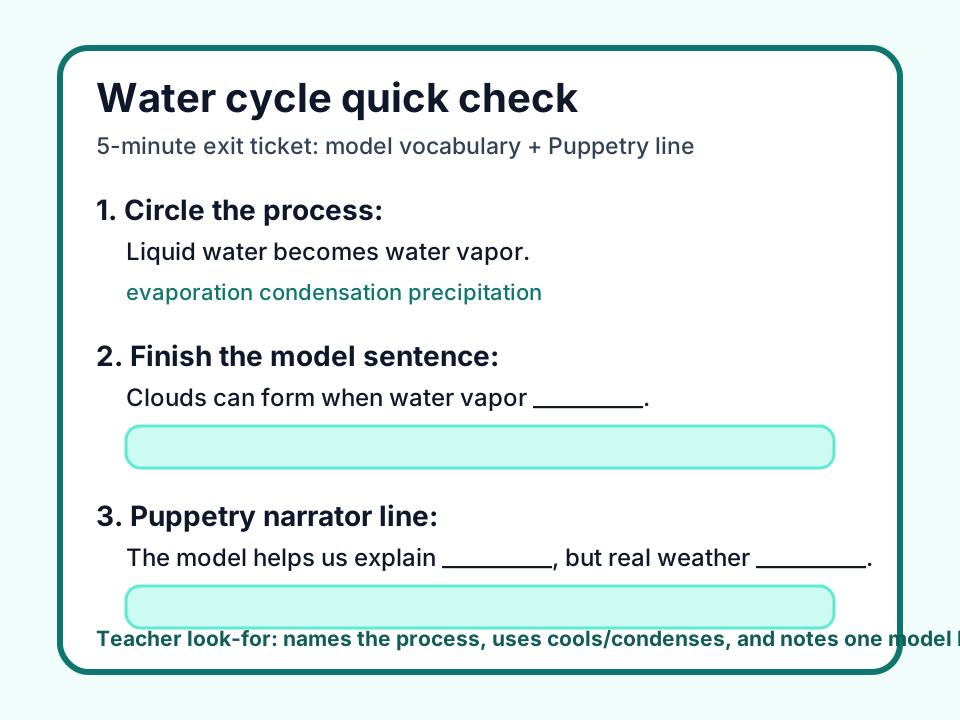
Download quick formative checkFive-minute exit ticket for model vocabulary, limitations, and Puppetry narration
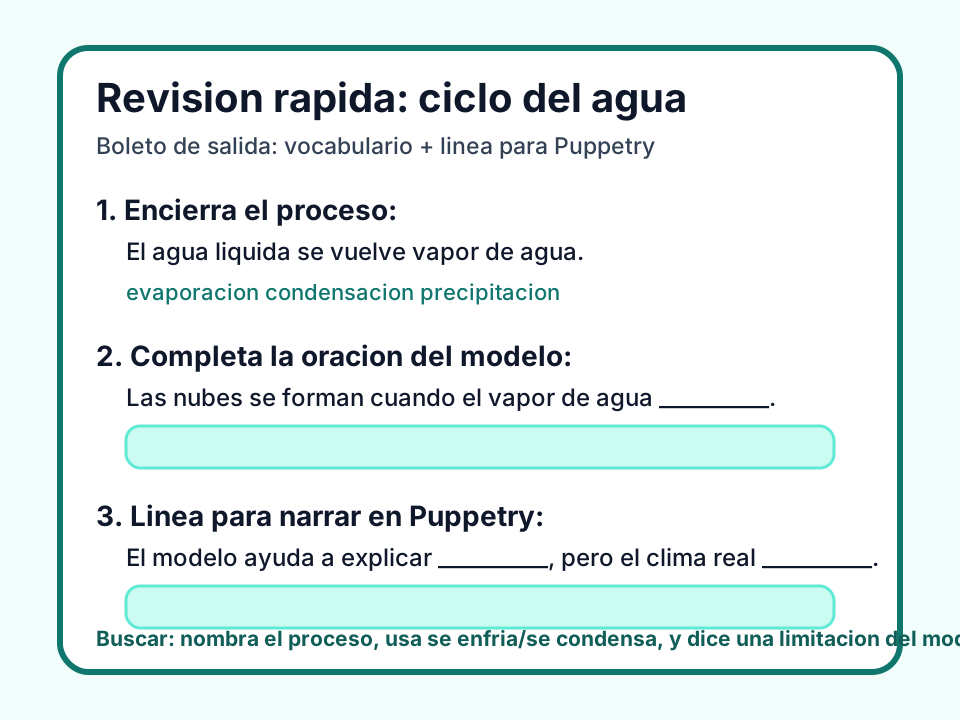
Download Spanish quick formative checkSpanish exit ticket for water-cycle vocabulary and Puppetry narration
Download weather journalLocal-weather observation sheet that turns evidence into a Puppetry narrator line
Download Spanish weather journalSpanish/EL local-weather journal for connecting observations to the water-cycle model
Download local weather example bankTeacher-facing local weather examples mapped to water-cycle processes and Puppetry narrator lines
Download Spanish local weather example bankSpanish/EL local weather examples mapped to water-cycle vocabulary and Puppetry narration
Download slide outlineGoogle Slides-ready lesson beats for model talk, local weather evidence, and Puppetry narration
Download Spanish slide outlineSpanish/EL slide beats for water-cycle model talk and local-weather Puppetry narration
Download station prompt cardsNo-prep station tasks for vocabulary sorting, model limits, and local-weather narration
Download Spanish station prompt cardsSpanish/EL station tasks for vocabulary sorting, model limits, and Puppetry rehearsal
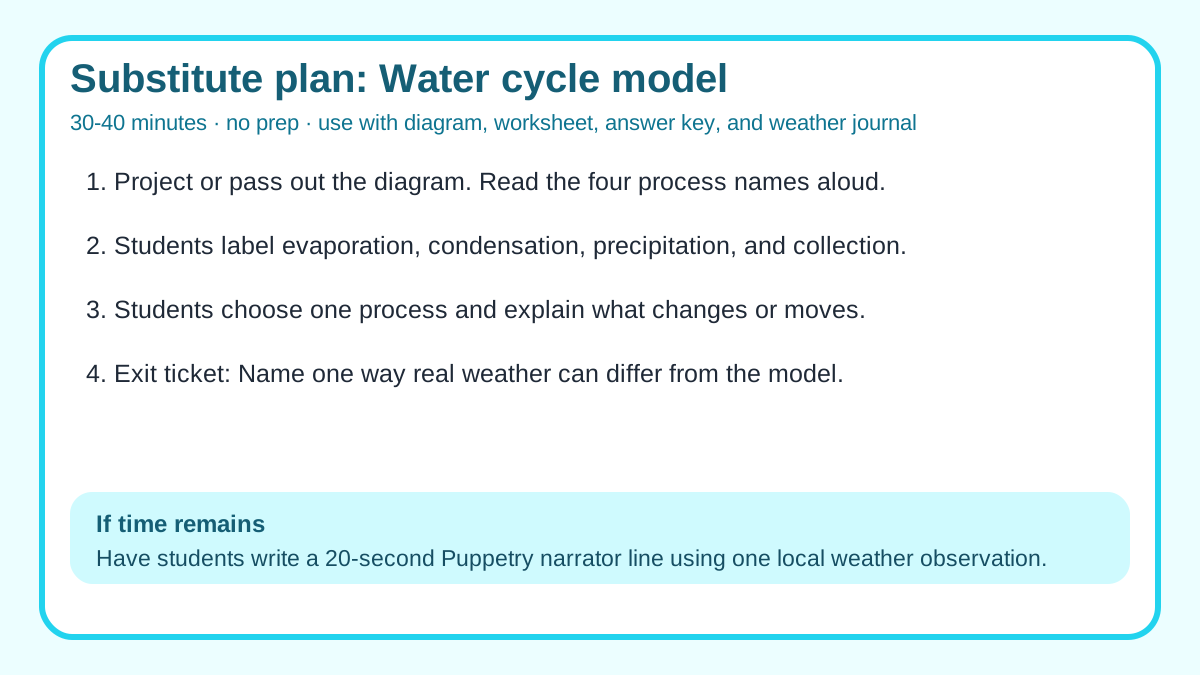
Download substitute planNo-prep substitute plan for a water-cycle model lesson with a Puppetry oral close
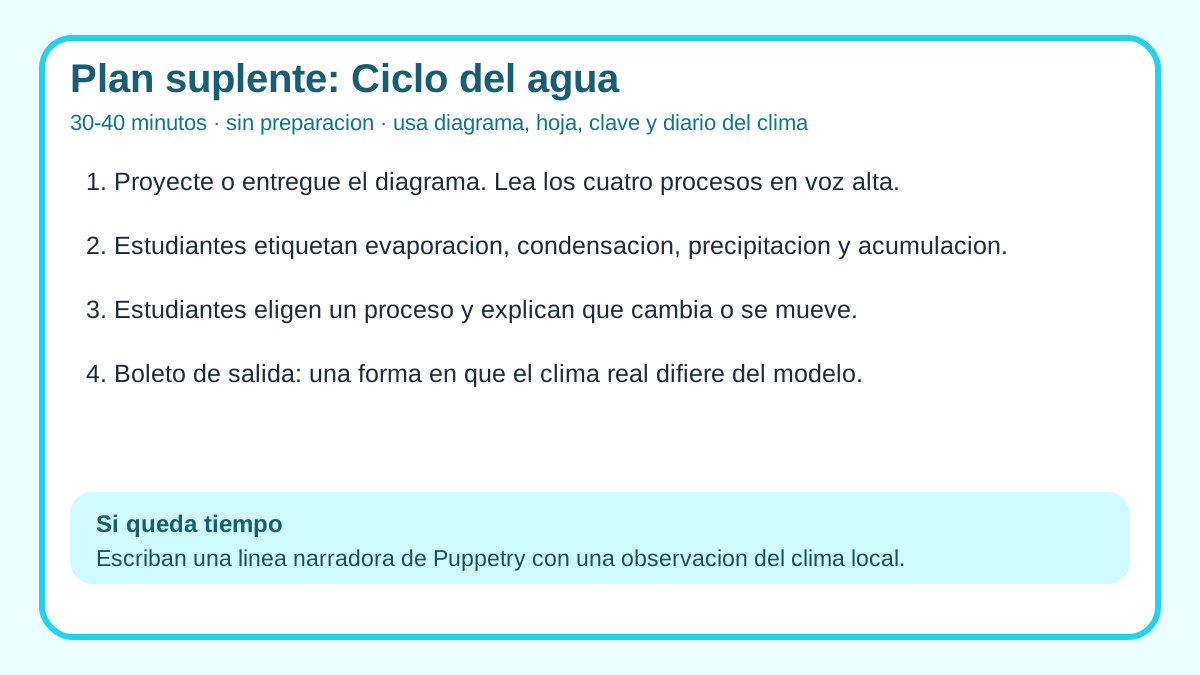
Download Spanish substitute planSpanish no-prep substitute plan for water-cycle vocabulary, model work, and Puppetry narration
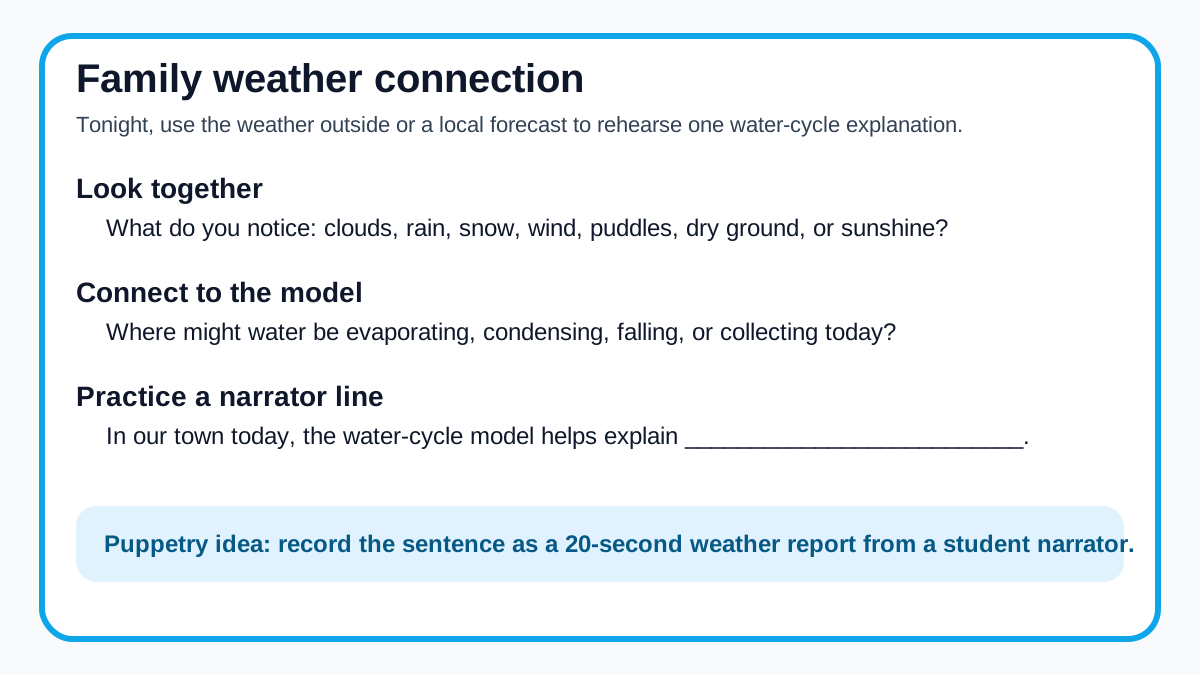
Download family weather noteSend-home prompt that connects local weather to water-cycle vocabulary
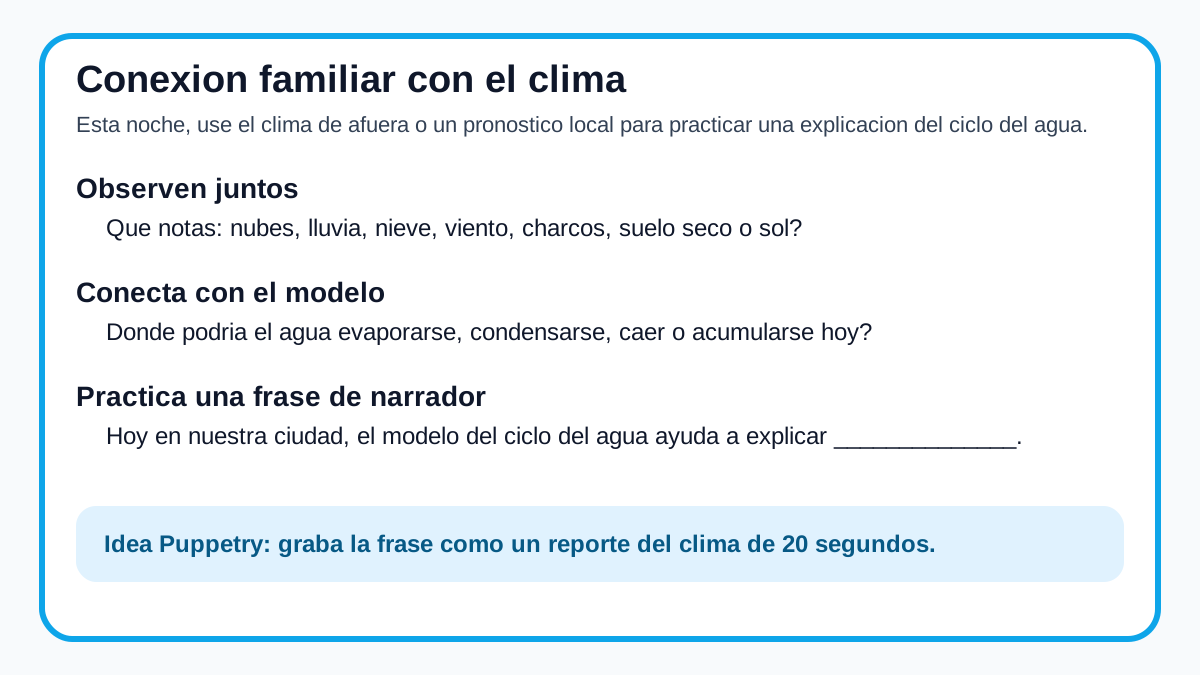
Download Spanish family weather noteSpanish/EL family prompt for observing local weather and rehearsing one narrator line
Related science resources
Weather and climate
Grades 4-6 · Future topic-cluster page
Helps with: connect water movement to weather observations.
Earth systems
Grades 4-5 · Future topic-cluster page
Helps with: model interactions between water, air, land, and sunlight.
States of matter
Grades 3-5 · Future topic-cluster page
Helps with: explain liquid water, water vapor, and droplets.
Forces and motion
Grades K-3 · Published teacher kit
Helps with: extend model-based observation into a fair test.
Open resource →
Make it with Puppetry
Start with the ready-to-run lesson script, then choose a character and classroom voice in Studio.
Prefills 453 characters, within the free-account limit.