How to Use AI for eCommerce
How to use AI for ecommerce? Check out this guide and learn what AI tools can help grow your business today!

Imagine a shopper browsing your online store at 2 in the wee hours of the morning. She asks a quick sizing question and gets an instant answer. She also sees the one product she didn’t know she wanted and checks out before her post-midnight coffee turns icy cold. And nobody on your team is even awake!
That’s the quiet shift happening across online stores right now! And it’s exactly why so many brands are learning how to use AI for ecommerce to sell smarter, support faster, encourage repeat purchases, and grow without ever burning out their teams.
Why AI Has Become Every Store’s Extra Employee
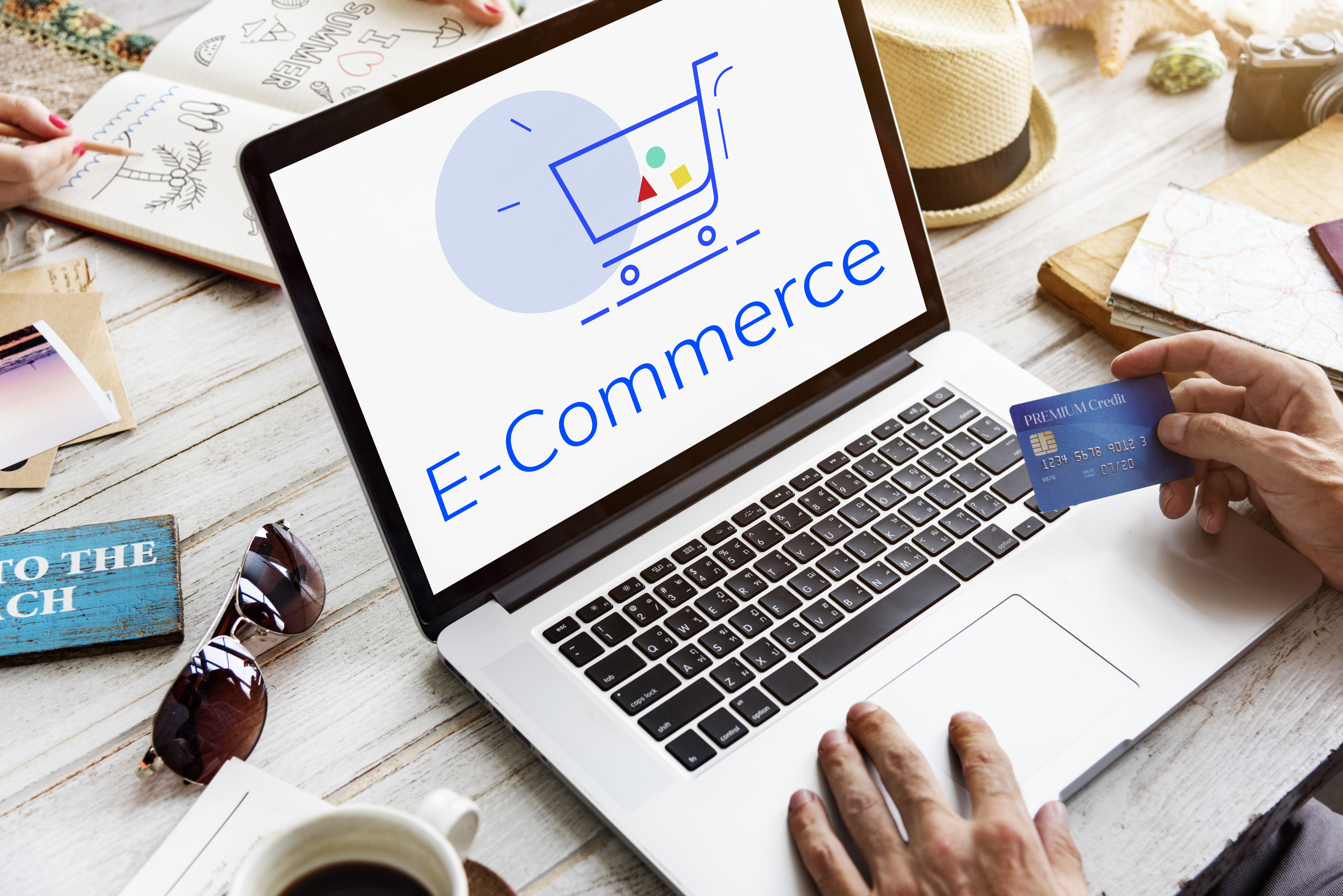
There was a time when running an online shop meant juggling a dozen jobs at once. If you were a solopreneur, you were the one who wrote the product copy, answered the same ten questions on repeat, guessed which items to restock, hoped your ads reached the right crowd, and more.
Now, artificial intelligence didn’t erase those jobs. Instead, it simply made handling these repetitive parts or tasks so ridiculously easier and better. It gave store owners the freedom to focus on strategy, sourcing, and even building a brand that people instantly recognize and effortlessly remember.
And, know what? Shoppers today expect the same instant, tailored experience they get from social feeds and streaming apps.
Give them that, and they’d stick around. Make them dig, wait, guess, or grow frustrated, and they’ll bounce to a competitor in seconds.
This single shift in expectation is why AI in ecommerce has indeed moved from merely being a nice-to-have technology to a must-have survival tool.
Smaller stores are actually in a good position here. A single founder with the right set of AI ecommerce tools can now offer the kind of round-the-clock, tailored service that once demanded an expensive call center and a data science team.
Here’s a secret! The so-called barriers to entry have long been smashed to bits that having the biggest budget no longer matters. Today, AI for online sellers belongs to whoever tests and adopts the right tools first.
Smarter Product Discovery Starts with Better Search

Have you ever wondered where shoppers begin their “buyer’s” journey? Most start with a search on their favorite search engines, like Google.
But did you also know that “search” is where most online stores quietly lose money?
The thing is that generic search bars that only match exact words miss the shopper who types “warm jacket for hiking” instead of your product’s official name. Every one of those missed matches is a sale that walked straight to a competitor’s site instead.
And that’s where AI-powered product recommendations change the game. The right AI tool studies browsing history, analyzes past purchases, and even assesses the time someone spends on a photo. These systems present items a shopper is genuinely likely to buy and not just products that happen to share a keyword.
Online stores with an AI-powered search engine often see a noticeable improvement in their average order values. Why? The right item appears at the right moment, which is right when a shopper is already reaching for their wallet.
AI visual search complements search recommendations, too, allowing shoppers to snap a photo of an item (like a jacket they liked on the street) and instantly find similar pieces in your catalog without ever typing a single word.
And if you’re simply in no mood to snap the digital shutter button or type in a few words, you can always do AI voice search. Netizens’ favorite? “Find me a birthday gift!”
With that, your store starts meeting customers exactly where they already are instead of forcing them to adapt to a rigid search box.
These three AI-powered ecommerce tools (text search + visual search + voice search) turn browsing from a chore into something closer to a conversation. And did you know 21st-century shoppers reward stores that make discovery feel effortless with longer sessions and fuller carts?
Round-the-Clock Support without Round-the-Clock Staffing
Have you ever met a modern shopper who’s willing to wait three days for an email reply about a return policy? In a world of instant messaging, that would be a rarity!
Enter AI chatbots! They’re today’s ever-dependable customer service frontliners, answering shipping questions, tracking orders, walking shoppers through sizing charts at any hour, and performing nearly every imaginable customer service action. Moreover, language is never an issue. They don’t demand a coffee break or a swap in shift schedule.
The best versions today don’t feel robotic either. Many stores are pairing text-based bots with talking digital, on-brand avatars. They give customer support a face and a voice instead of a wall of gray chat bubbles.
Small ecommerce teams can easily build an AI customer support agent and deploy this friendly digital rep to handle routine questions while human staff focuses on the trickier, higher-value conversations that demand a real person’s judgment.
Although your team won’t be manning the customer support lines around the clock, shoppers will still get a warm, human-feeling interaction.
Pricing and Stock that Adjust Themselves

We’ve got to admit. Manually updating prices across hundreds of SKUs every time a competitor changes theirs is a losing game (besides being absolutely insane!). Most store owners simply don’t have the hours (and patience) to check rival pricing every day.
Enter AI-powered dynamic pricing tools. These systems watch competitor rates, spikes in demand, and even weather patterns before nudging your prices up or down within the limits you’ve set. So, you’re never leaving money on the table during a rush or sitting on dead stock during a lull.
You’ll notice improvements in your backend, too. AI powered inventory management tools can analyze seasonal trends and the speed of past sales to create a more accurate, realistic forecast about demand. And it warns you weeks before a bestseller runs out or a slow mover ties up your warehouse space.
These two AI ecommerce software quietly protect your profit margins while you sleep. They catch problems long before a human glancing at a spreadsheet ever would.
A store that once needed a full-time (and costly) analyst to spot these patterns can now get the same insight from a dashboard that updates itself overnight.
Words that Sell: Letting AI Draft the First Pass
Running an ecommerce business requires more than slapping products on your page. You’ve got to create content, too, specifically product descriptions.
Every new product. Every category page. Every email blast. You’ll need to write copies. And this workload multiplies fast once your catalog grows beyond a couple hundred items.
AI-generate product descriptions can handle the first draft, pulling details from a spec sheet or even a quick bullet list and turning them into a copy that reads like you personally wrote it (or someone you hired to do the job). It’ll complete the copy with the right tone for your brand and the keywords your customers are already searching for.
Let’s be clear! AI doesn’t replace a skilled writer’s judgment. Instead, it removes the blank page problem and frees up hours that used to disappear into repetitive listings.
AI can also handle localization for ecommerce, adapting your copy (and even video scripts) for shoppers in different countries without ever hiring a translator for every language you sell in.
So, your store can sell to virtually any customer around the world, confident that your brand speaks the local market fluently.
Video Content: Your Newest, Tireless Salesperson
We all know that product listings with video are more effective at converting visitors into buying customers than those with photos alone. The problem? Filming has always been a bottleneck!
You hire actors, book a studio, write the script, edit footage, and finalize the copy. A small store can literally run several days (if not weeks) just to create a single product video. Costs can add up fast too, especially if you’re making videos for tens of items at once.
That’s why more and more online sellers are now turning to AI product videos built for ecommerce. These AI video creators (like Puppetry) turn a single product photo and a short script into a polished AI talking head video ready for TikTok, Shopify, Amazon, Facebook, and other virtual marketplaces in minutes.
Call it personalized video marketing. It lets you generate different versions of the same pitch for different audience segments. With AI, you can test the tone, script, and even the presenter’s voice to see what actually drives clicks.
Unsurprisingly, many brands now treat video the way they treat email: that’s something they can segment, test, and scale instead of being a mere one-off production event.
Once your store finds a script and AI avatar style that clicks with shoppers, you can focus on volume. AI video generators (like Puppetry) help you scale up your video production and turn one winning video into dozens. You can cover onboarding clips, seasonal promotions, and even post-purchase thank-you messages without ever hiring a video team.
You can always choose your AI avatar or digital puppet to represent your brand in these videos. Want realistic presenters? How about stylized characters? Pick one (or create one) that fits your kind of store perfectly.
Catching Lost Sales Before They Disappear
Did you know that 7 in 10 shoppers (70.22%) abandon their online shopping carts even before checking out? Among their reasons? Most weren’t ready to buy (merely browsing), while some found the extra costs (like shipping, etc.) too high.
Others couldn’t trust the site with their credit card or found the checkout process too long or complex.
The sadder part? Most of these shoppers never come back on their own.
AI powered predictive analytics flags the visitors most likely to leave without buying. How? AI analyzes scroll behavior, time spent on the page, and even past purchase patterns.
Such a system can trigger a well-timed discount code or reminder email at precisely the right moment instead of blasting every visitor with the same generic offer.
The same forecasting engines can flag which products are trending upward weeks before a spreadsheet would show it. And that gives smaller online stores a fighting chance against retailers with bigger data teams and budgets.
Your store benefits from AI-powered fraud detection too. These systems learn what a normal transaction from a normal customer looks like. And that allows them to quietly flag the odd one out before it becomes a costly chargeback.
It’s the kind of quiet protection that rarely gets noticed until you begin comparing your losses against an online store that doesn’t have such a system.
Final Words
Learning how to use AI for ecommerce effectively will differentiate your store from those that merely scrape by. You can quickly adapt to how customers actually shop on your store. And they’ll reward you for it, making scaling so much easier and more fulfilling.
So, start with one tool, be it a Chatbot, a recommendation engine, or even an AI talking head product video. Measure the results and build from there. Treat this shift as an experiment, not a chore, and your ecommerce store will thrive even when the next wave of change arrives.
Keep reading
More from the blog on the same topic.
![How to Use AI for Coaching in 2024 [+ 6 AI Tools for Coaches]](/images/how-to-use-ai-for-coaching-I3Mz.webp?dpl=dpl_2YKsatLwj9PJ7v4ofLaKLnmQ8mPj)
How to Use AI for Coaching in 2024 [+ 6 AI Tools for Coaches]
Discover how to use AI in your coaching business and leverage its power to scale this year! Read more in this article today!

ChatGPT: How to Use an AI Writing Assistant for Puppetry
Mastering how to create effective prompts for animated presenters and avatars is essential to getting the most out of Chat GPT Puppet Maker. Read here today!
AI for Freelancers: How to Stay Updated & What to Learn 2024
Are you a freelance content creator? Keep up with the changes and improve your AI knowledge. Here's how to stay updated with AI and what you can learn from it.
Ready to create talking videos that hold attention?
Start with a script, pick a puppet, and share a finished video in minutes. Free to try, no credit card required.