Print student work
Start with the worksheet, answer key, and quick checks when you need an independent task or absence catch-up.
Teacher-ready science resource · Grades 3–5
Download a student worksheet, answer key, and projectable life cycle diagram for a seed-to-flower lesson teachers can use immediately.
Supplemental unit support
Fit this grades 3–5 kit around the sequence your school already uses. It is built for quick print-project-assign moments, not as official curriculum or a replacement for district materials.
No district, state, publisher, or curriculum-provider affiliation is implied. Treat Puppetry as the explanation and artifact layer around your adopted lessons, investigations, and classroom discussions.
Start with the worksheet, answer key, and quick checks when you need an independent task or absence catch-up.
Use the diagram, vocabulary, and anchor-chart supports while students point to evidence and explain the idea aloud.
Pair the station cards, family note, or substitute flow with your existing unit routine instead of rebuilding the lesson.
Paste the script into Puppetry, adjust vocabulary or language support, and create a short classroom video for replay.
Classroom explainer
Optional read-aloud copy that supports the printable kit. The core teacher artifacts are the worksheet, answer key, and diagram above.
Puppetry script
How does a plant life cycle repeat?
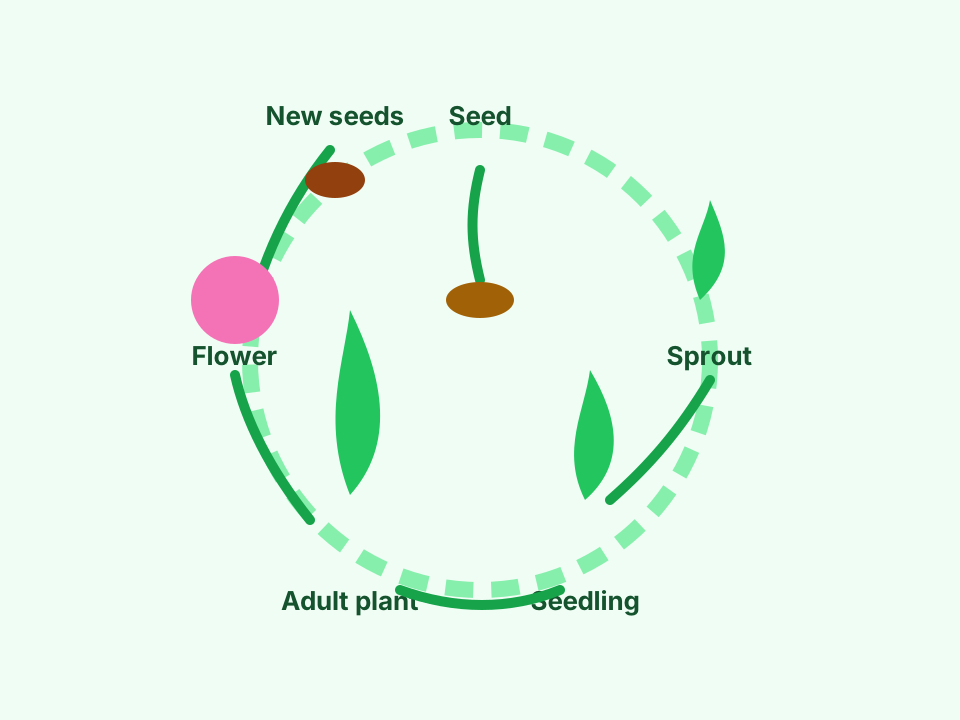
A calm classroom narrator can walk through seed, sprout, seedling, adult plant, flower, and new seeds before students order the stages.
Script ready · Dedicated Puppetry embed needed
Make this classroom explainer
Open a runnable excerpt in Text Studio, then choose a character and classroom voice.
Prefills 487 characters, within the free-account limit.
Teacher jobs to be done
The page should help a busy teacher grab usable materials first, then adapt the flow only if they want to.
Use the worksheet PDF for sequencing, arrows, and a short explanation prompt students can complete independently.
Show the cycle visual while students check the order of seed, sprout, seedling, adult plant, flower, and new seeds.
Open the answer key PDF to check stage order, arrow direction, and whether students explain why the cycle repeats.
Student explanation
A plant life cycle is the pattern of how a plant begins, grows, and makes new plants. A seed can sprout, grow into a seedling, become an adult plant, make flowers, and produce new seeds. Those seeds can start the cycle again.
Worksheet + assessment
The worksheet is the student-facing artifact: students order the stages, draw arrows to show the repeating cycle, and explain how seeds start the next generation.
Student worksheet preview
1. Order the stages
Number seed, sprout, seedling, adult plant, flower, and new seeds.
2. Show the cycle
Draw arrows to show how the final stage can lead back to the first stage.
3. Exit ticket
What stage comes after a flower, and why does the cycle repeat?
Answer: A seed.
Answer: A seedling.
Answer: Flowers.
Answer: New seeds.
Answer: Because new seeds can begin the pattern again.
Stations + home connection
Use these add-ons for centers, substitute plans, family review, or quick reteaching without creating a separate activity from scratch.
Station card
Students arrange seed, sprout, seedling, adult plant, flower, and new seeds, then add arrows.
Teacher note: Look for a loop, not a line; the final card should point back to the beginning.
Station card
Students choose two neighboring stages and describe what changed between them.
Teacher note: Push for observable evidence: roots appear, leaves grow, flowers form, or seeds are made.
Station card
Students answer: “How can new seeds begin the plant life cycle again?”
Teacher note: Use as a quick formative check before moving into plant needs or photosynthesis.
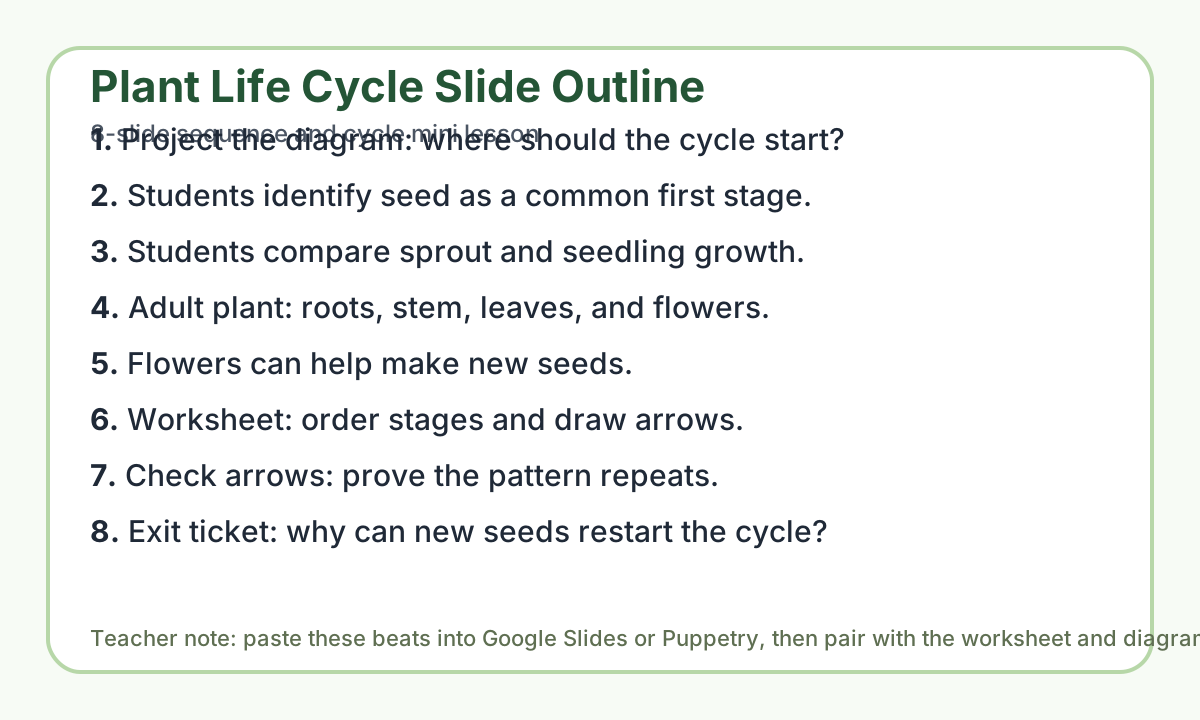
Slide outline
Use this sequence with the diagram on screen and the worksheet in students' hands. It is an artifact flow, not a prescription.
Answer key support
It is a repeating cycle because new seeds can start the pattern again.
Plants grow at different rates depending on the plant and conditions.
Flowers can help make seeds, and seeds can grow into new plants.
Artifact library
Grab the full set after the core lesson path: printable student work, projectable visuals, teacher supports, Spanish/EL scaffolds, assessment tools, and Puppetry publishing add-ons.
Projectable or printable cycle visual
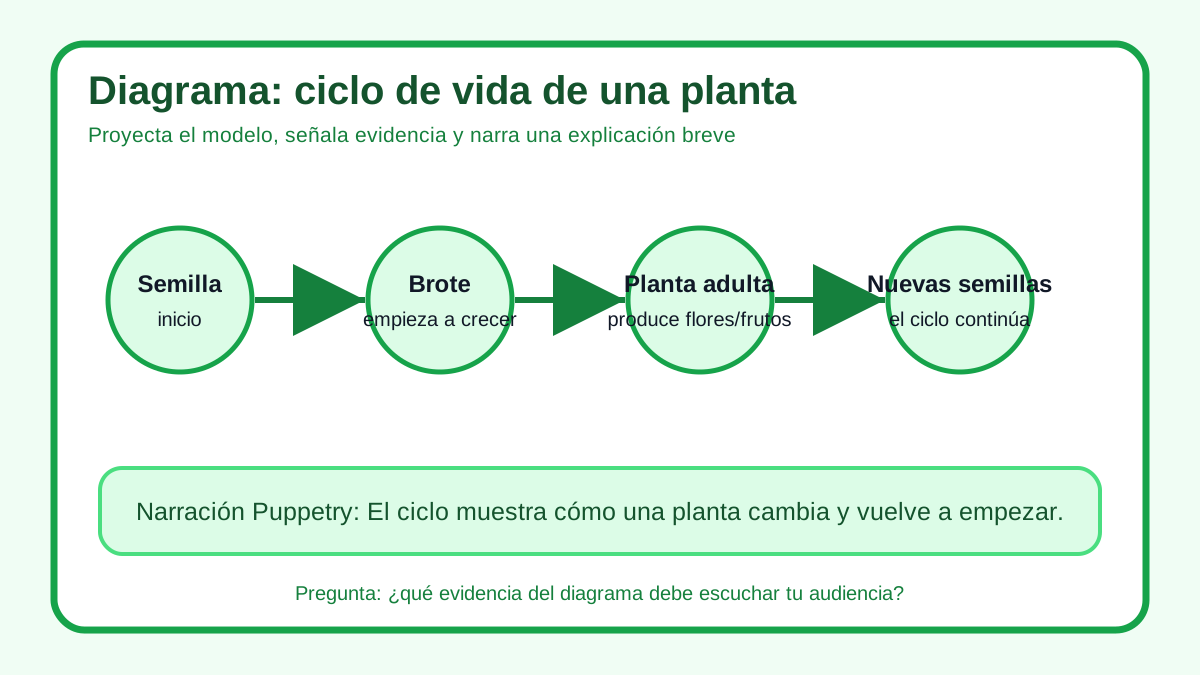
Download Spanish diagramSpanish projected diagram for narrating plant life-cycle stages with Puppetry
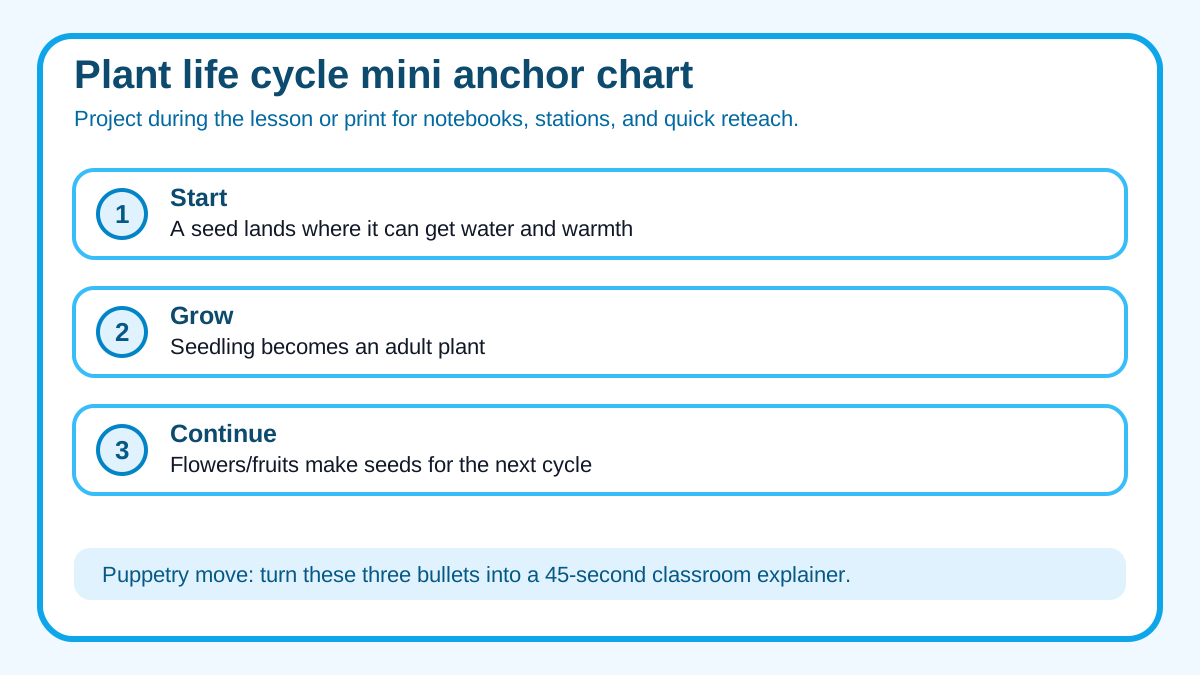
Download mini anchor chartCompact projectable review chart for stations and notebooks
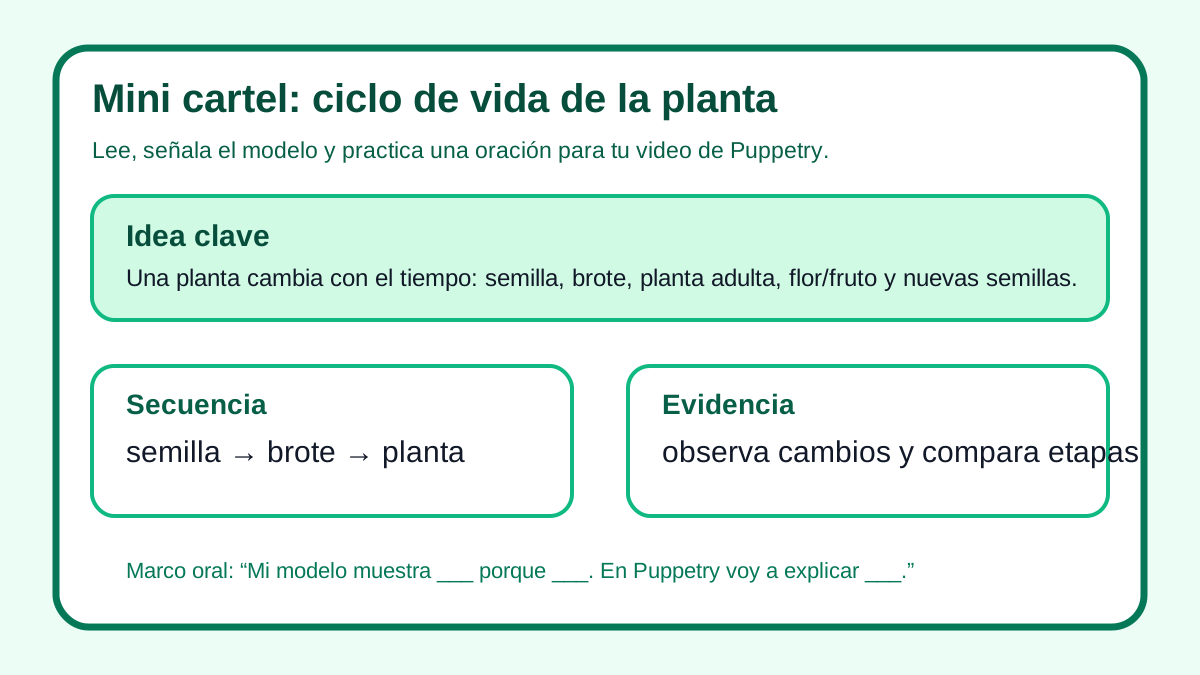
Download Spanish mini anchor chartSpanish compact projectable review chart for life-cycle stations, notebooks, and Puppetry narration
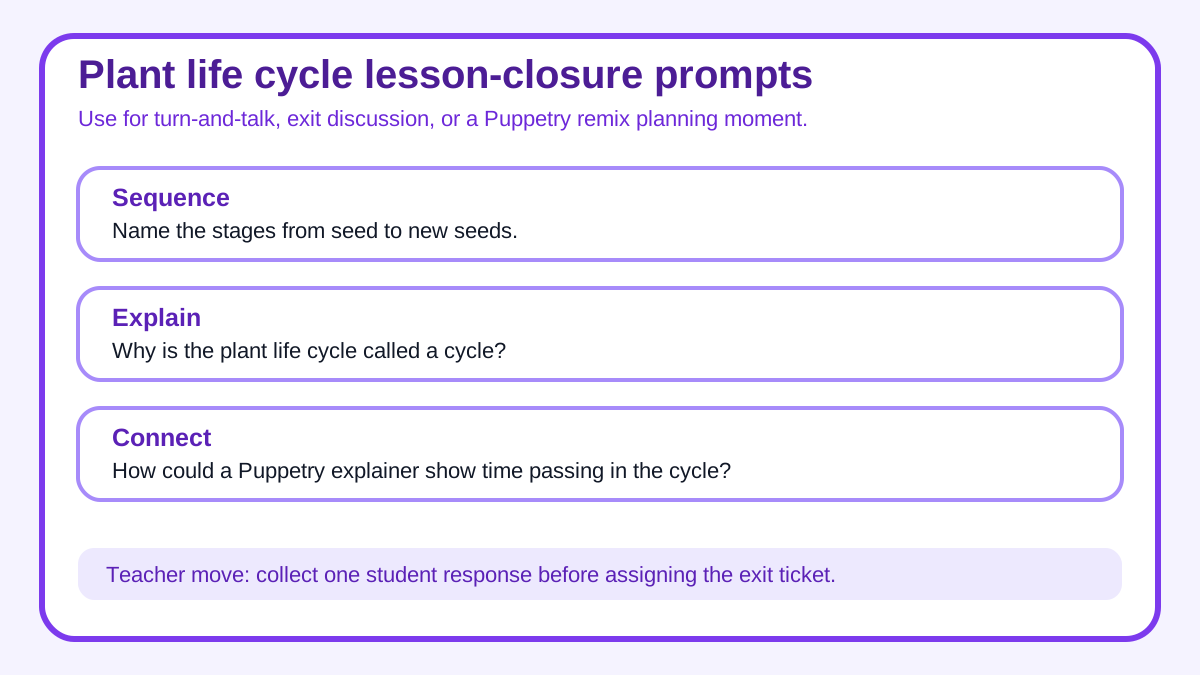
Download lesson-closure promptsEnd-of-lesson discussion prompts for sequence reasoning
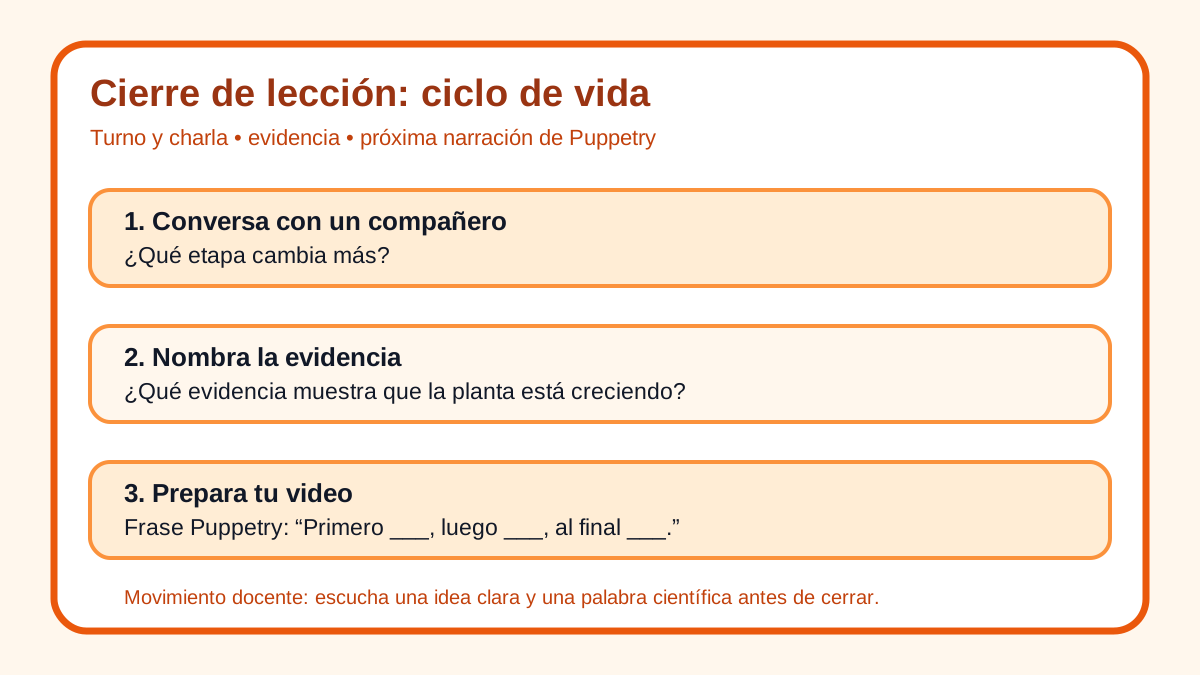
Download Spanish lesson-closure promptsSpanish discussion prompts for life-cycle turn-and-talk, exit discussion, and Puppetry remix planning
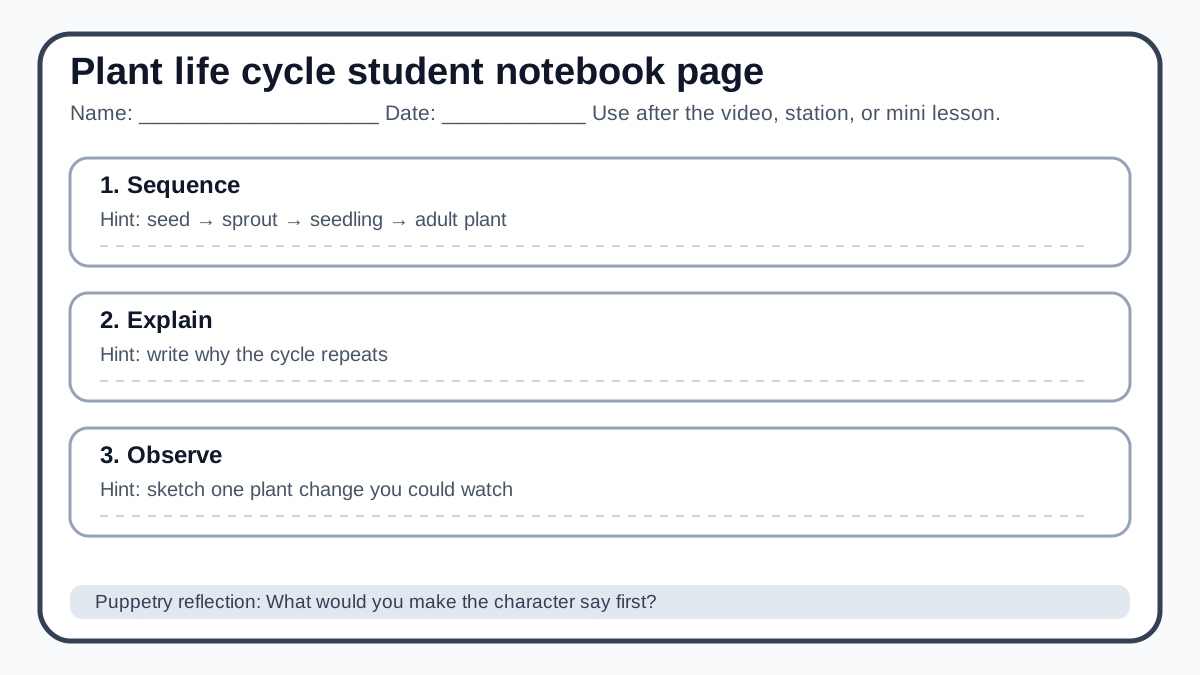
Download student notebook pageGuided student notebook response page for sequence and observation notes
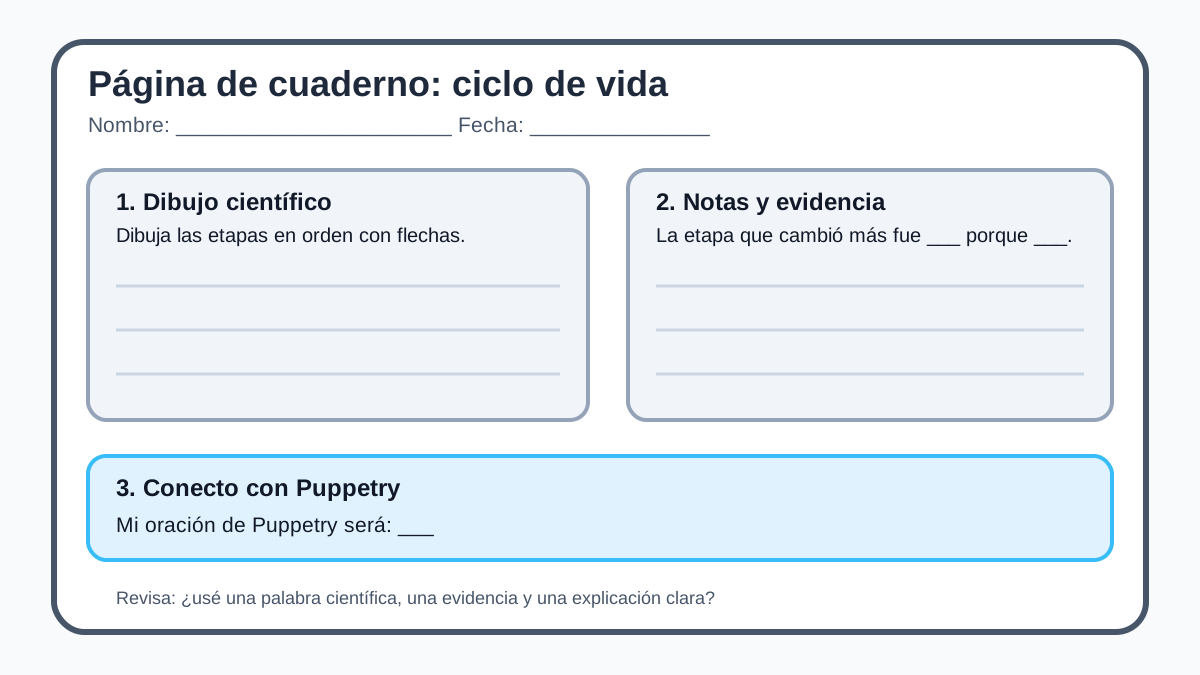
Download Spanish student notebook pageSpanish guided notebook sheet for life-cycle video/station notes and Puppetry reflection
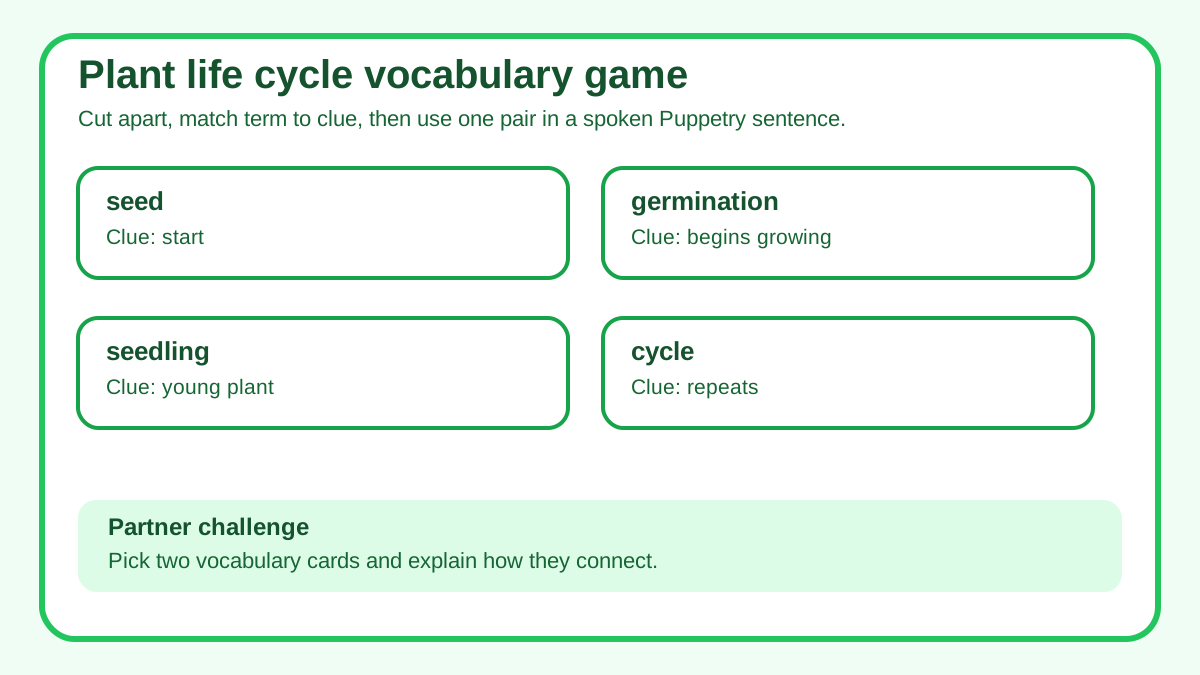
Download vocabulary gamePrintable term-and-clue matching game for cycle vocabulary
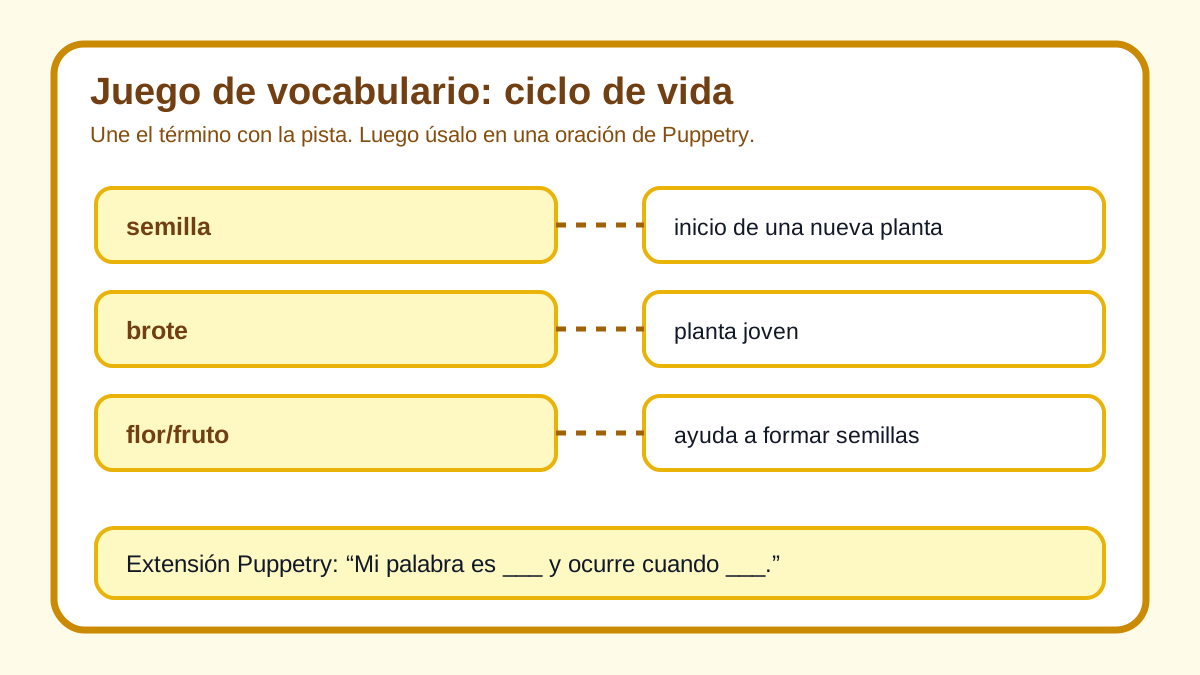
Download Spanish vocabulary gameSpanish printable life-cycle term-and-clue matching card with Puppetry sentence extension
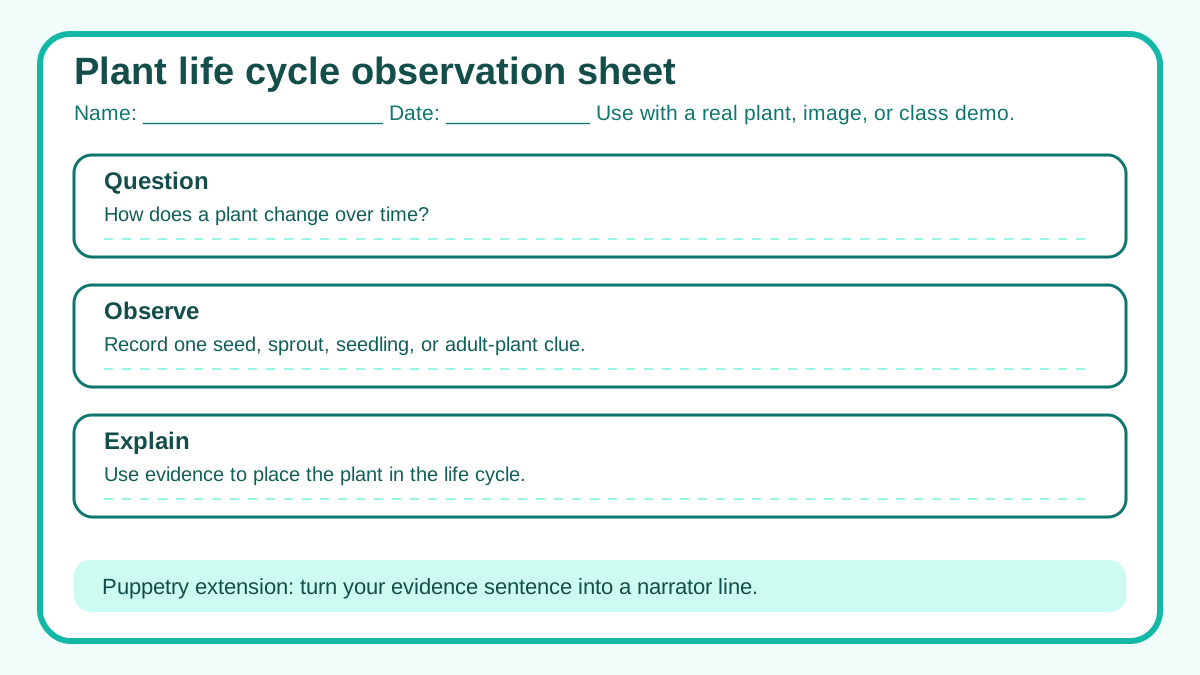
Download observation sheetPrintable evidence-note sheet for plant life-cycle observations
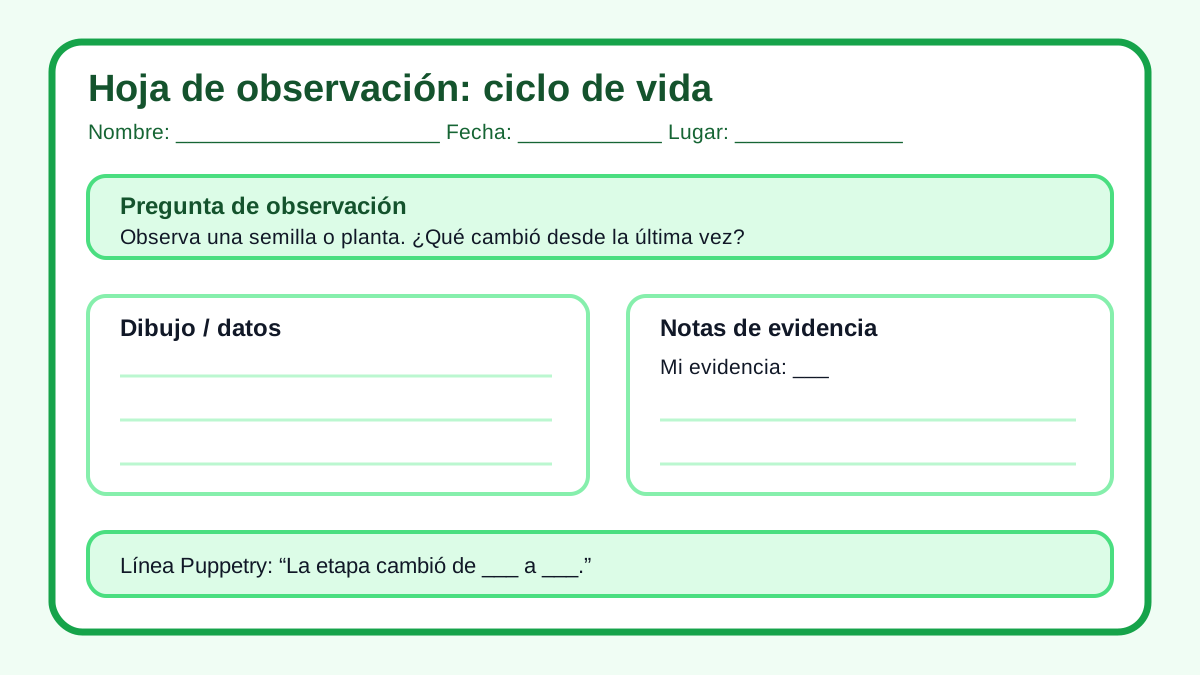
Download Spanish observation sheetSpanish printable evidence-note page for life-cycle observations and Puppetry narrator lines
Open the complete library for additional Spanish/EL, assessment, family, station, and publishing resources.
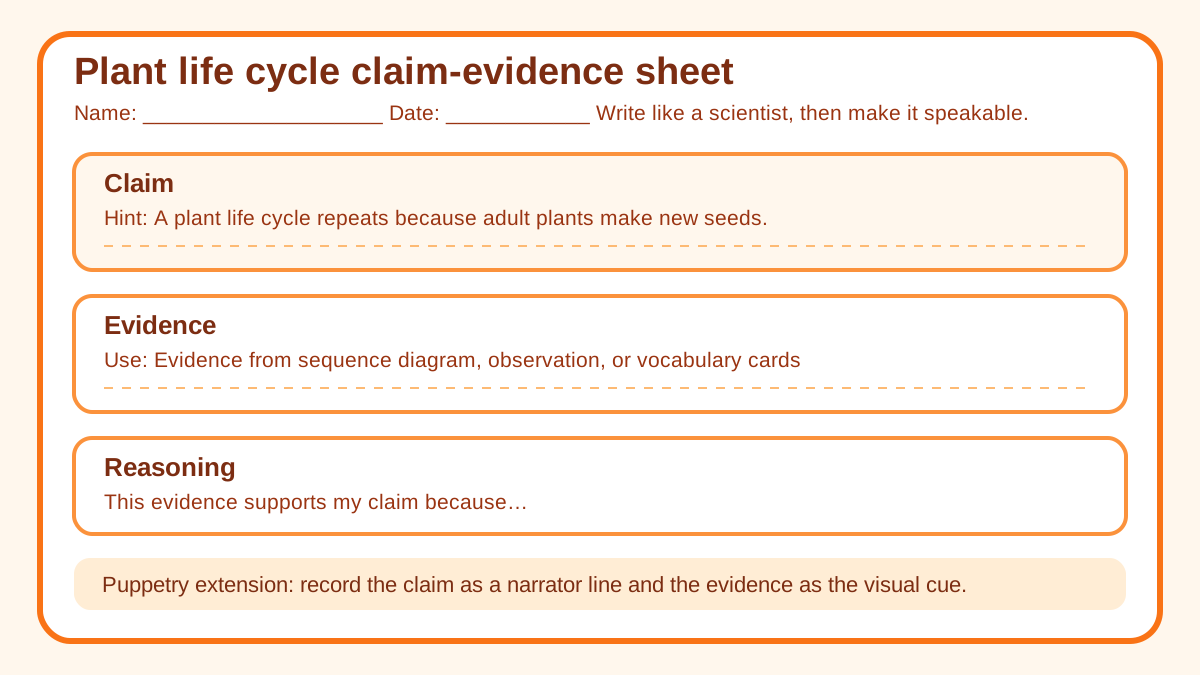
Printable claim-evidence-reasoning organizer for cycle explanations
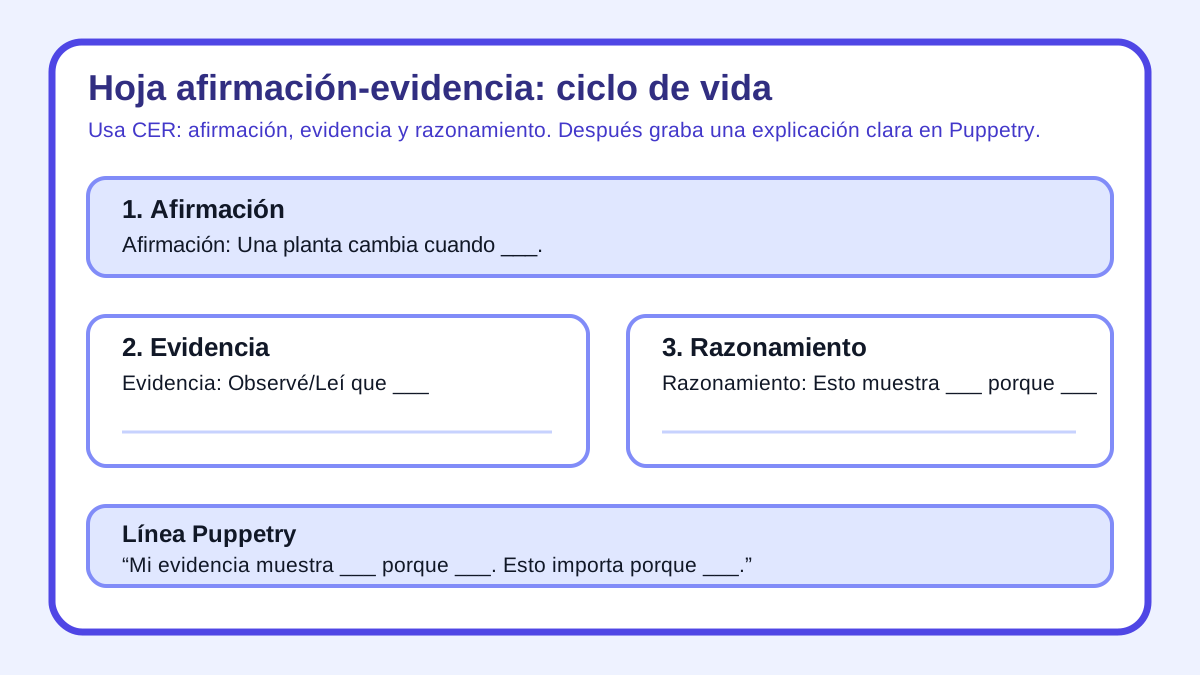
Download Spanish claim-evidence sheetSpanish CER organizer that turns life-cycle evidence into a Puppetry narrator line
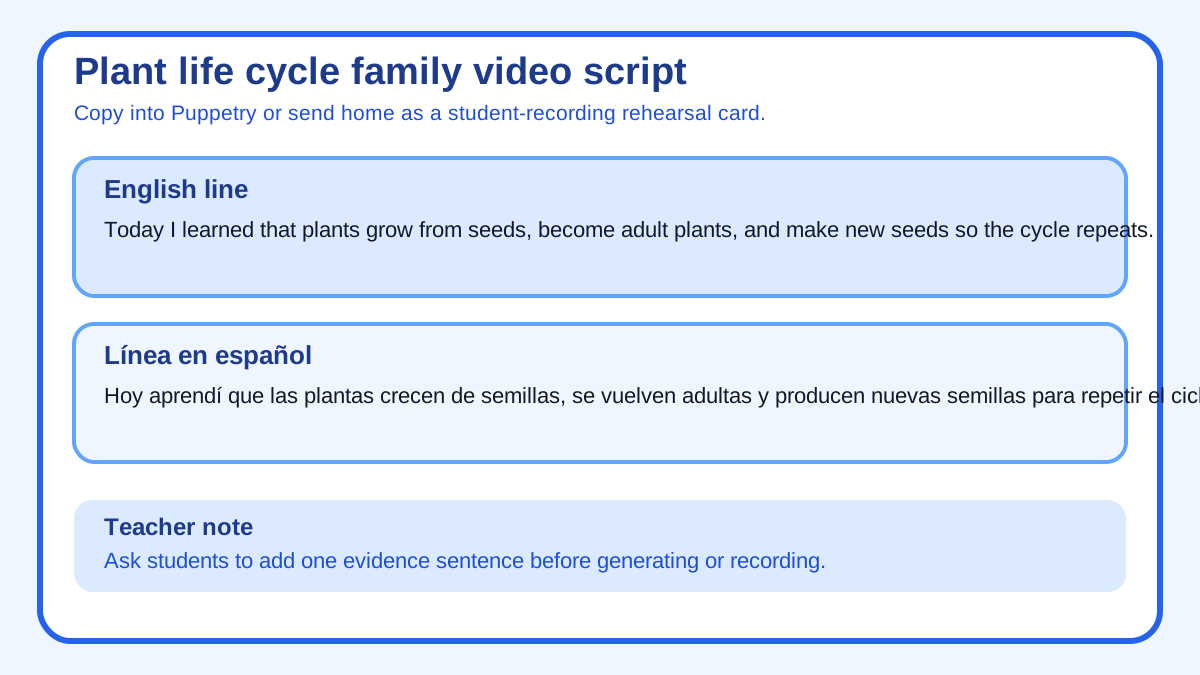
Download family video scriptBilingual family-facing Puppetry explainer rehearsal script
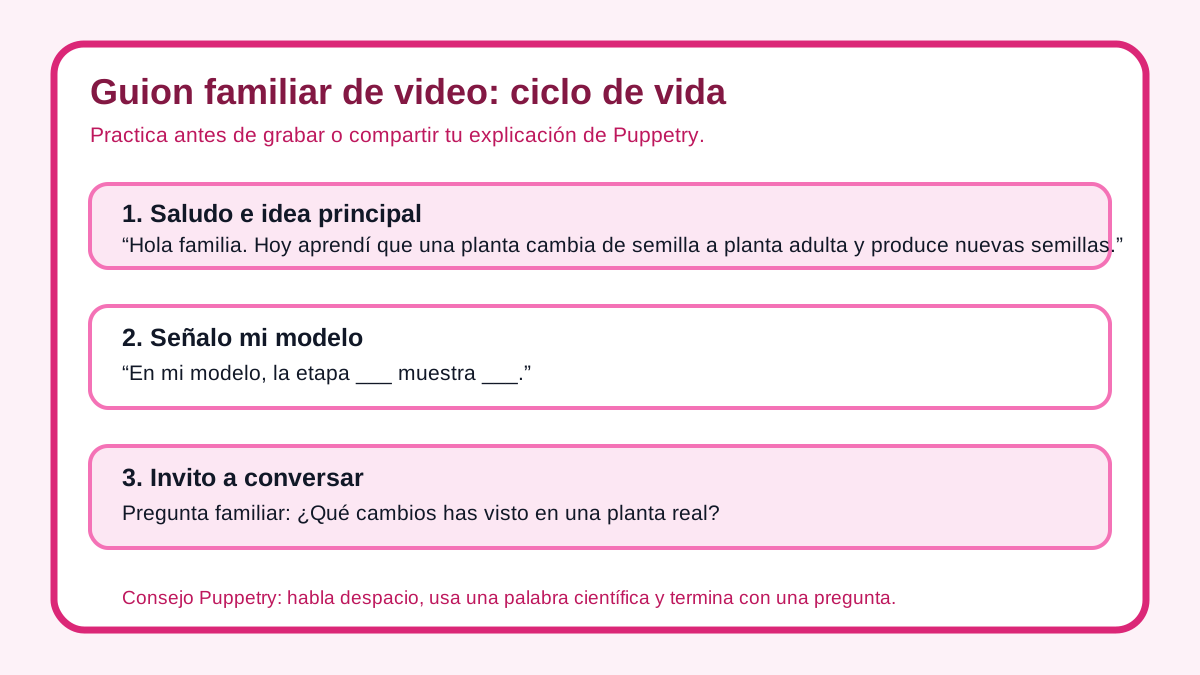
Download Spanish family video scriptSpanish family-facing Puppetry rehearsal script for a home life-cycle explanation
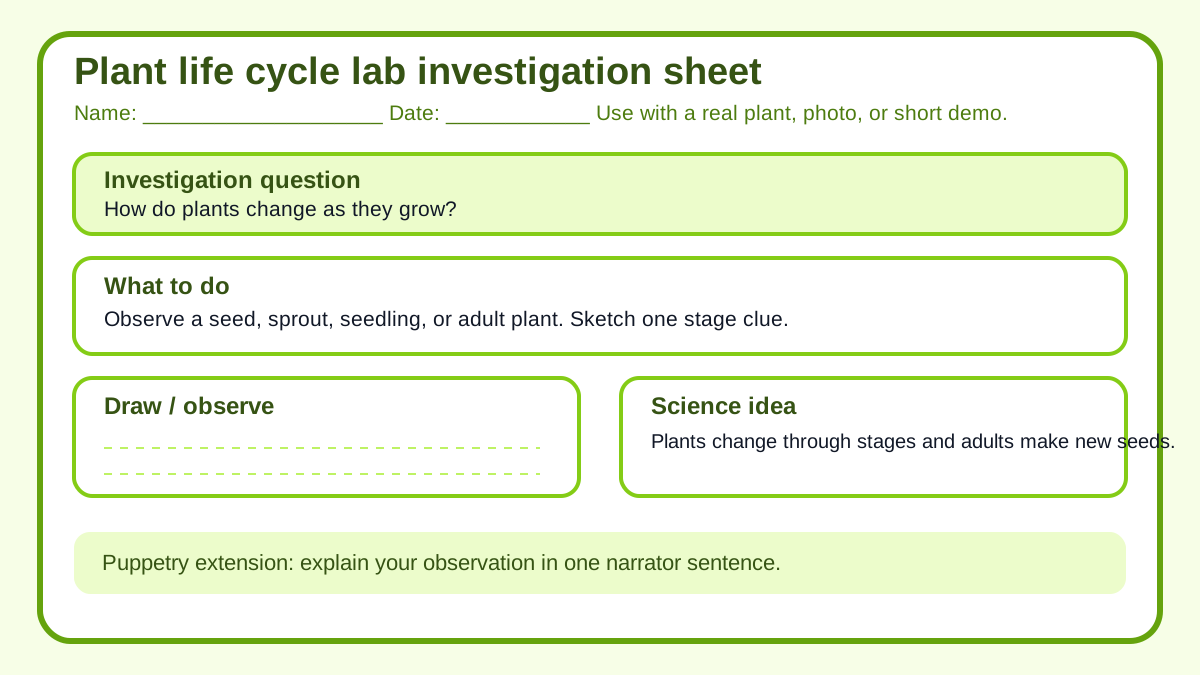
Download lab investigation sheetGuided plant-growth investigation sheet with Puppetry narrator extension
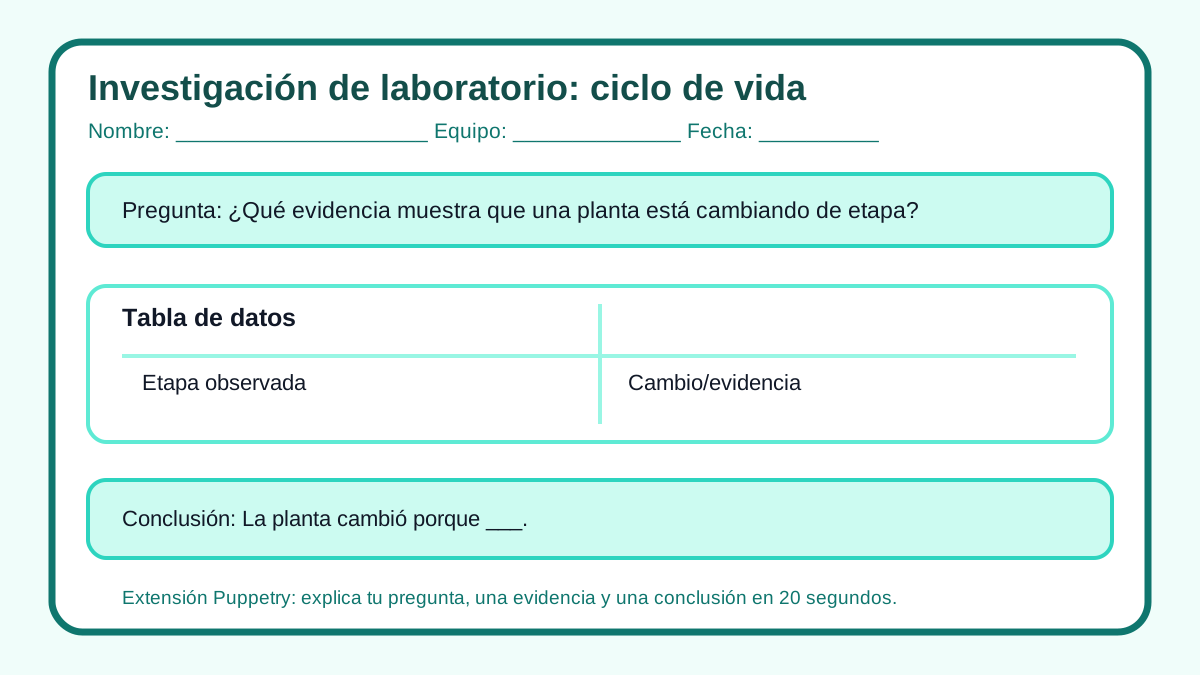
Download Spanish lab investigation sheetSpanish guided life-cycle observation/demo sheet with Puppetry narrator extension
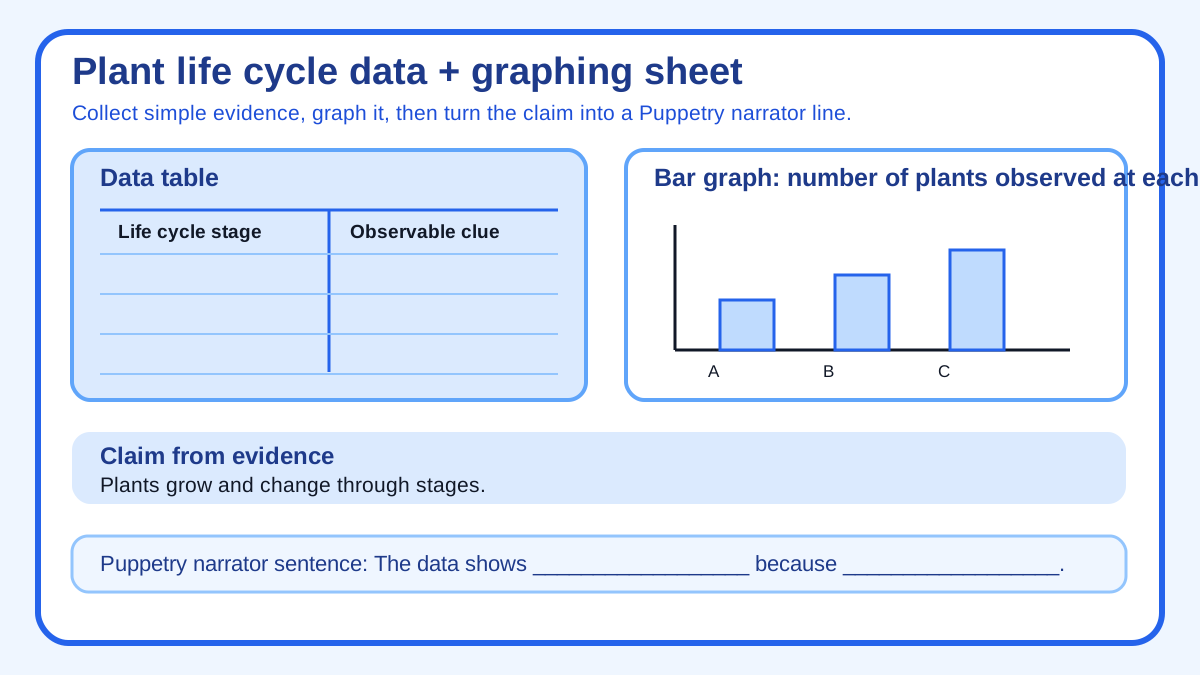
Download data + graphing sheetData-table and graphing add-on for life-cycle stage observations
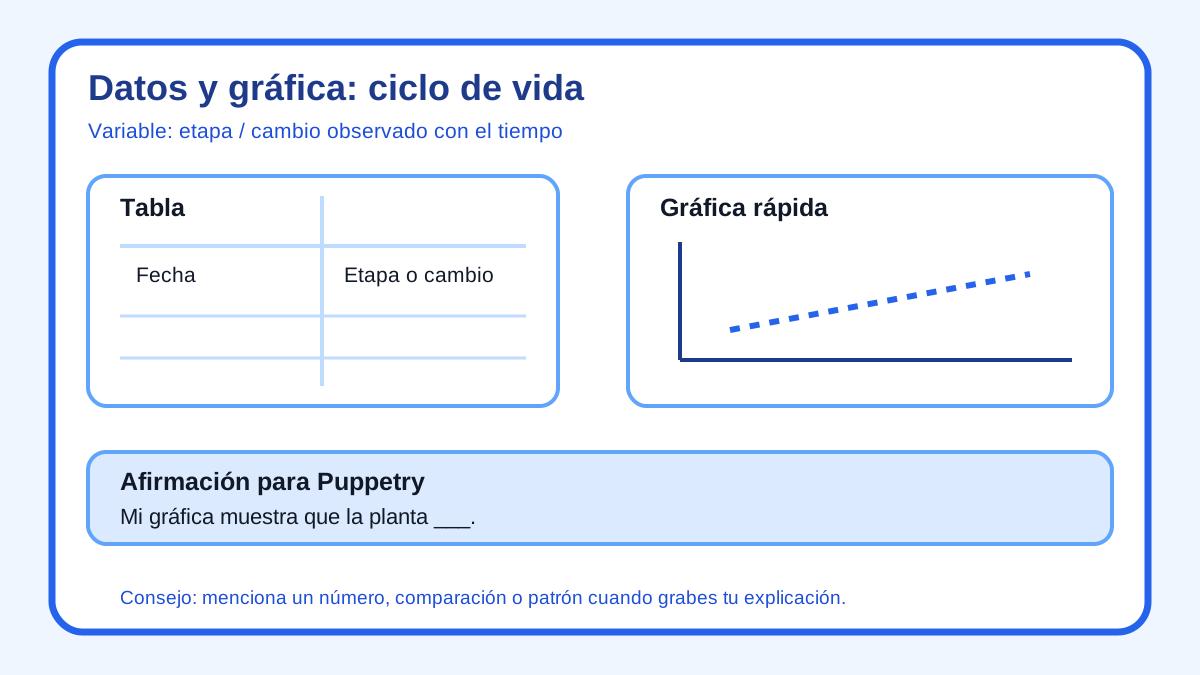
Download Spanish data + graphing sheetSpanish simple table, graph, and evidence claim scaffold for life-cycle changes
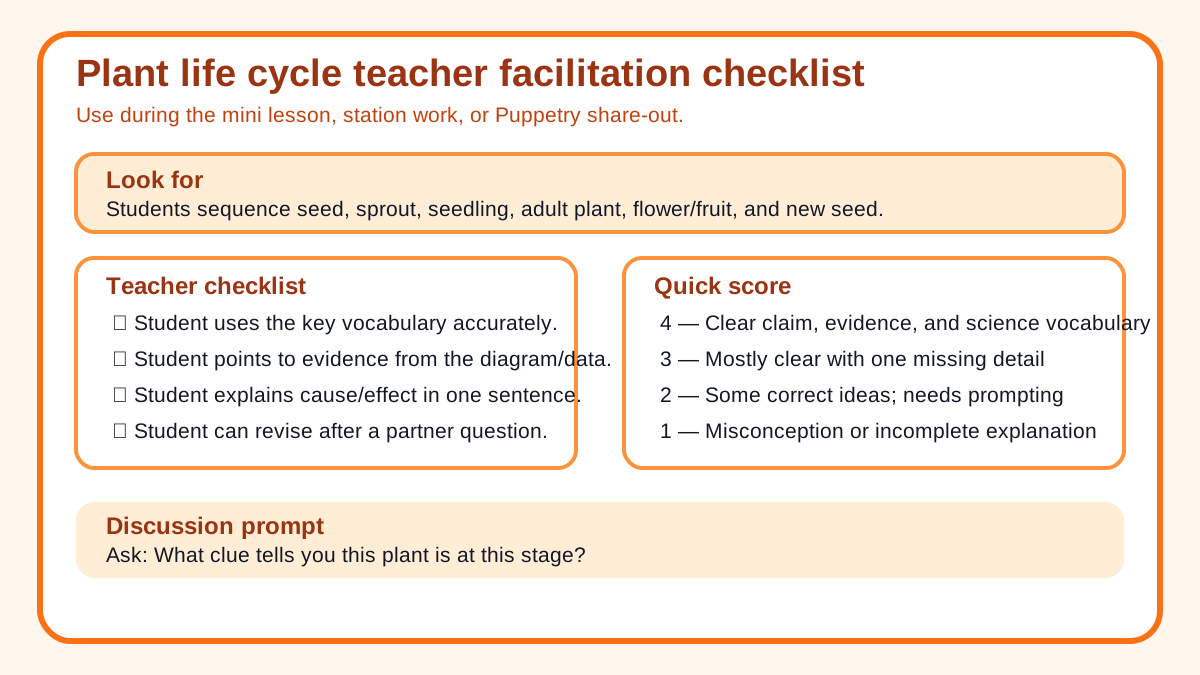
Download teacher facilitation checklistTeacher facilitation checklist and quick score guide for life-cycle stage explanations
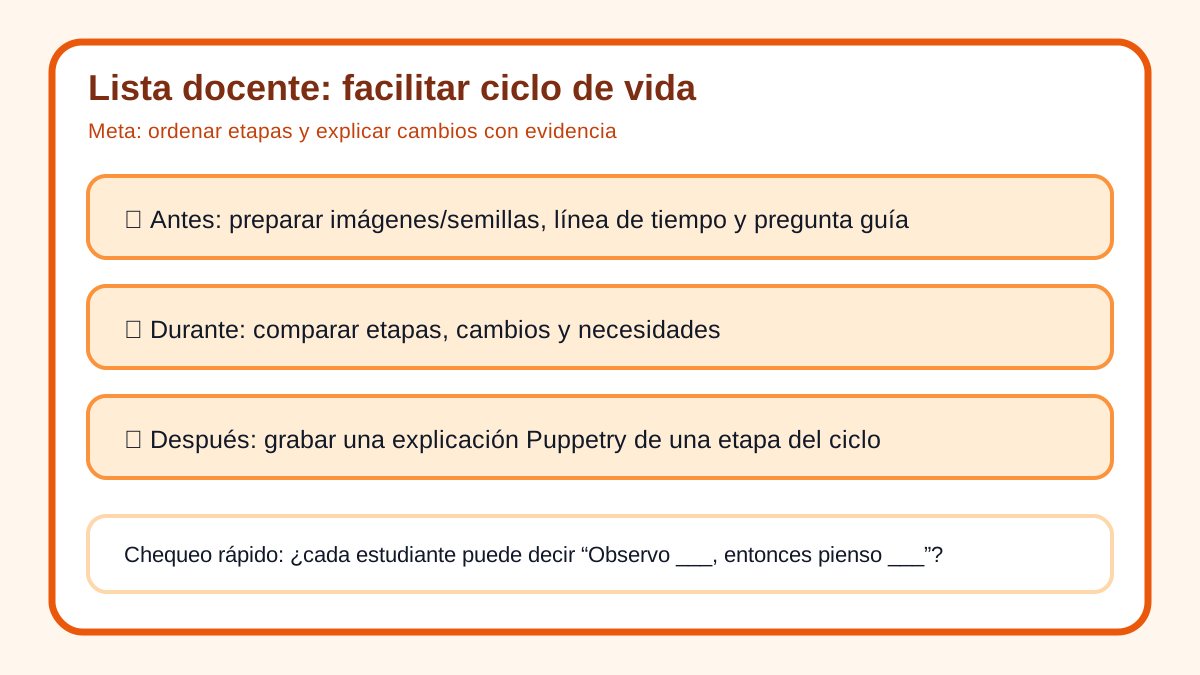
Download Spanish teacher facilitation checklistSpanish teacher facilitation checklist for life-cycle evidence talk and Puppetry explanation
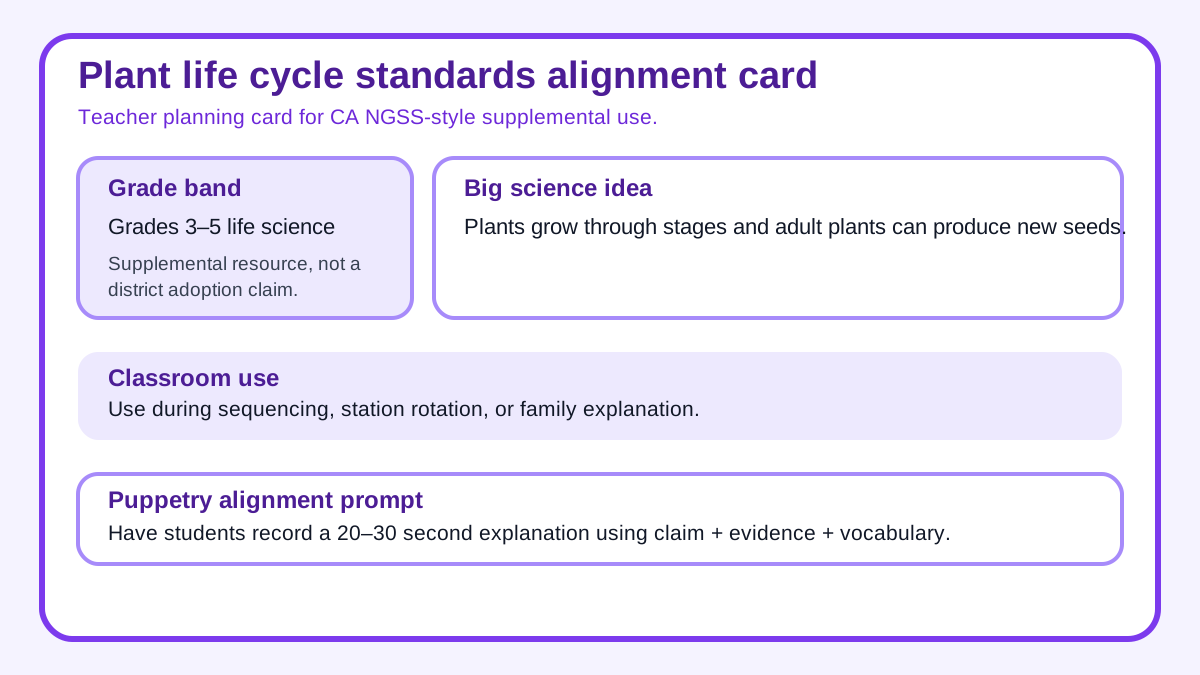
Download standards alignment cardTeacher planning card tying the resource to CA NGSS-style growth and life-cycle concepts
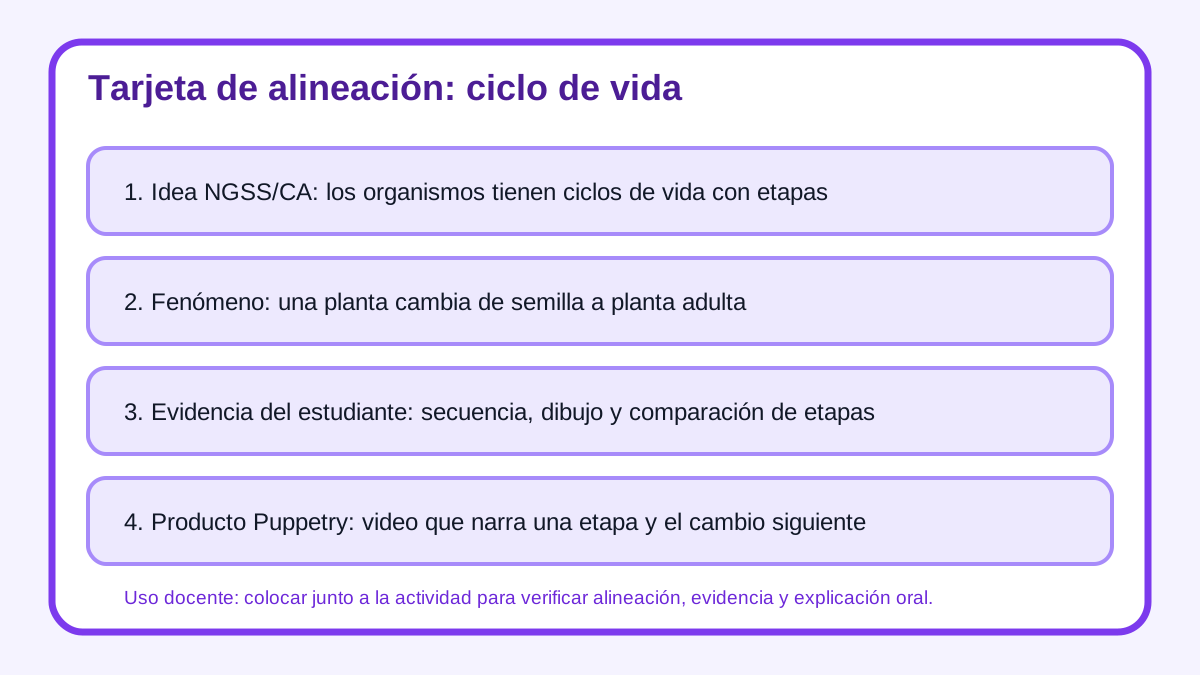
Download Spanish standards alignment cardSpanish standards-alignment card connecting life-cycle stages, evidence, and Puppetry product
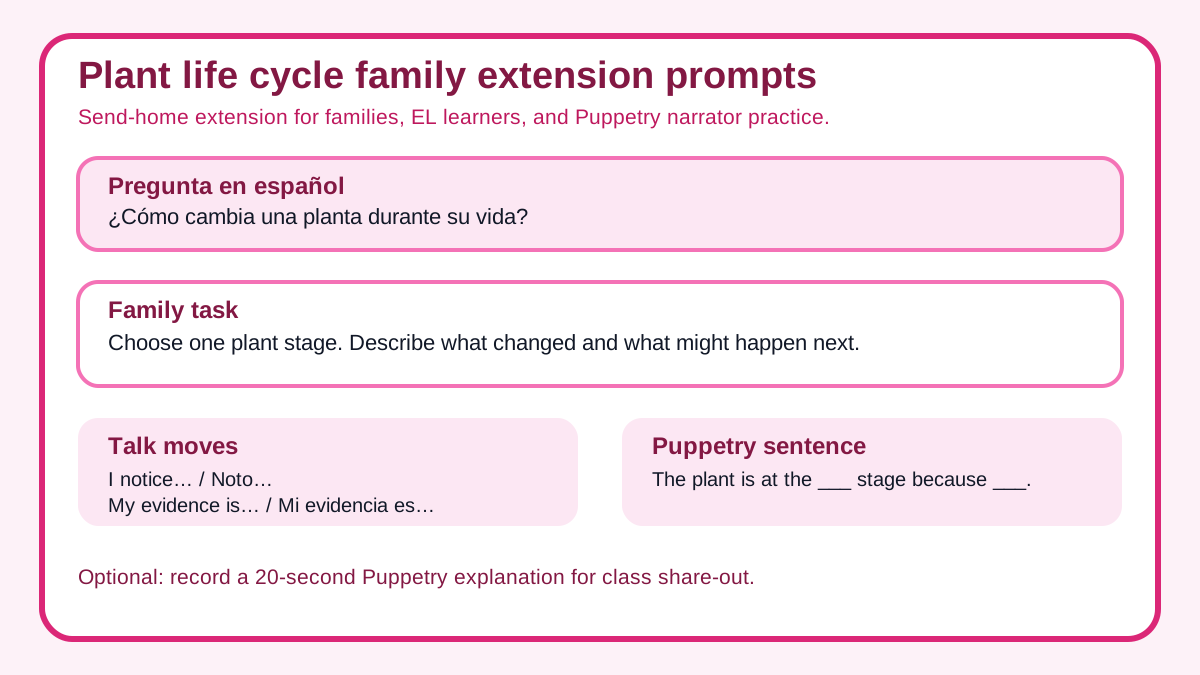
Download Spanish family extension promptsBilingual Spanish/English family extension prompt card for life-cycle stage talk
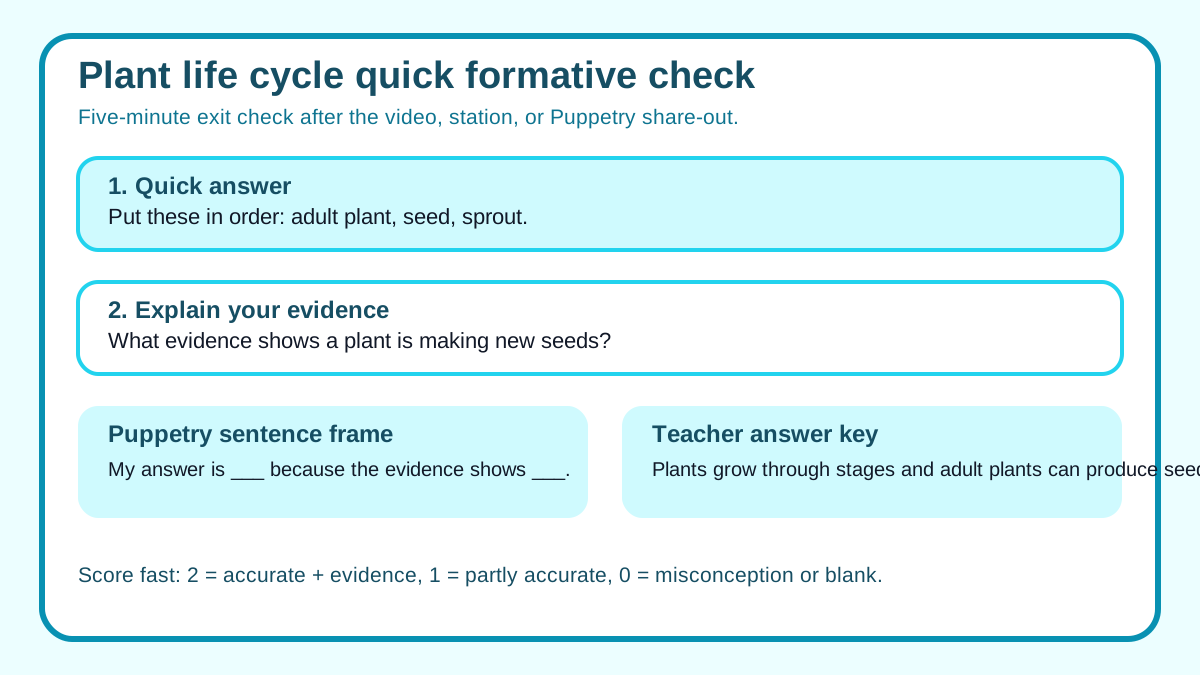
Download quick formative checkFive-minute formative check with answer key and life-cycle evidence sentence frame
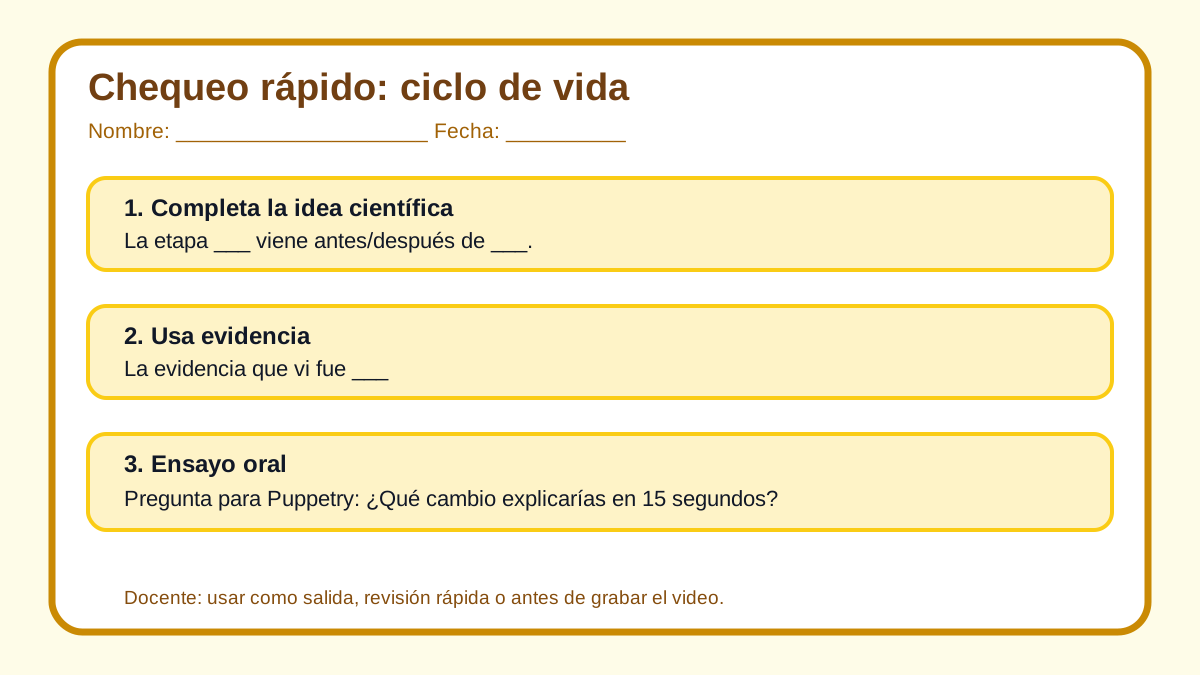
Download Spanish quick formative checkSpanish quick formative check for life-cycle sequence, evidence, and Puppetry rehearsal
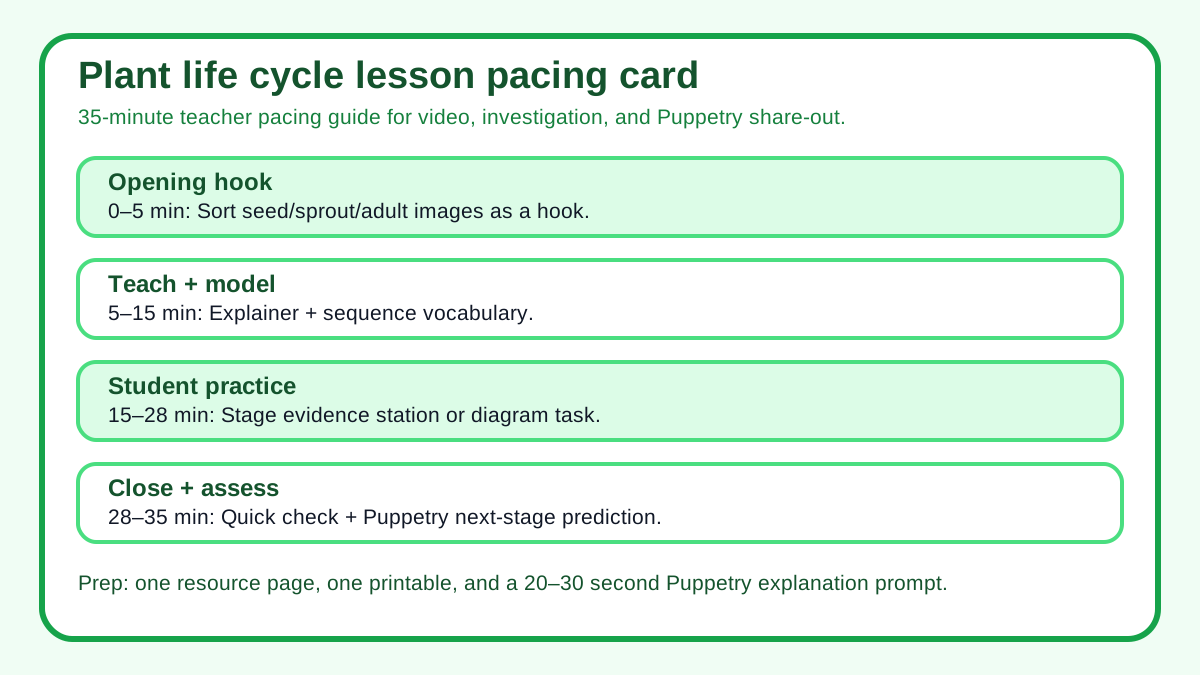
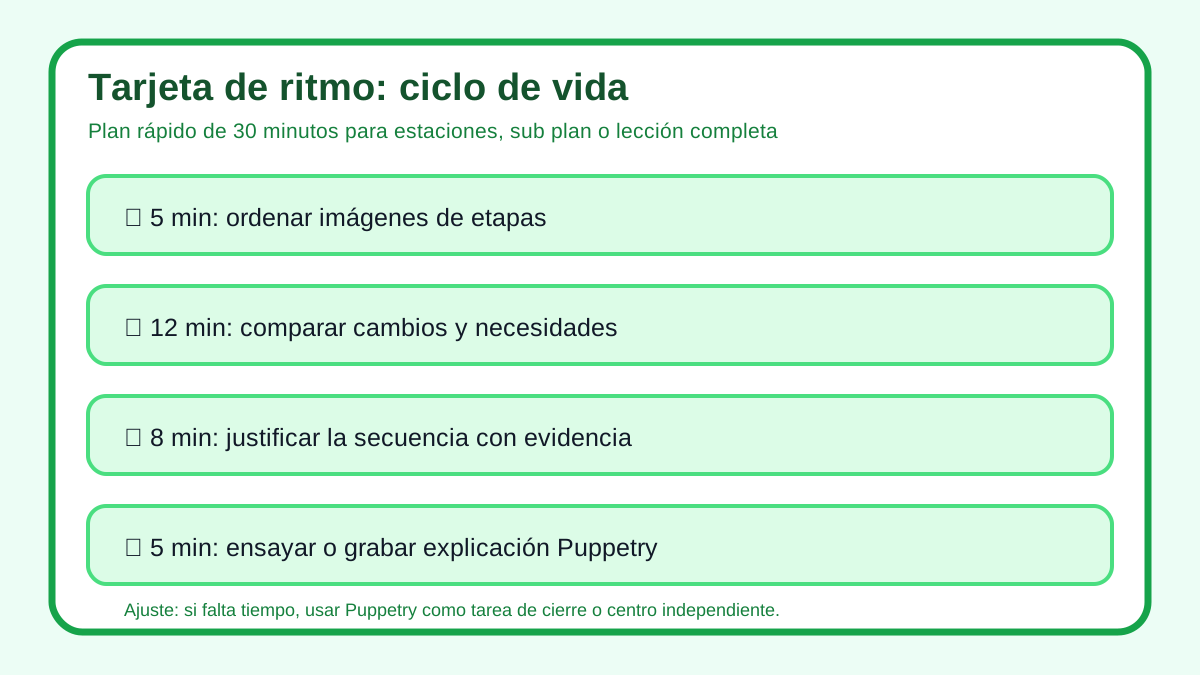
Download lesson pacing card35-minute pacing card for life-cycle sequencing, evidence task, and Puppetry share-out
Download Spanish lesson pacing cardSpanish 30-minute pacing card for life-cycle evidence work and Puppetry rehearsal
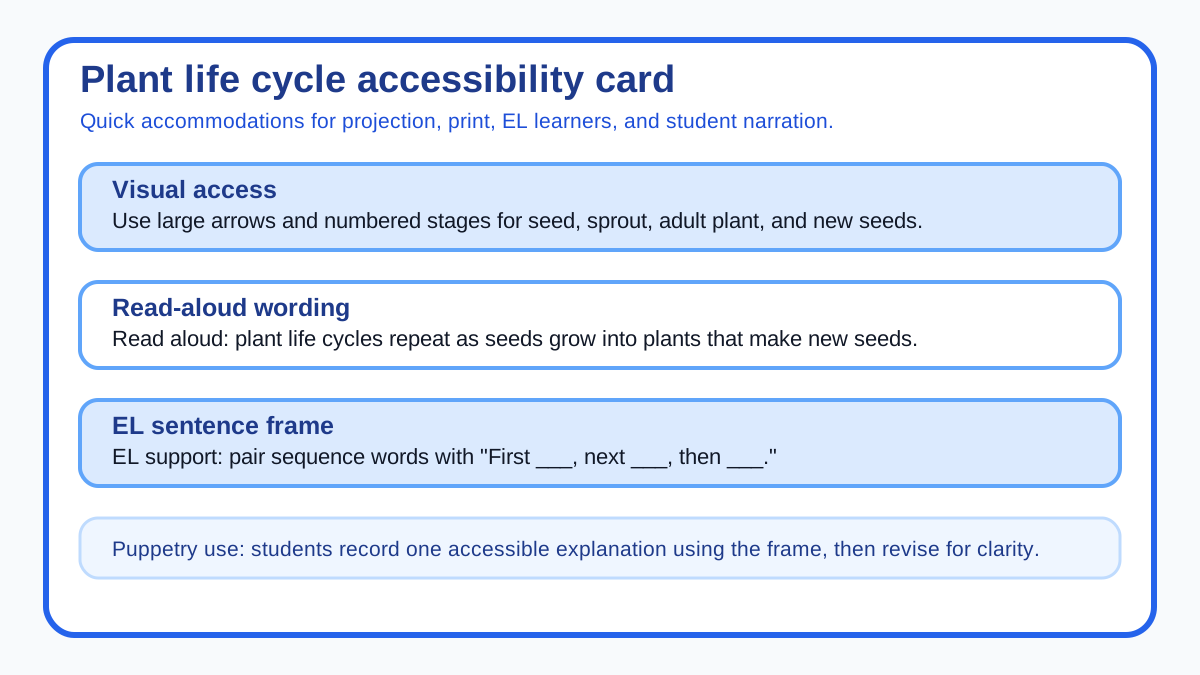
Download accessibility support cardHigh-contrast visual, read-aloud wording, and EL sentence frame for life cycles
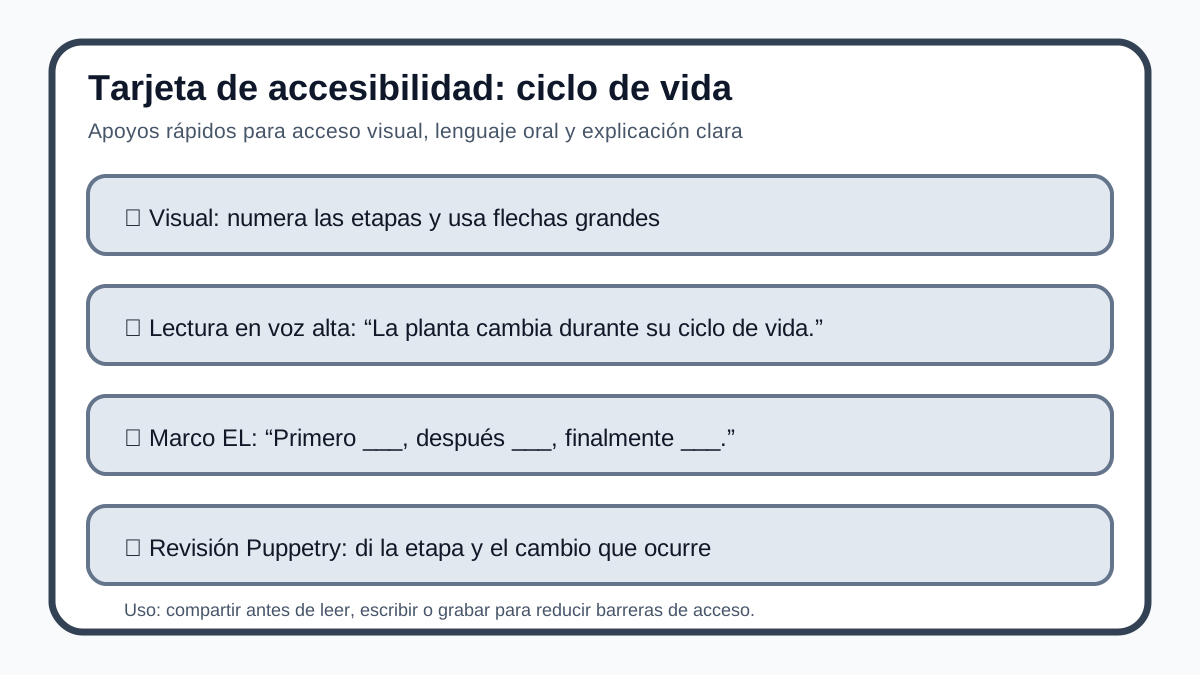
Download Spanish accessibility support cardSpanish accessibility support card with visual, read-aloud, EL frame, and Puppetry clarity prompt
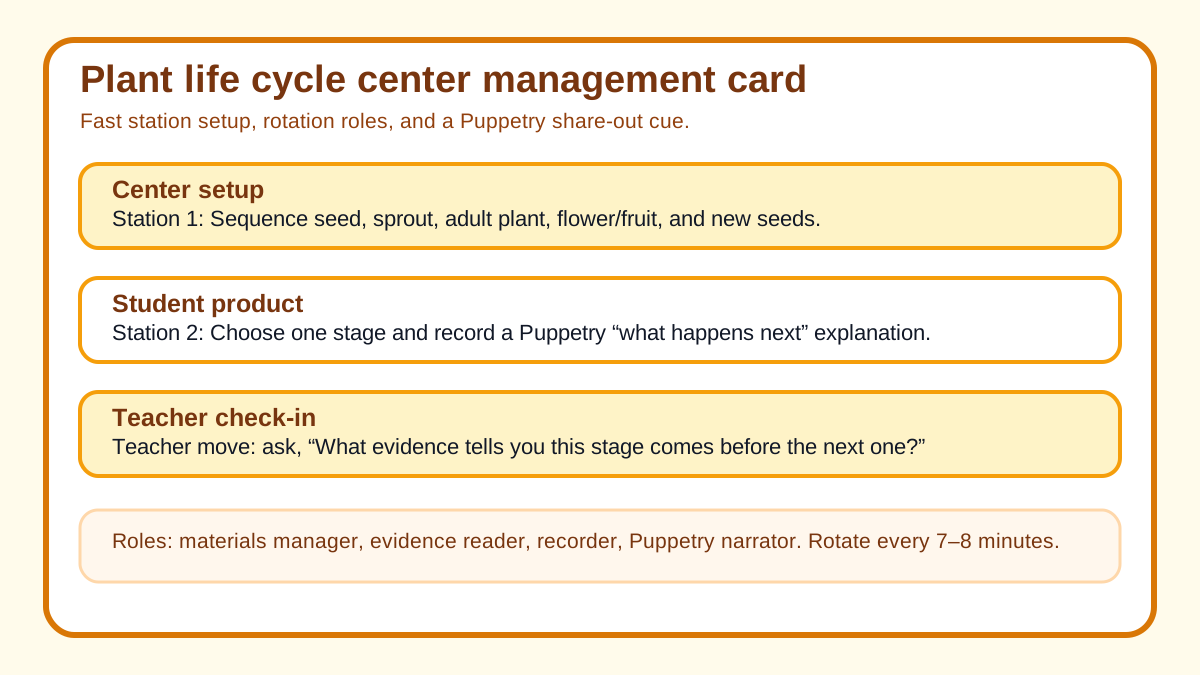
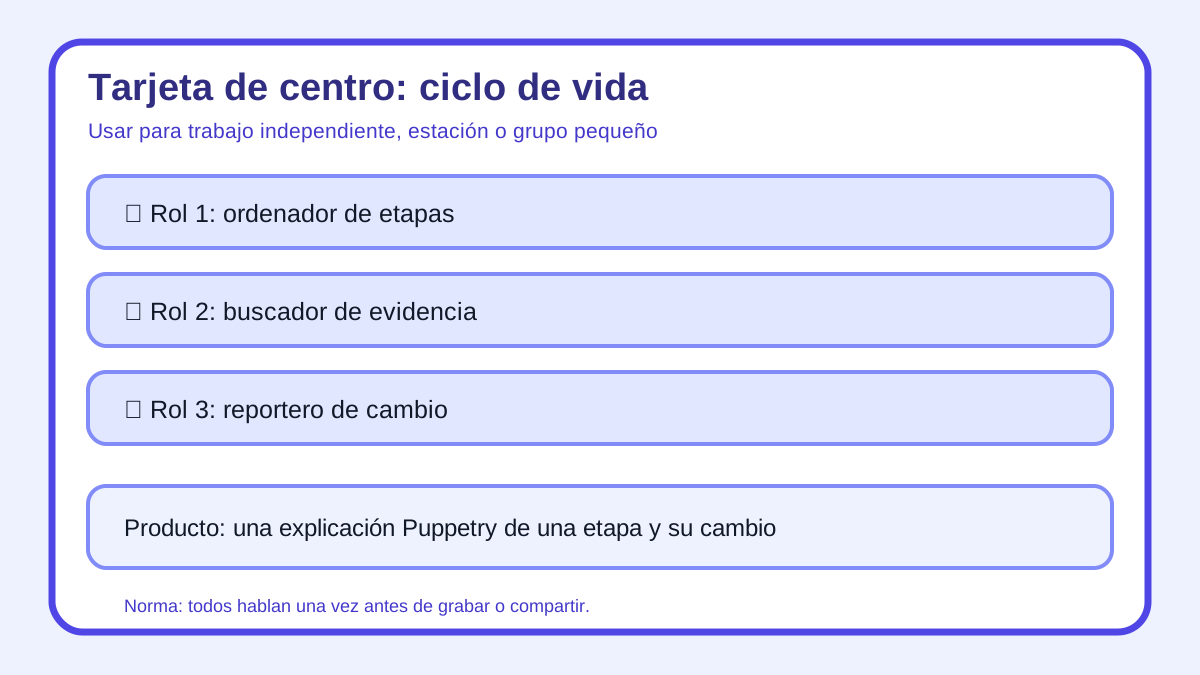
Download center management cardStation setup, student product, teacher check-in, and Puppetry narrator roles for life cycles
Download Spanish center management cardSpanish center-management card with roles, collaboration norm, and Puppetry product
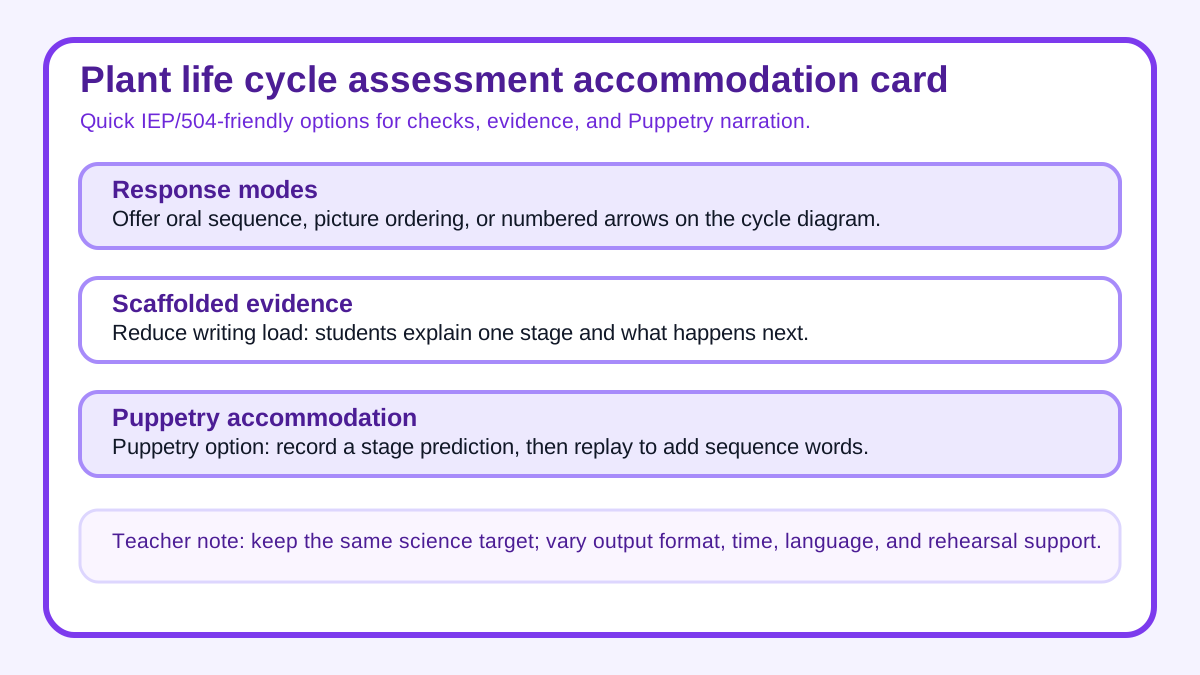
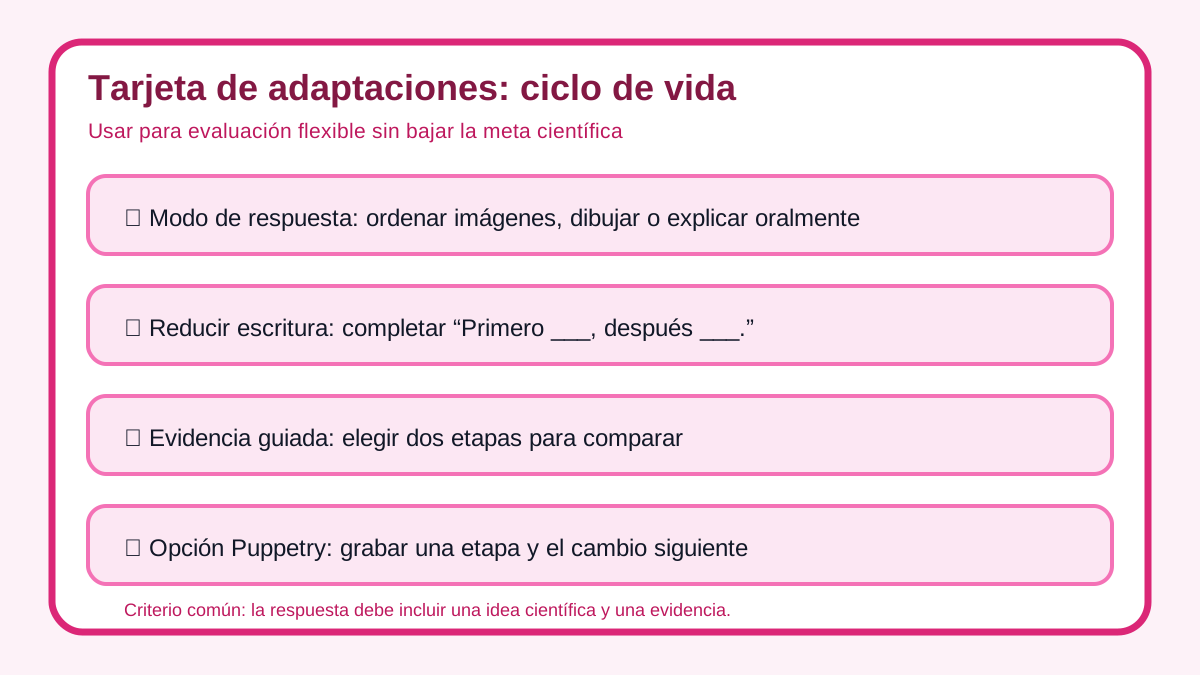
Download assessment accommodation cardIEP/504-friendly response modes, scaffolded evidence, and Puppetry narration option for life-cycle checks
Download Spanish assessment accommodation cardSpanish assessment accommodation card with response modes and Puppetry oral-response option
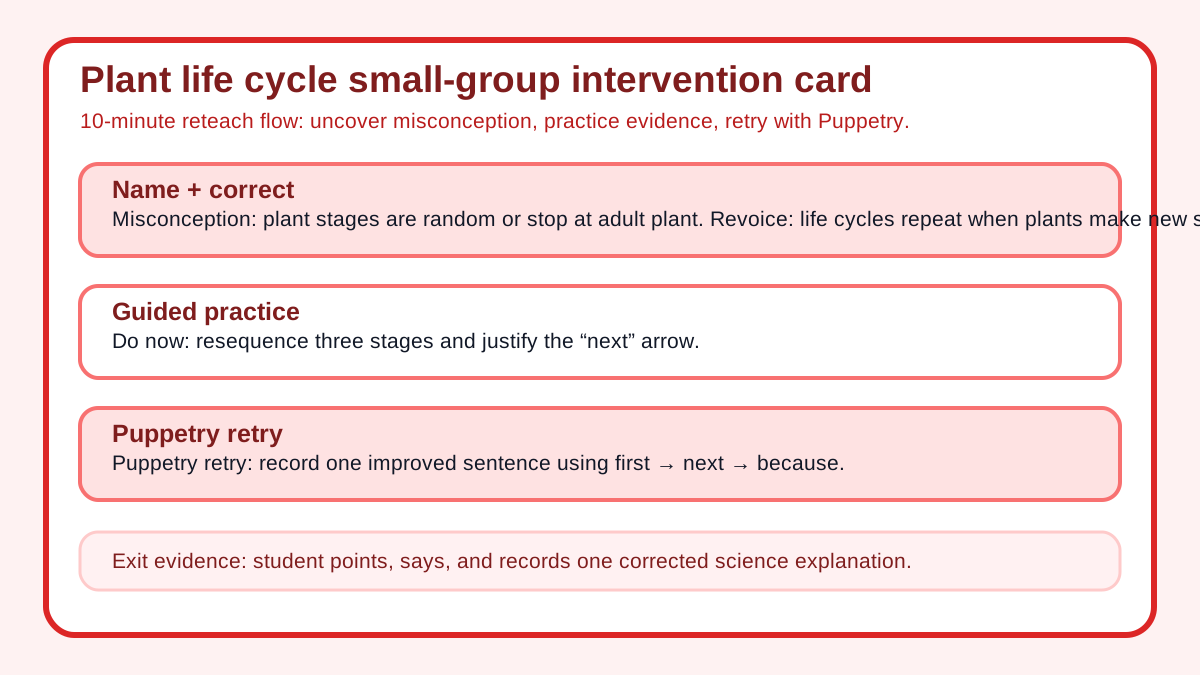
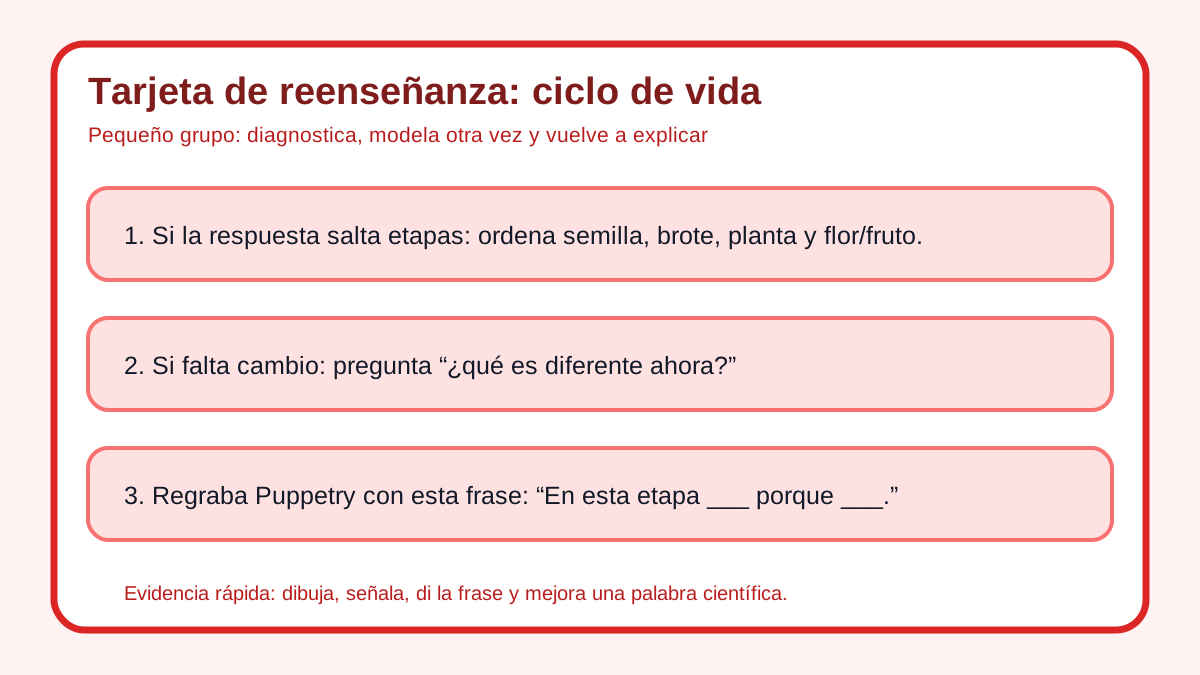
Download small-group intervention card10-minute misconception reteach flow with guided evidence practice and Puppetry retry for life cycles
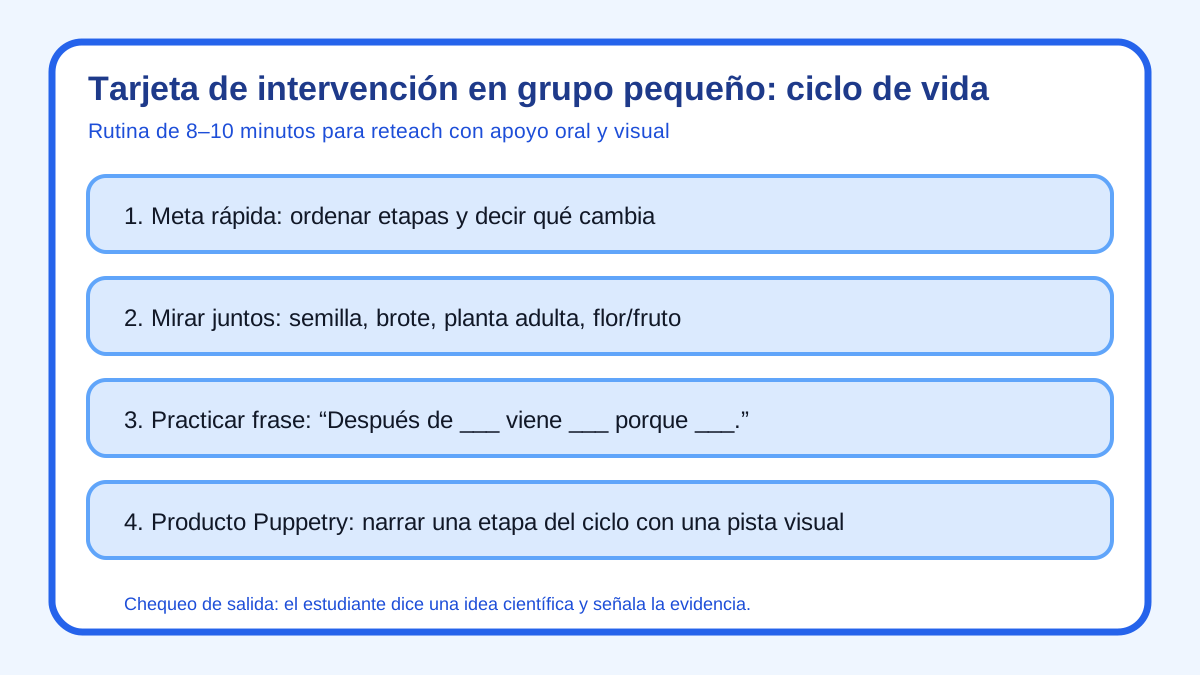
Download Spanish small-group intervention cardSpanish small-group intervention card with reteach steps, oral practice, and Puppetry evidence check
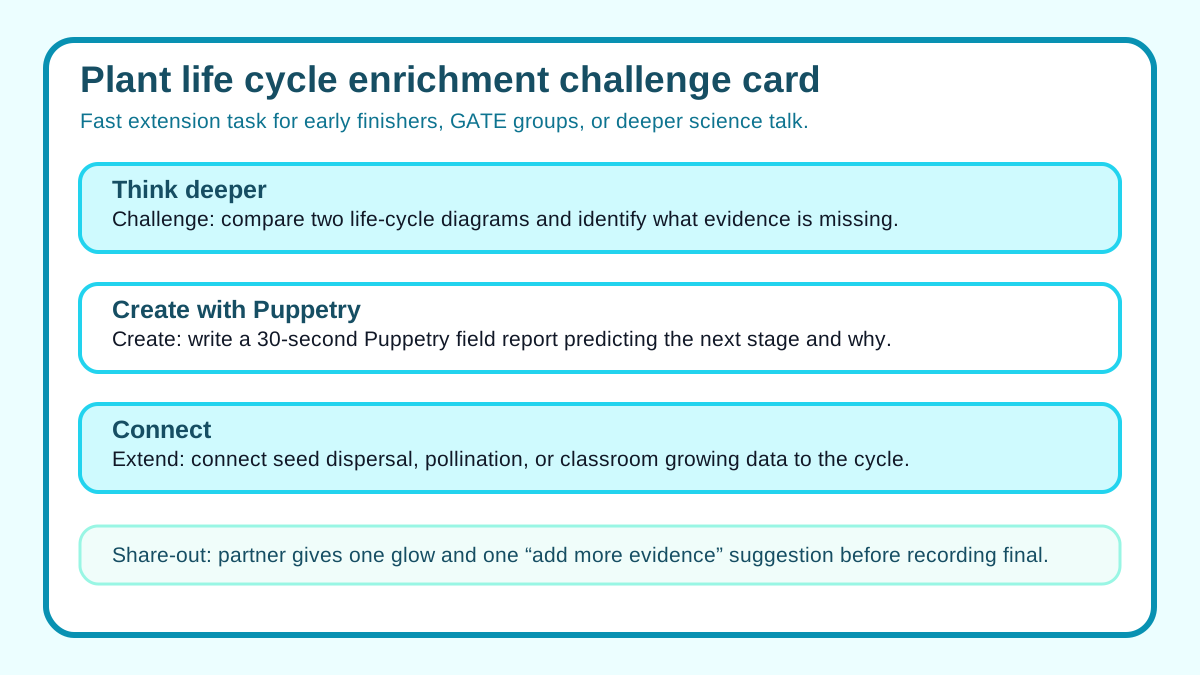
Download enrichment challenge cardEarly-finisher enrichment prompt with life-cycle evidence comparison and Puppetry field report
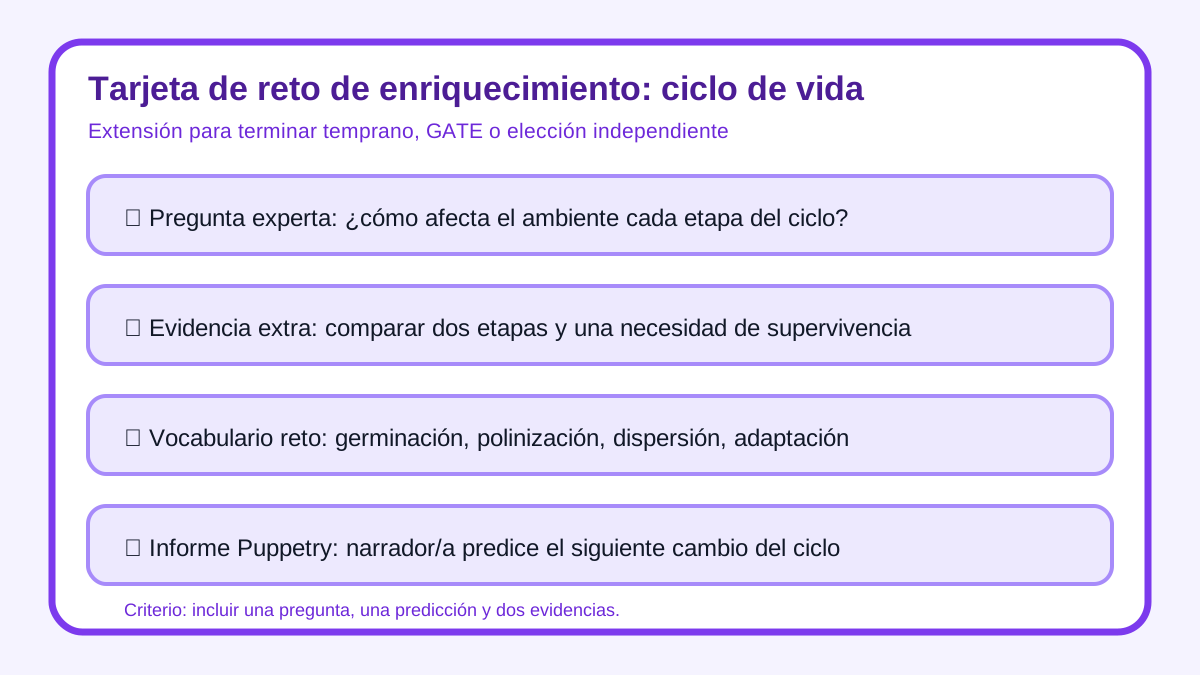
Download Spanish enrichment challenge cardSpanish enrichment challenge card with expert question, evidence extension, vocabulary, and Puppetry report
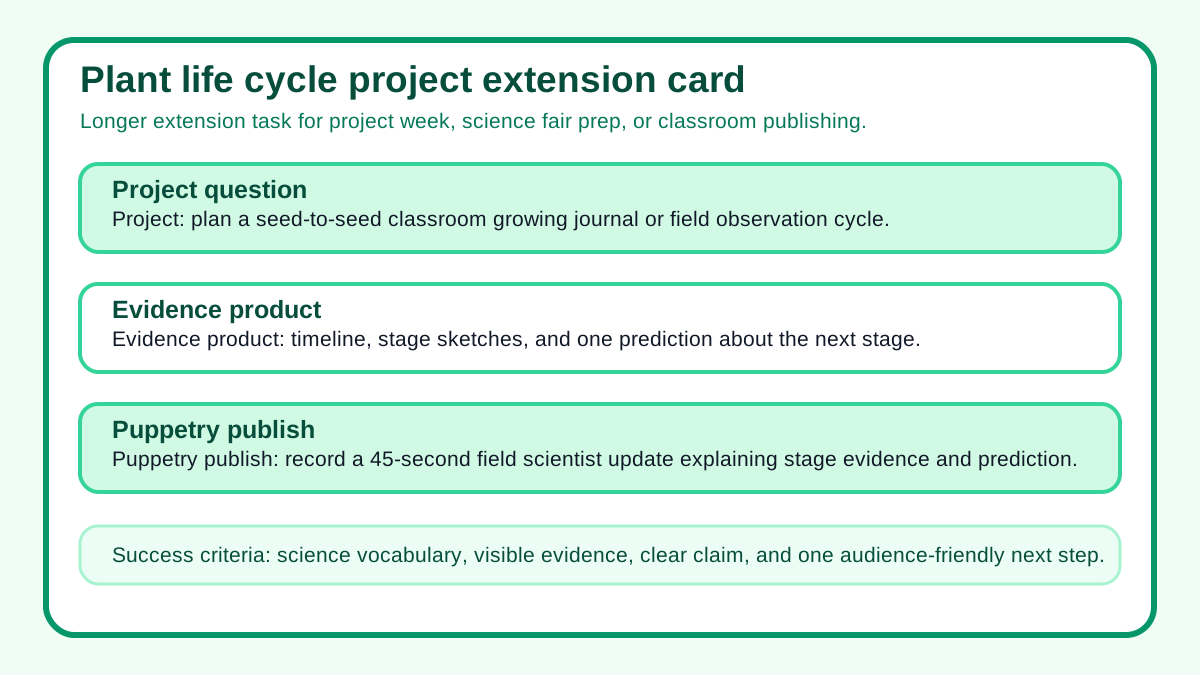
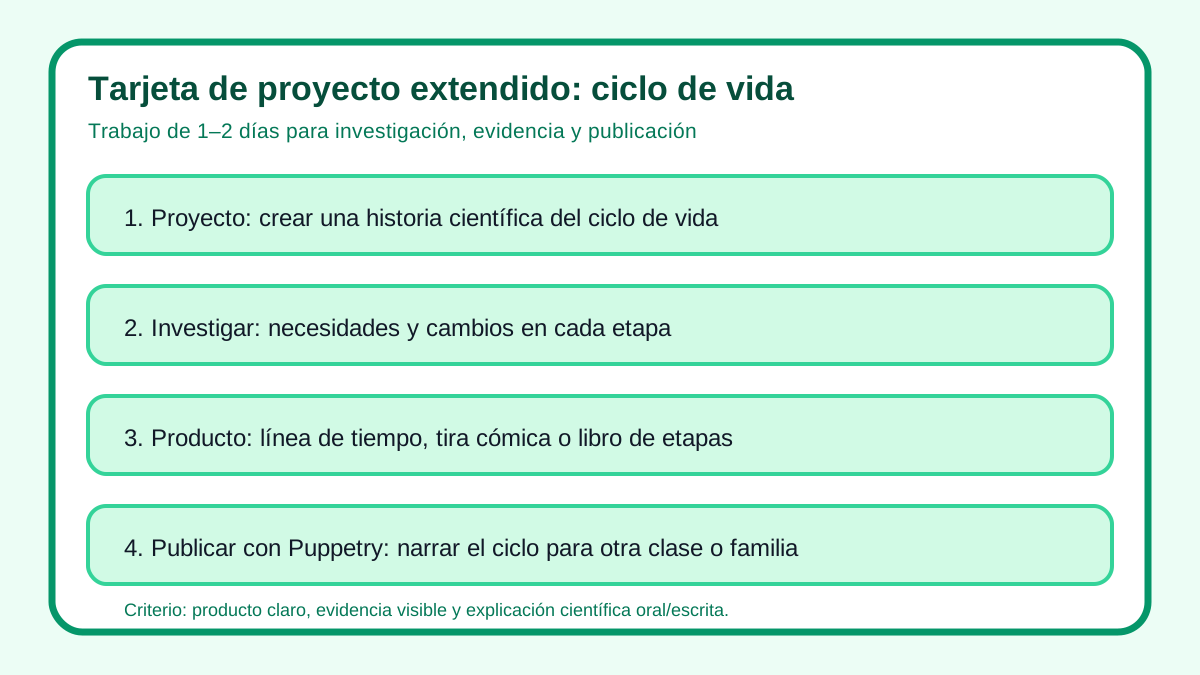
Download project extension cardProject-based extension for a growing journal or field observation cycle with Puppetry scientist update
Download Spanish project extension cardSpanish project extension card with research steps, evidence product, and Puppetry publishing plan
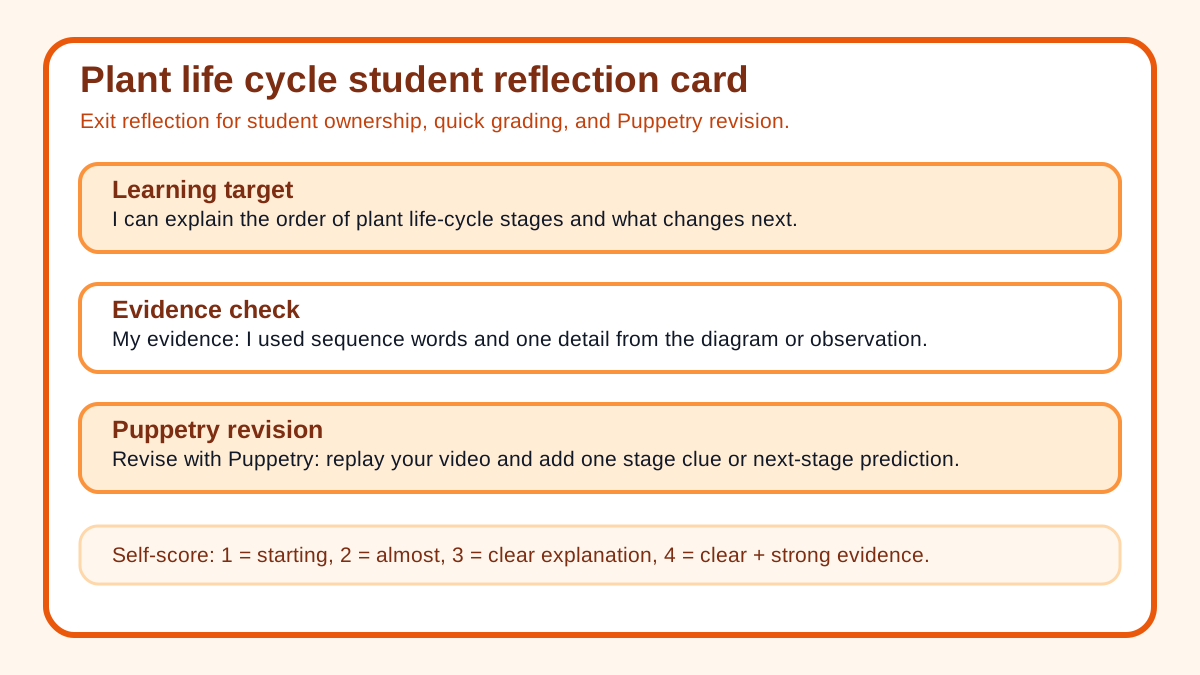
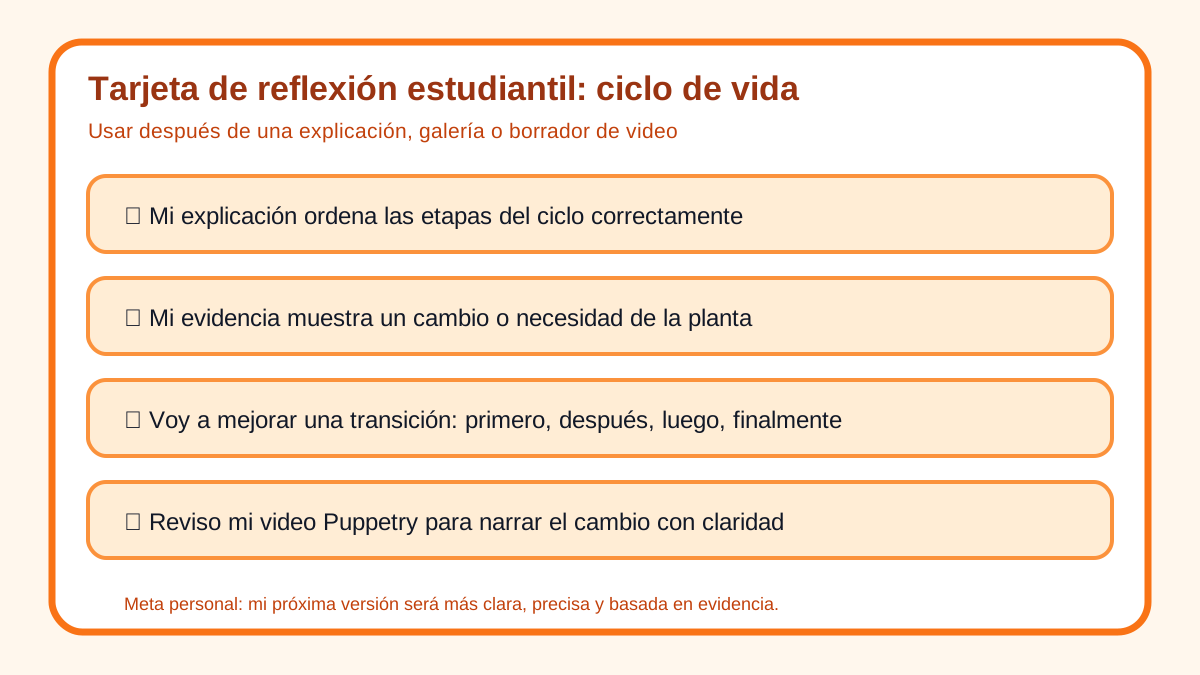
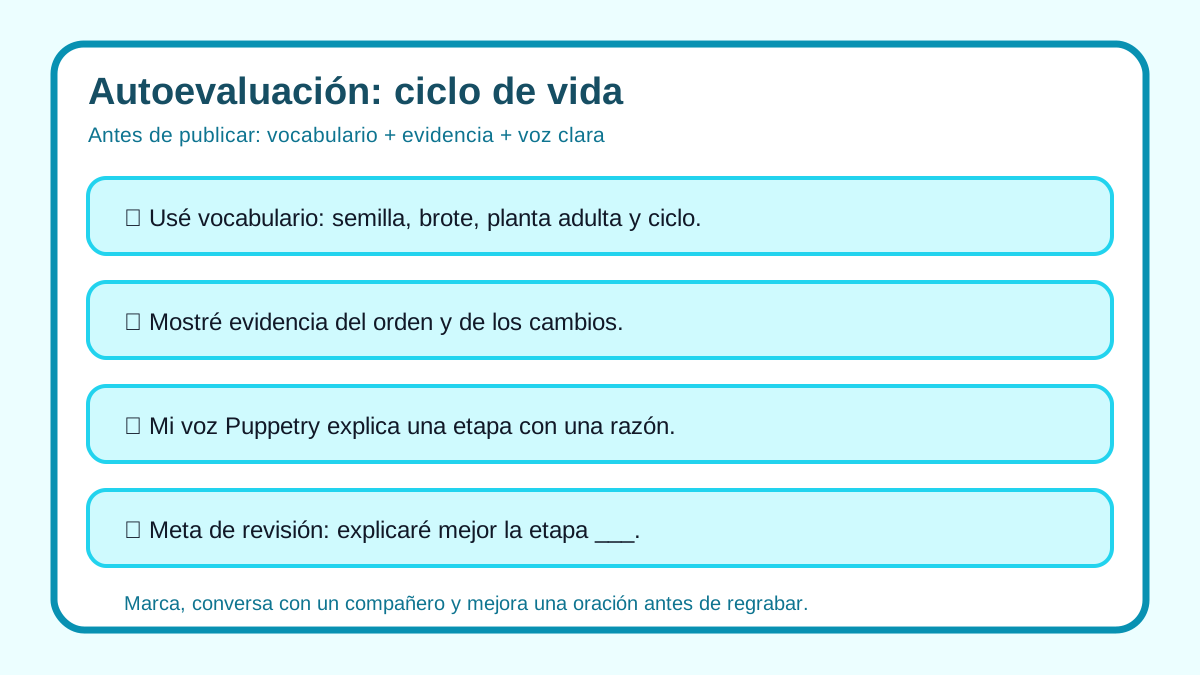
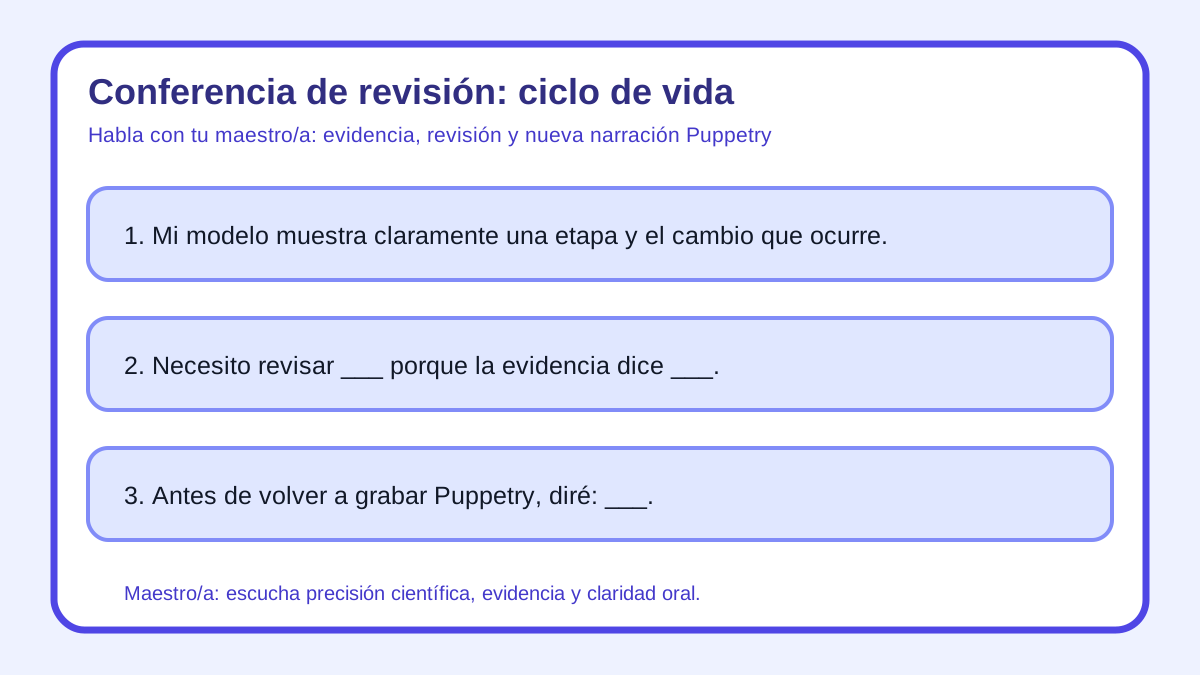
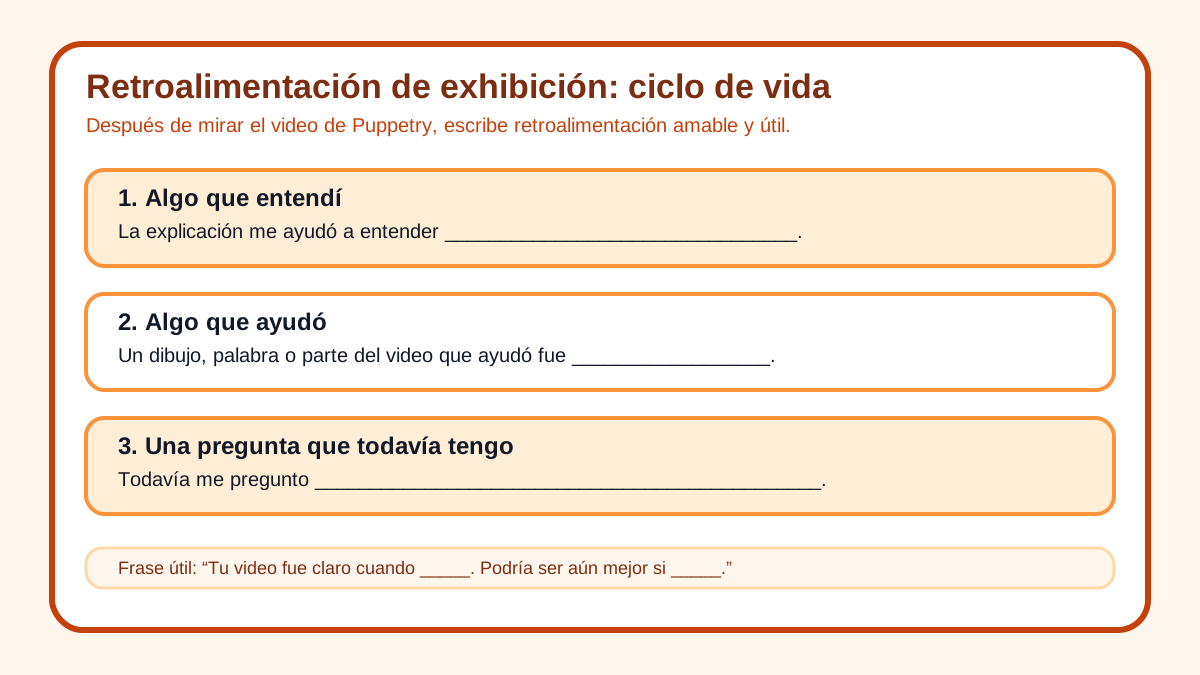
Download student reflection cardStudent self-assessment and Puppetry revision card for life-cycle sequence explanations
Download Spanish student reflection cardSpanish student reflection card with self-score, evidence check, revision goal, and Puppetry improvement prompt
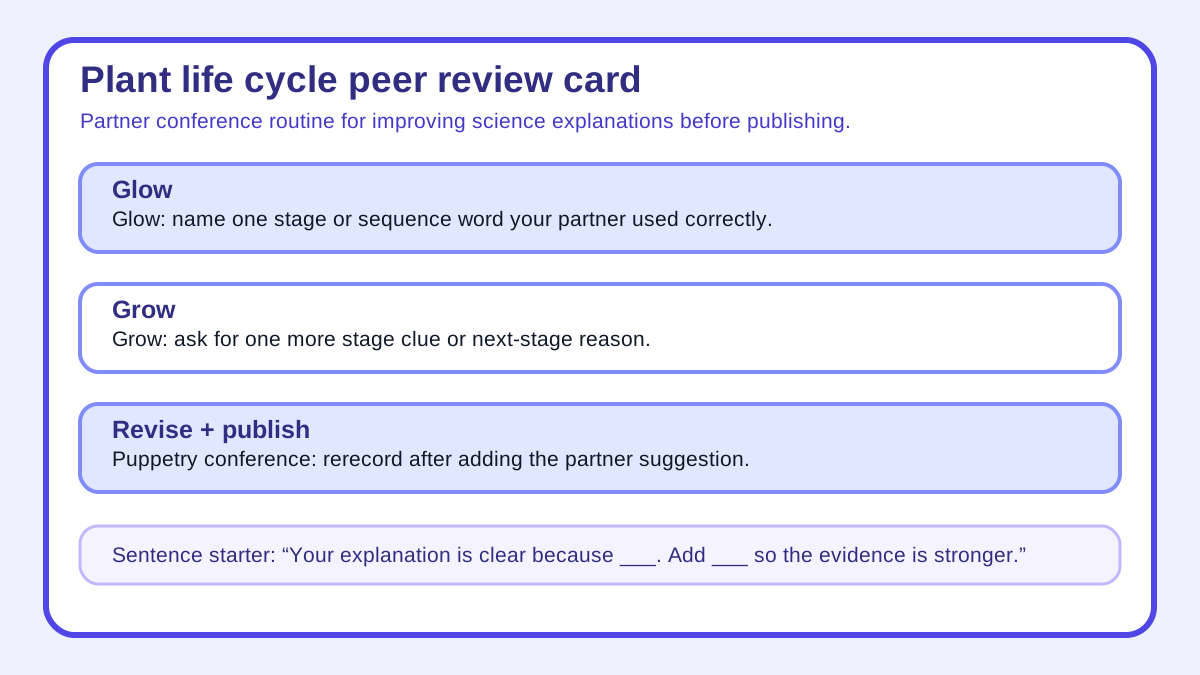
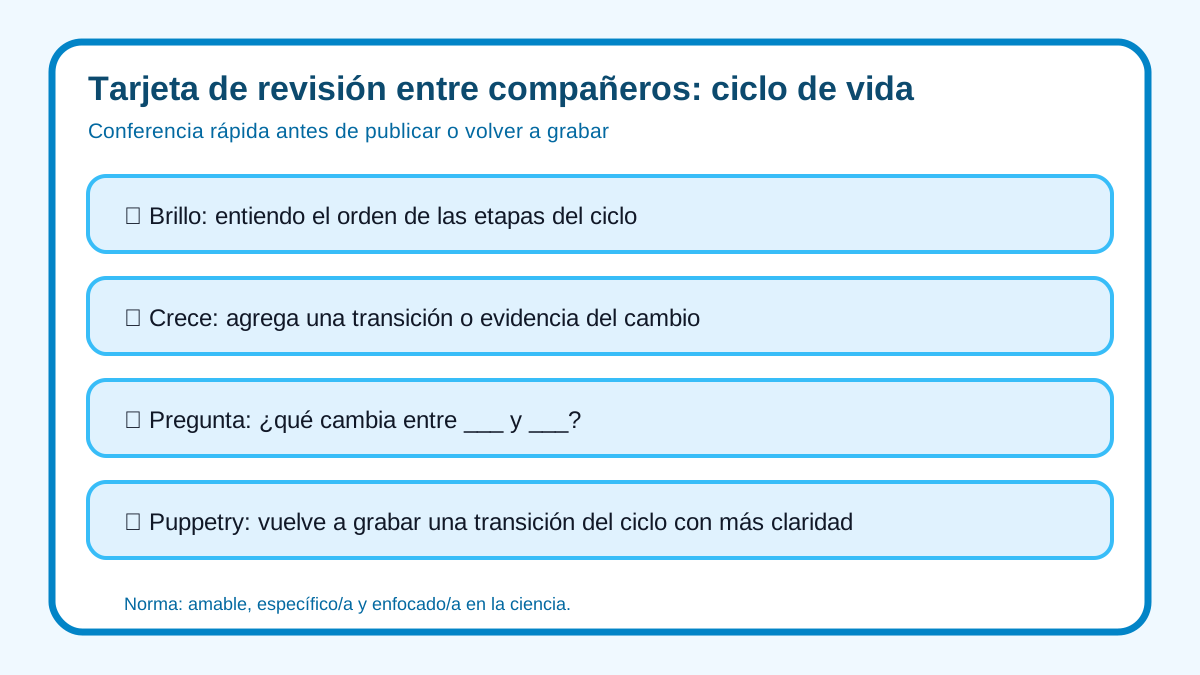
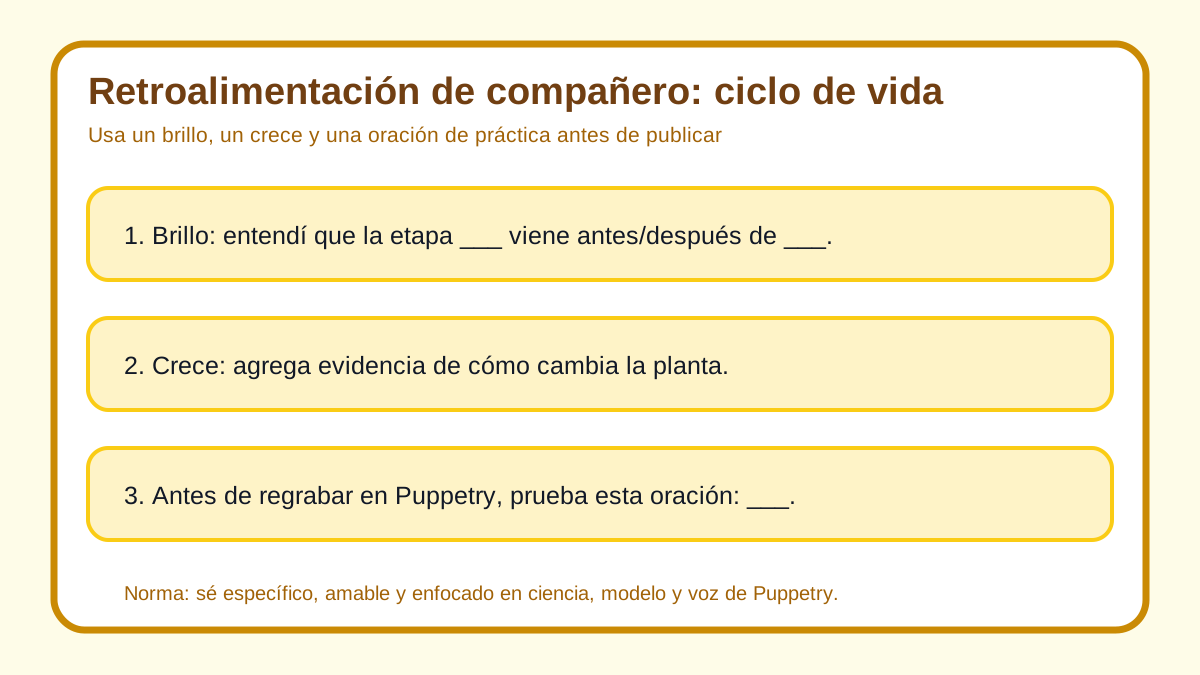
Download peer review conference cardPartner glow/grow conference card for revising life-cycle Puppetry explanations
Download Spanish peer review conference cardSpanish peer review conference card with glow/grow feedback, science question, and Puppetry rerecord prompt
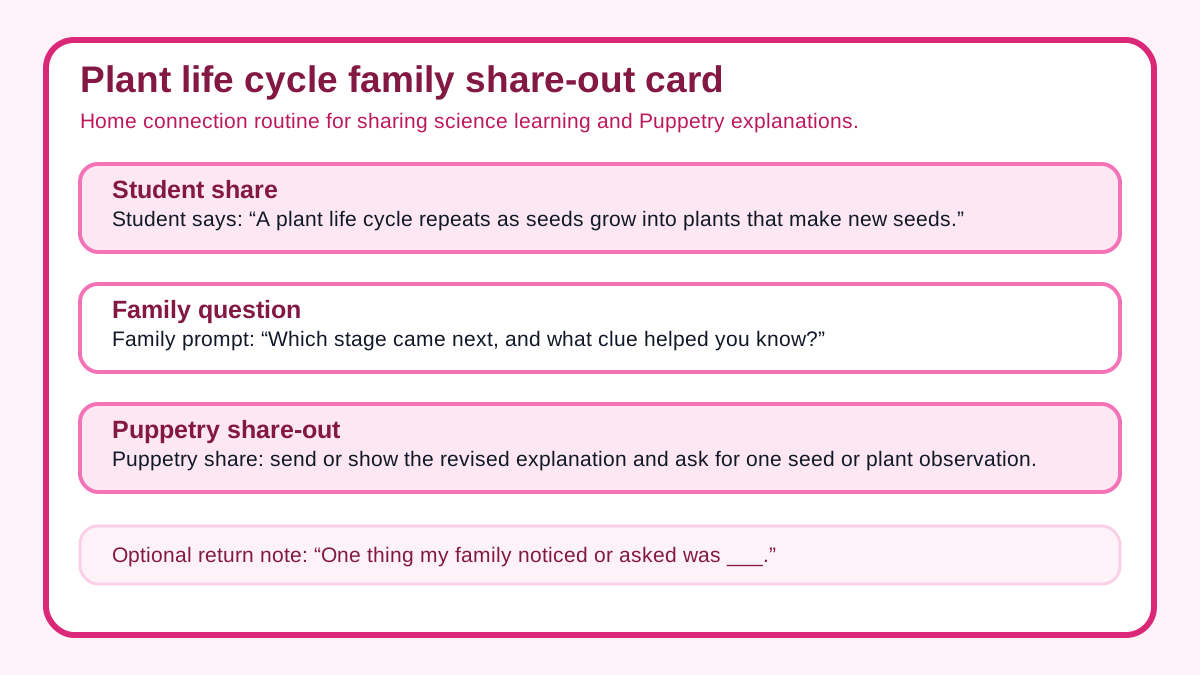
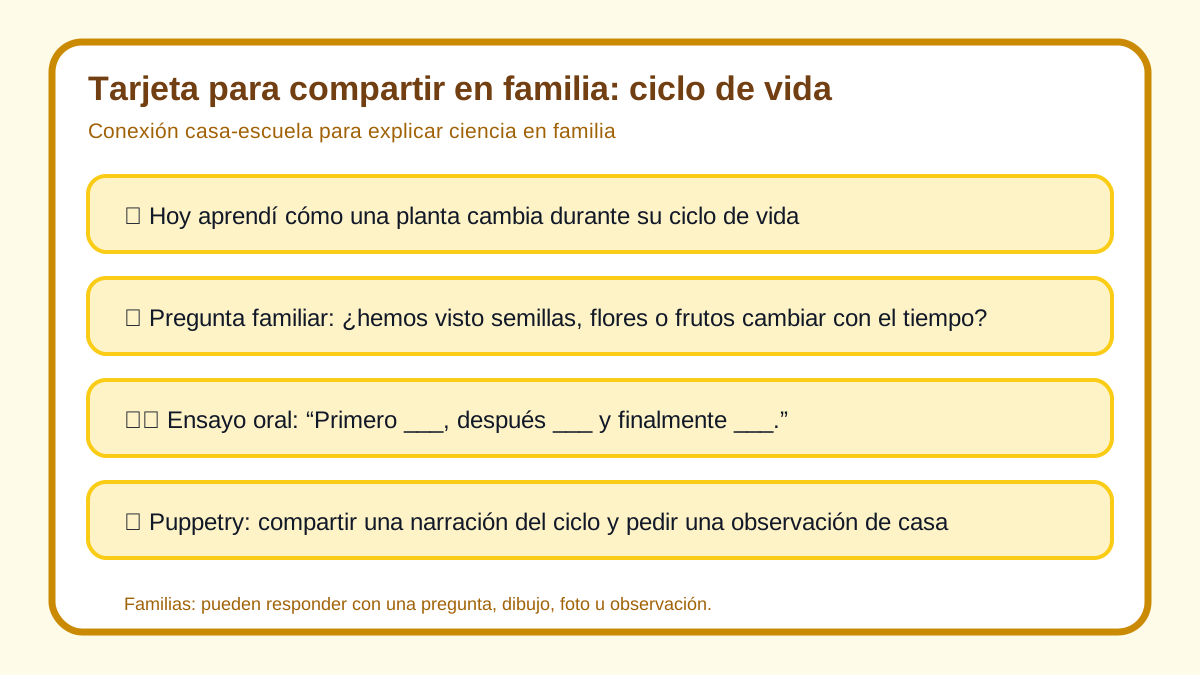
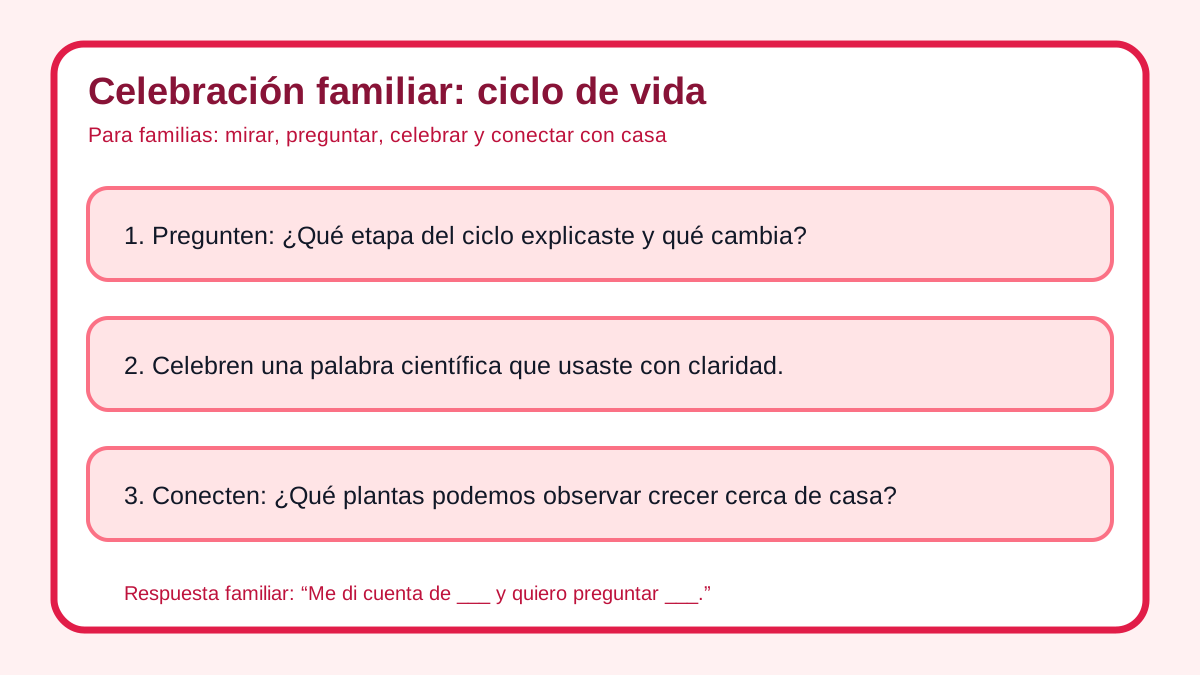
Download family share-out cardFamily/community share-out card for life-cycle Puppetry explanations and home observations
Download Spanish family share-out cardSpanish family share-out card with home connection, family question, oral rehearsal, and Puppetry share routine
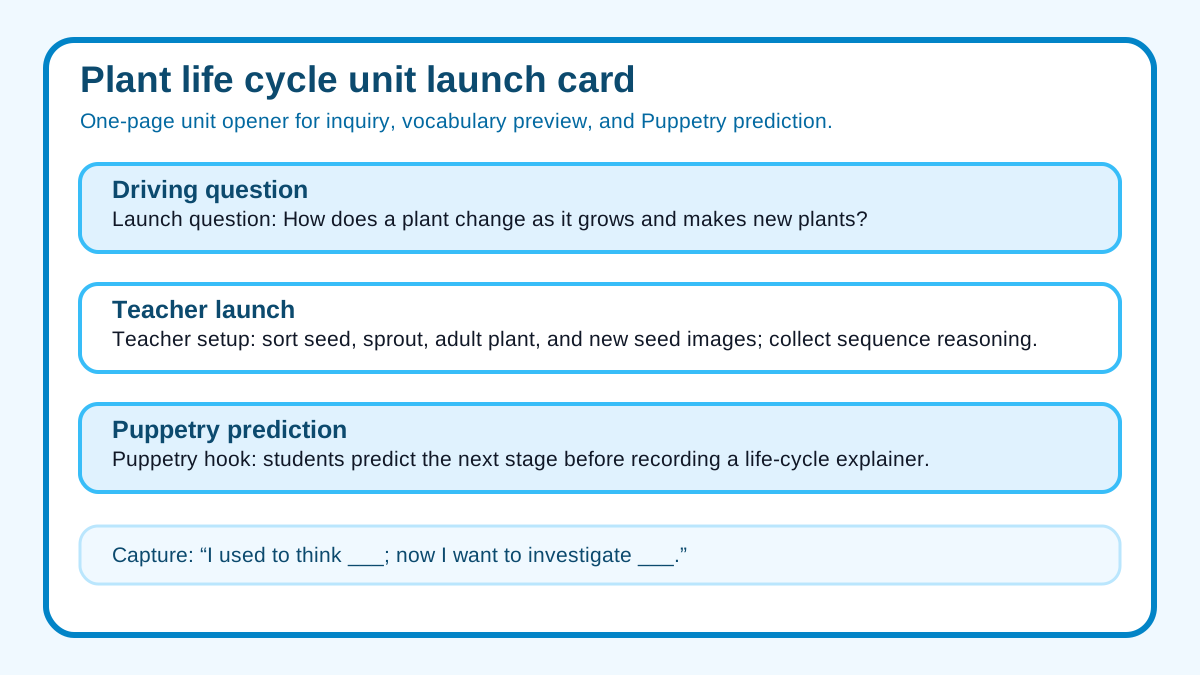
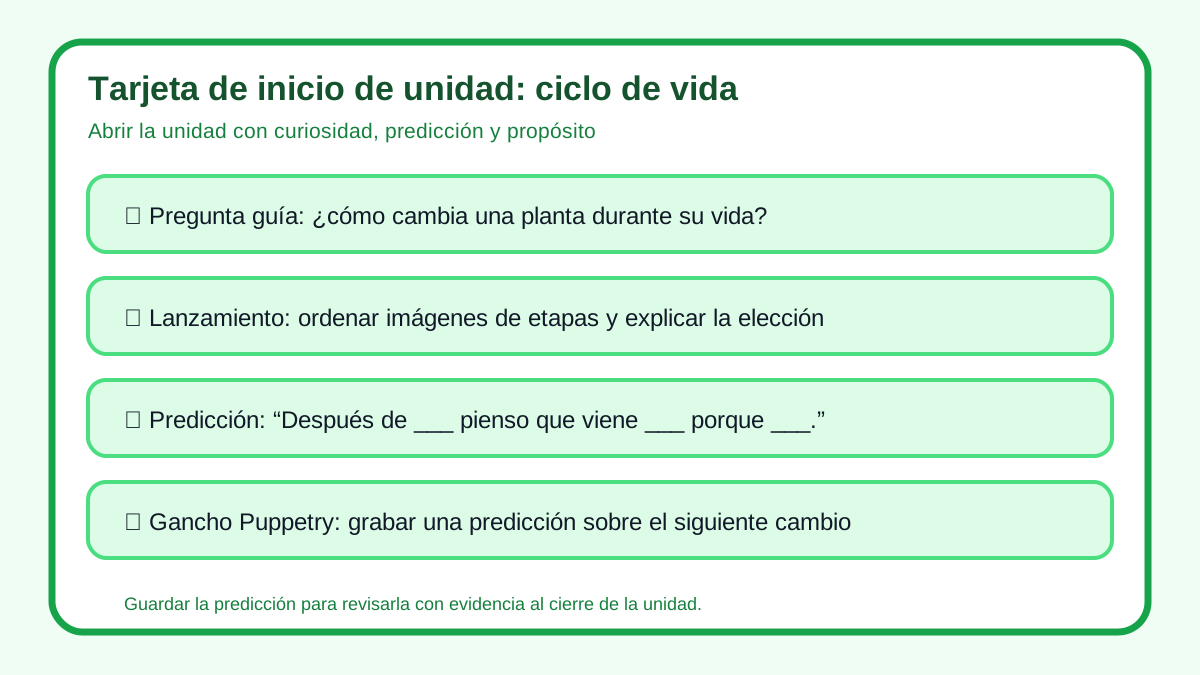
Download unit launch cardUnit opener with driving question, teacher launch, and Puppetry prediction hook for life cycles
Download Spanish unit launch cardSpanish unit launch card with driving question, teacher launch, prediction stem, and Puppetry hook
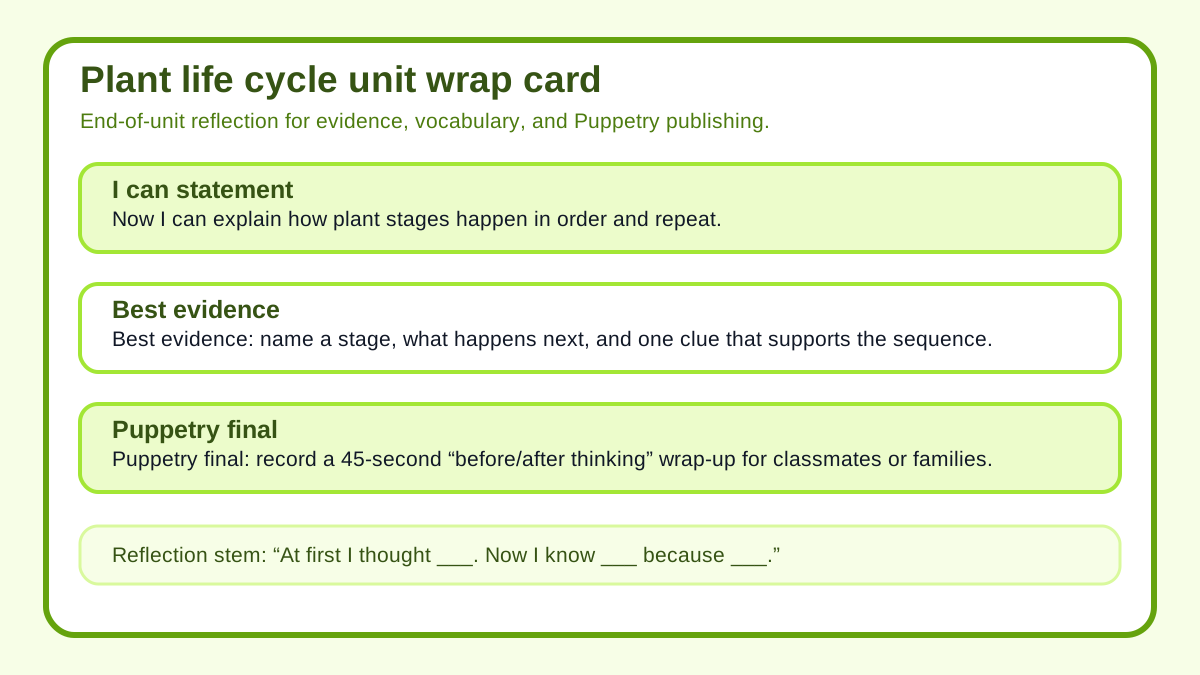
Download unit wrap cardEnd-of-unit reflection with evidence check and Puppetry final wrap-up for life cycles
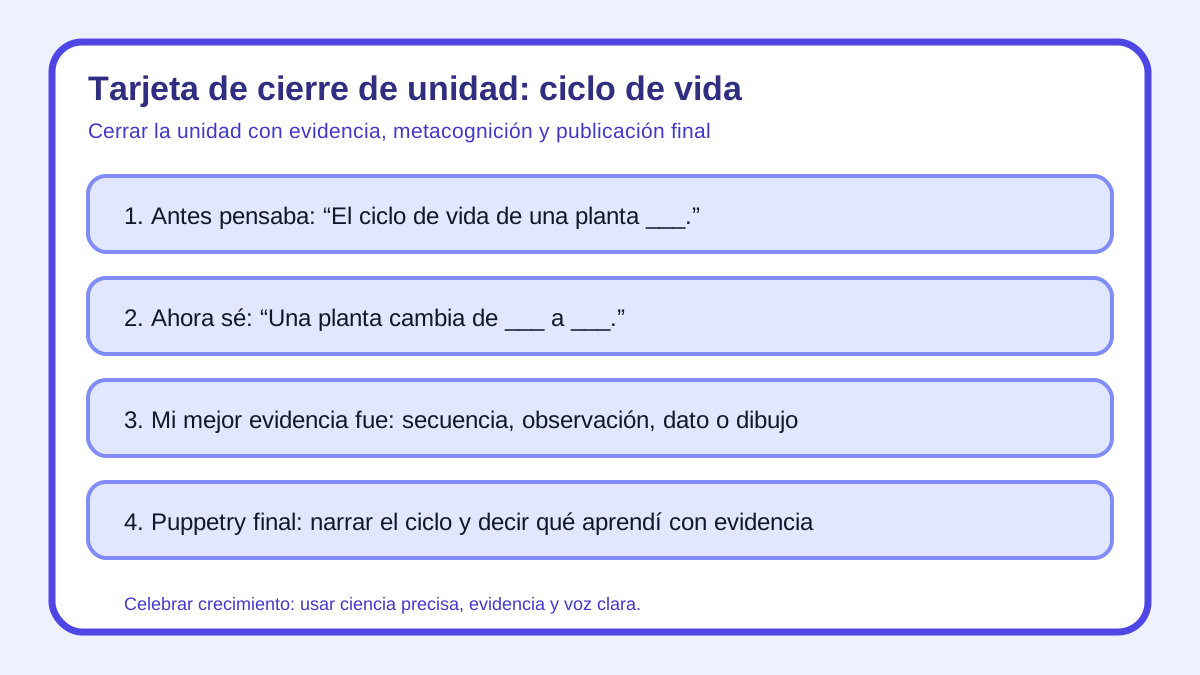
Download Spanish unit wrap cardSpanish unit wrap card with before/after reflection, best evidence, and Puppetry final wrap-up
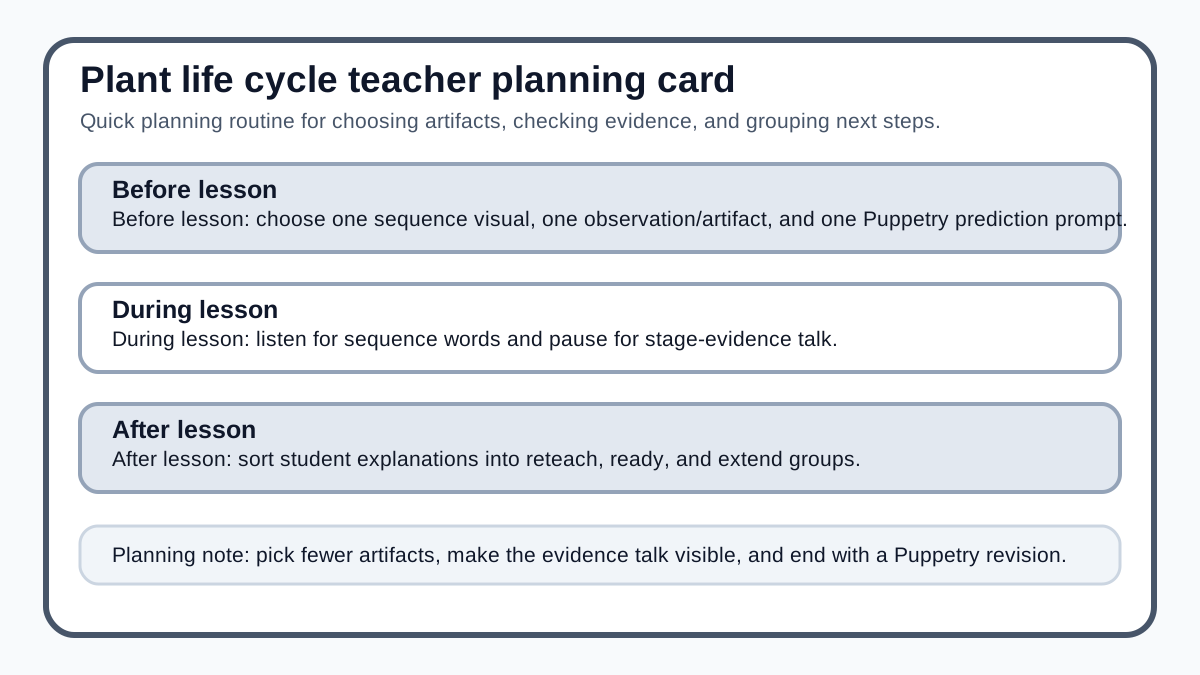
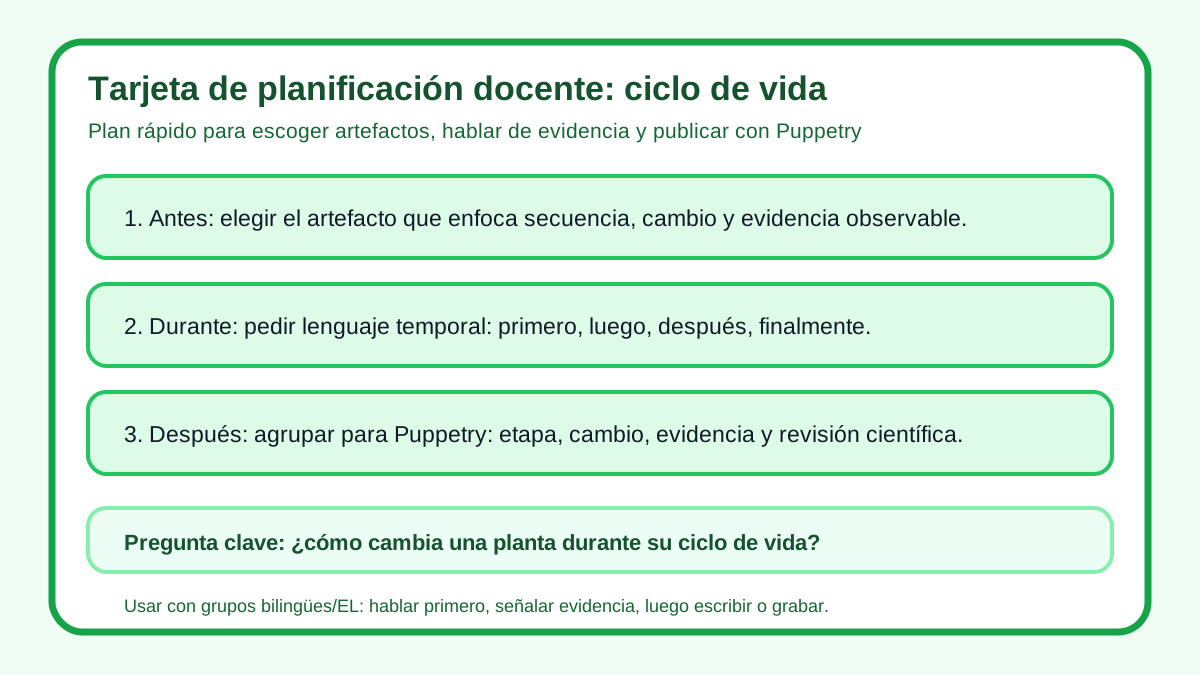
Download teacher planning cardTeacher planning routine for life-cycle artifacts, evidence talk, and Puppetry grouping
Download Spanish teacher planning cardSpanish teacher planning card for choosing artifacts, evidence talk, and Puppetry groups
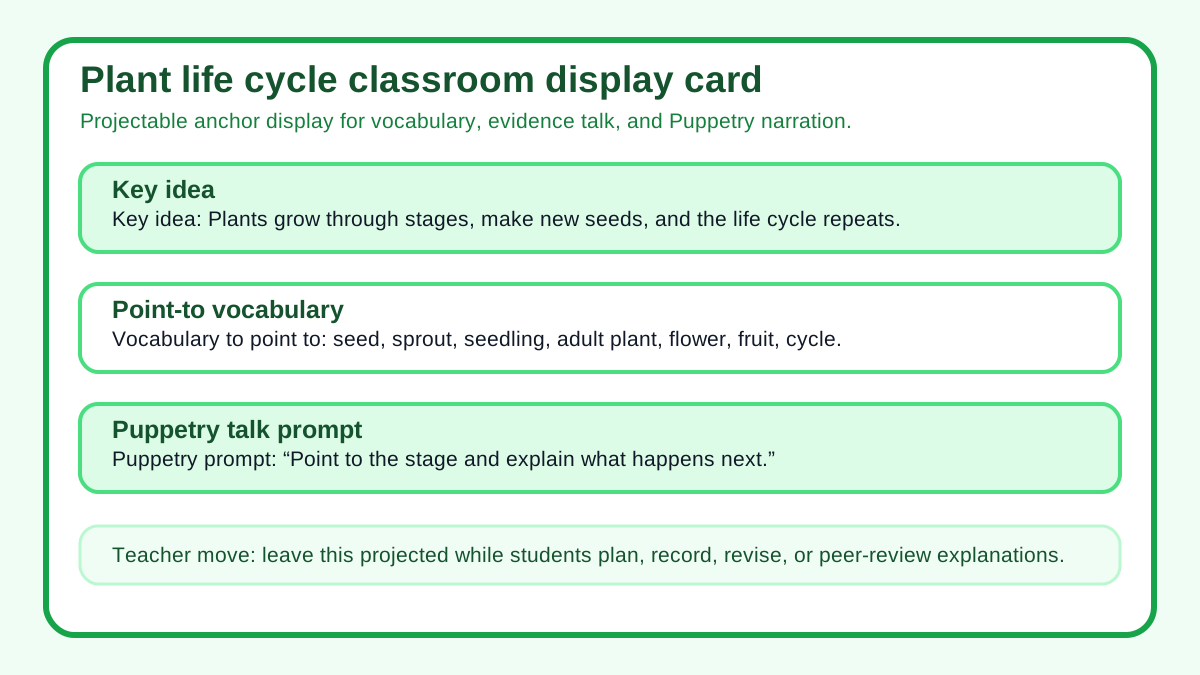
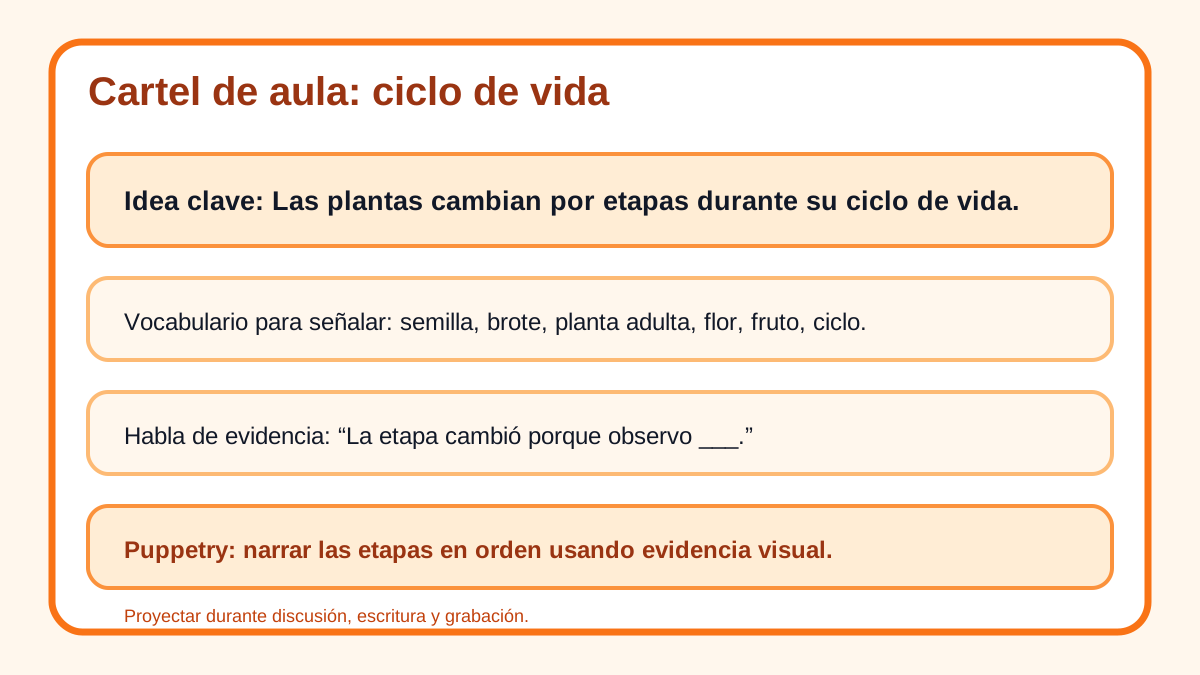
Download classroom display cardProjectable classroom display for life-cycle key idea, vocabulary, and Puppetry evidence prompt
Download Spanish classroom display cardSpanish projectable key idea, vocabulary, and Puppetry evidence-talk prompt
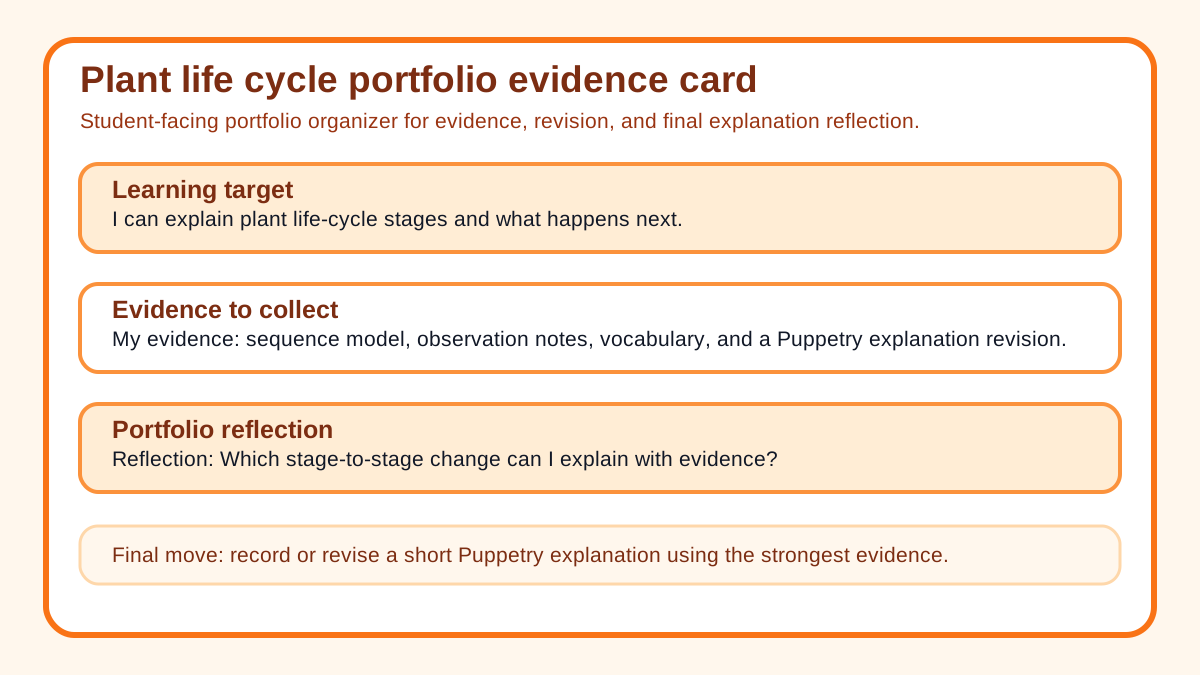
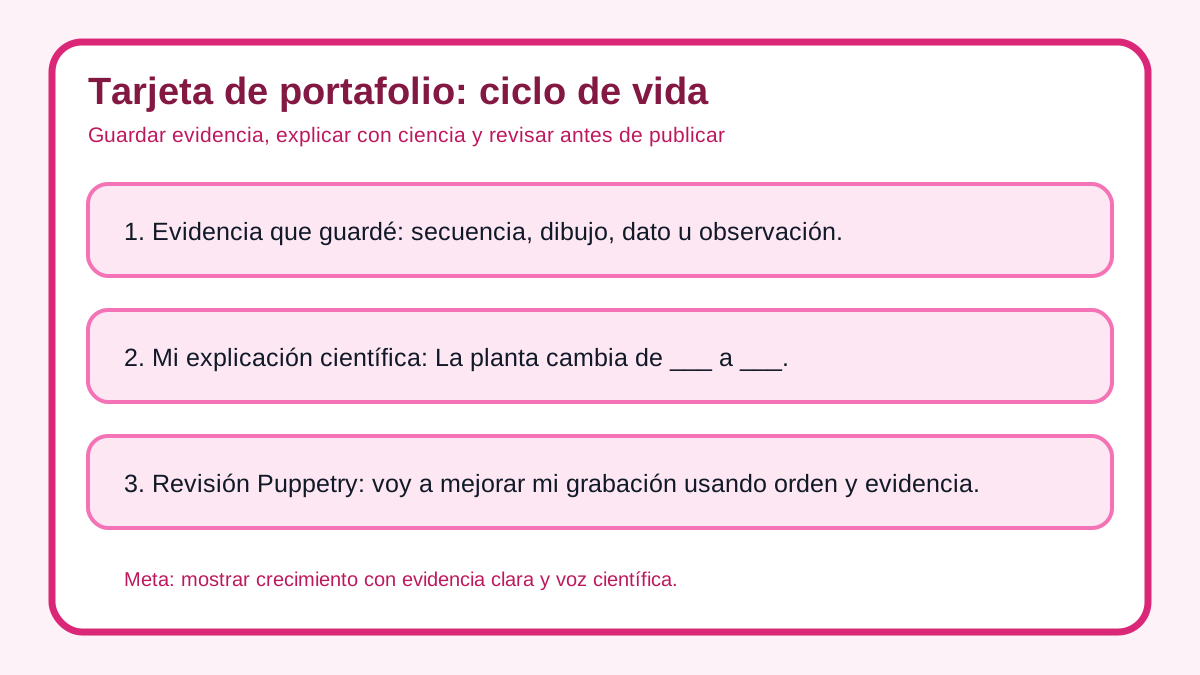
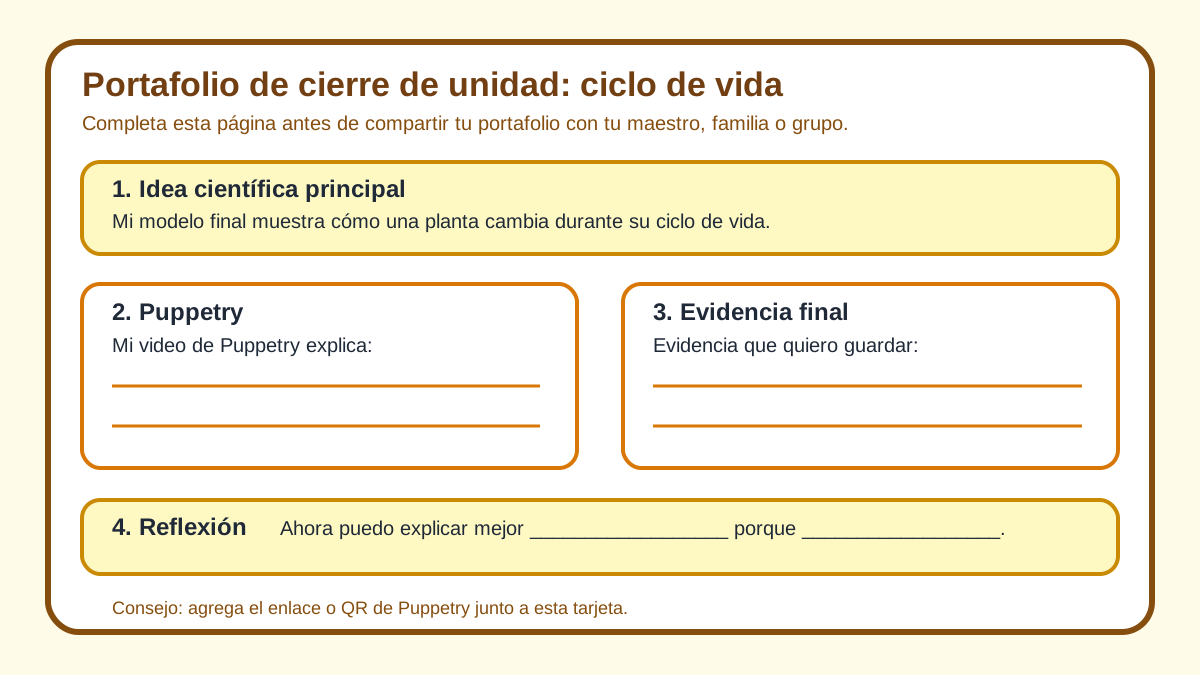
Download portfolio evidence cardStudent portfolio organizer for life-cycle evidence, reflection, and Puppetry explanation revision
Download Spanish portfolio evidence cardSpanish student portfolio organizer for evidence, reflection, and Puppetry explanation revision
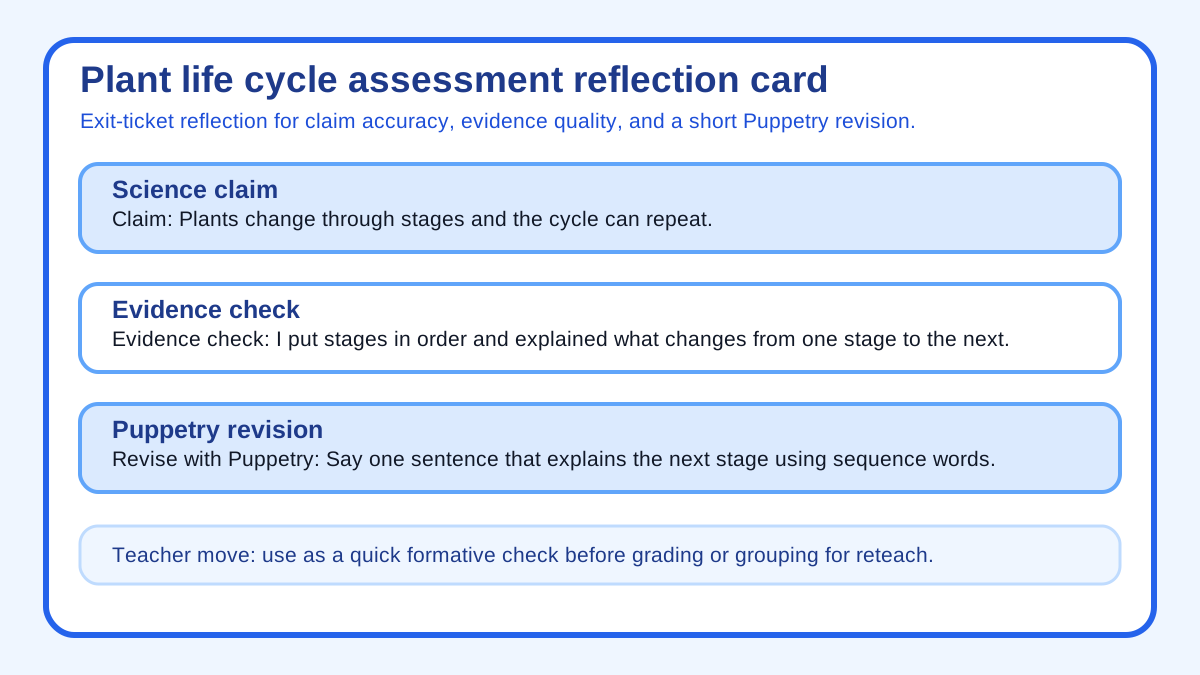
Download assessment reflection cardExit-ticket reflection for life-cycle claim accuracy, evidence quality, and Puppetry revision
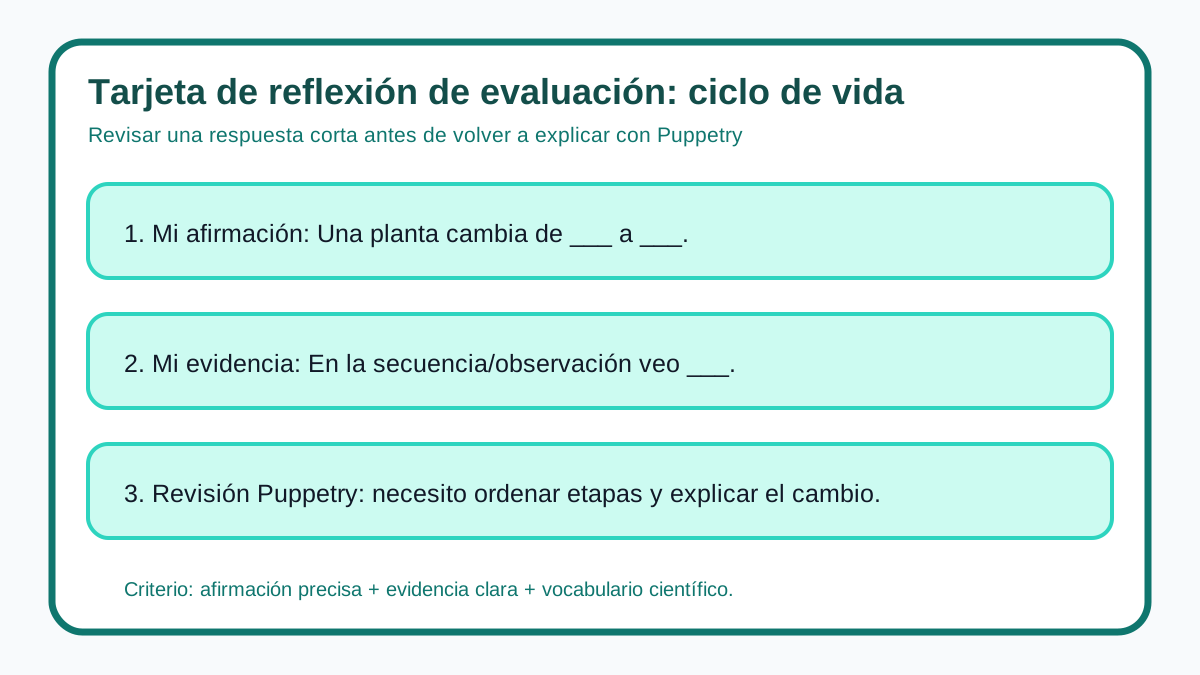
Download Spanish assessment reflection cardSpanish exit-ticket reflection for claim accuracy, evidence quality, and Puppetry revision
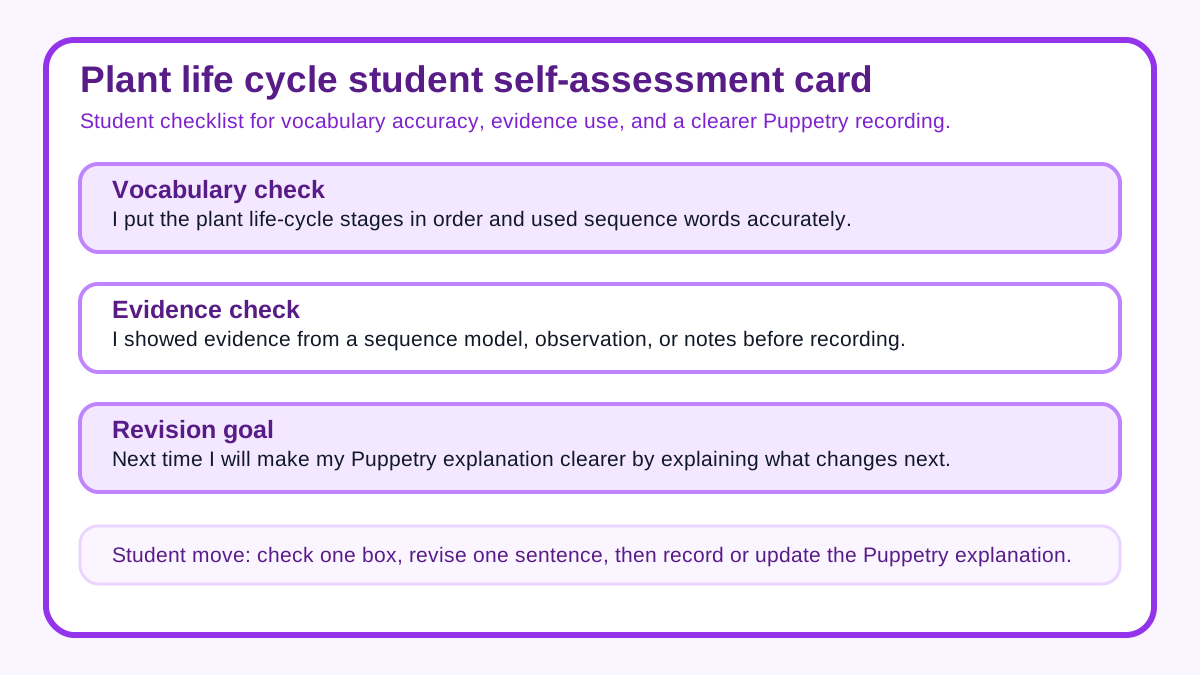
Download student self-assessment cardStudent checklist for life-cycle vocabulary accuracy, evidence use, and Puppetry revision goal
Download Spanish student self-assessment cardSpanish student self-assessment and Puppetry revision card for life-cycle sequence explanations
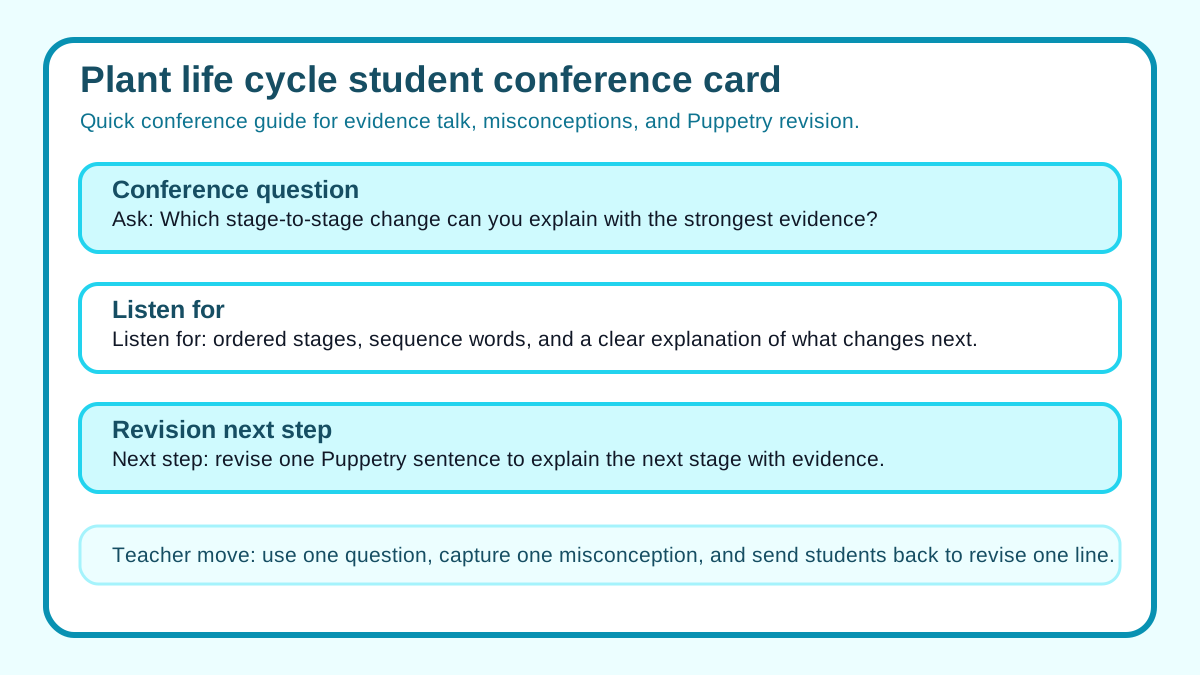
Download student conference cardTeacher-student conference prompt for life-cycle evidence talk and Puppetry revision
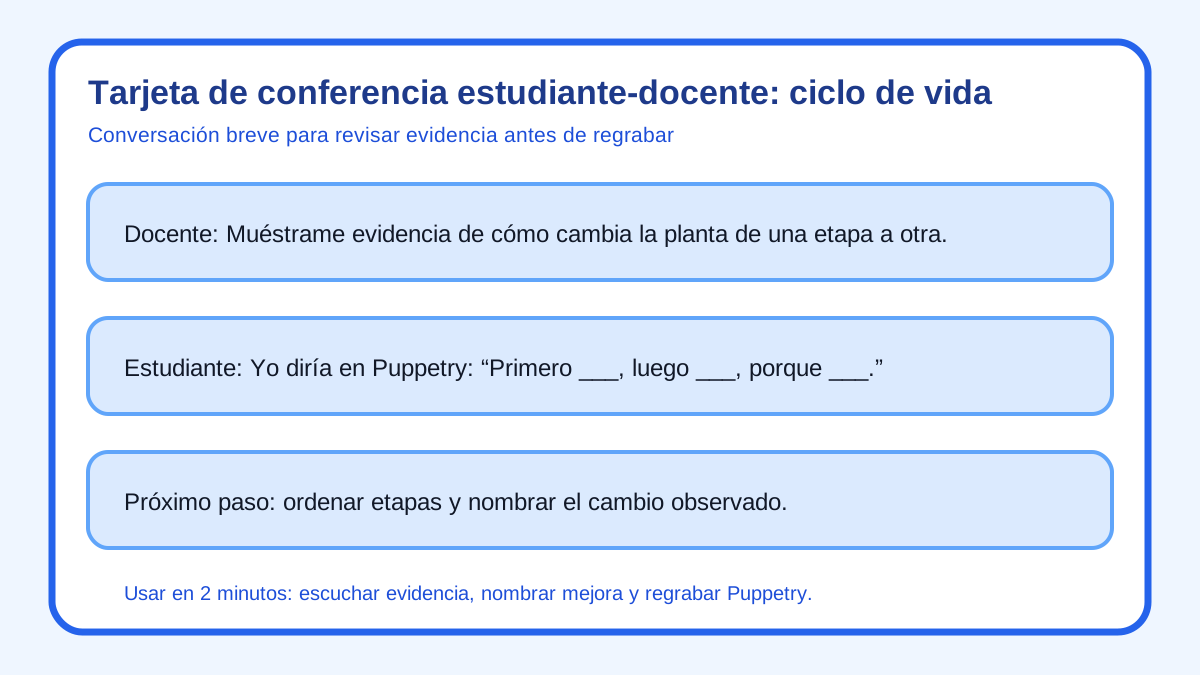
Download Spanish student conference cardSpanish teacher-student evidence-talk prompt with a Puppetry revision next step
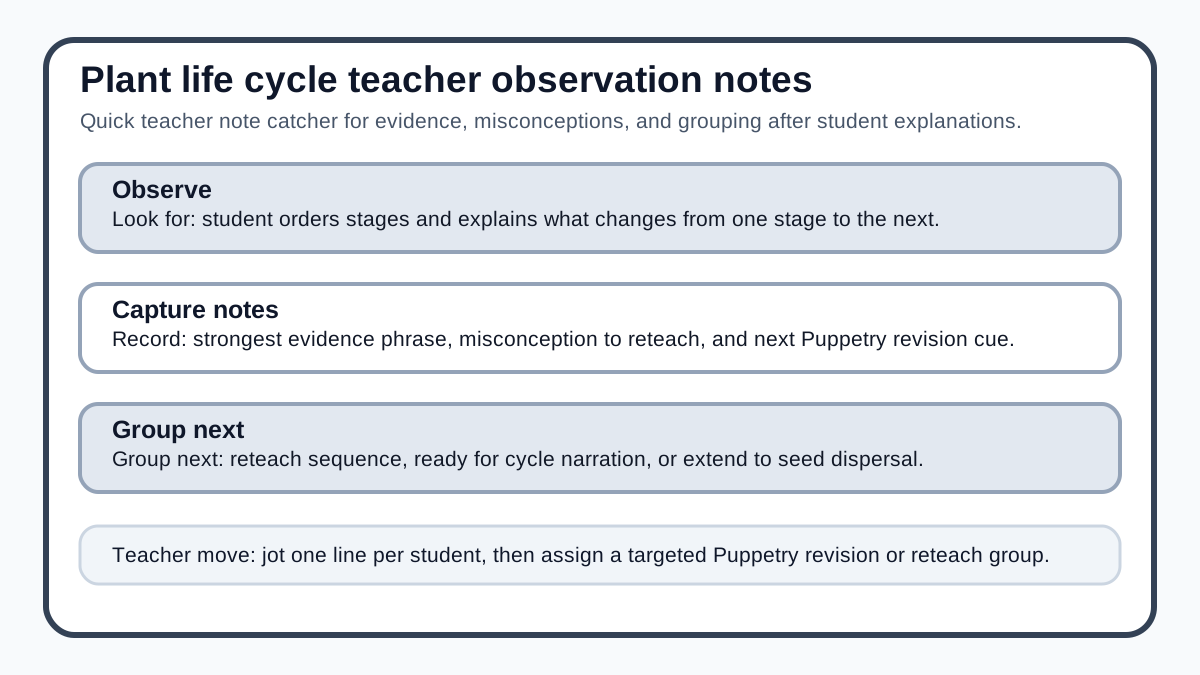
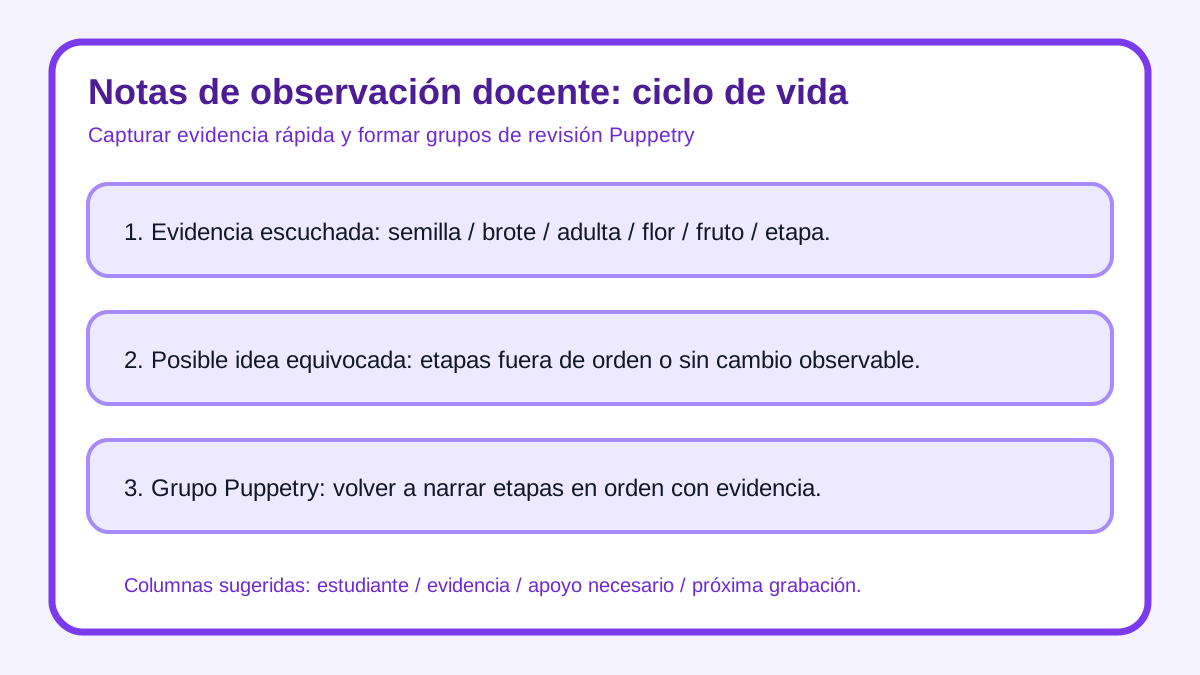
Download teacher observation notesTeacher note catcher for life-cycle evidence talk, misconceptions, and Puppetry revision grouping
Download Spanish teacher observation notesSpanish quick teacher note catcher for evidence, misconceptions, and Puppetry revision groups
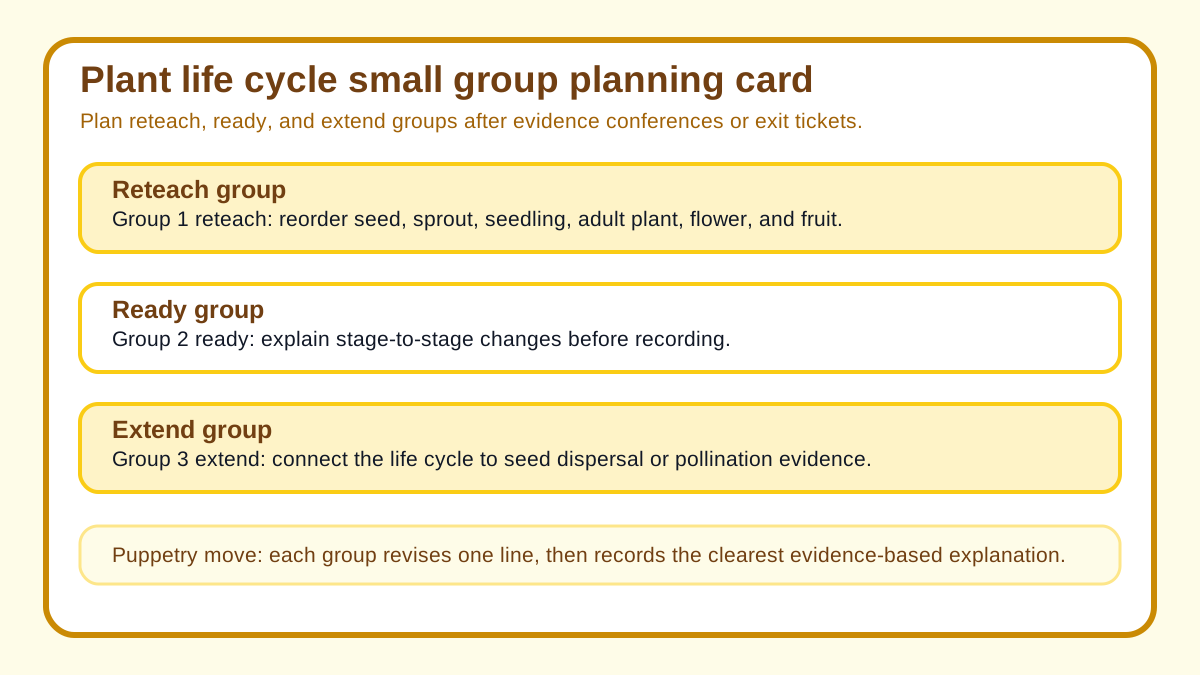
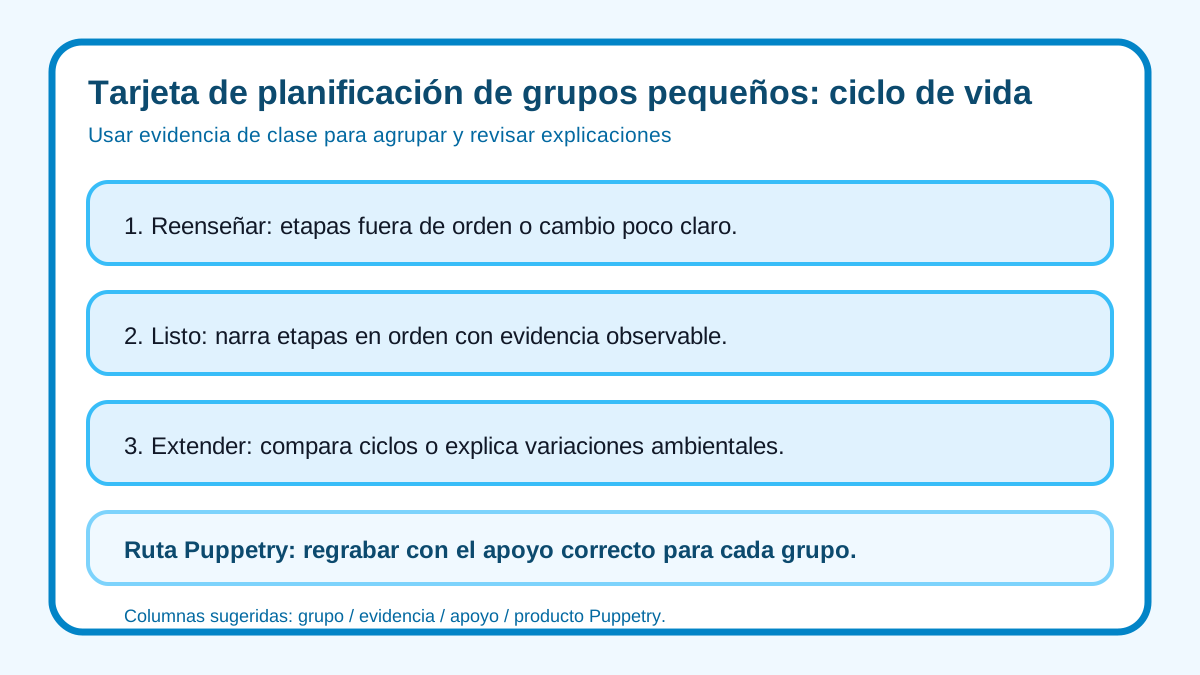
Download small group planning cardTeacher small-group plan for life-cycle reteach, ready, and extend Puppetry revision paths
Download Spanish small group planning cardSpanish reteach/ready/extend grouping plan with Puppetry revision paths
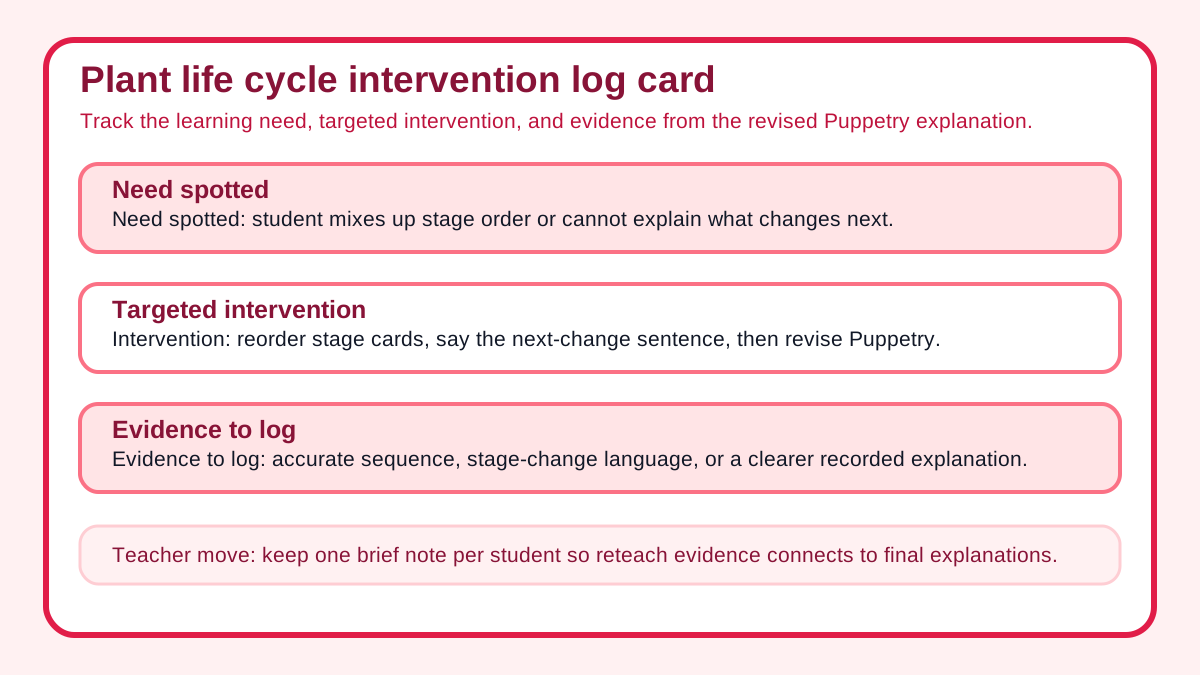
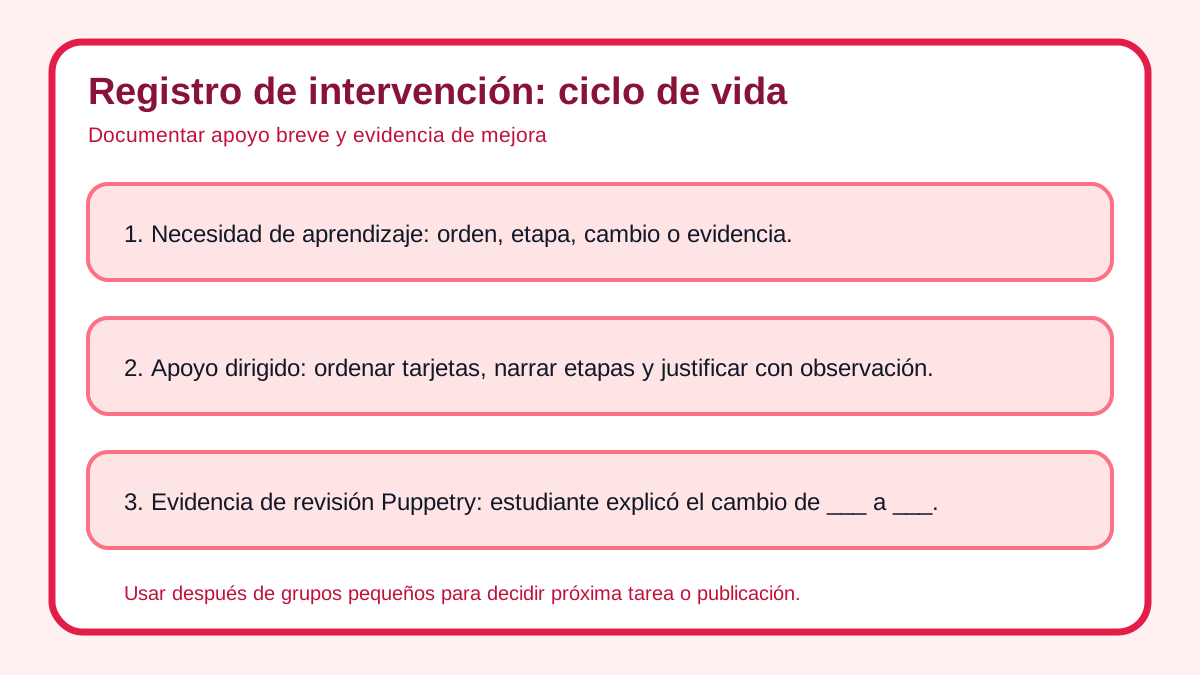
Download intervention log cardTeacher intervention log for life-cycle learning needs, targeted support, and Puppetry revision evidence
Download Spanish intervention log cardSpanish teacher note catcher for learning need, targeted support, and Puppetry revision evidence
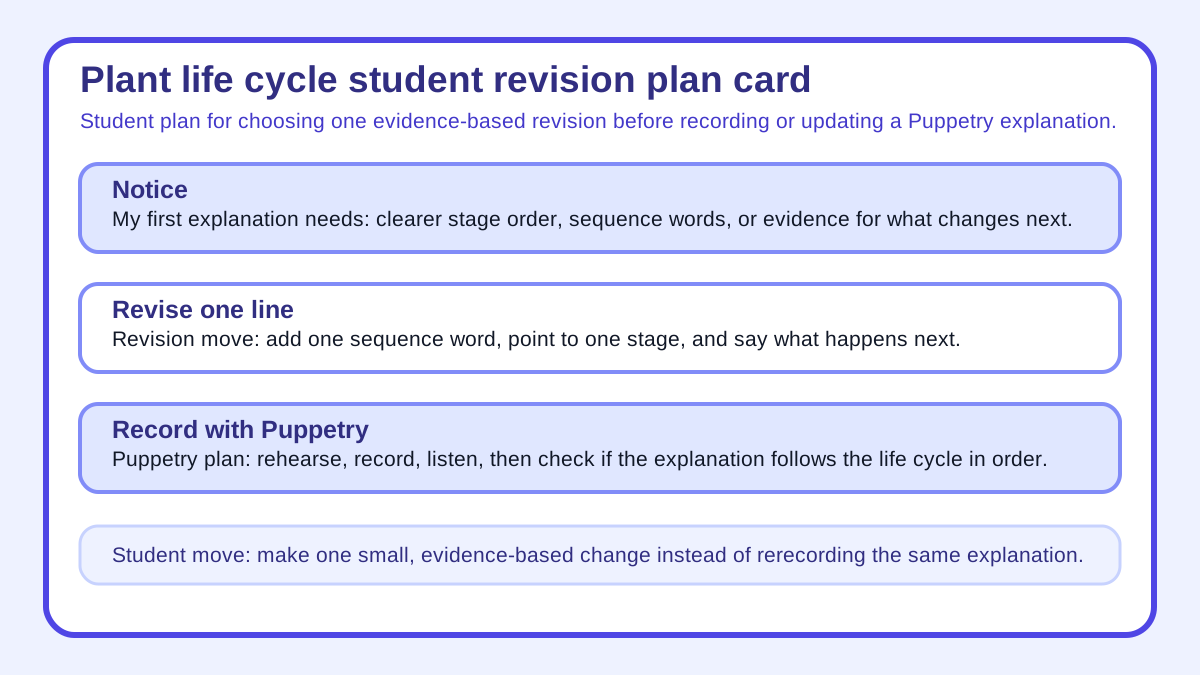
Download student revision plan cardStudent revision planner for improving life-cycle evidence before a Puppetry recording
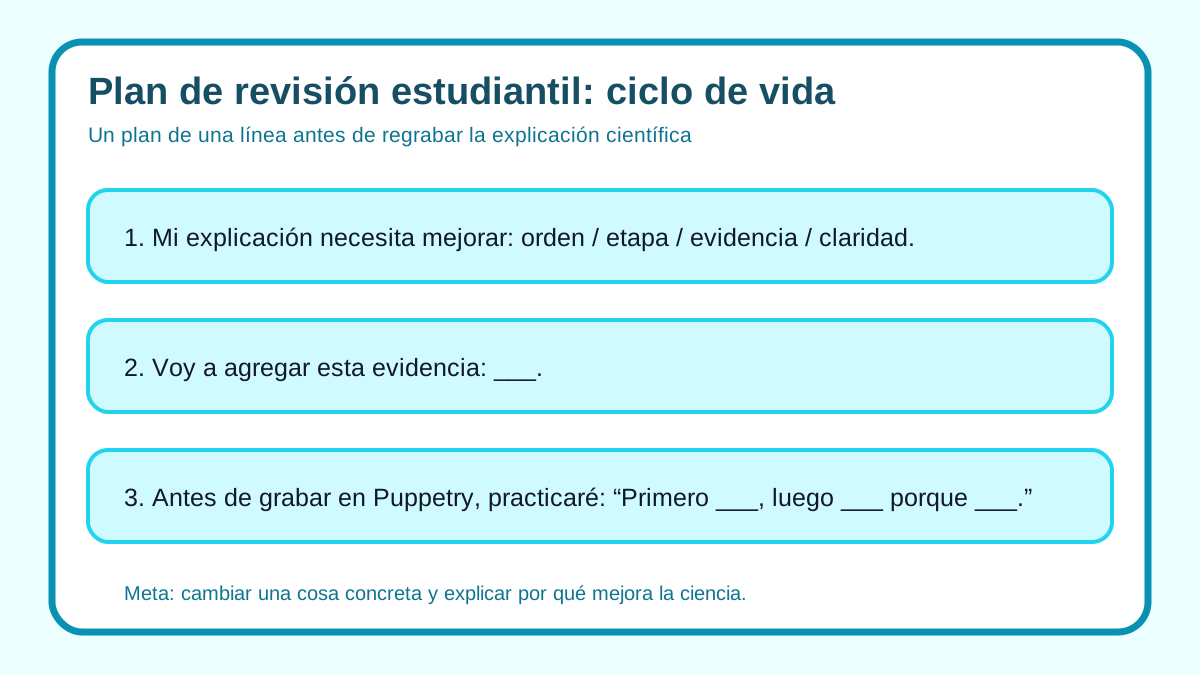
Download Spanish student revision plan cardSpanish one-line evidence revision planner before Puppetry recording
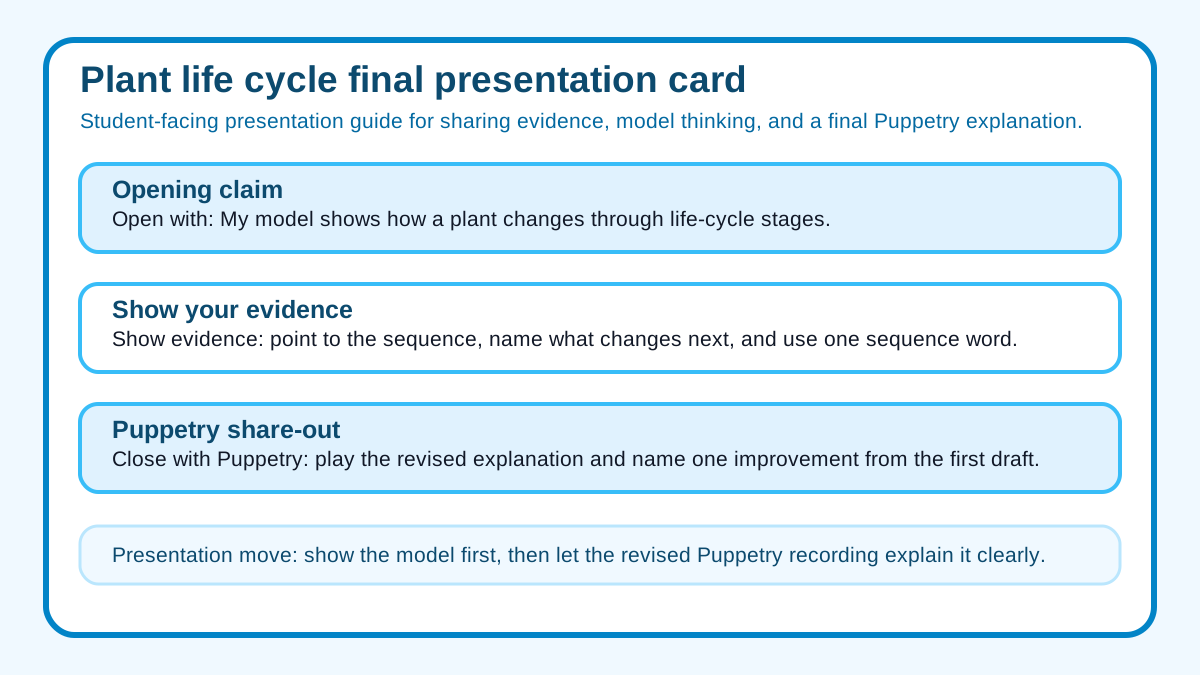
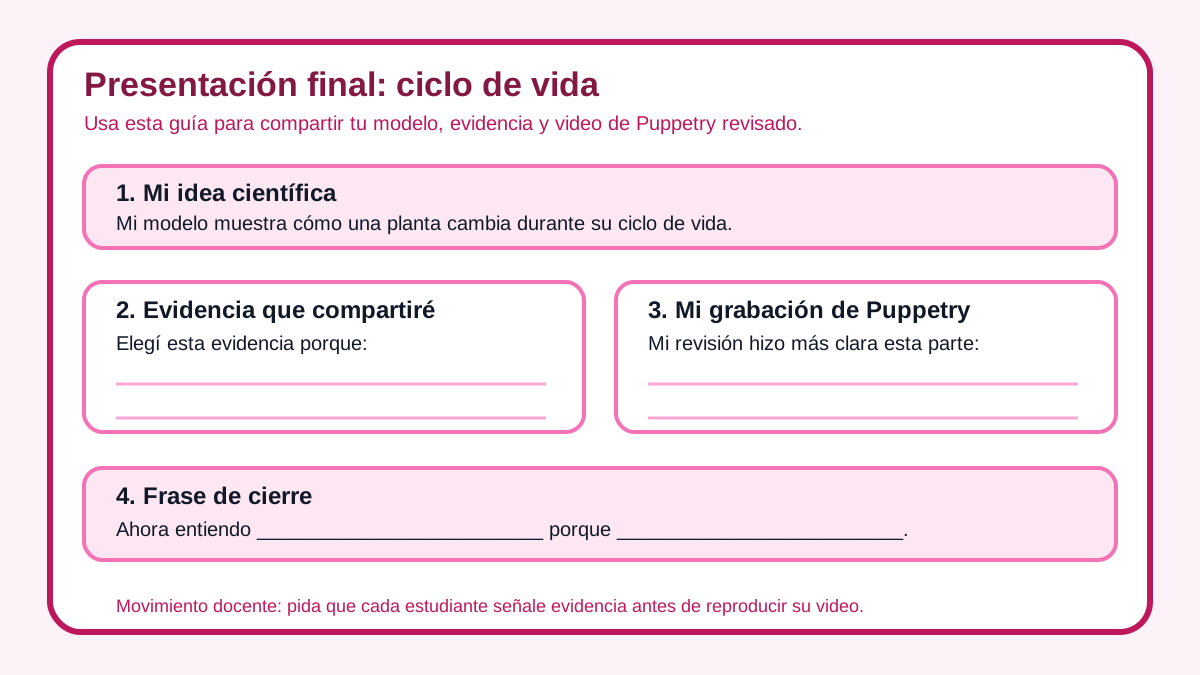
Download final presentation cardStudent presentation guide for sharing life-cycle evidence and a revised Puppetry explanation
Download Spanish final presentation cardSpanish final presentation card for sharing life-cycle evidence, model explanation, and revised Puppetry recording
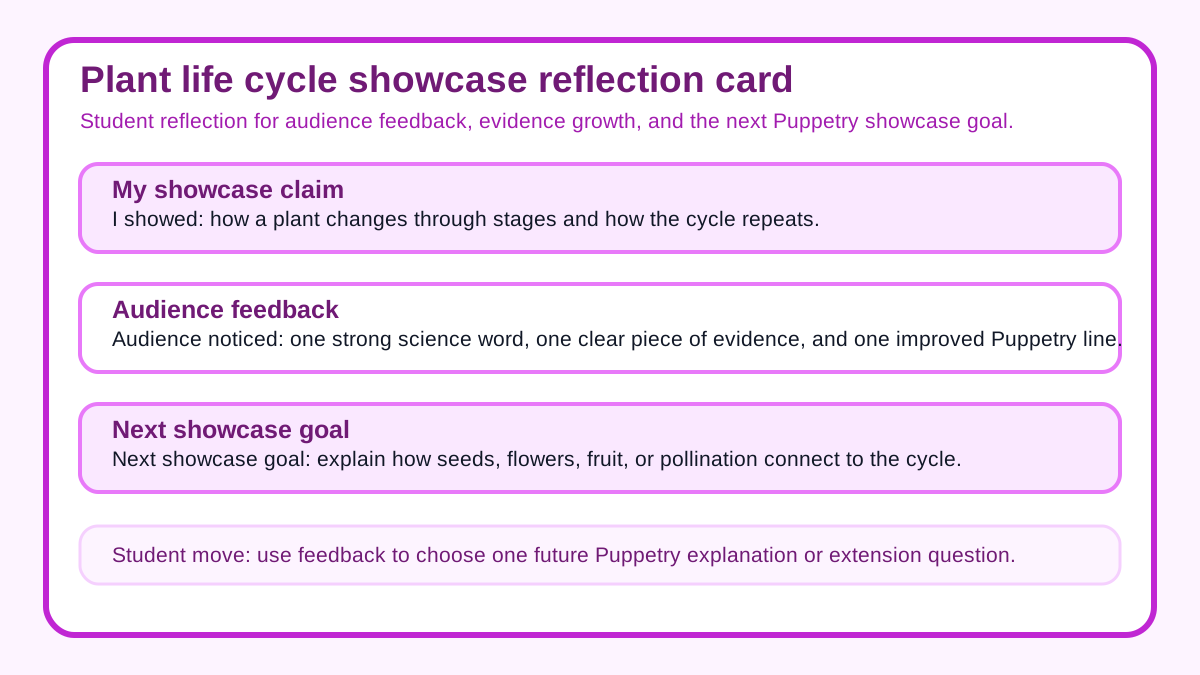
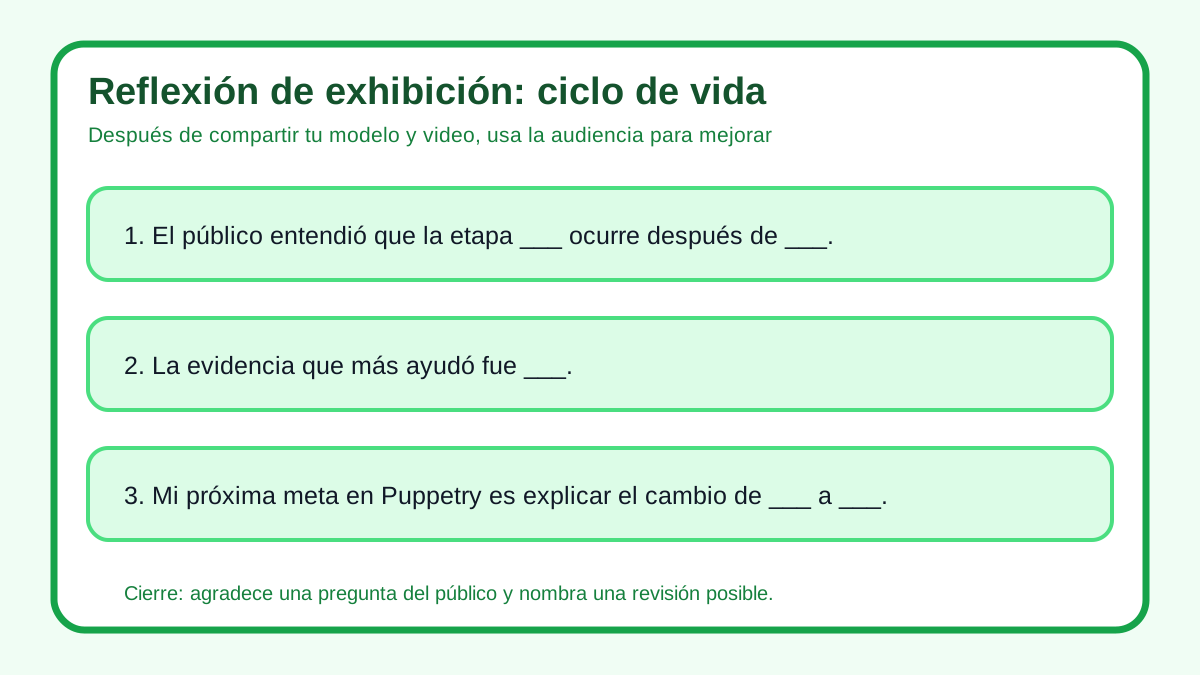
Download showcase reflection cardStudent showcase reflection for life-cycle audience feedback and next Puppetry goal
Download Spanish showcase reflection cardSpanish audience-feedback reflection with a next Puppetry showcase goal
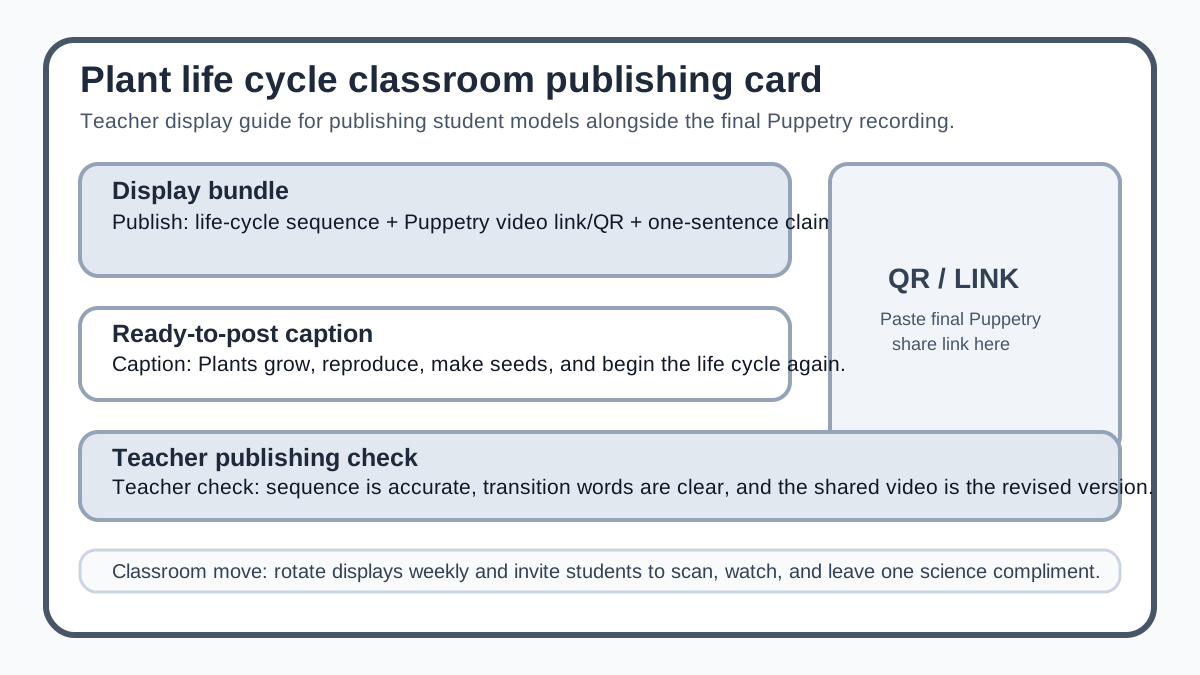
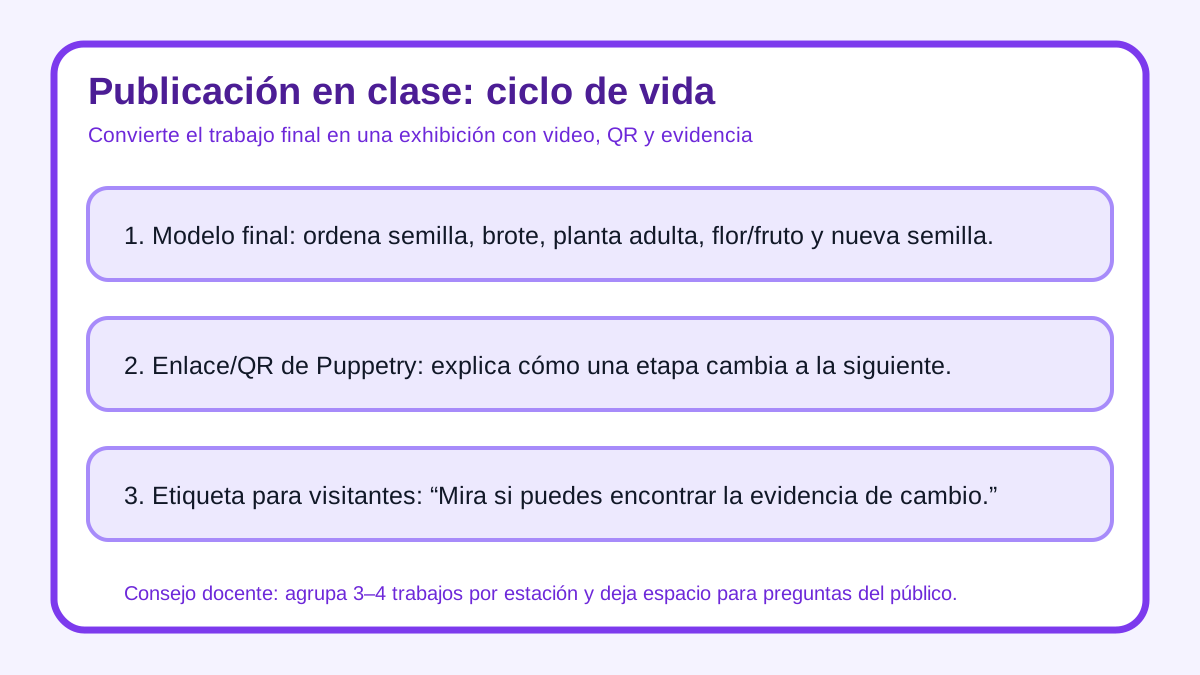
Download classroom publishing cardTeacher classroom publishing card for displaying life-cycle models with final Puppetry links
Download Spanish classroom publishing cardSpanish classroom display guide for final models plus Puppetry video links/QRs
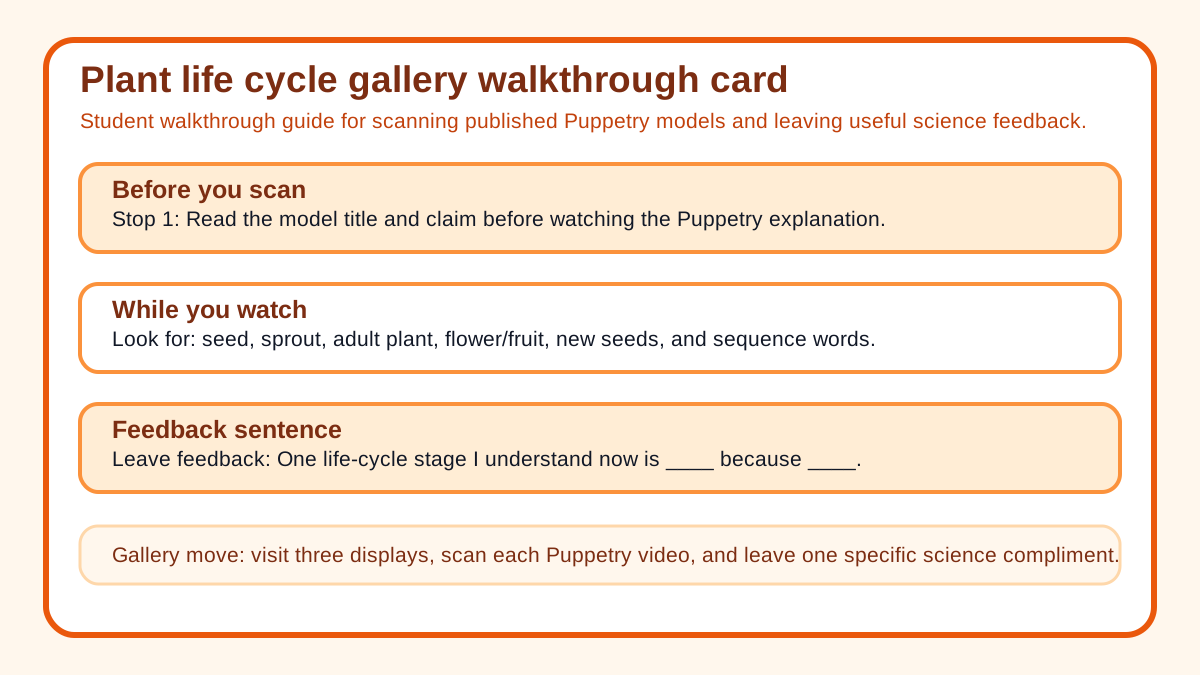
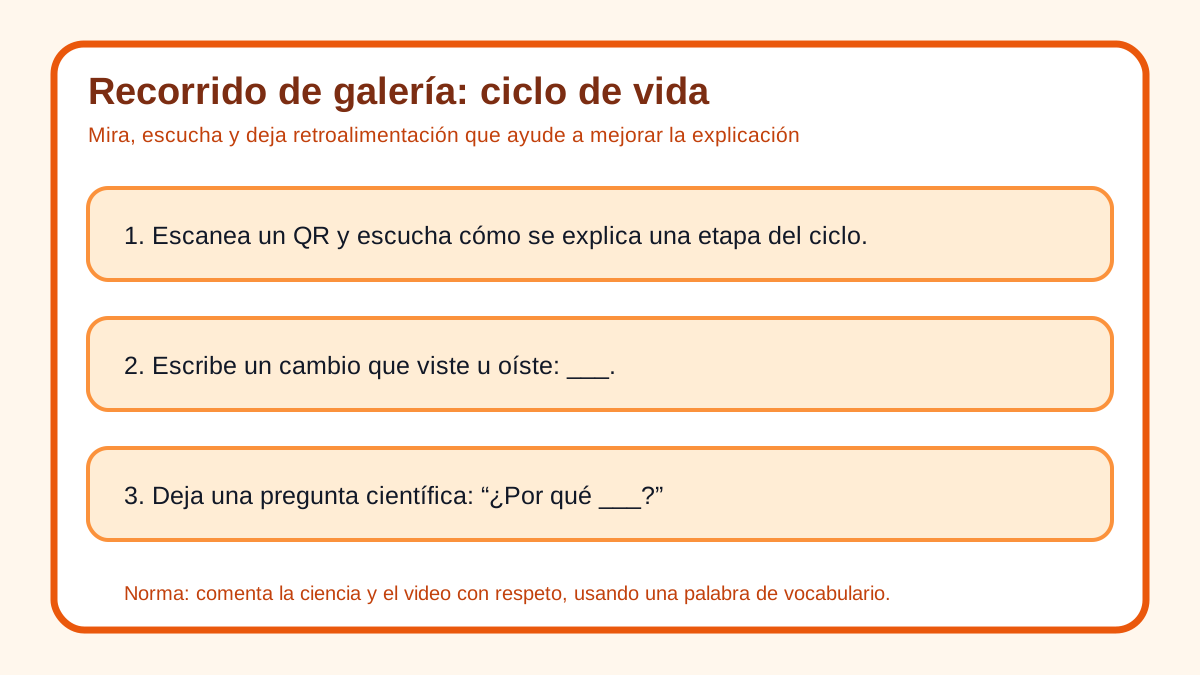
Download gallery walkthrough cardStudent gallery walkthrough guide for scanning life-cycle Puppetry displays
Download Spanish gallery walkthrough cardSpanish student guide for scanning published Puppetry displays and leaving science feedback
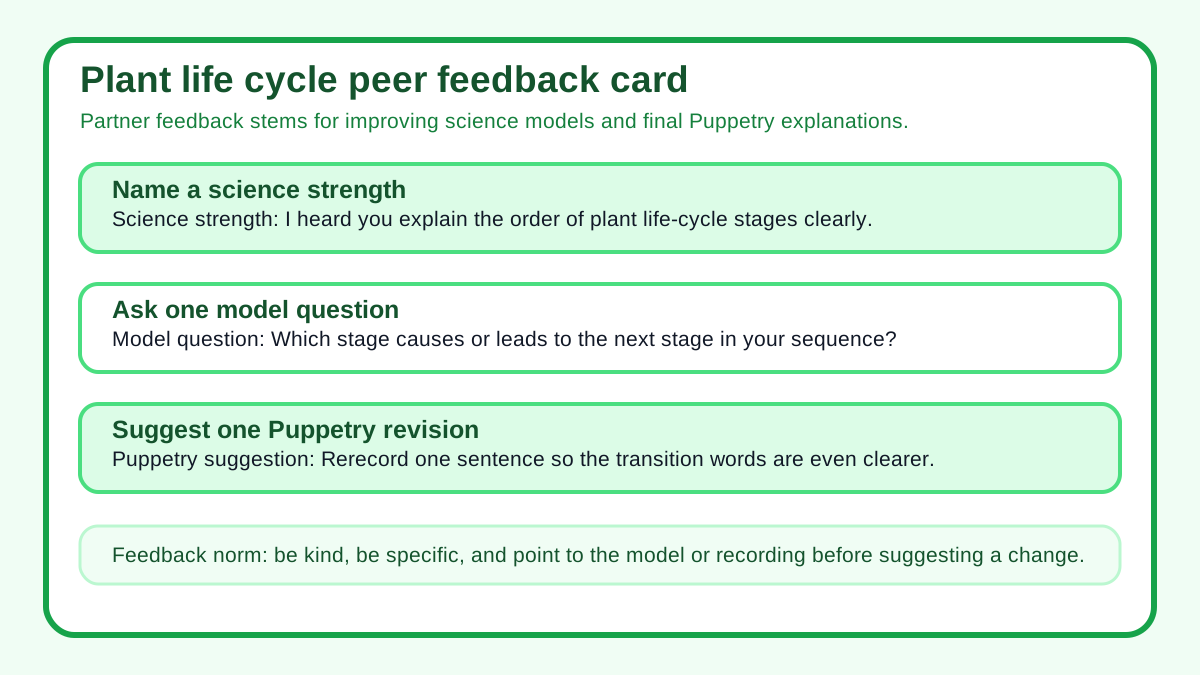
Download peer feedback cardPartner feedback stems for improving life-cycle models and Puppetry explanations
Download Spanish peer feedback cardSpanish partner feedback stems for improving science models and Puppetry explanations
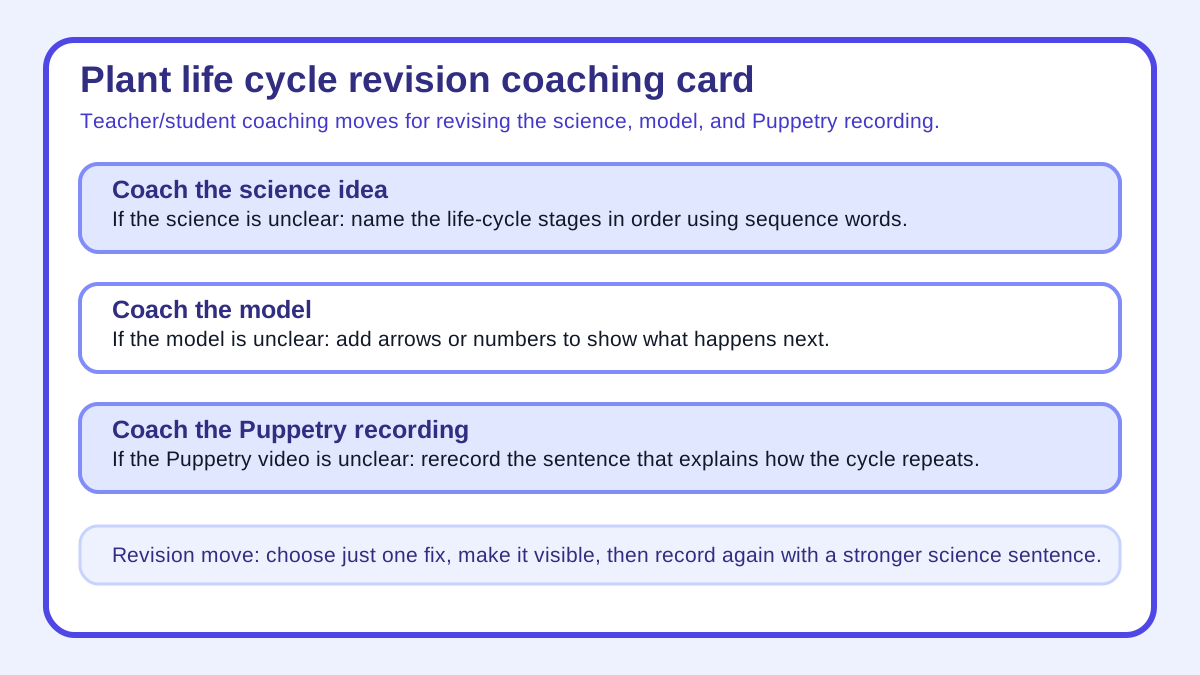
Download revision coaching cardRevision coaching moves for improving life-cycle models and Puppetry recordings
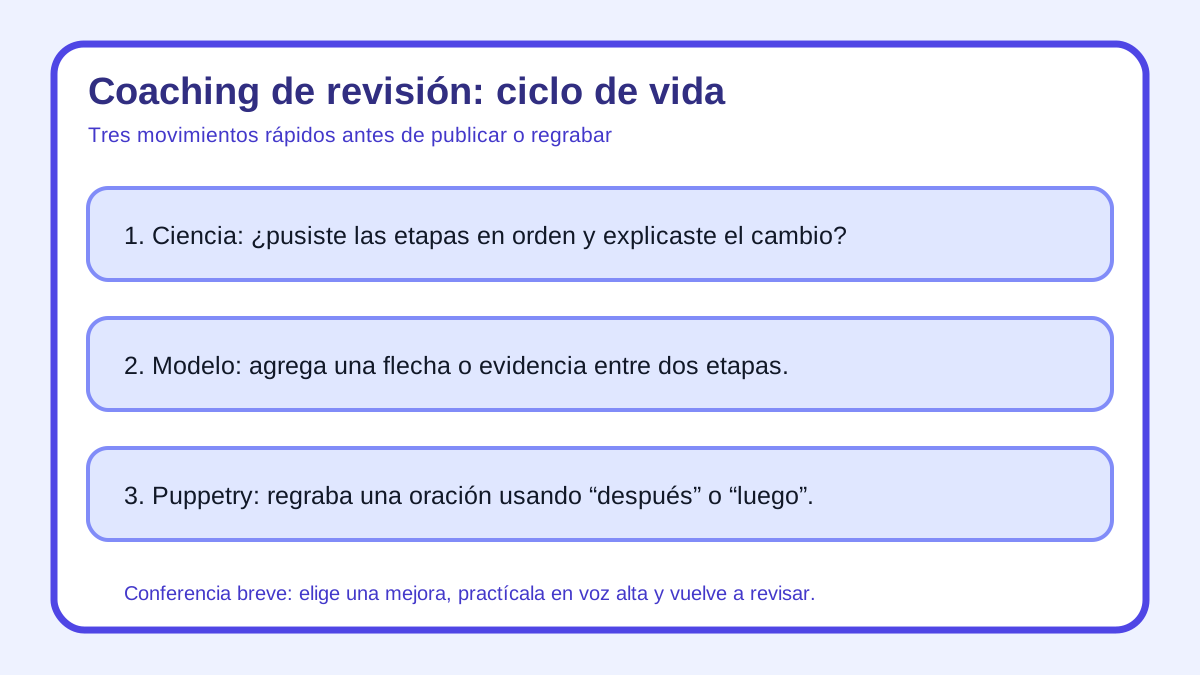
Download Spanish revision coaching cardSpanish coaching moves for revising the science, model, and Puppetry recording
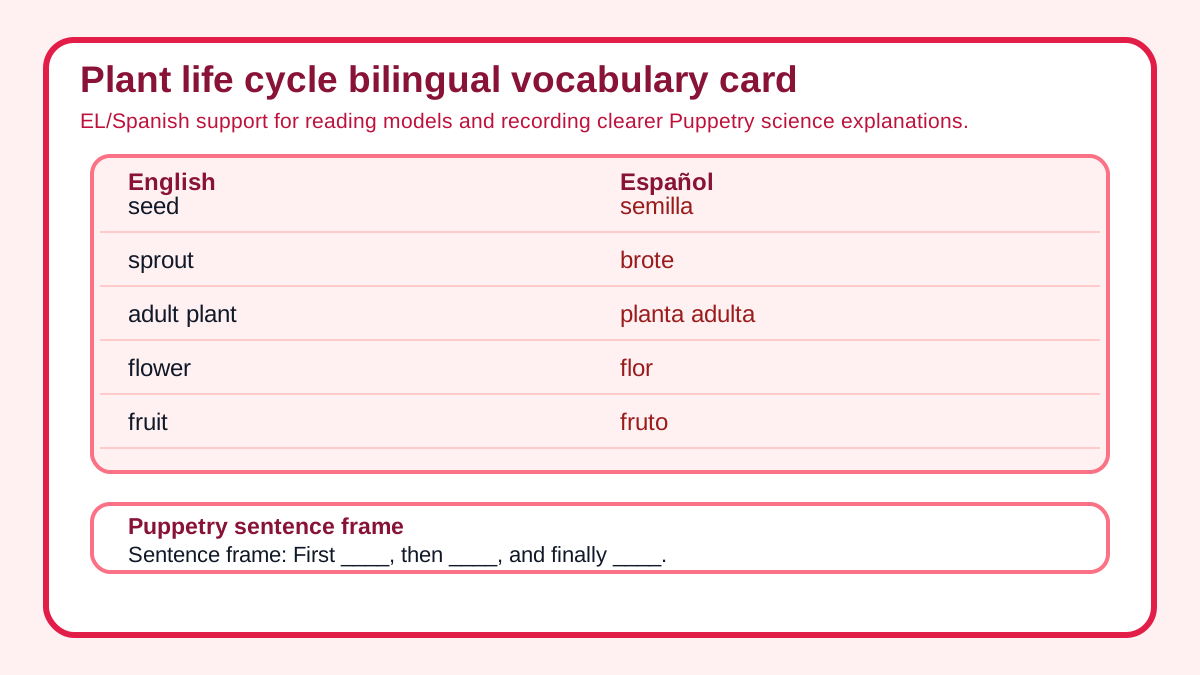
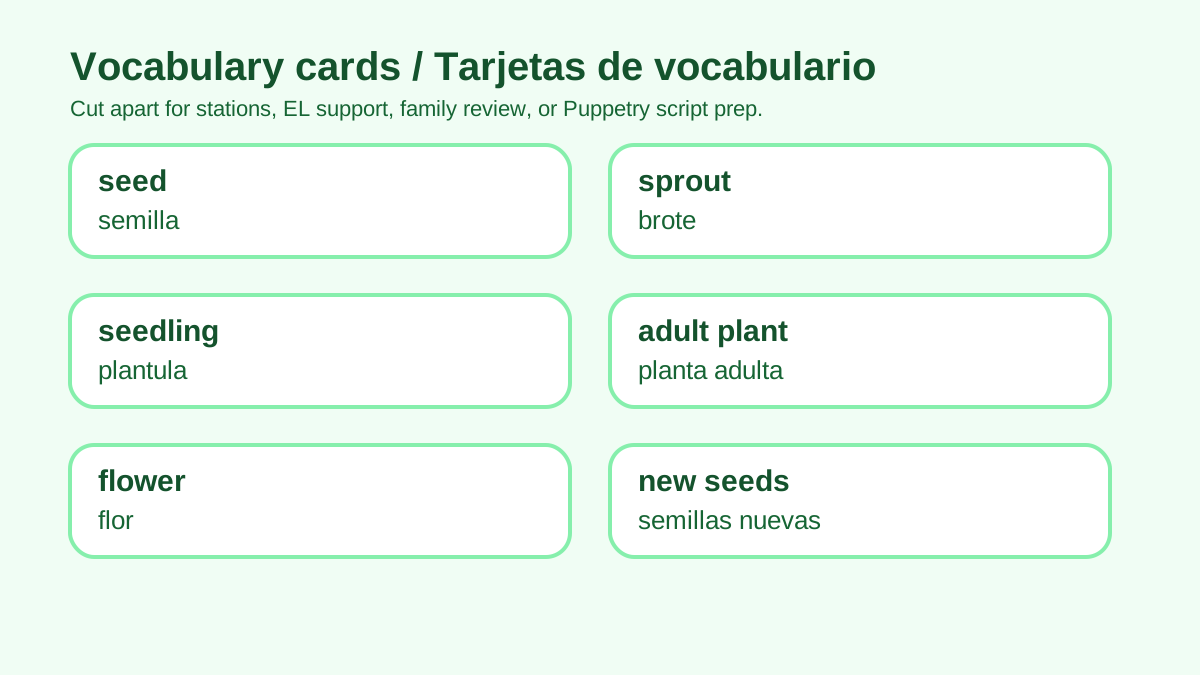
Download bilingual vocabulary cardEnglish/Spanish vocabulary support for life-cycle models and Puppetry explanations
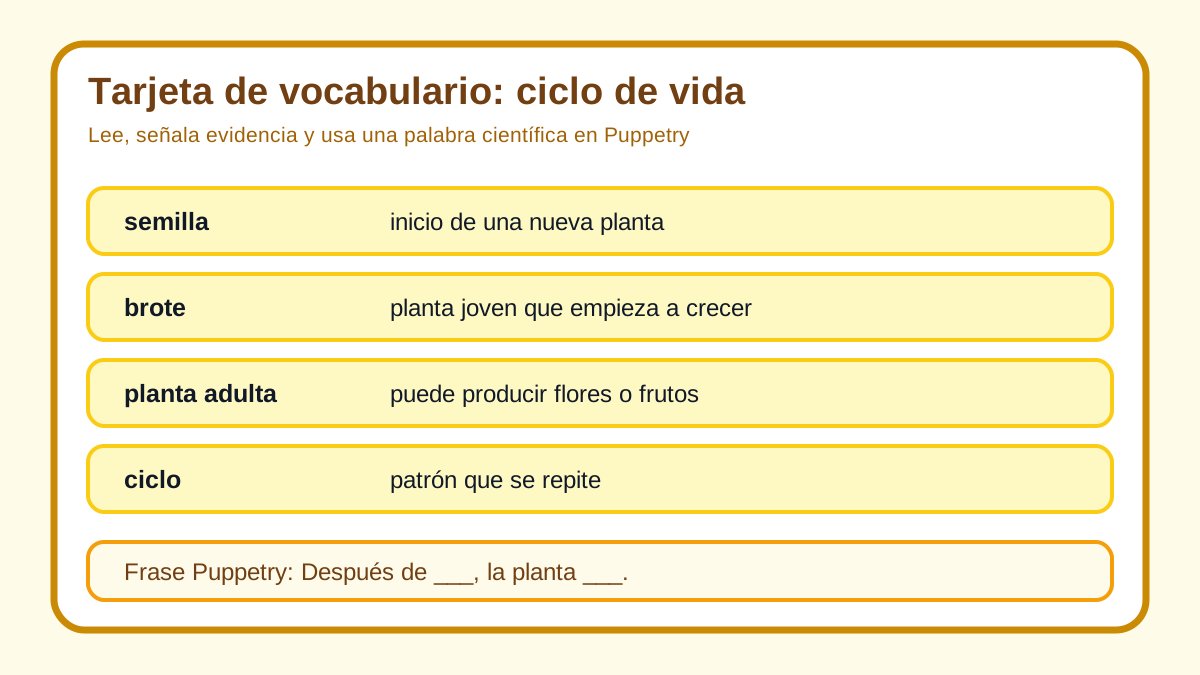
Download Spanish vocabulary cardSpanish vocabulary card for plant life-cycle terms with a Puppetry sentence frame
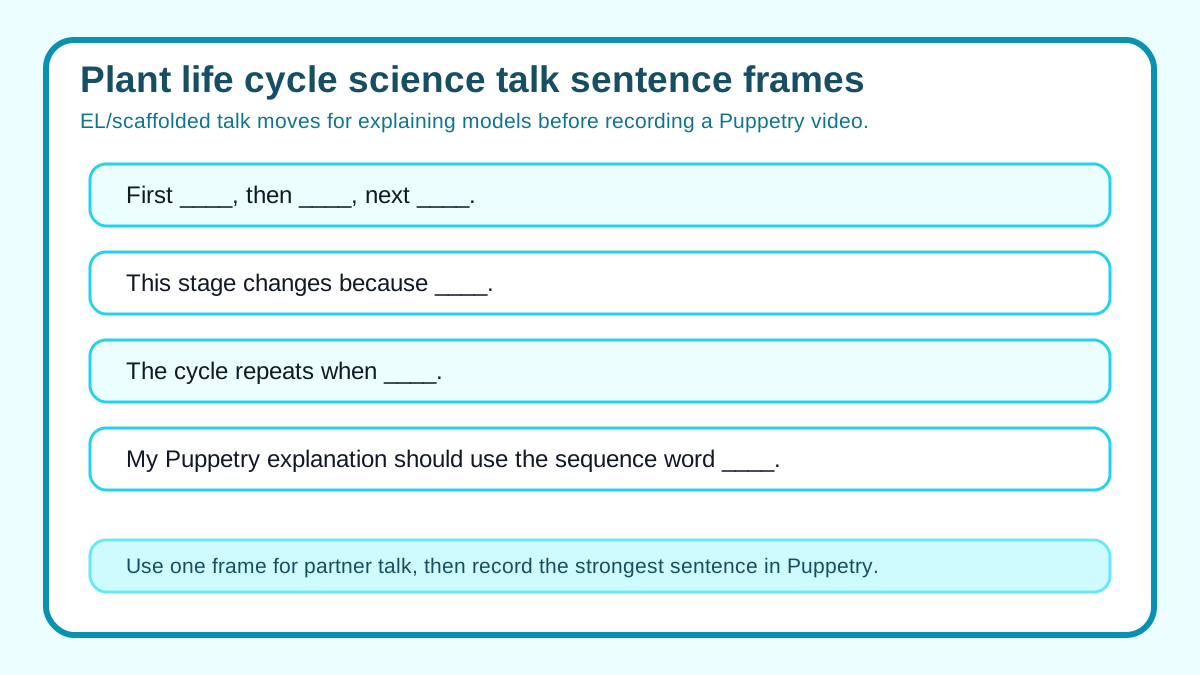
Download sentence frame cardEL/scaffolded science talk sentence frames for life-cycle Puppetry explanations
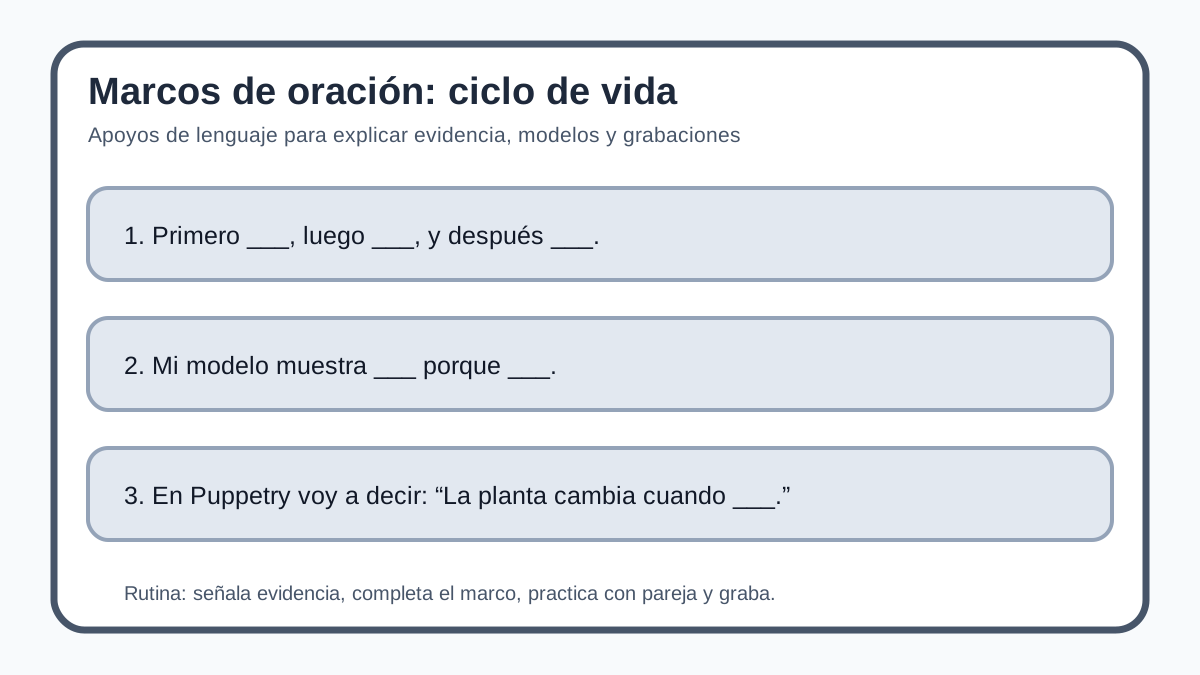
Download Spanish sentence frame cardSpanish science talk frames for models and Puppetry explanations
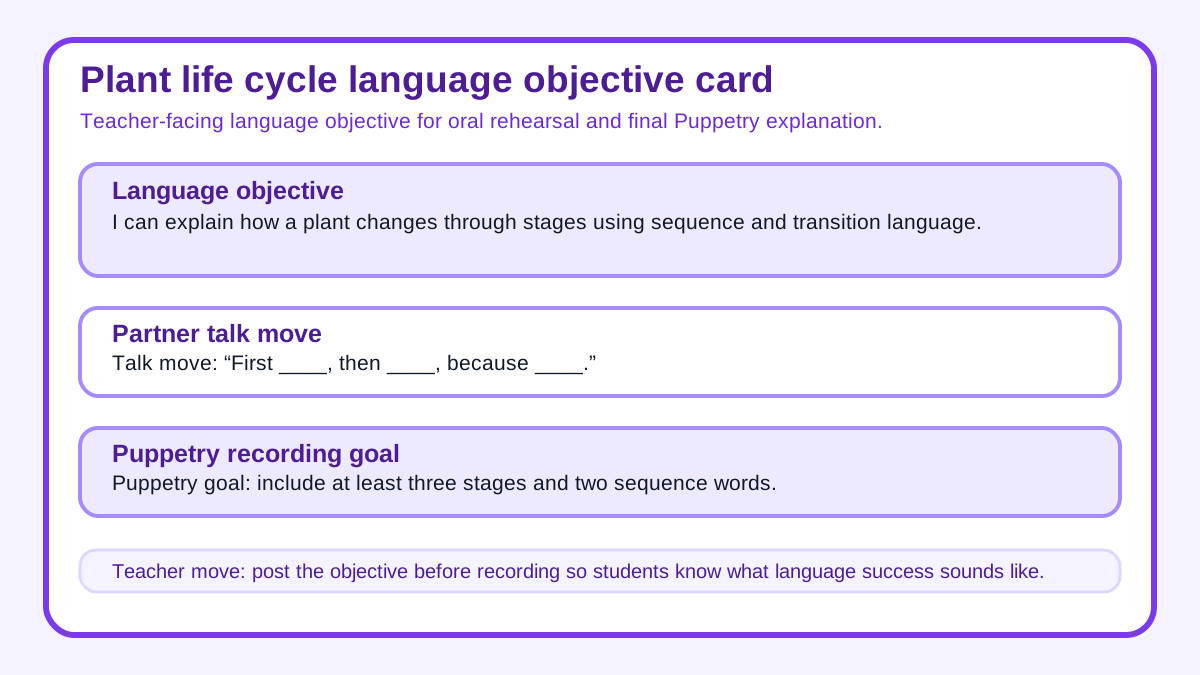
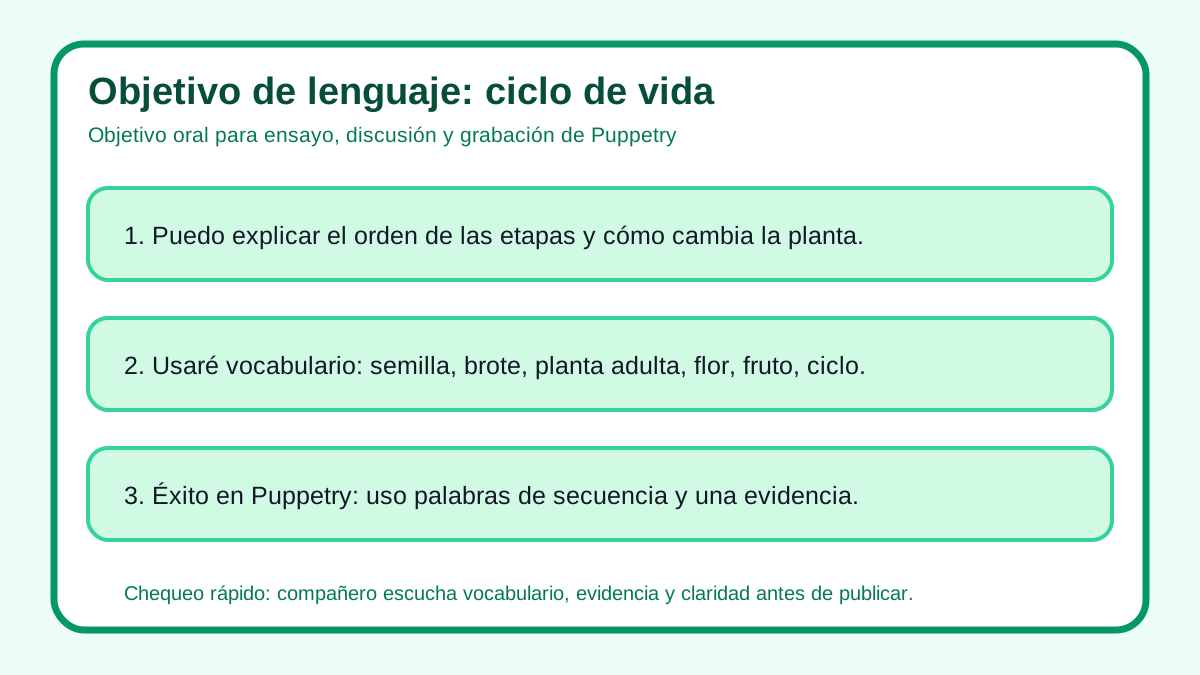
Download language objective cardTeacher language objective for life-cycle discussion and Puppetry recording
Download Spanish language objective cardSpanish language objectives for oral rehearsal and Puppetry recording success criteria
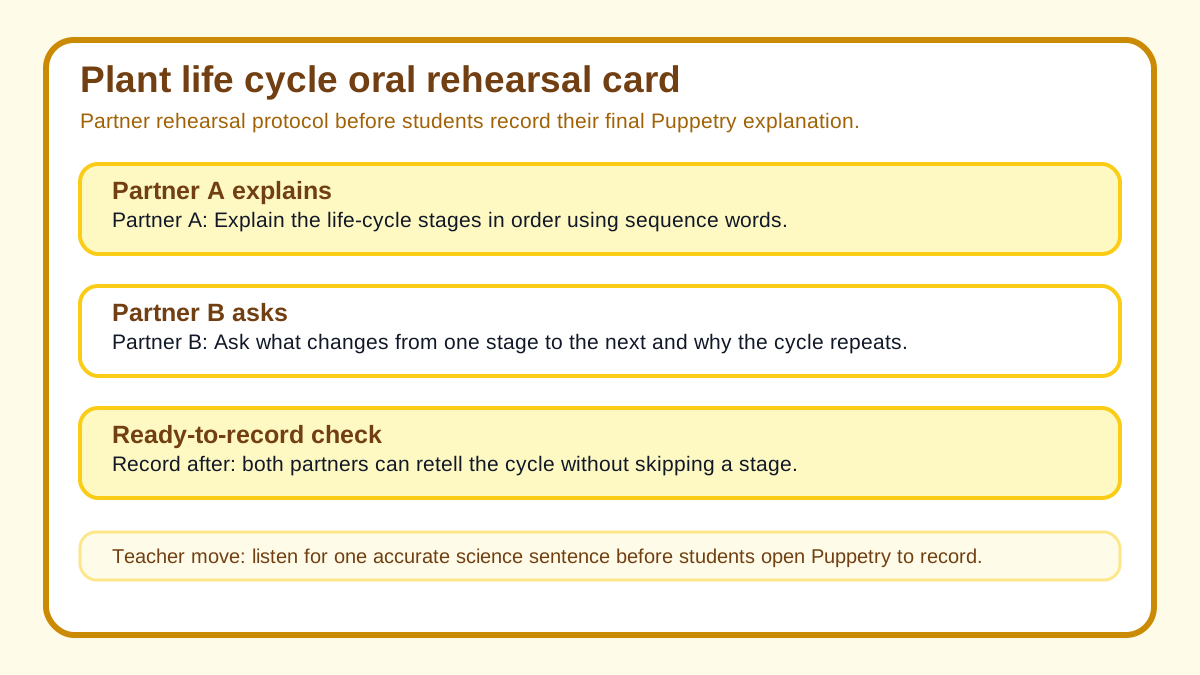
Download oral rehearsal cardPartner oral rehearsal protocol before recording life-cycle Puppetry explanations
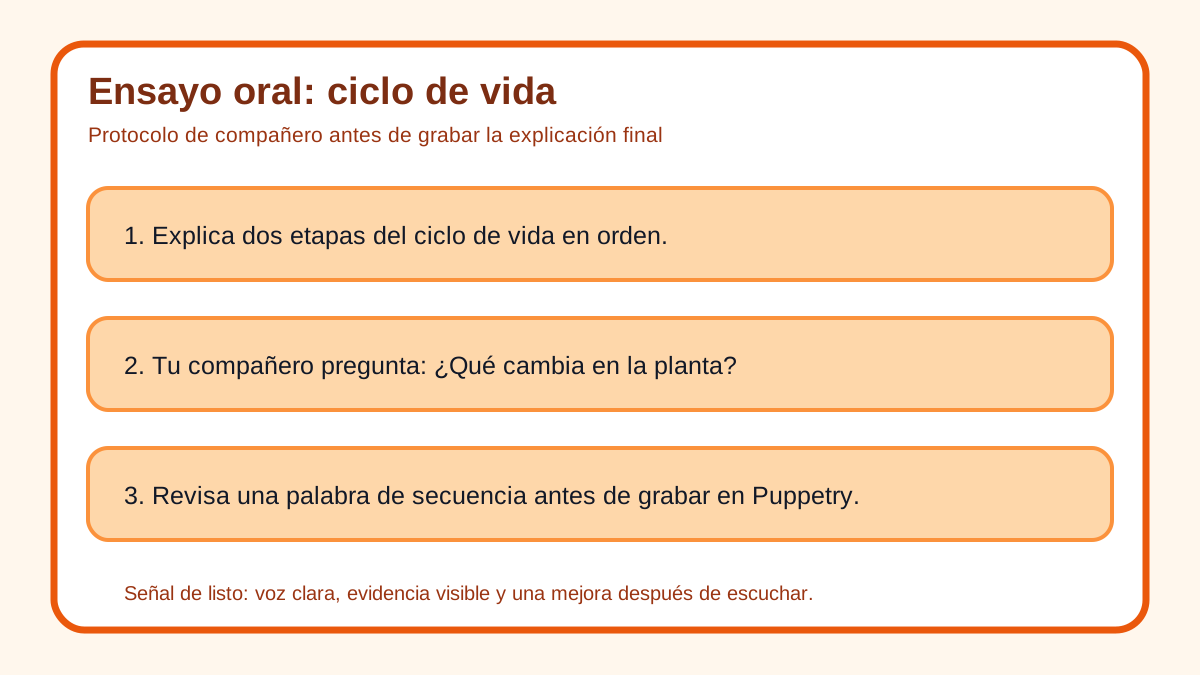
Download Spanish oral rehearsal cardSpanish partner rehearsal protocol before students record final Puppetry explanations
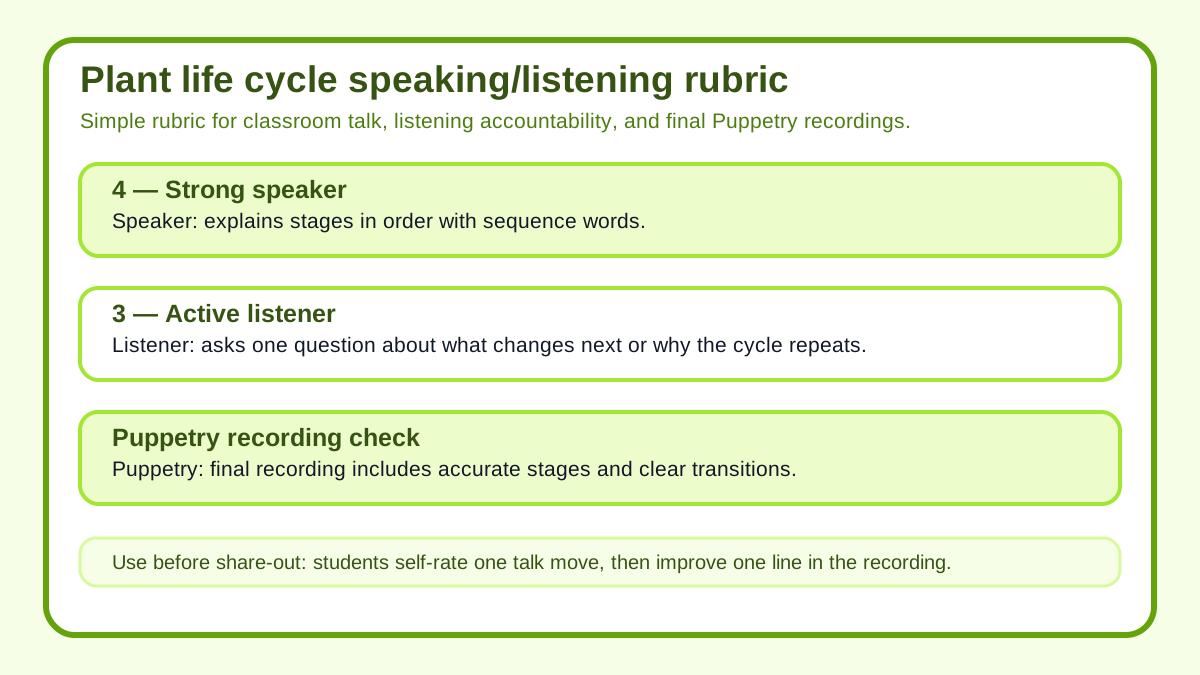
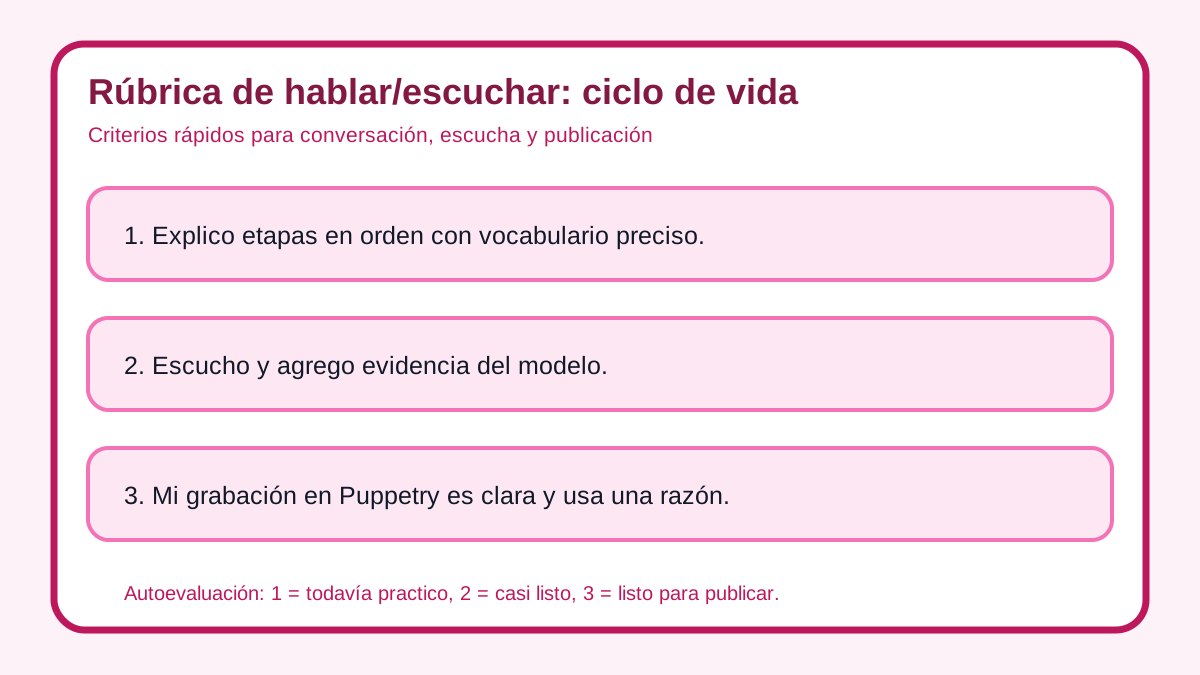
Download speaking/listening rubricSpeaking/listening rubric for life-cycle partner talk and Puppetry recordings
Download Spanish speaking/listening rubricSpanish classroom talk, listening, and Puppetry recording success criteria
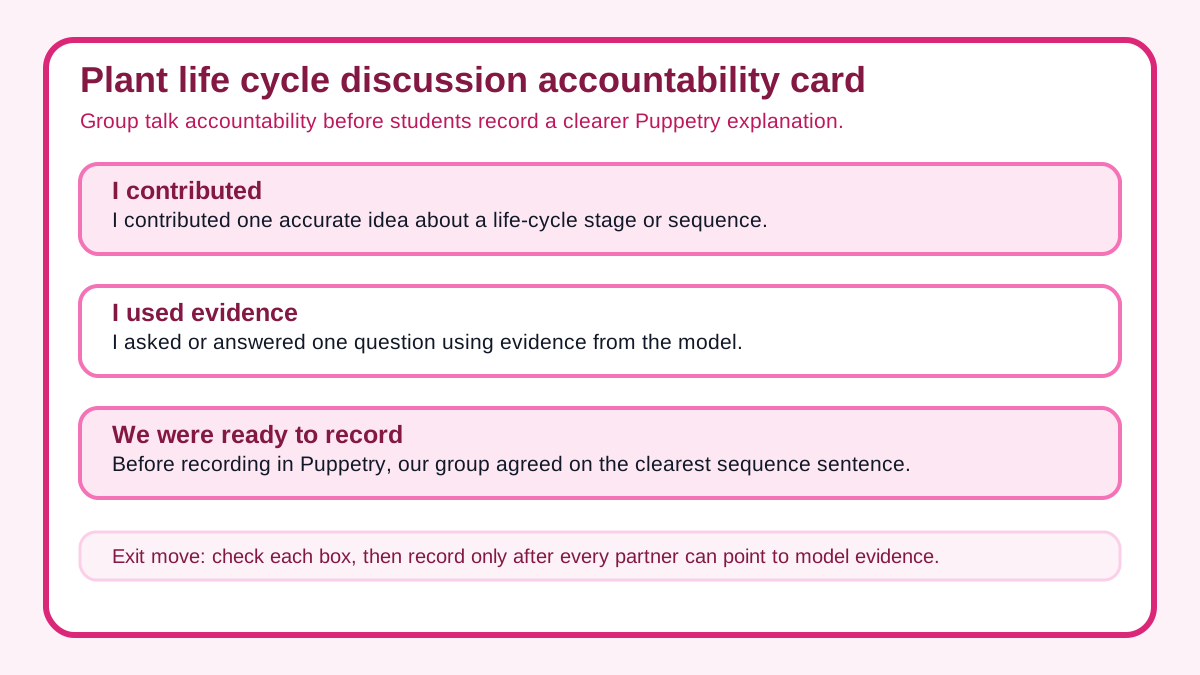
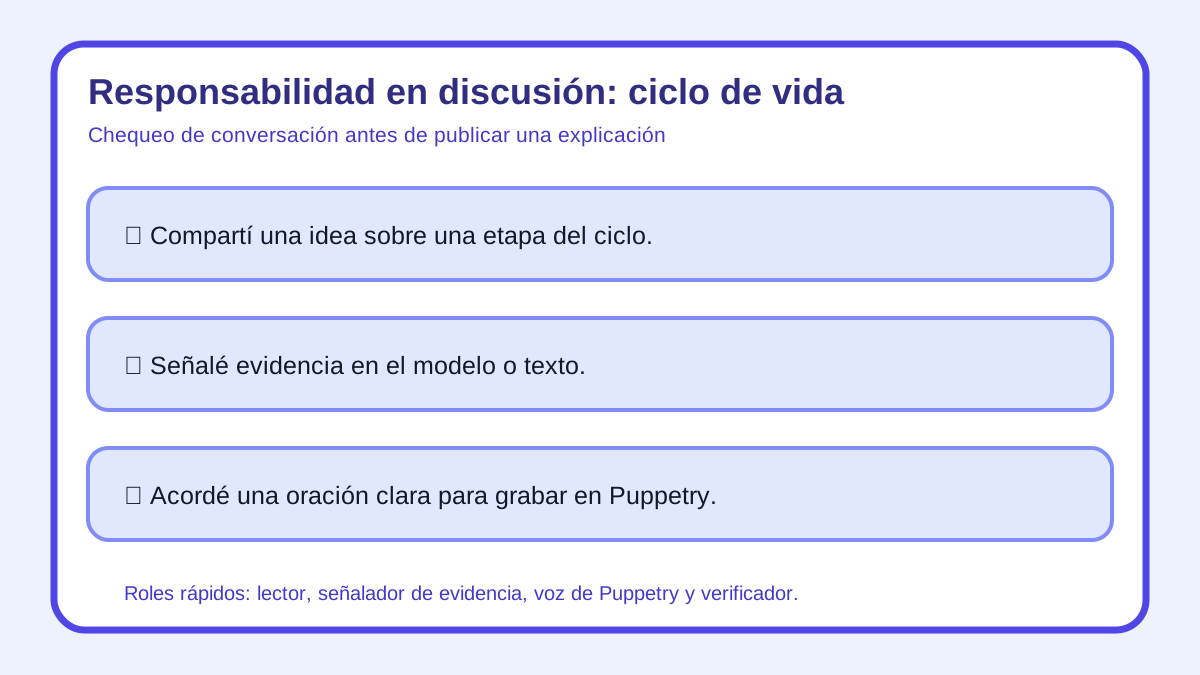
Download discussion accountability cardStudent discussion accountability checklist before life-cycle Puppetry recording
Download Spanish discussion accountability cardSpanish student discussion accountability checklist before life-cycle Puppetry recording
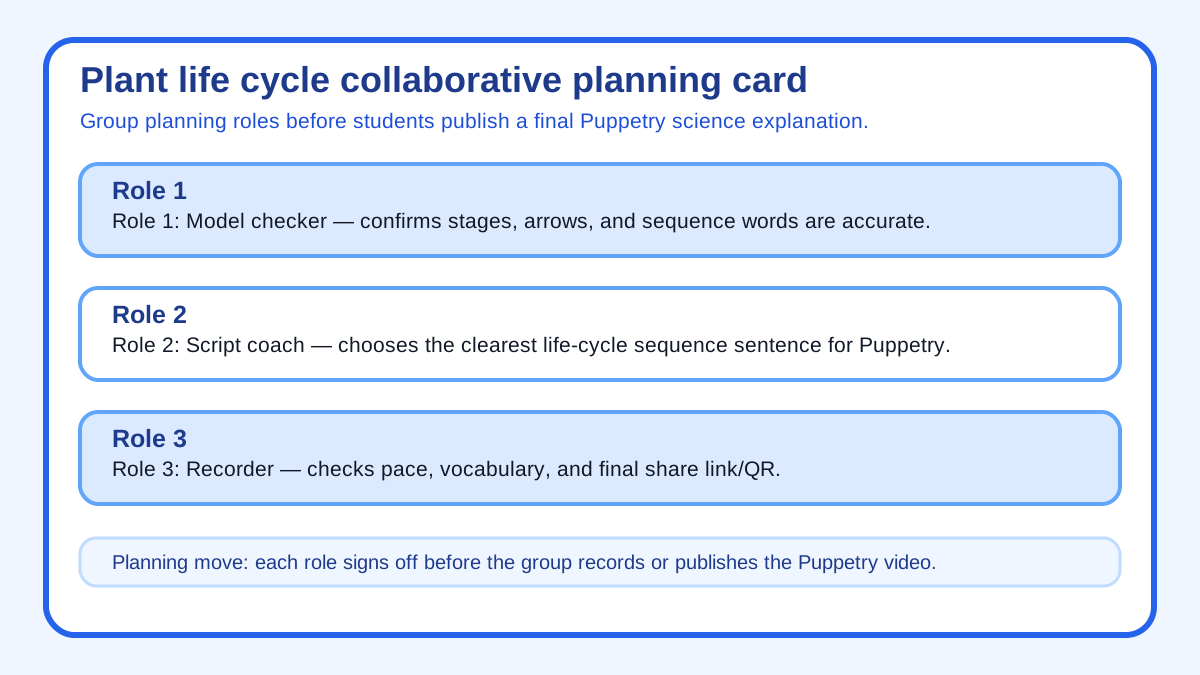
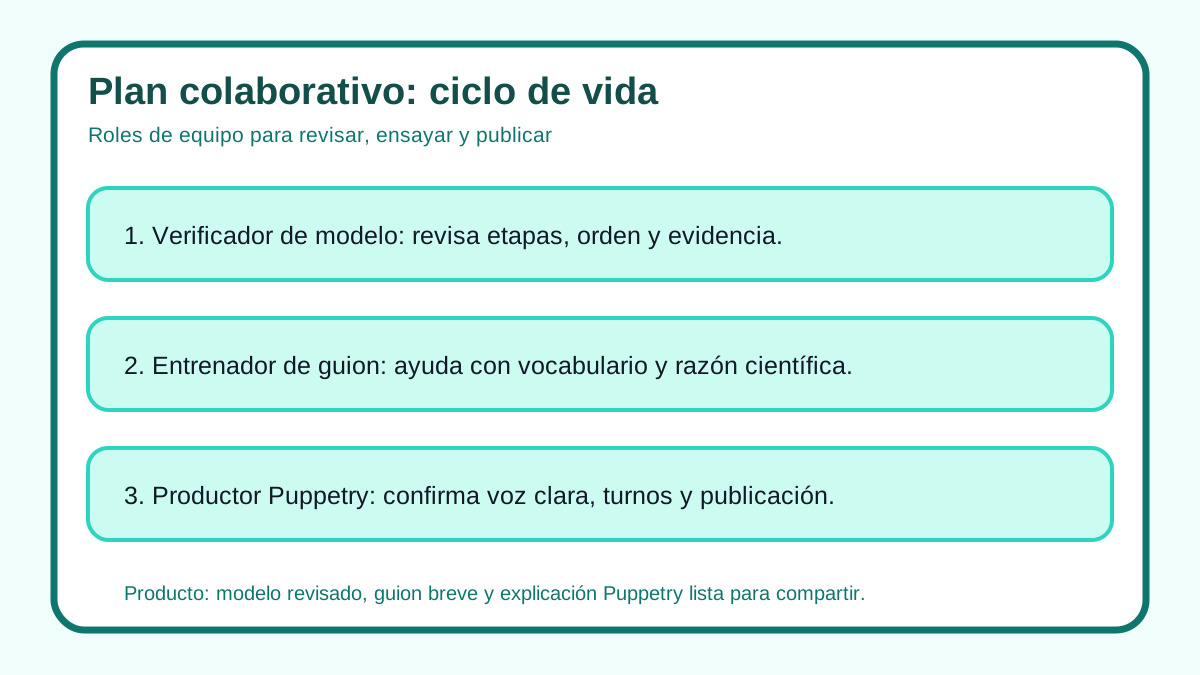
Download collaborative planning cardGroup planning roles before recording life-cycle Puppetry explanations
Download Spanish collaborative planning cardSpanish group roles for life-cycle model checking, script coaching, and Puppetry publishing
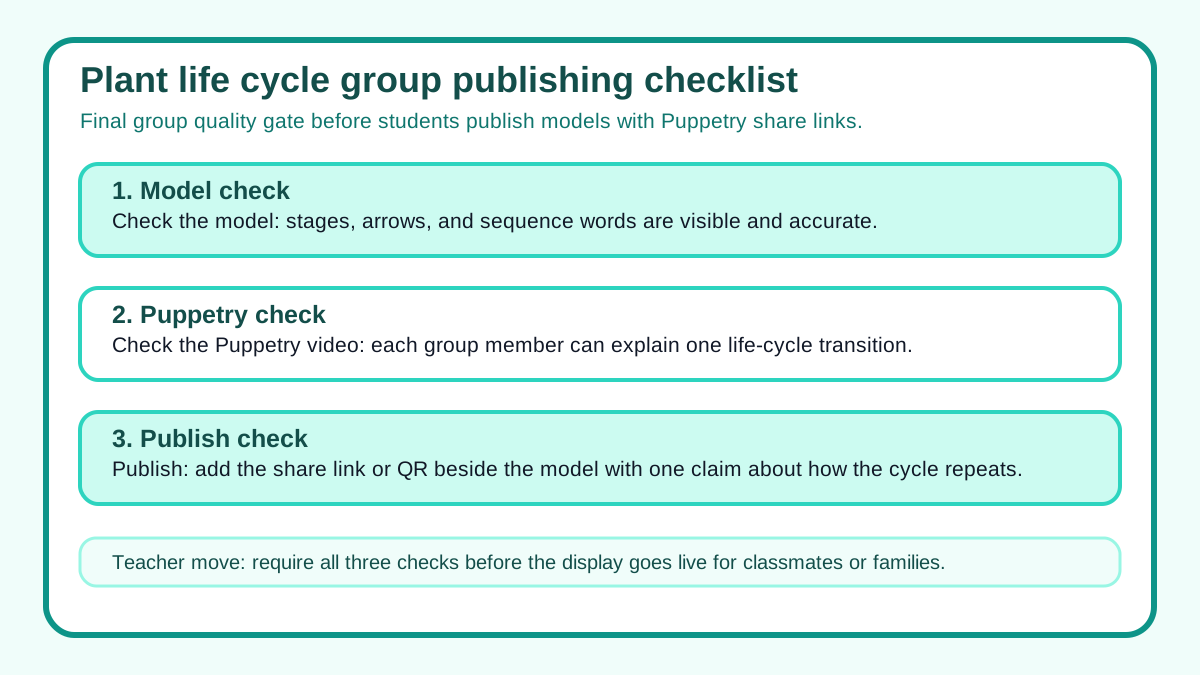
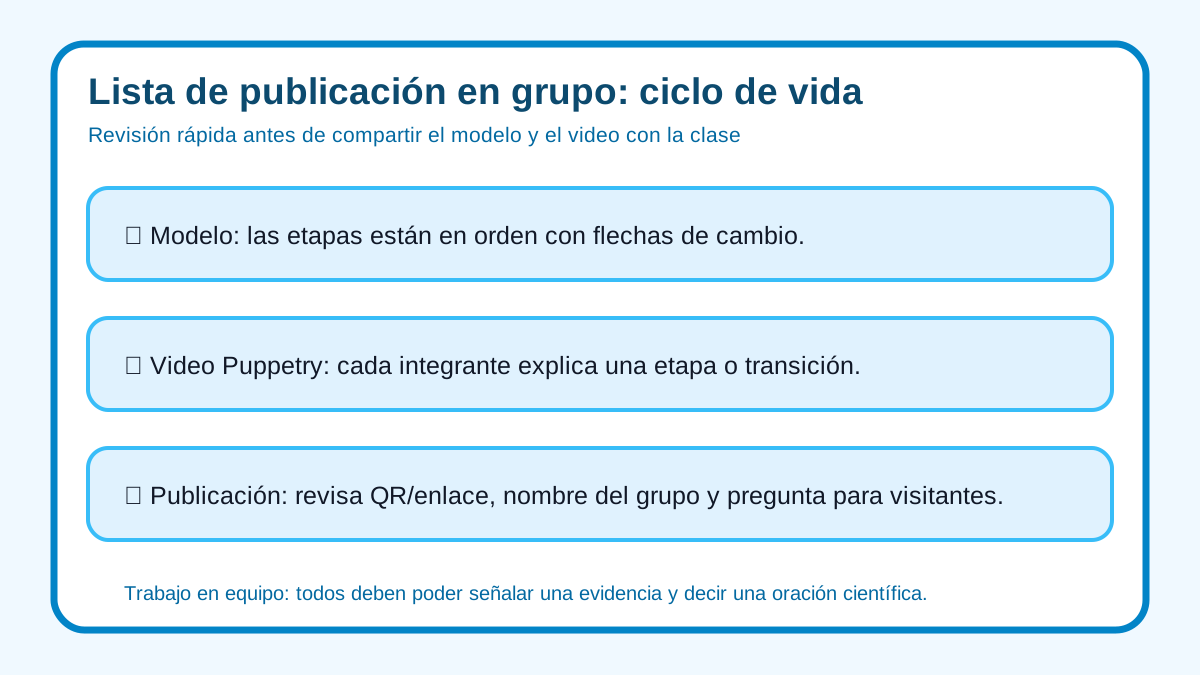
Download group publishing checklistGroup publishing checklist for final life-cycle models and Puppetry share links
Download Spanish group publishing checklistSpanish group checklist for publishing final models and Puppetry video links
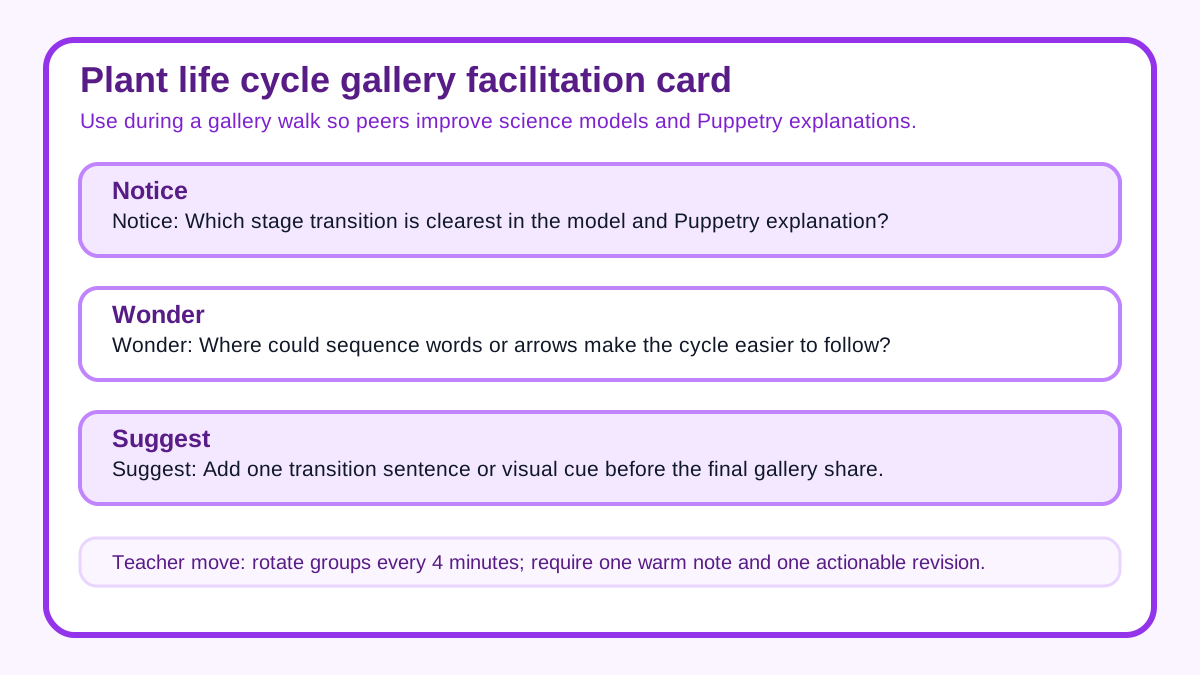
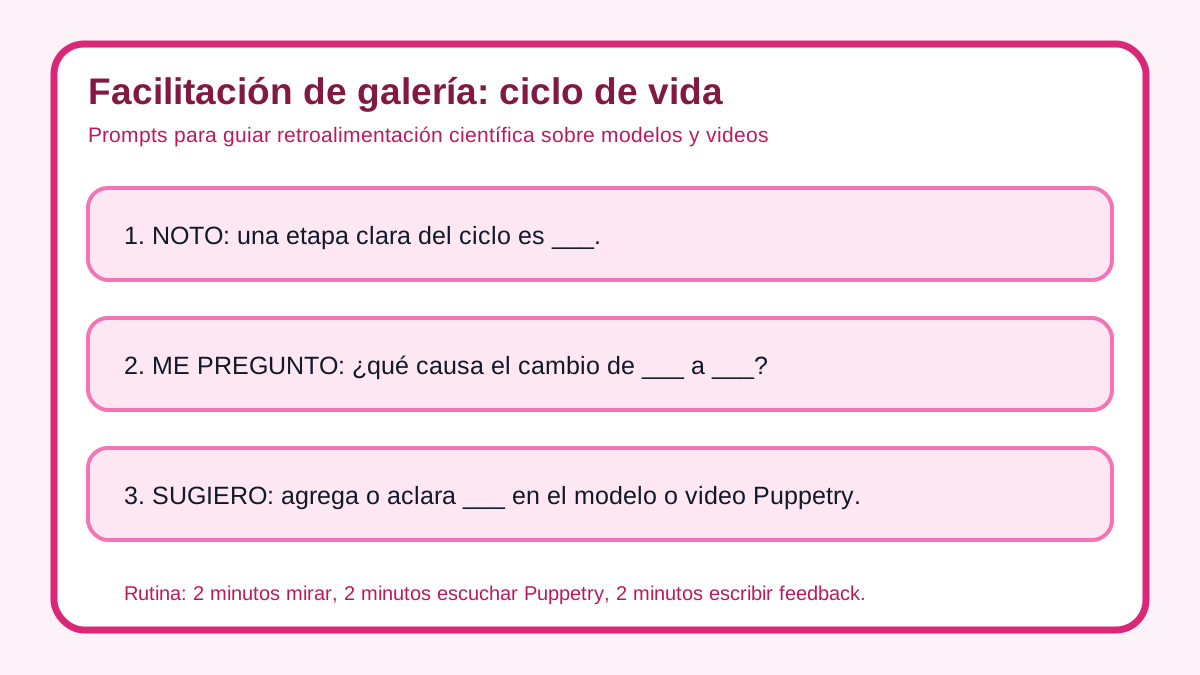
Download gallery facilitation cardGallery facilitation prompts for peer review of life-cycle models and Puppetry explanations
Download Spanish gallery facilitation cardSpanish teacher prompts for notice/wonder/suggest peer review of science models and Puppetry explanations
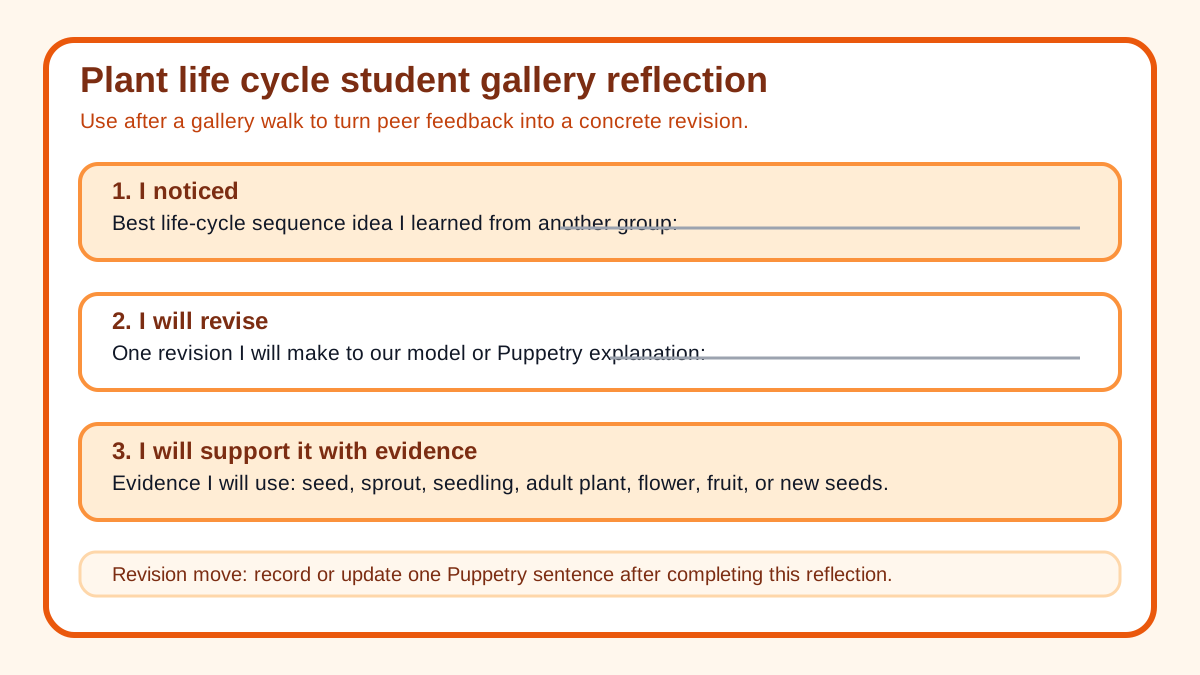
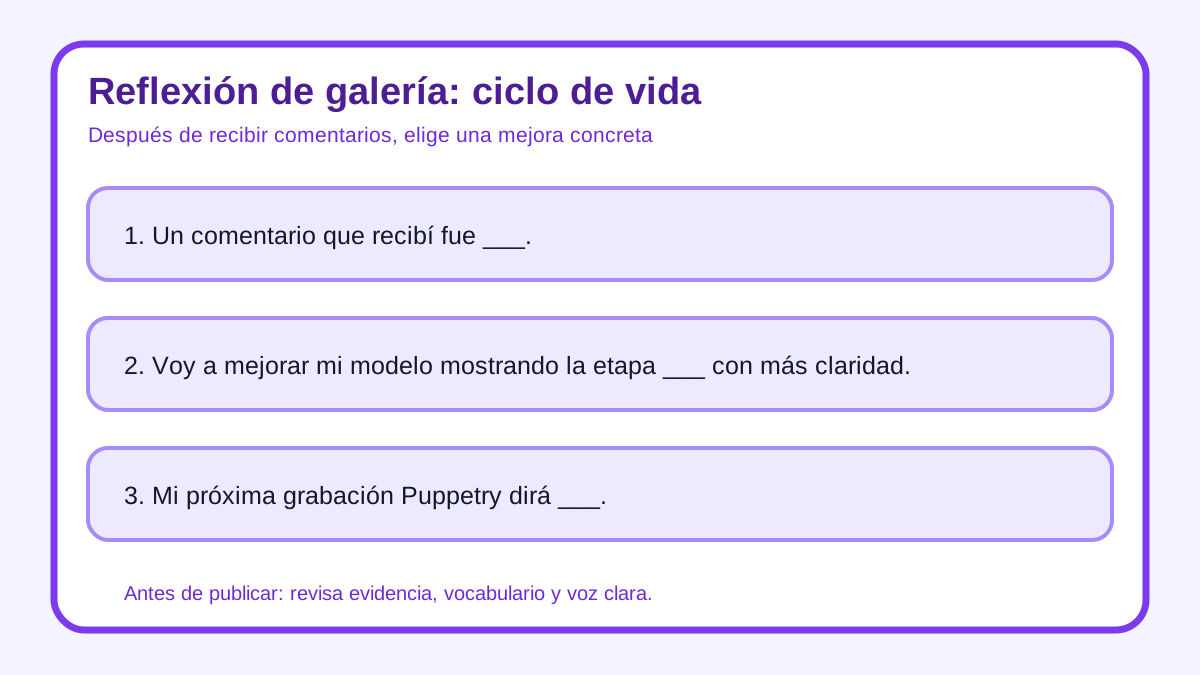
Download student gallery reflectionStudent reflection card for revising life-cycle models and Puppetry explanations after gallery feedback
Download Spanish student gallery reflectionSpanish student reflection card for revising life-cycle models and Puppetry explanations after gallery feedback
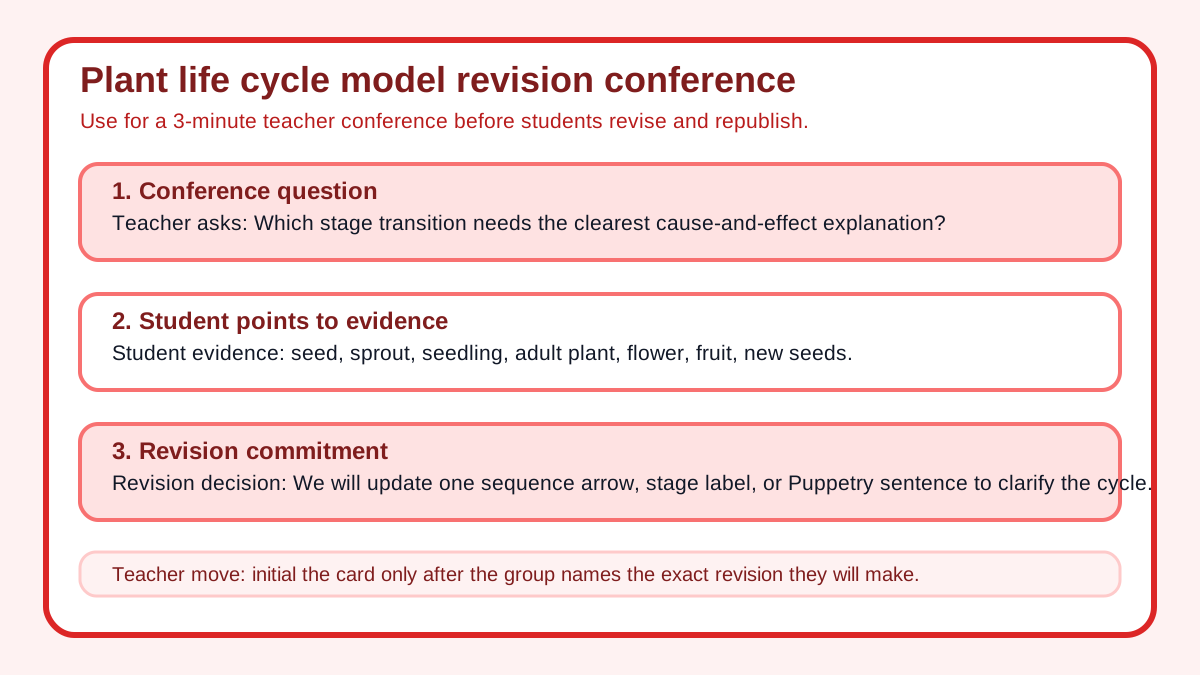
Download model revision conference cardTeacher conference card for revising life-cycle models and Puppetry explanations before republishing
Download Spanish model revision conferenceSpanish short teacher-student conference prompts for evidence-based life-cycle model/Puppetry revisions before republishing
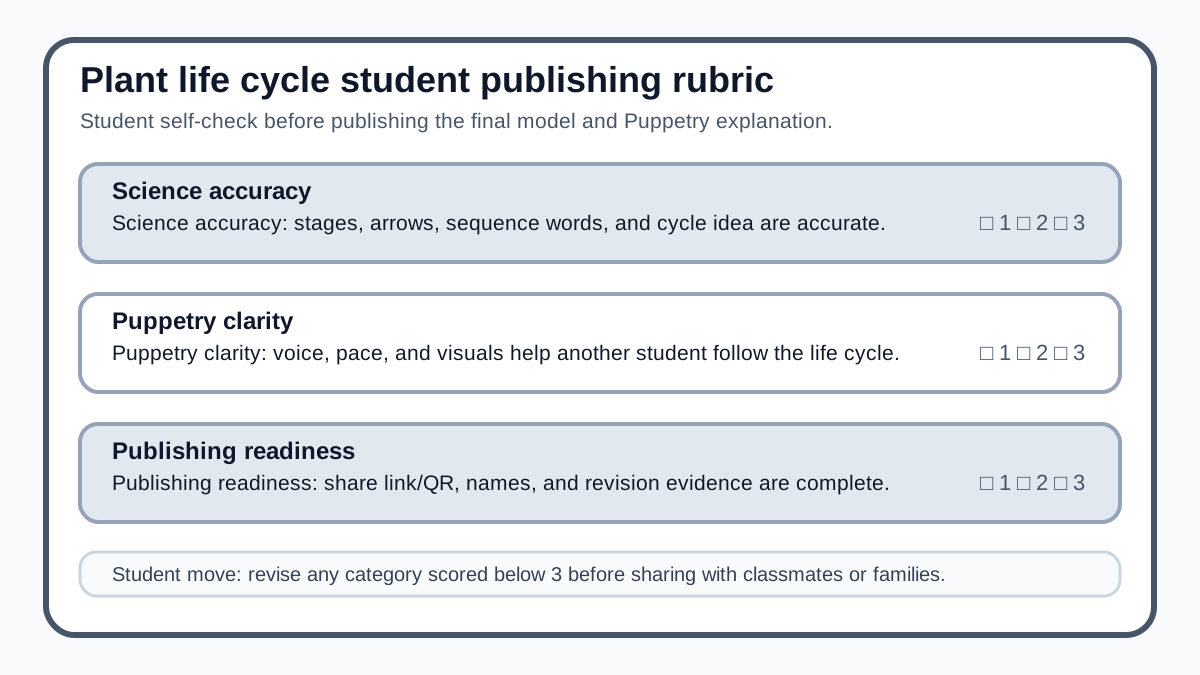
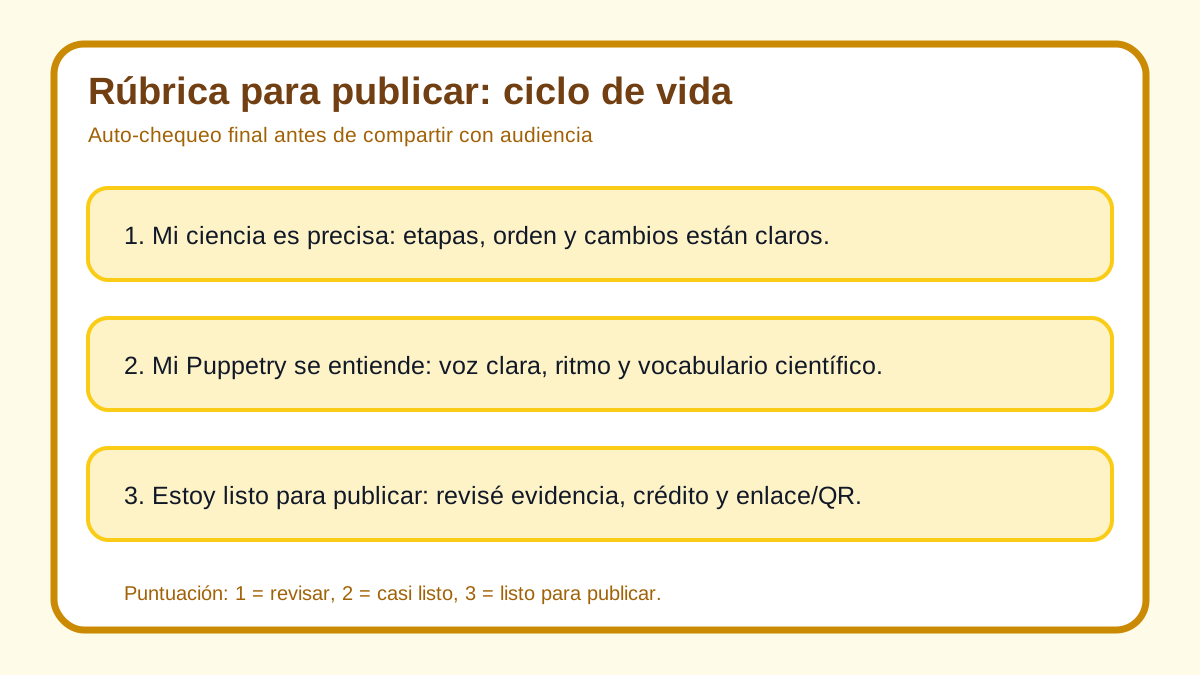
Download student publishing rubricStudent publishing rubric for final life-cycle models and Puppetry explanations
Download Spanish student publishing rubricSpanish student-facing publishing rubric for life-cycle science accuracy, Puppetry clarity, and readiness
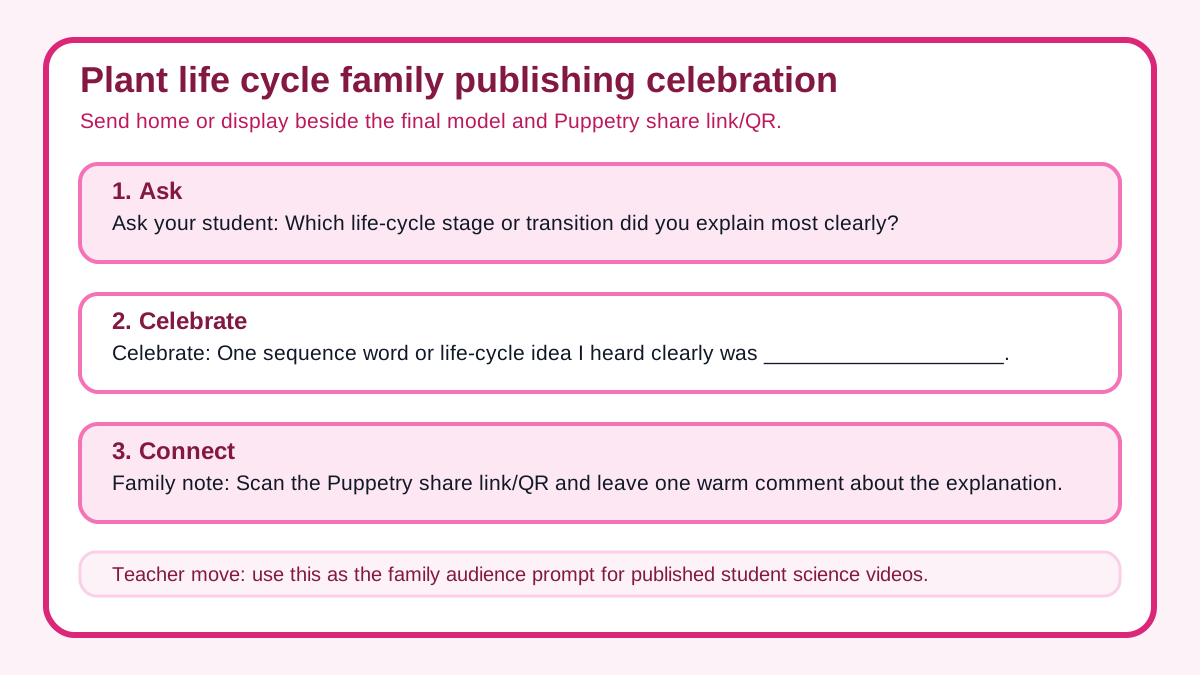
Download family publishing celebrationFamily celebration prompt for viewing published life-cycle models and Puppetry explanations
Download Spanish family publishing celebrationSpanish family prompt for viewing and celebrating published life-cycle models and Puppetry explanations
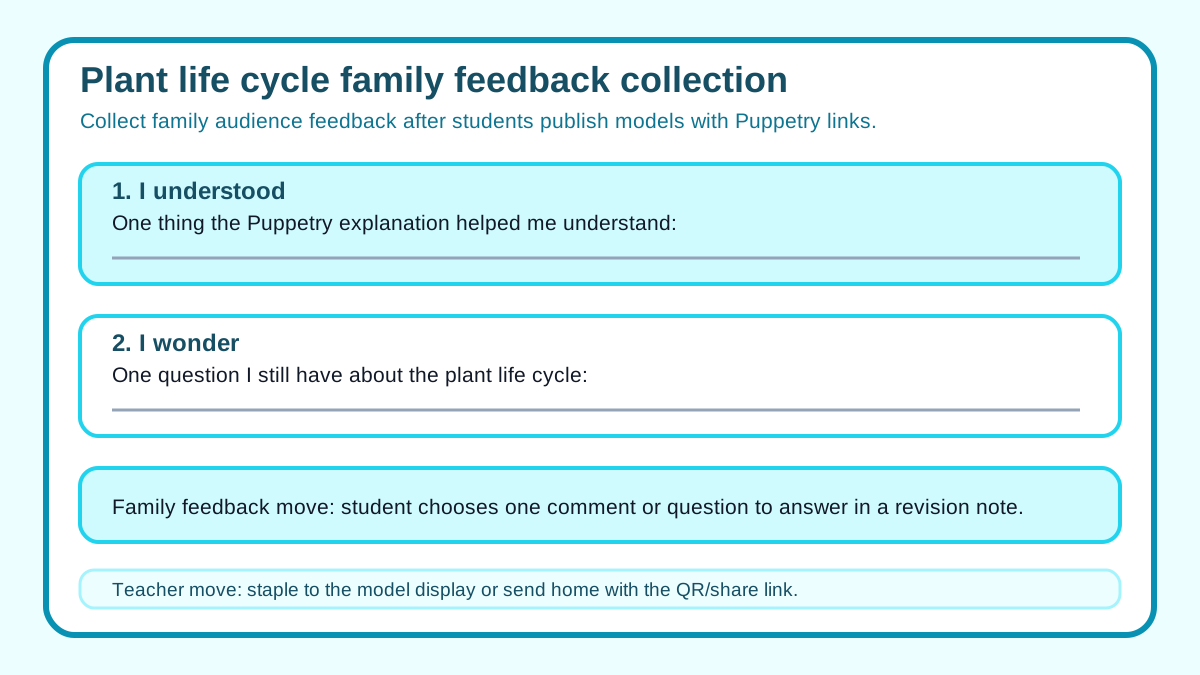
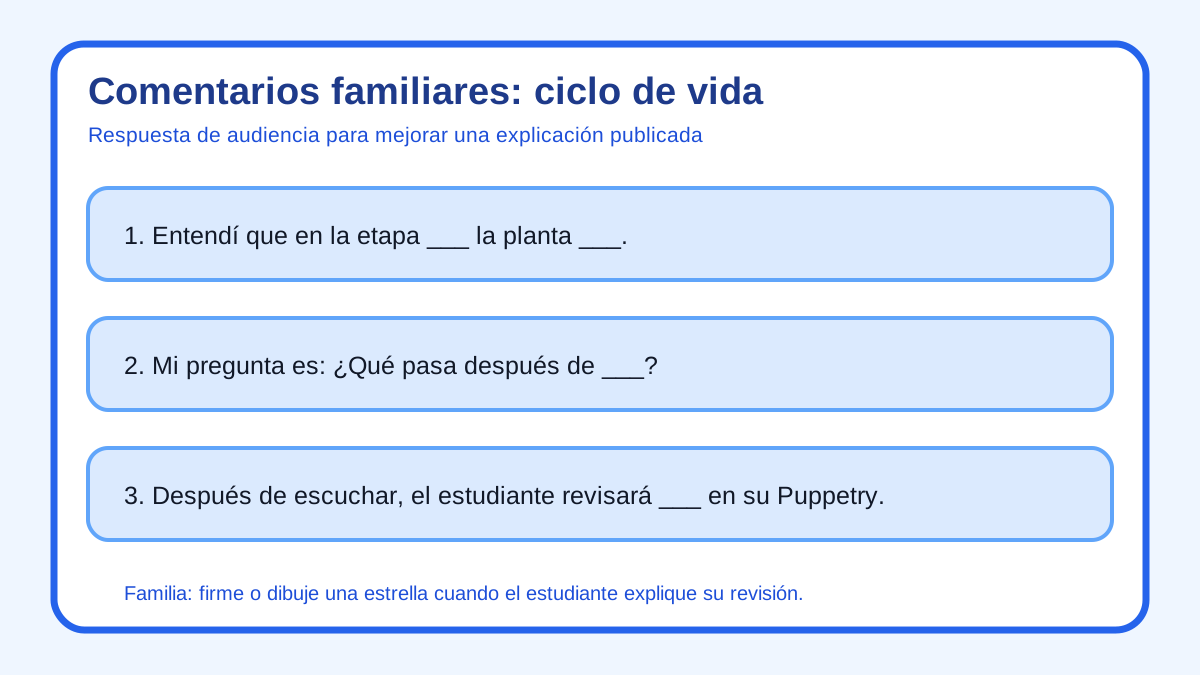
Download family feedback collectionFamily feedback collection card for published life-cycle models and Puppetry explanations
Download Spanish family feedback collectionSpanish family audience response card for understood idea, question, and life-cycle Puppetry revision follow-up
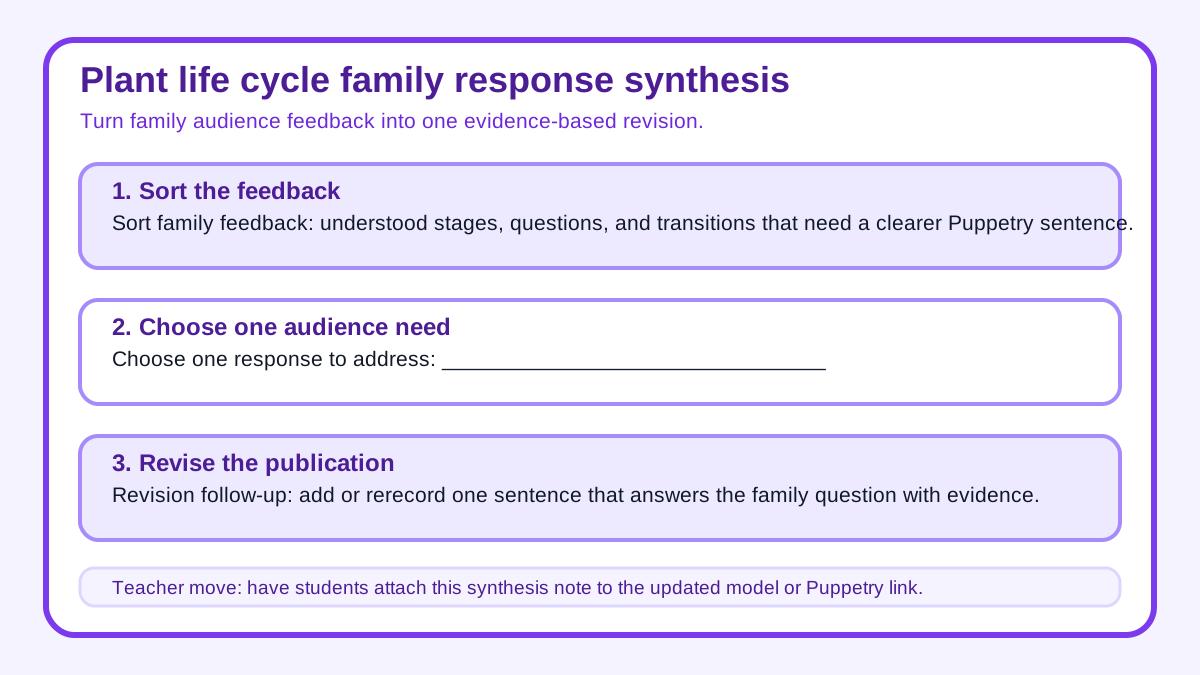
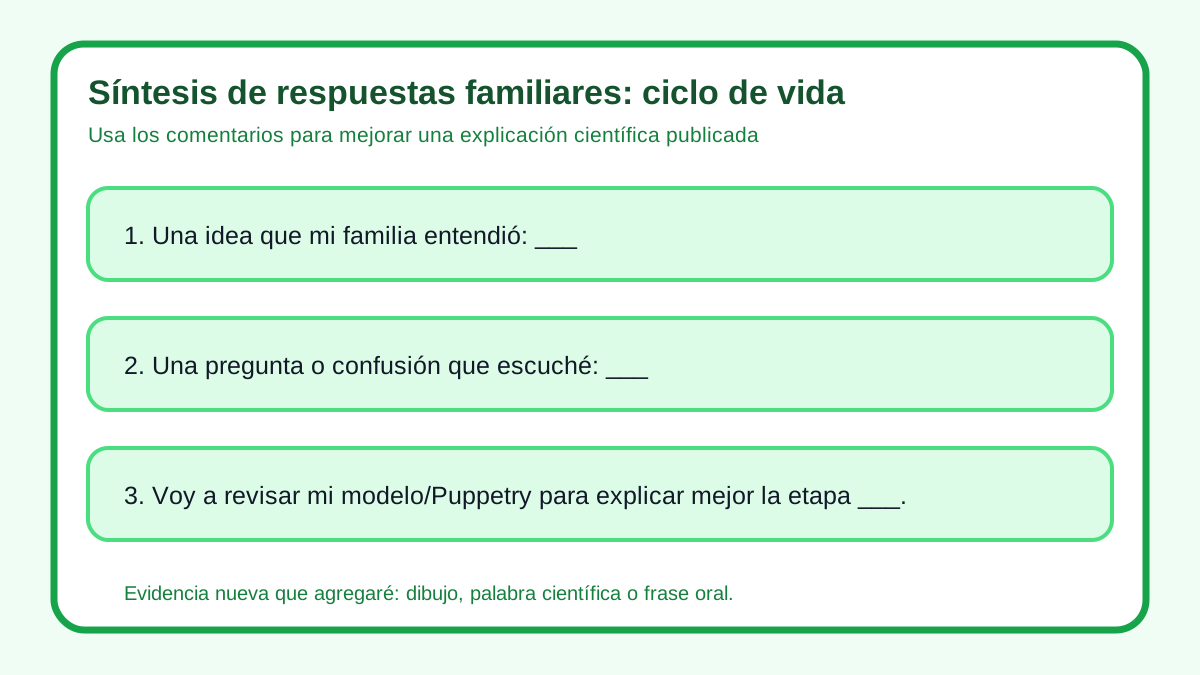
Download family response synthesisStudent synthesis card for turning family feedback into life-cycle model and Puppetry revisions
Download Spanish family response synthesisSpanish student synthesis card for sorting family feedback and revising one life-cycle model/Puppetry sentence
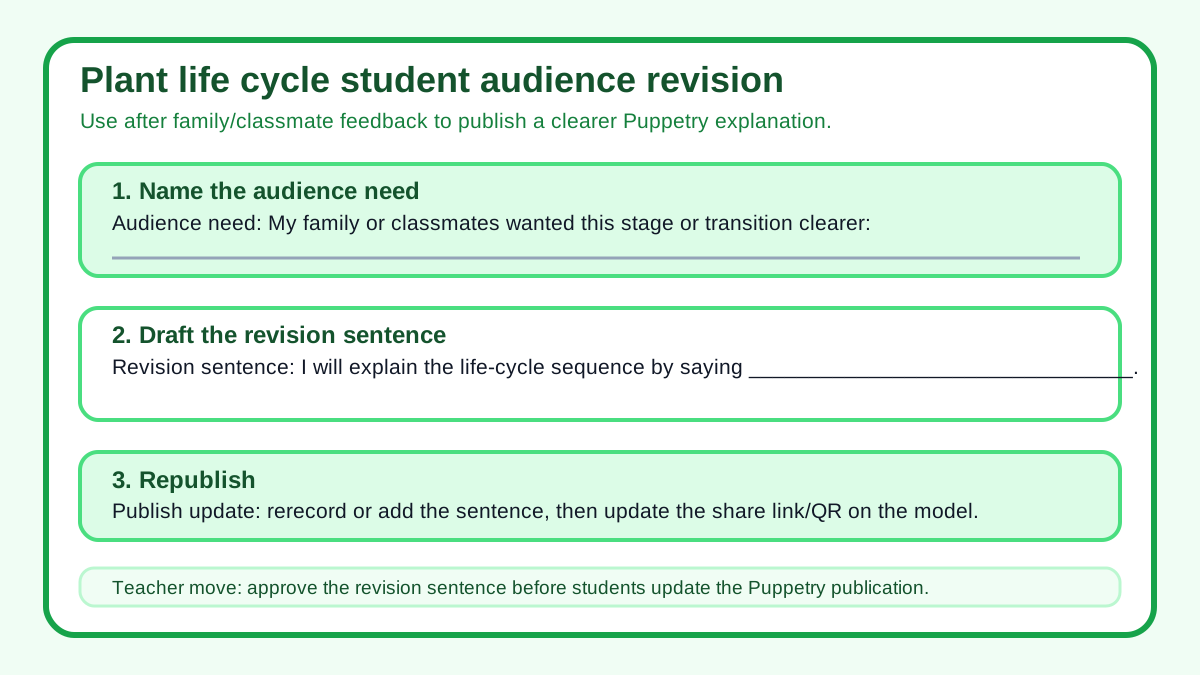
Download student audience revisionStudent revision card for using audience feedback to update life-cycle Puppetry explanations
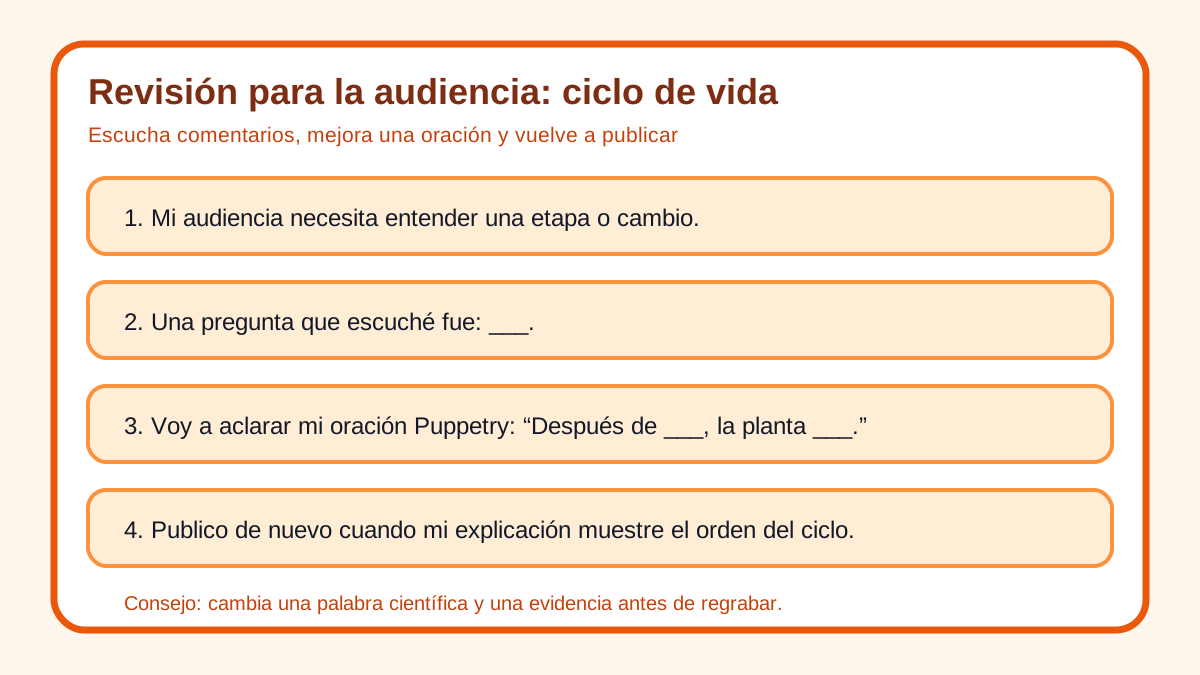
Download Spanish student audience revisionSpanish student revision card for using audience feedback to update life-cycle Puppetry explanations
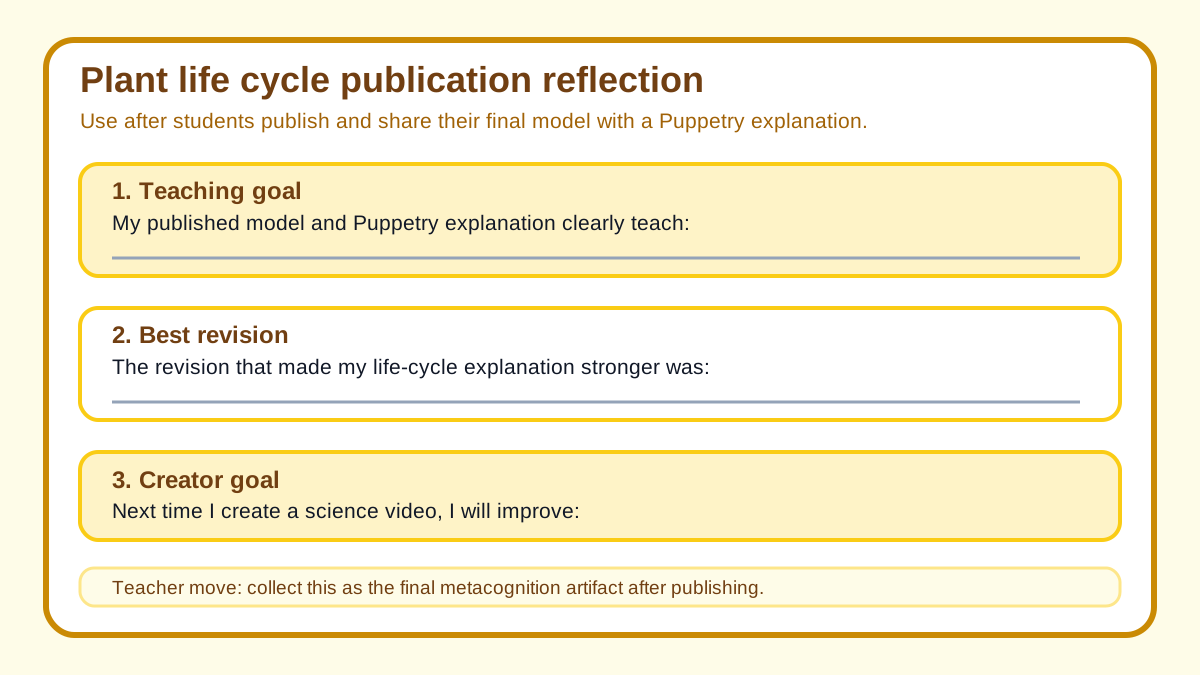
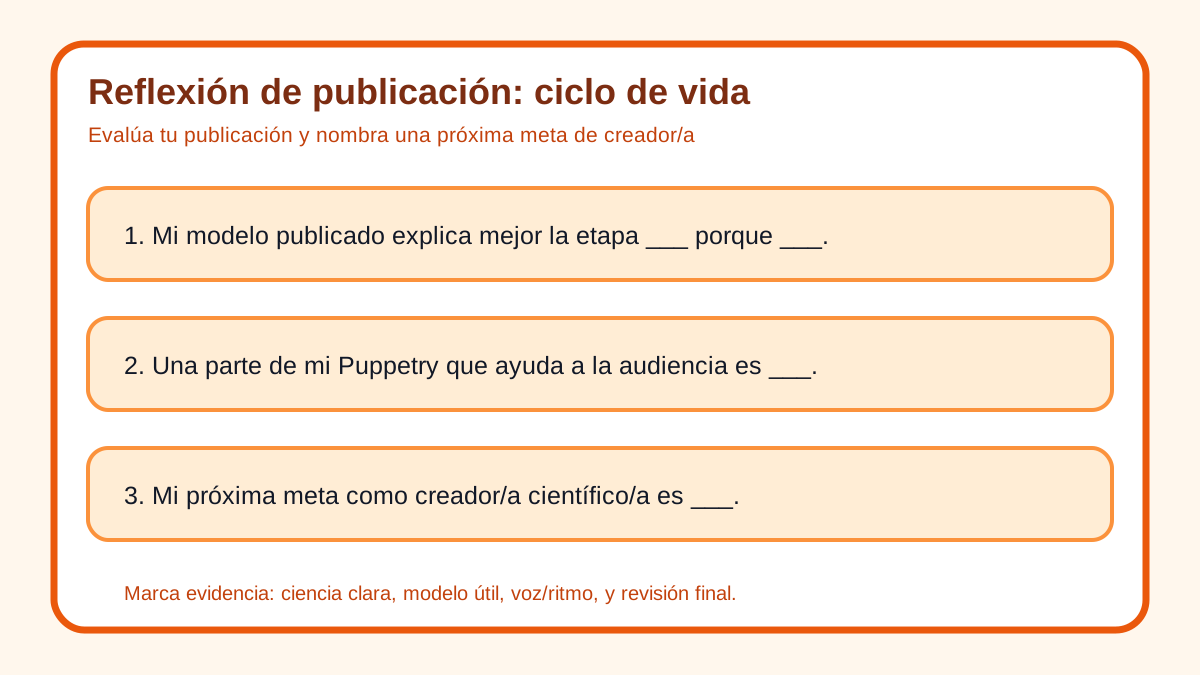
Download publication reflectionStudent reflection card for evaluating final life-cycle model and Puppetry publication
Download Spanish publication reflectionSpanish final student reflection for evaluating the published life-cycle model/Puppetry explanation and naming a next creator goal
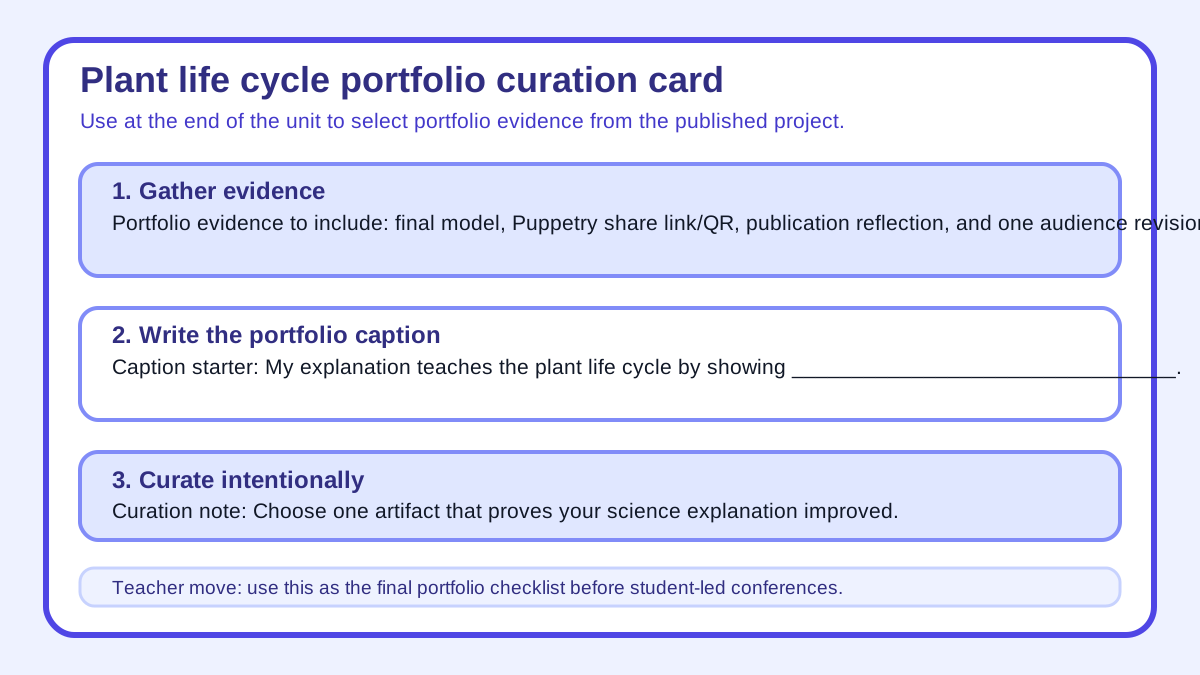
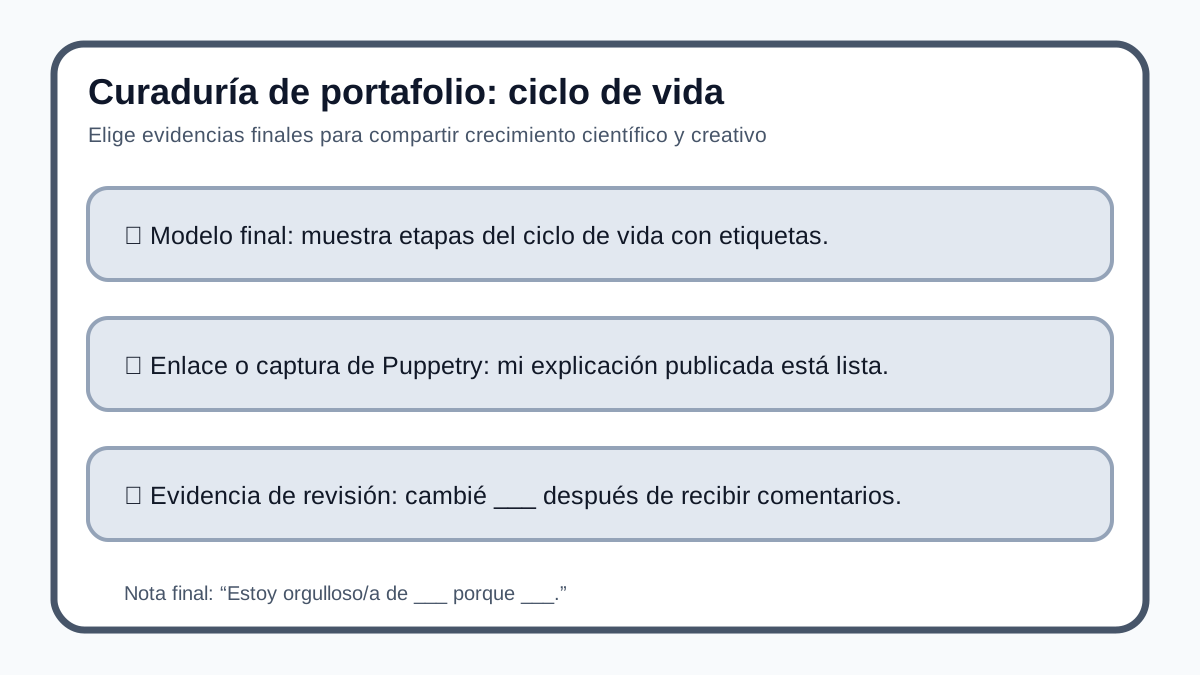
Download portfolio curation cardPortfolio curation card for collecting final life-cycle model and Puppetry publication evidence
Download Spanish portfolio curation cardSpanish portfolio curation card for collecting final life-cycle model, Puppetry share evidence, reflection, and revision artifacts
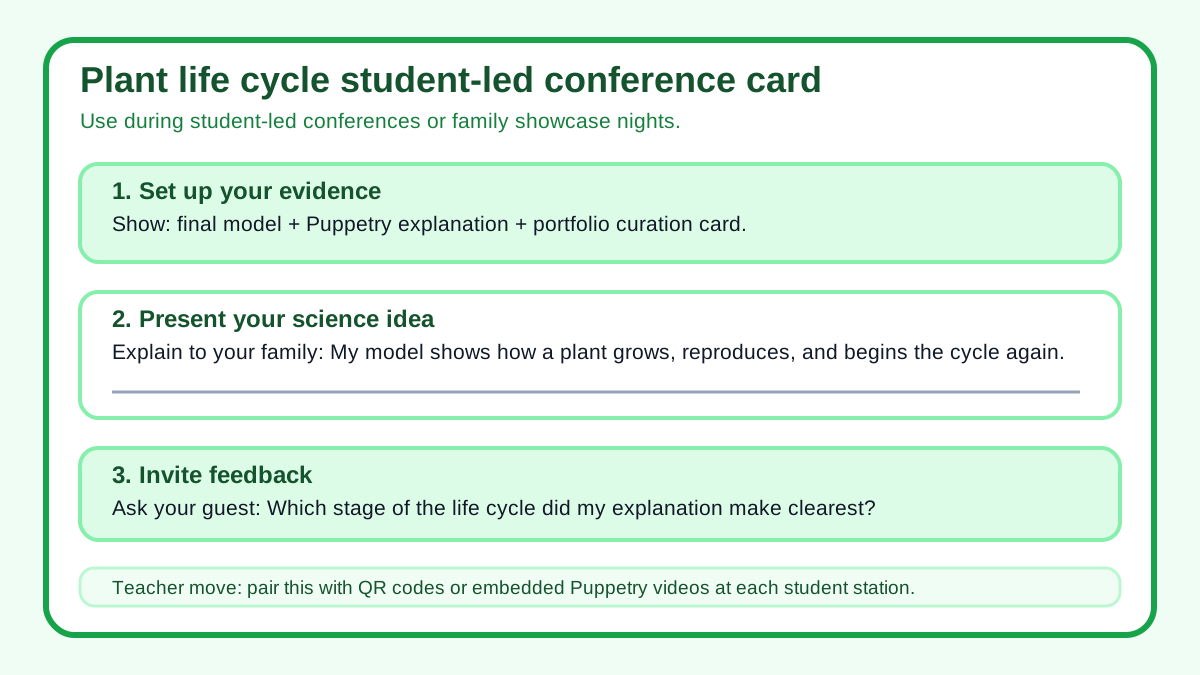
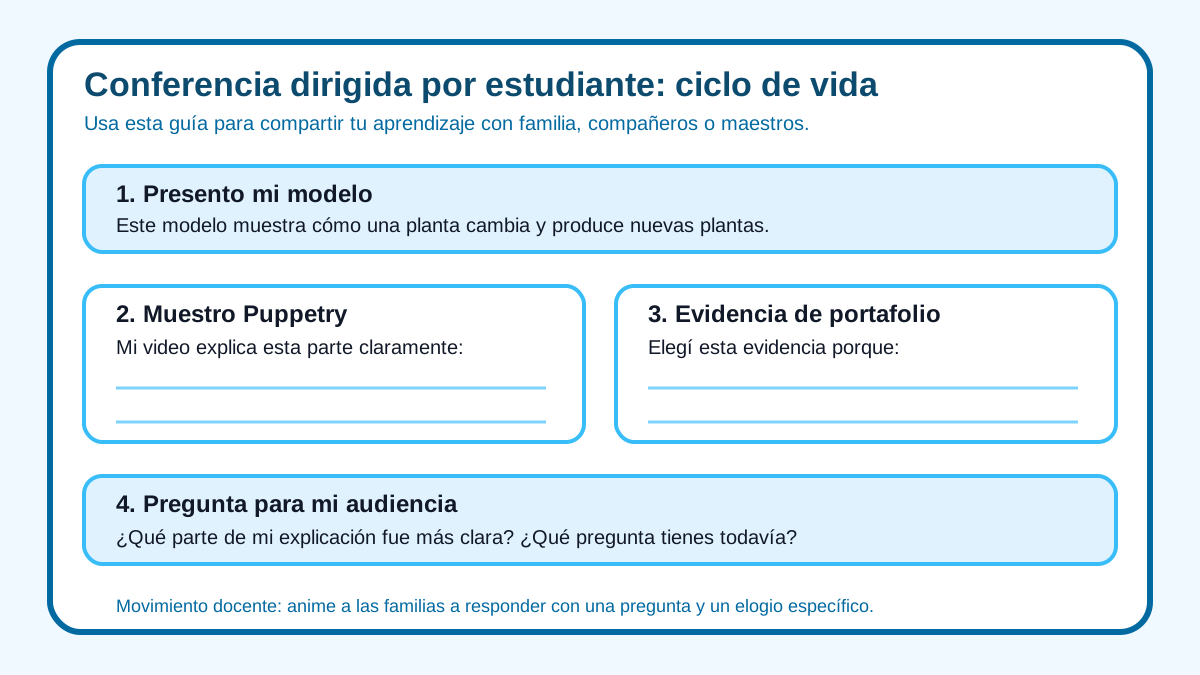
Download student-led conference cardStudent-led conference card for presenting a plant life-cycle model and Puppetry explanation to families
Download Spanish student-led conference cardSpanish family-facing student-led conference prompts for sharing the life-cycle model, Puppetry explanation, and portfolio evidence
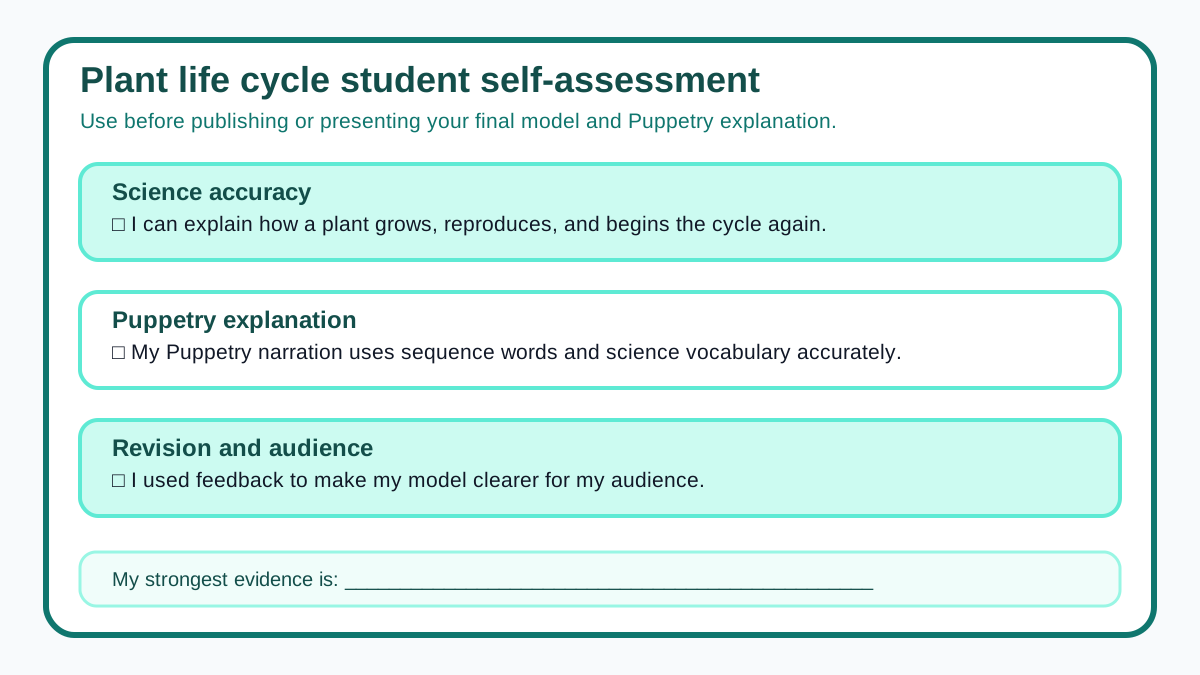
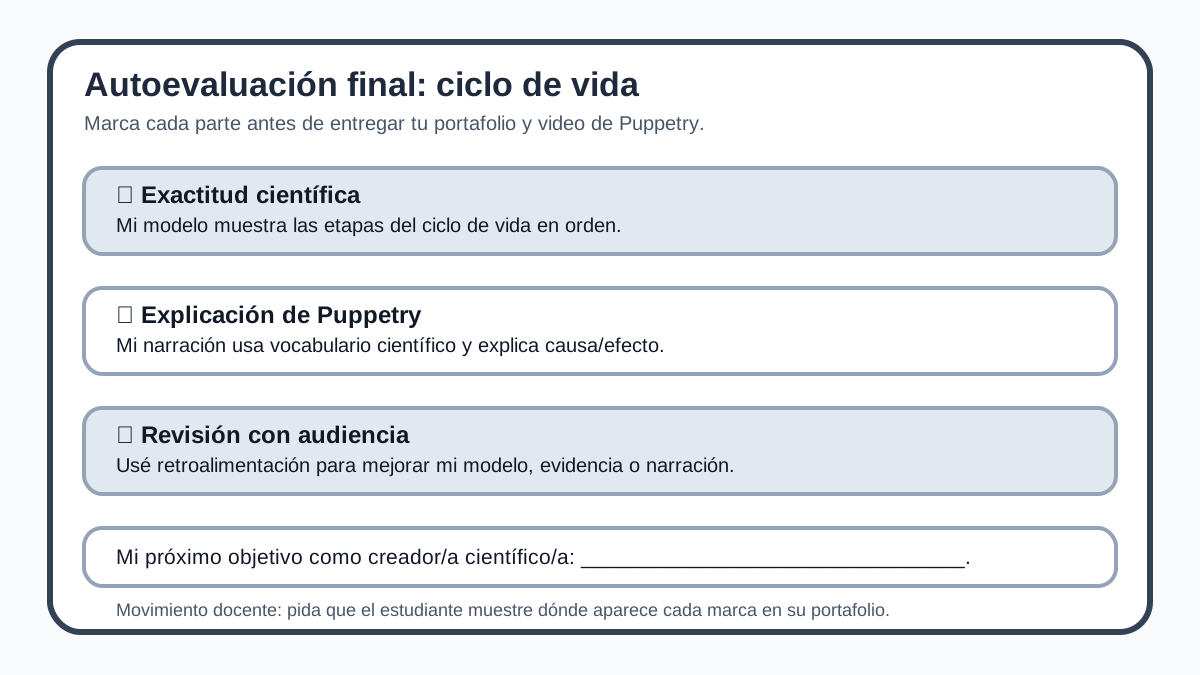
Download student self-assessmentStudent self-assessment checklist for life-cycle model accuracy, Puppetry narration, and audience revision
Download Spanish student self-assessmentSpanish student self-assessment checklist for life-cycle model accuracy, Puppetry narration, and audience revision
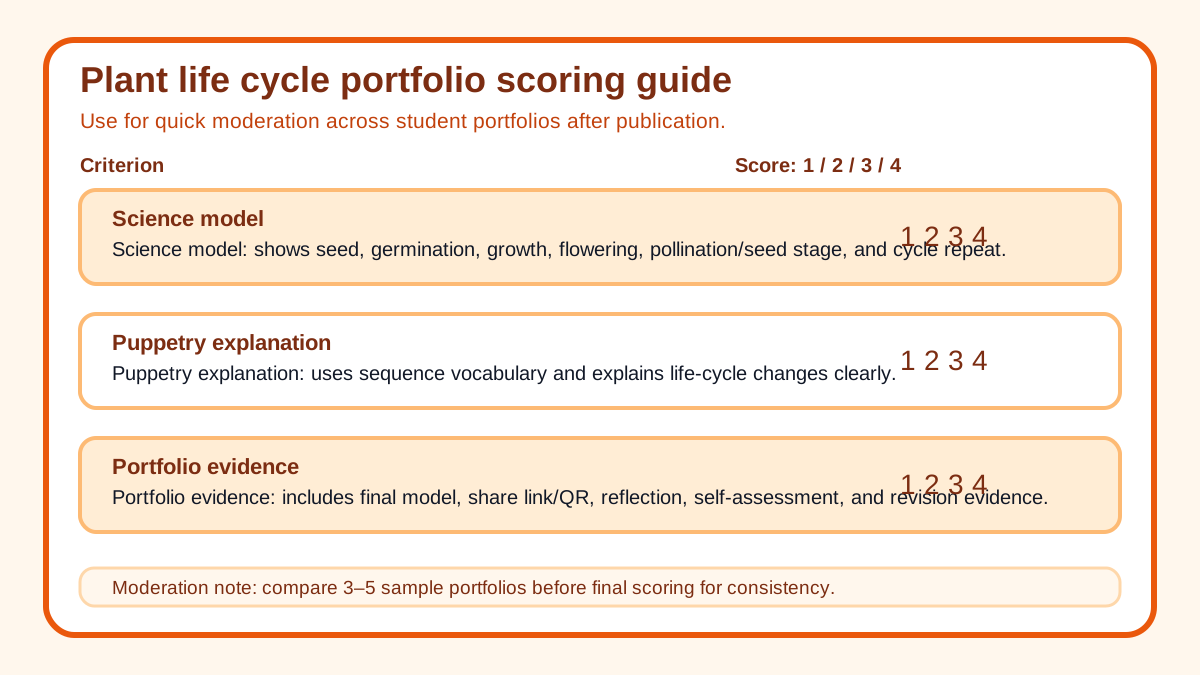
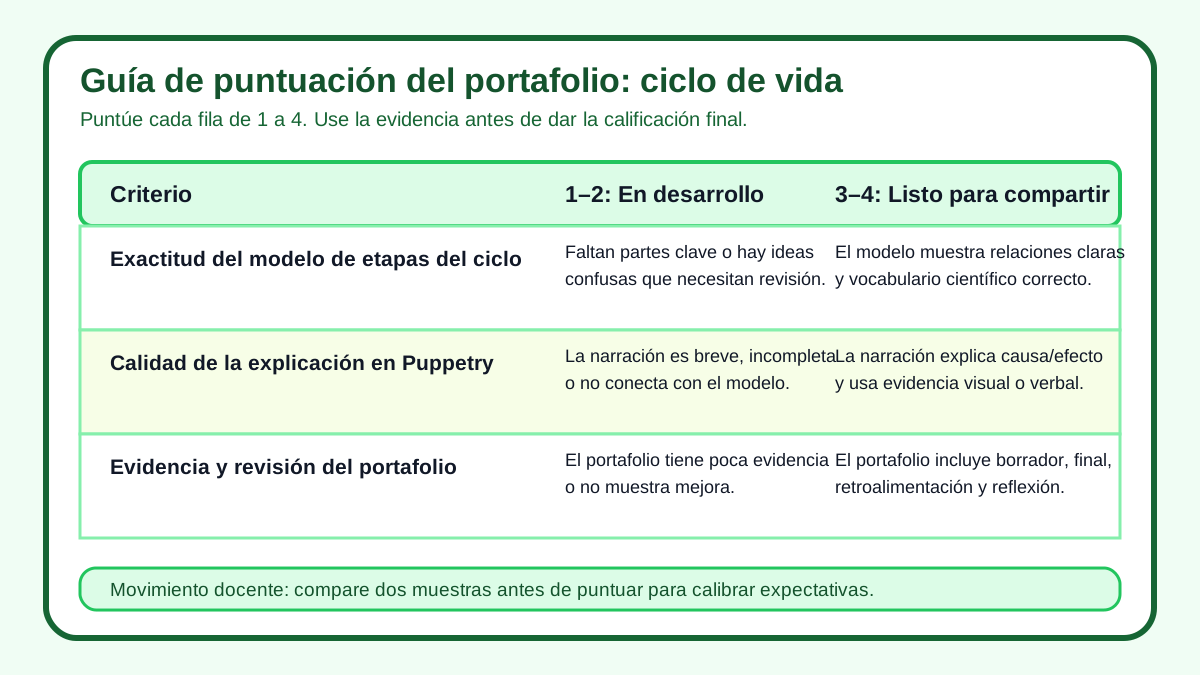
Download portfolio scoring guideTeacher portfolio scoring guide for moderating life-cycle model, Puppetry explanation, and evidence quality
Download Spanish portfolio scoring guideSpanish teacher portfolio scoring guide for moderating life-cycle model, Puppetry explanation, and evidence quality
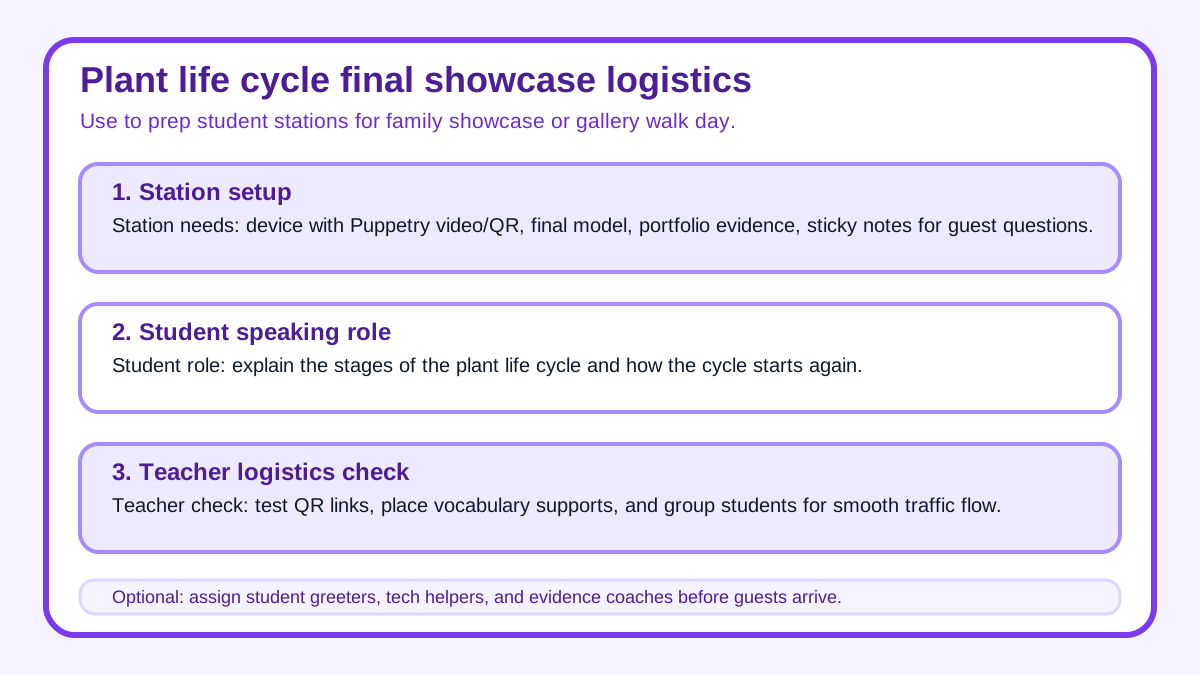
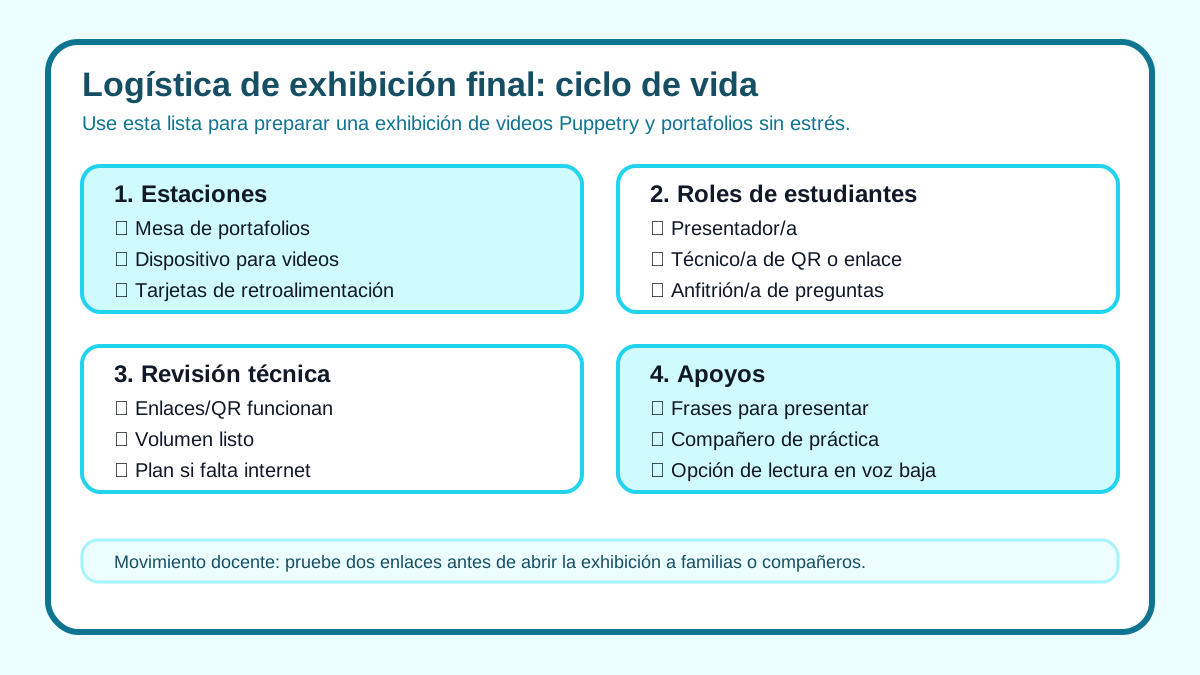
Download final showcase logisticsTeacher logistics card for running a plant life-cycle final showcase with Puppetry videos and portfolios
Download Spanish final showcase logisticsSpanish teacher logistics card for running a plant life-cycle final showcase with Puppetry videos and portfolios
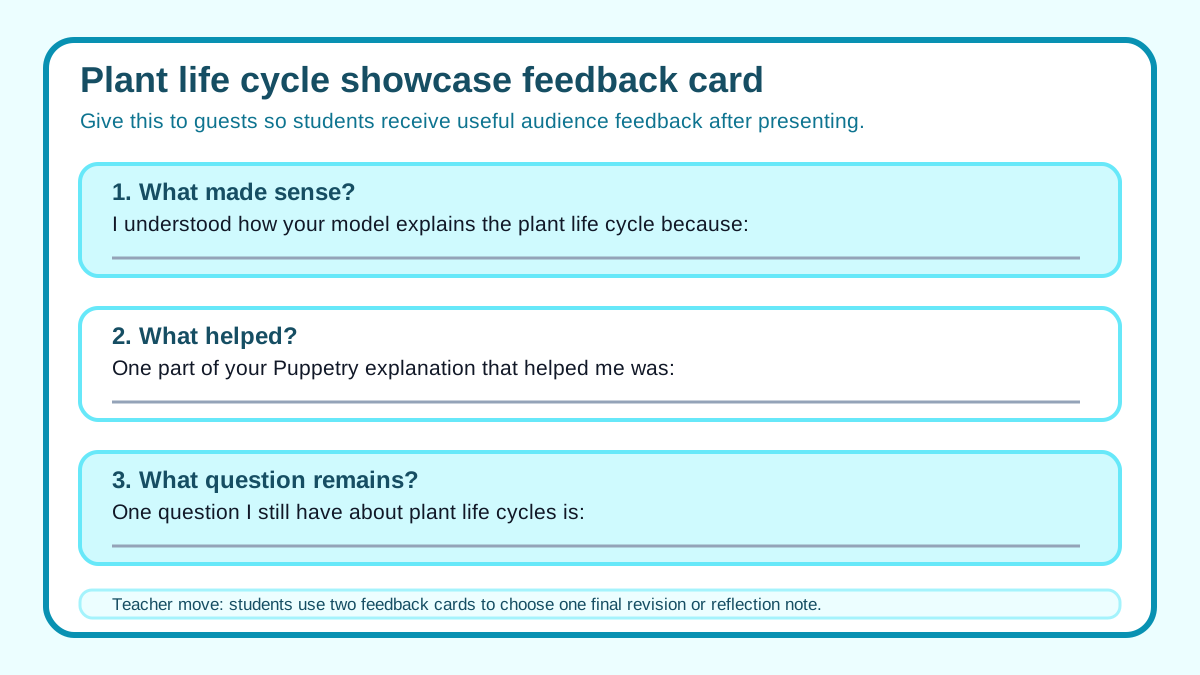
Download showcase feedback cardAudience feedback card for a plant life-cycle final showcase with Puppetry videos
Download Spanish showcase feedback cardSpanish showcase feedback card for responding to life-cycle Puppetry videos
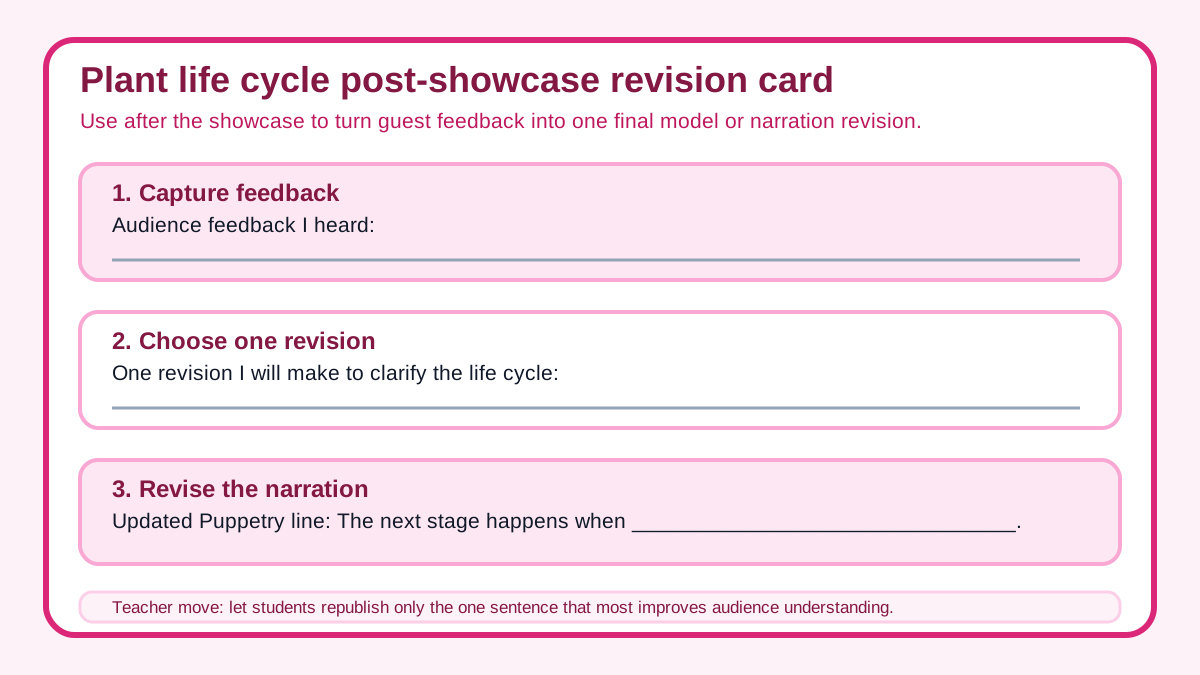
Download post-showcase revision cardStudent post-showcase revision card for improving a life-cycle Puppetry explanation from audience feedback
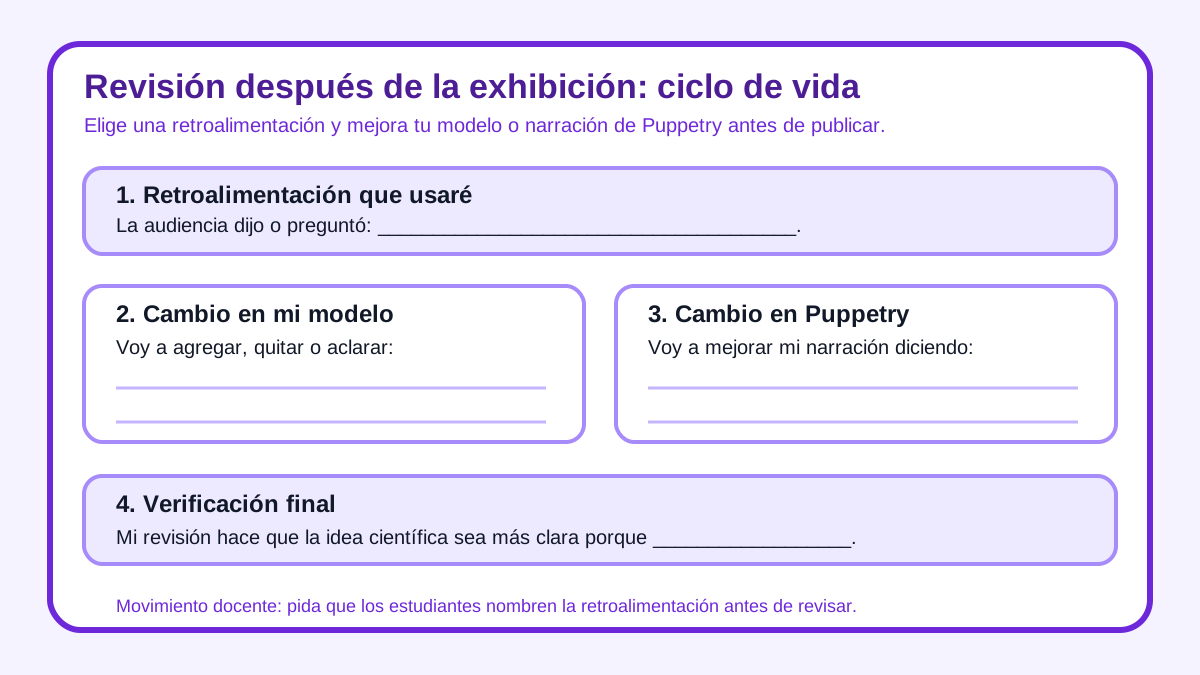
Download Spanish post-showcase revision cardSpanish post-showcase revision card for improving a life-cycle Puppetry explanation from audience feedback
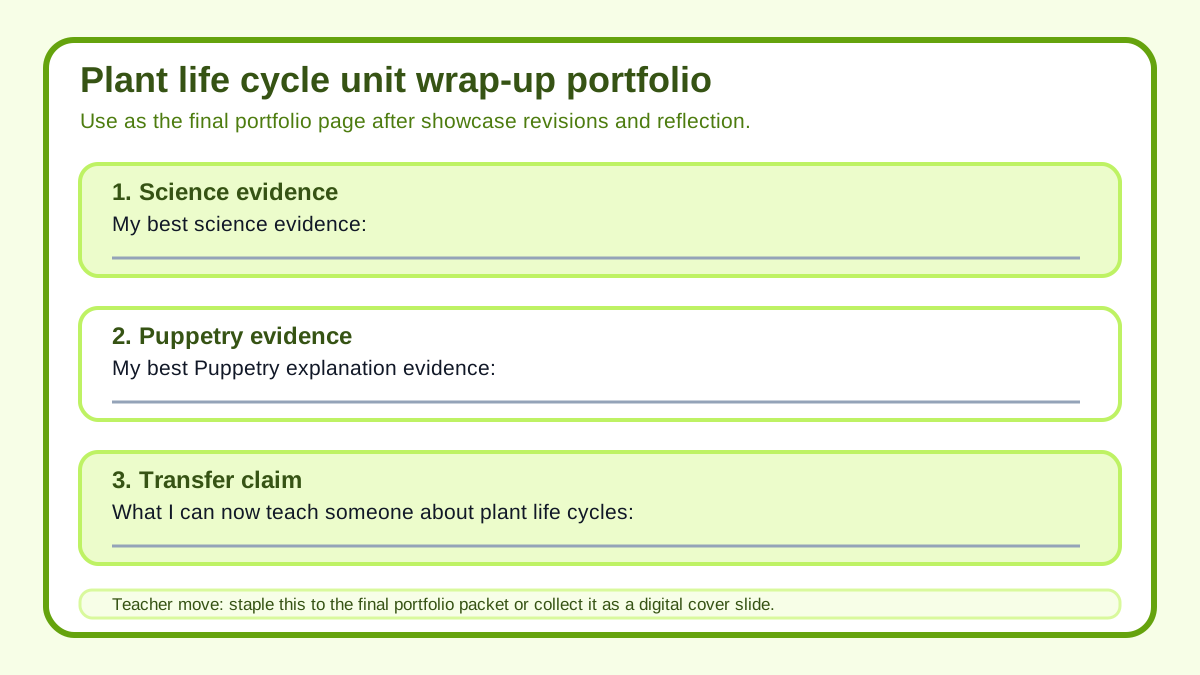
Download unit wrap-up portfolio cardStudent unit wrap-up portfolio card for collecting final life-cycle and Puppetry learning evidence
Download Spanish unit wrap-up portfolio cardSpanish unit wrap-up portfolio card for collecting final life-cycle evidence, Puppetry explanation, and reflection
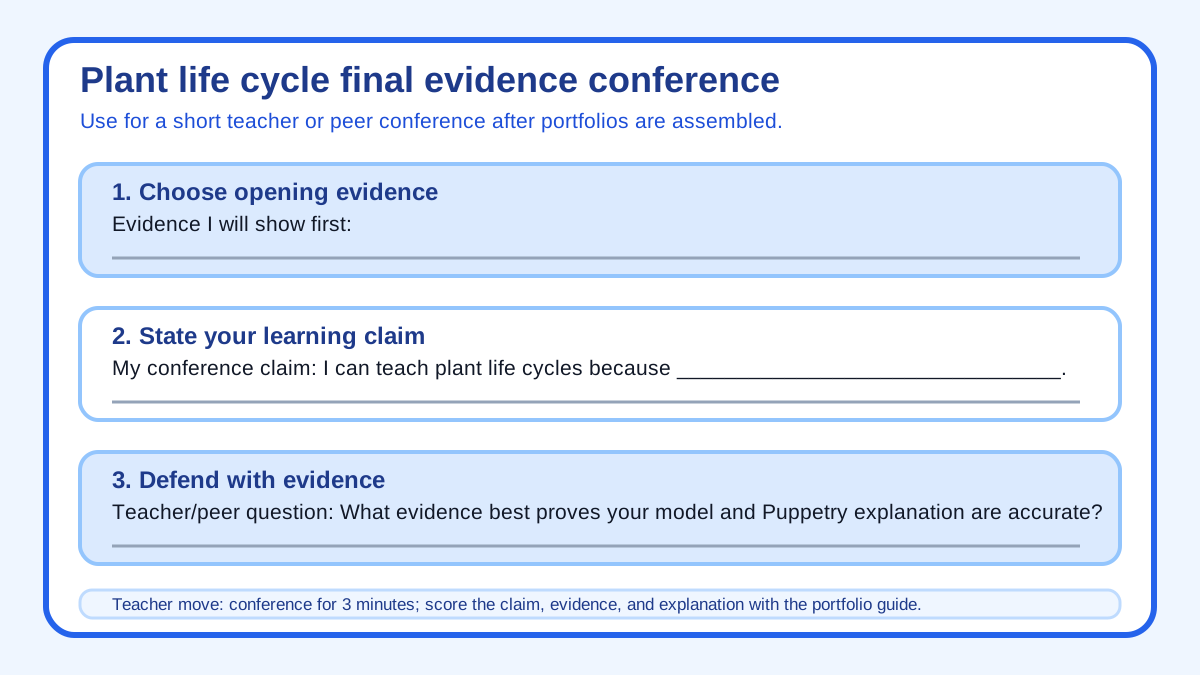
Download final evidence conference cardStudent final evidence conference card for defending life-cycle learning with portfolio and Puppetry evidence
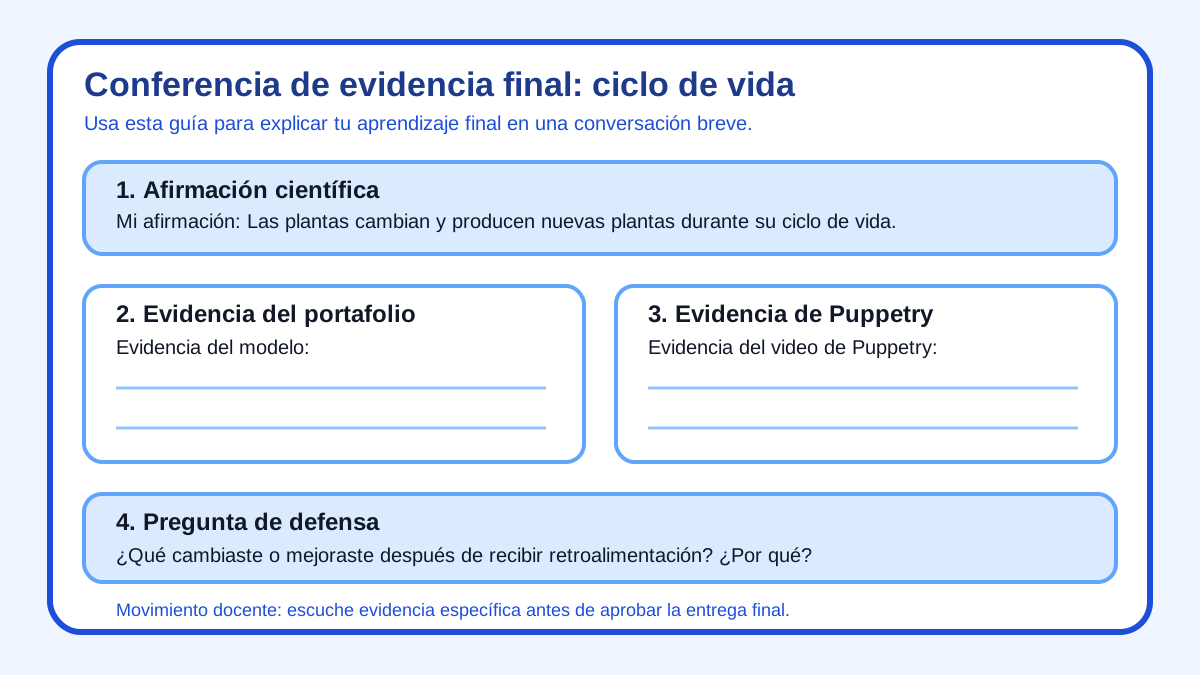
Download Spanish final evidence conference cardSpanish final evidence conference card for defending life-cycle learning with portfolio and Puppetry evidence
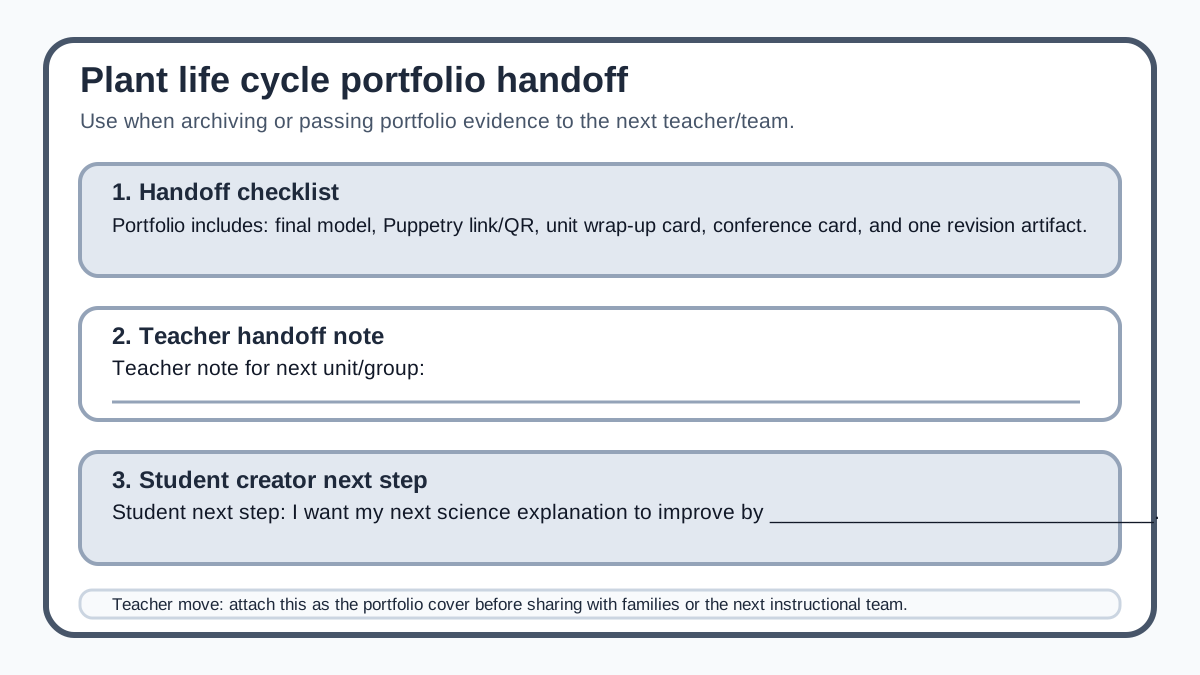
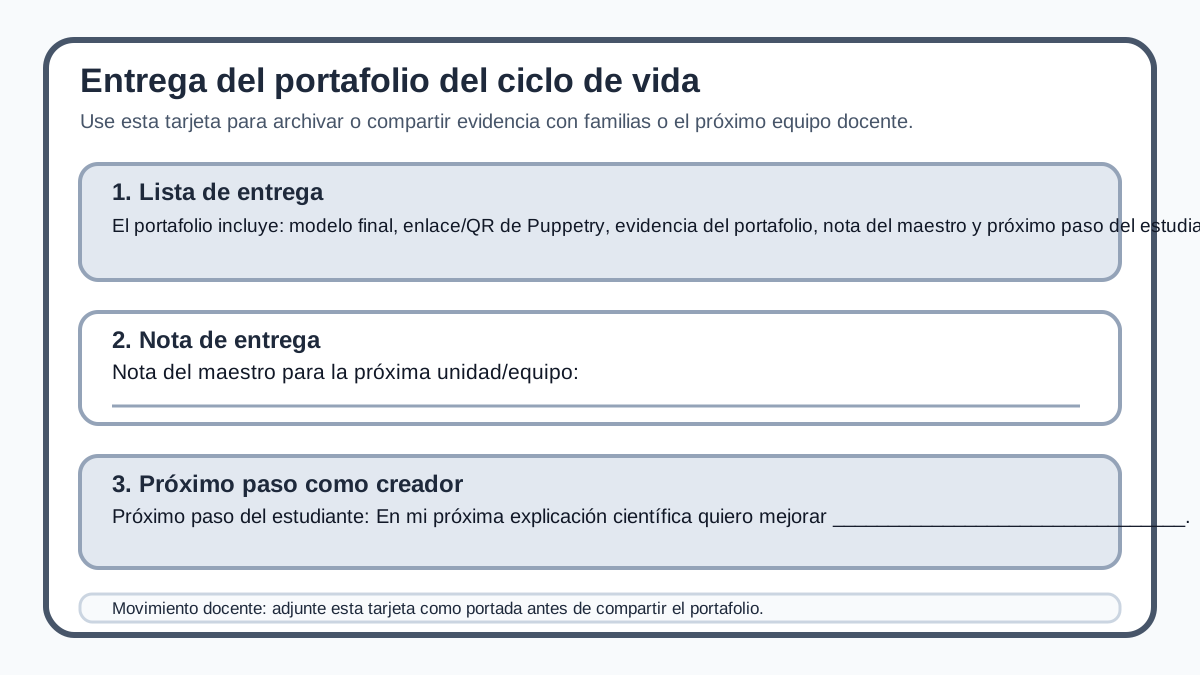
Download portfolio handoff cardPortfolio handoff card for archiving life-cycle model, Puppetry link, conference evidence, and next steps
Download Spanish portfolio handoff cardSpanish portfolio handoff card for archiving life-cycle model, Puppetry link, evidence, and next steps
Download worksheet PDFStudent sequencing sheet with draw-and-explain prompts
Download answer key PDFQuick grading guide and expected student responses
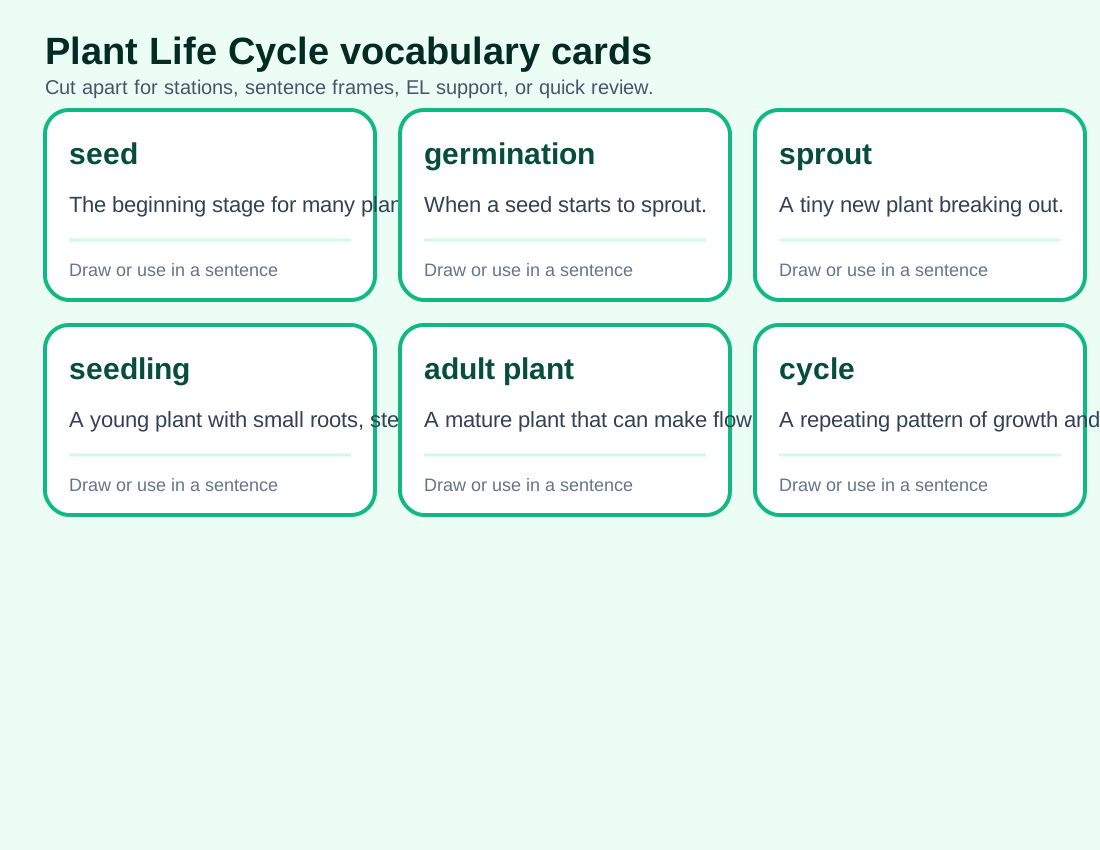
Download vocabulary cardsCycle-stage terms for sequencing and review stations
Download bilingual vocabulary cardsEnglish/Spanish cycle-stage terms for EL support
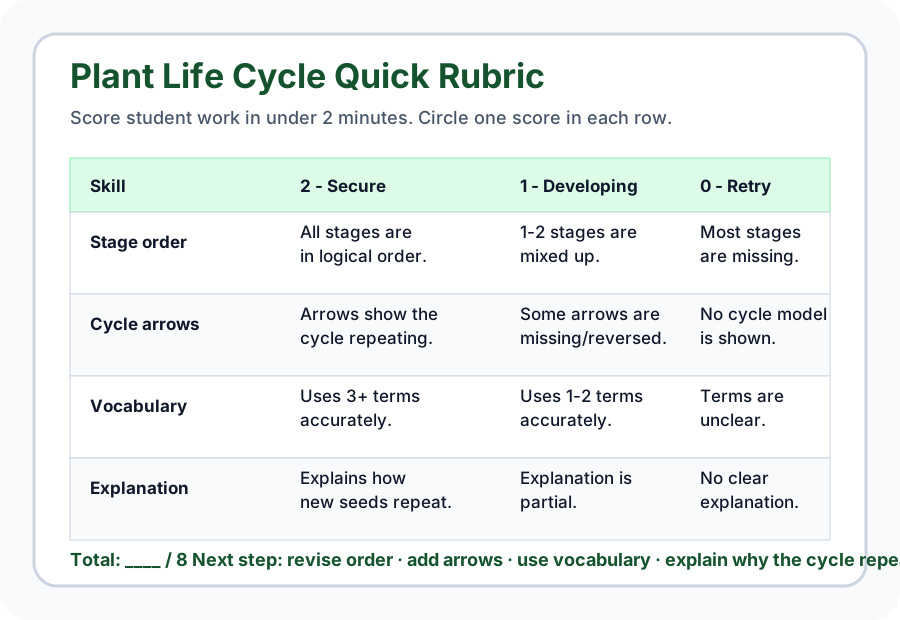
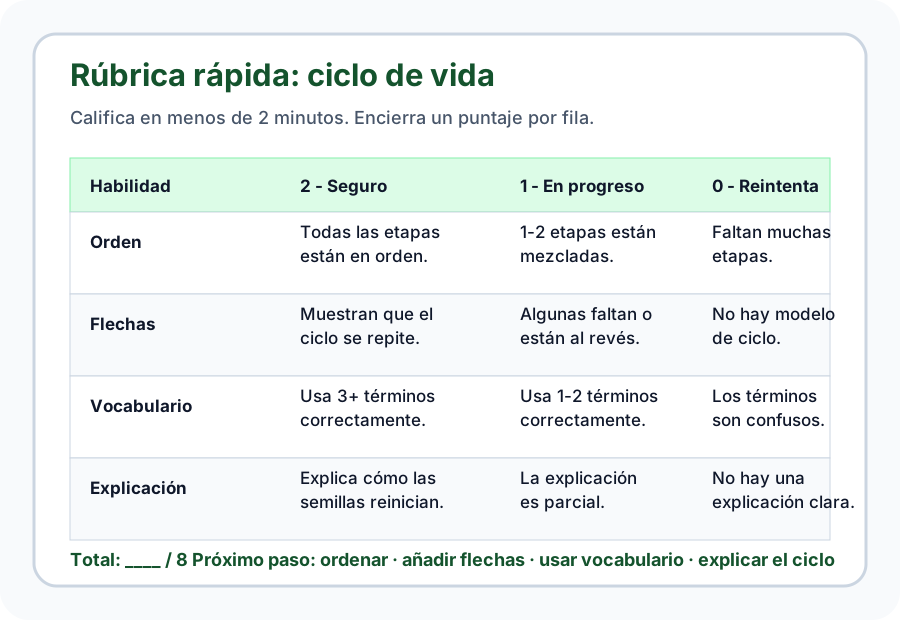
Download quick rubric8-point scoring guide for sequence, arrows, vocabulary, and explanation
Download Spanish quick rubricSpanish 8-point scoring guide for sequence, arrows, vocabulary, and Puppetry explanation revision
Download slide outline8-slide sequence lesson outline for Google Slides or Puppetry
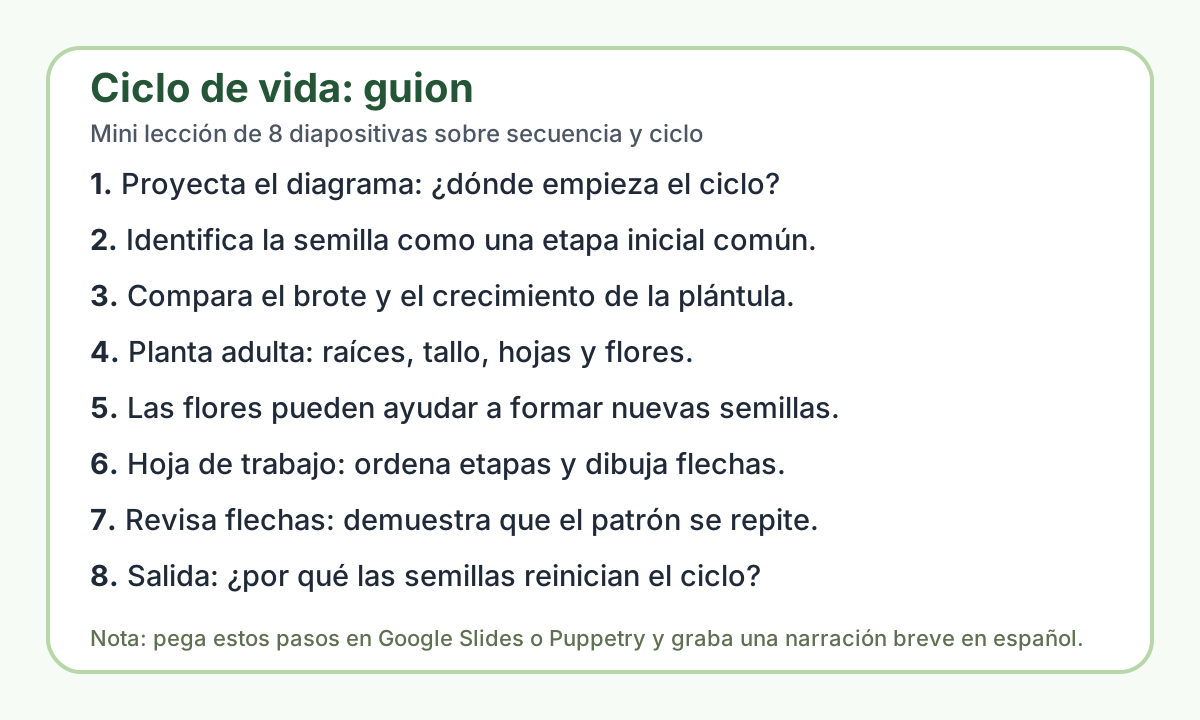
Download Spanish slide outlineSpanish 8-slide sequence lesson outline for Google Slides or Puppetry narration
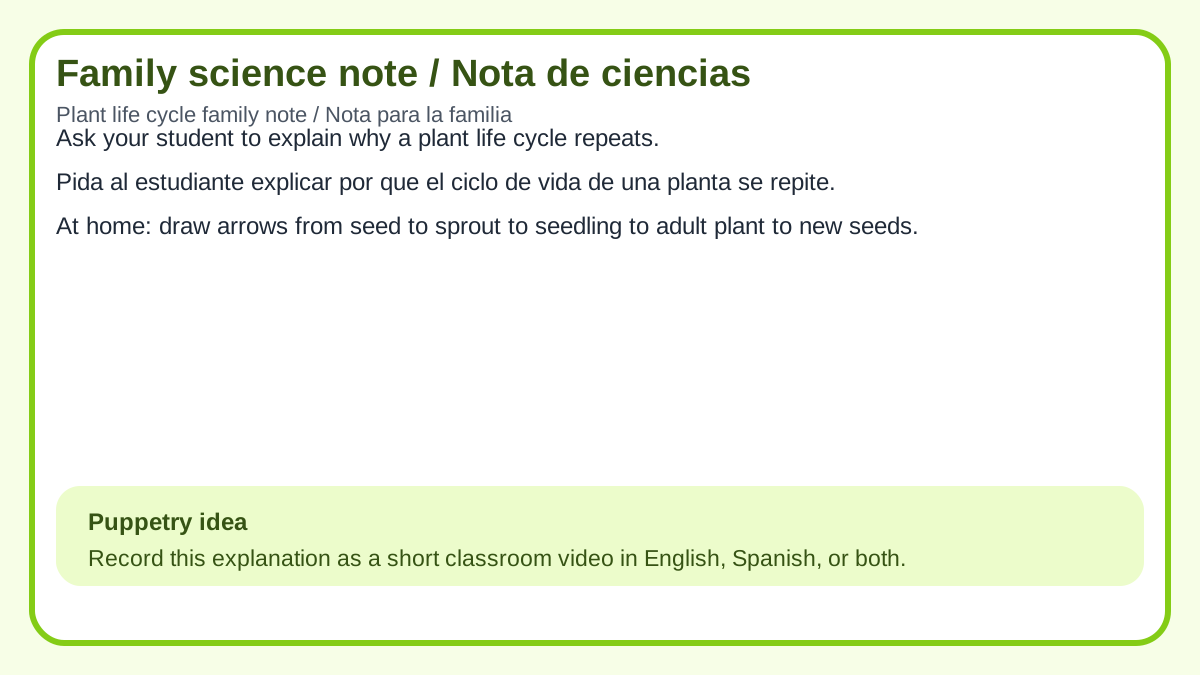
Download bilingual family noteEnglish/Spanish home cycle explanation prompt
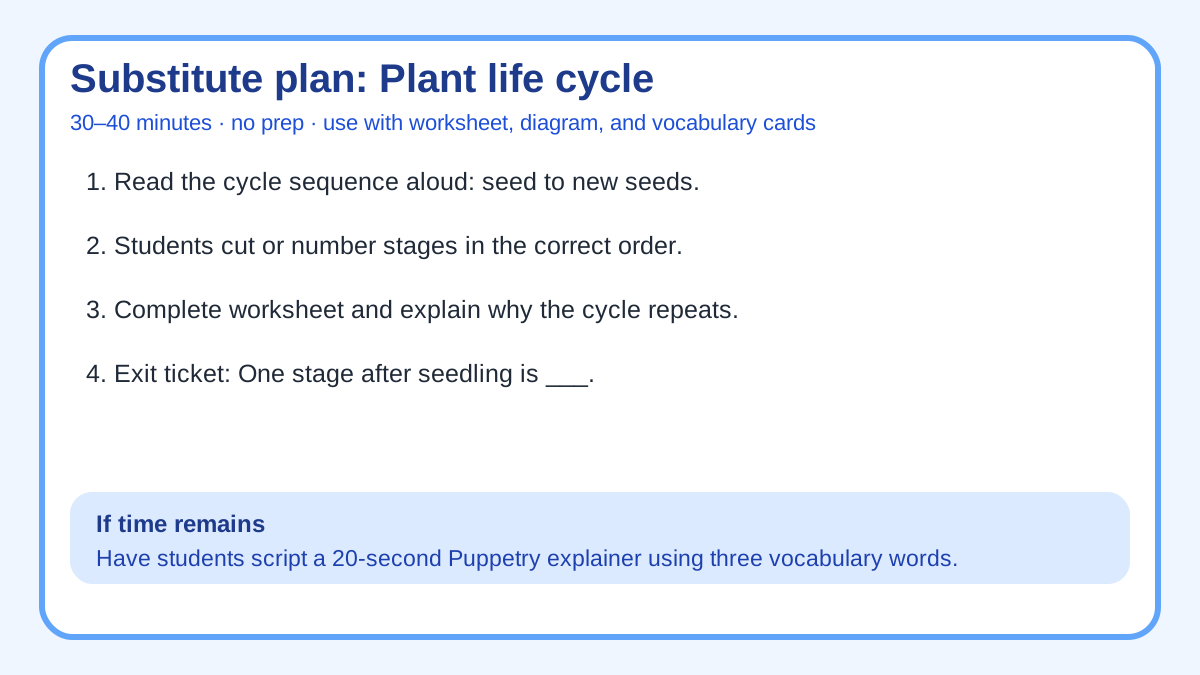
Download substitute planNo-prep cycle sequence lesson flow for guest teachers
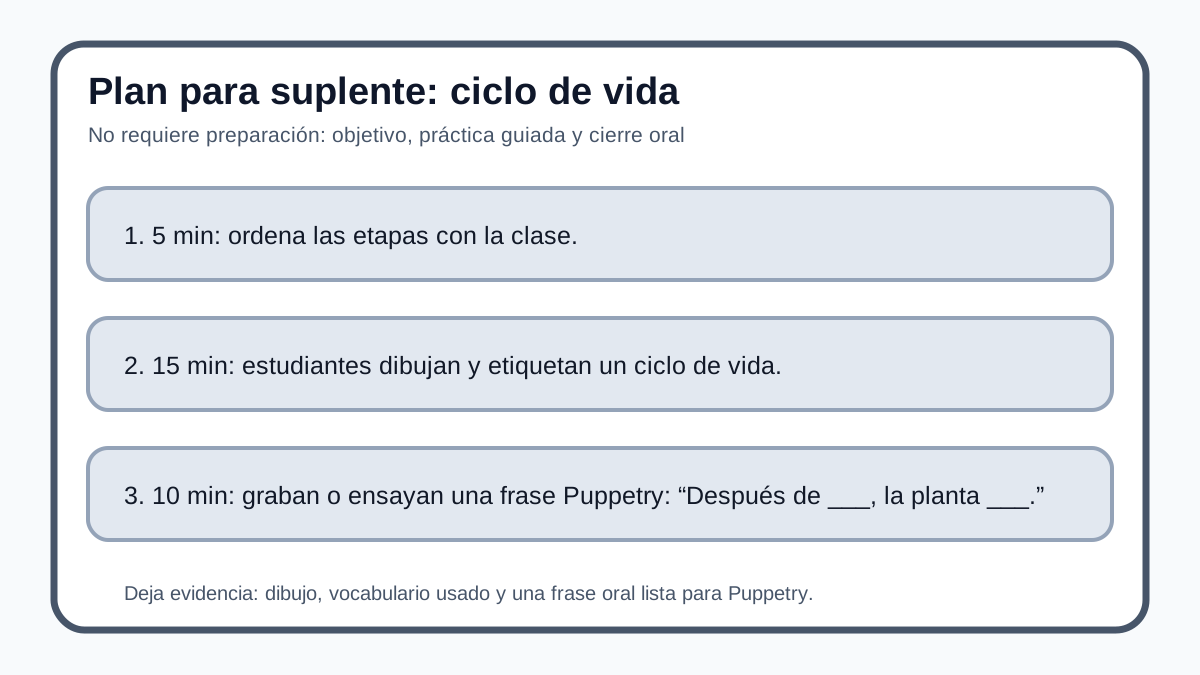
Download Spanish substitute planSpanish no-prep substitute plan for a life-cycle mini lesson with a Puppetry oral close
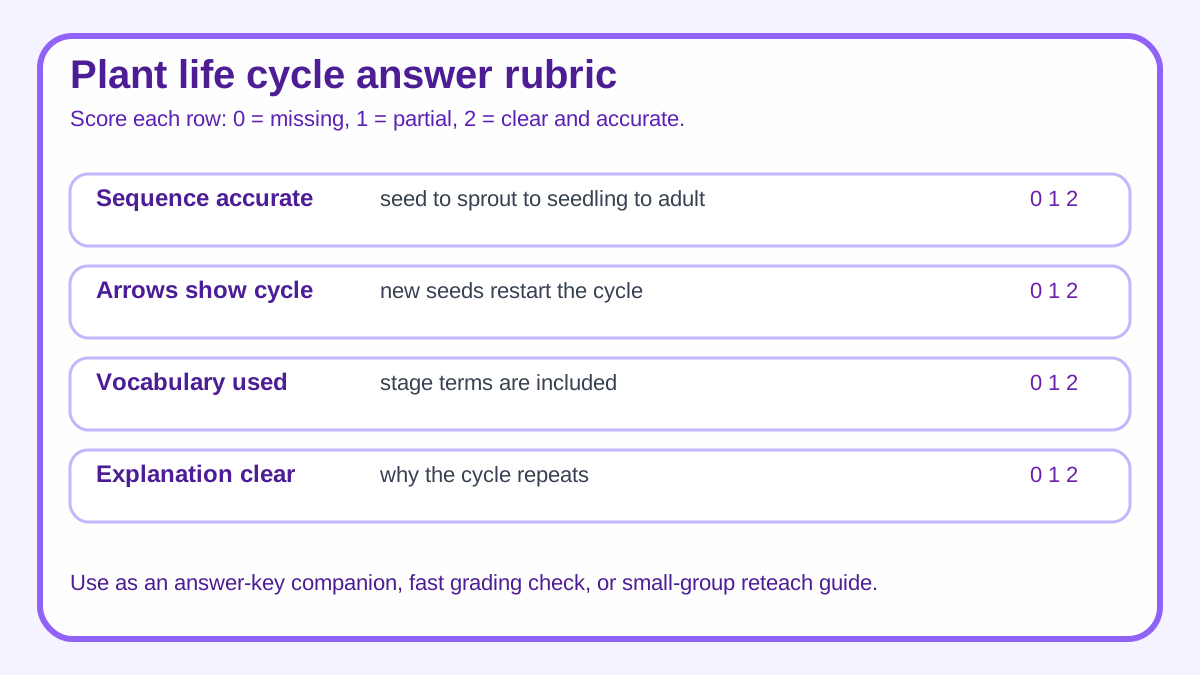
Download answer rubricFast 8-point scoring guide for sequence explanations
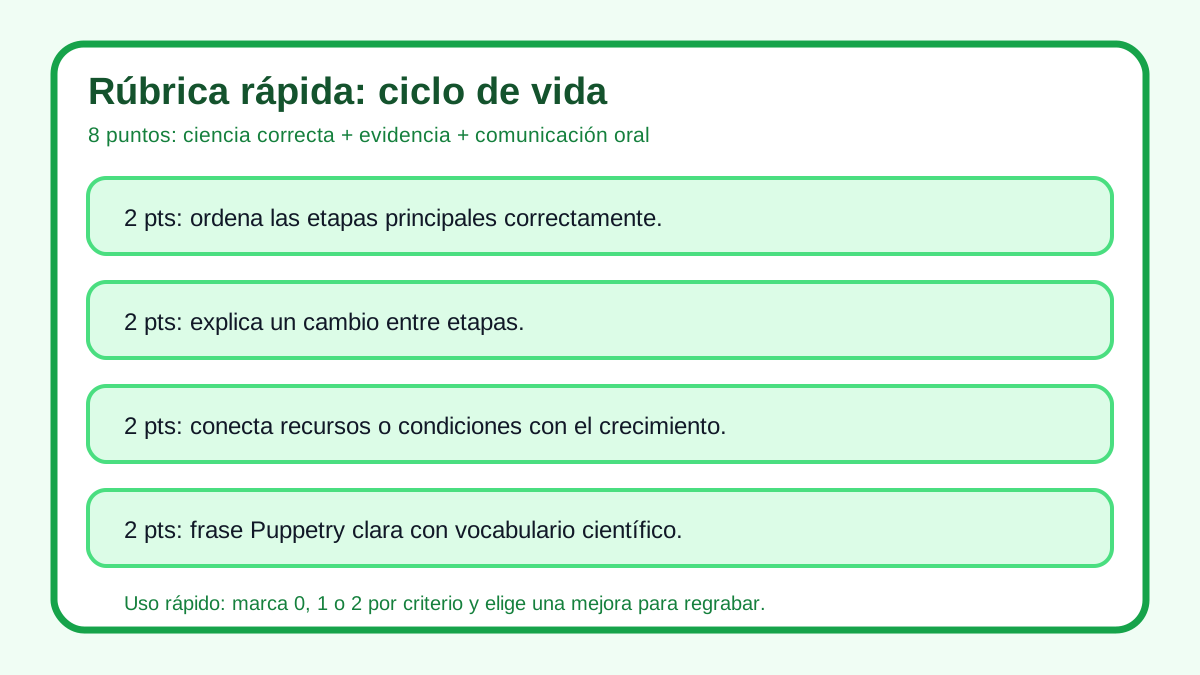
Download Spanish answer rubricSpanish 8-point life-cycle answer rubric for sequence, change, evidence, and Puppetry oral clarity
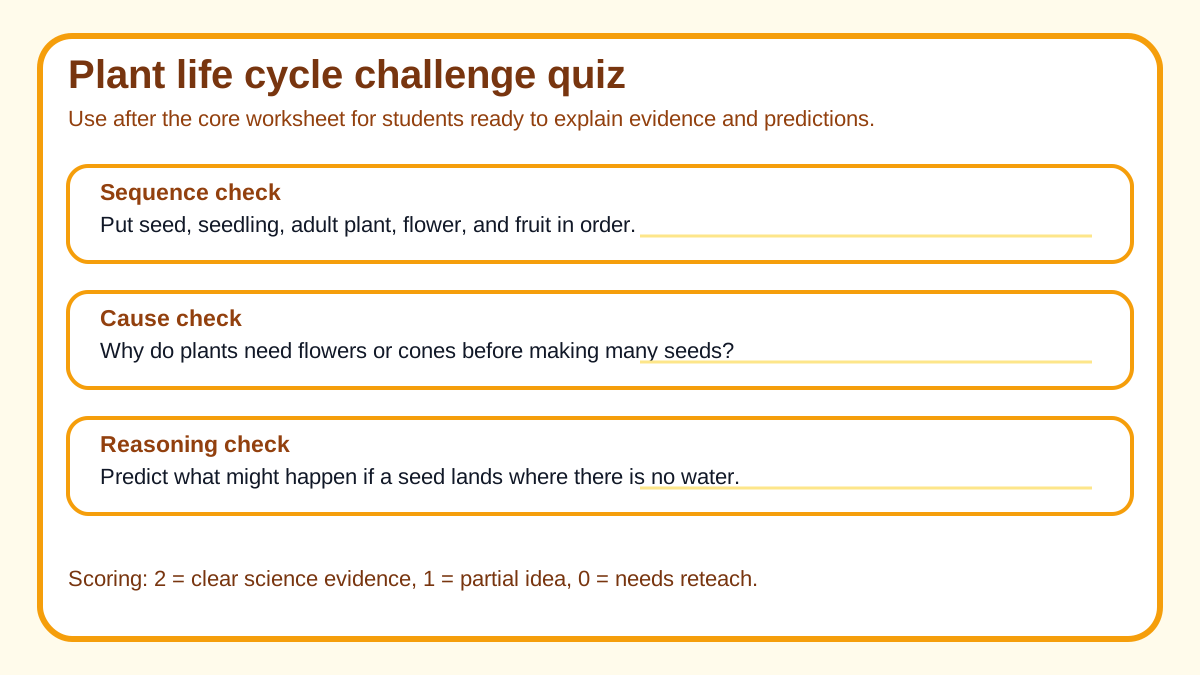
Download challenge quizHigher-order reasoning prompts for fast finishers
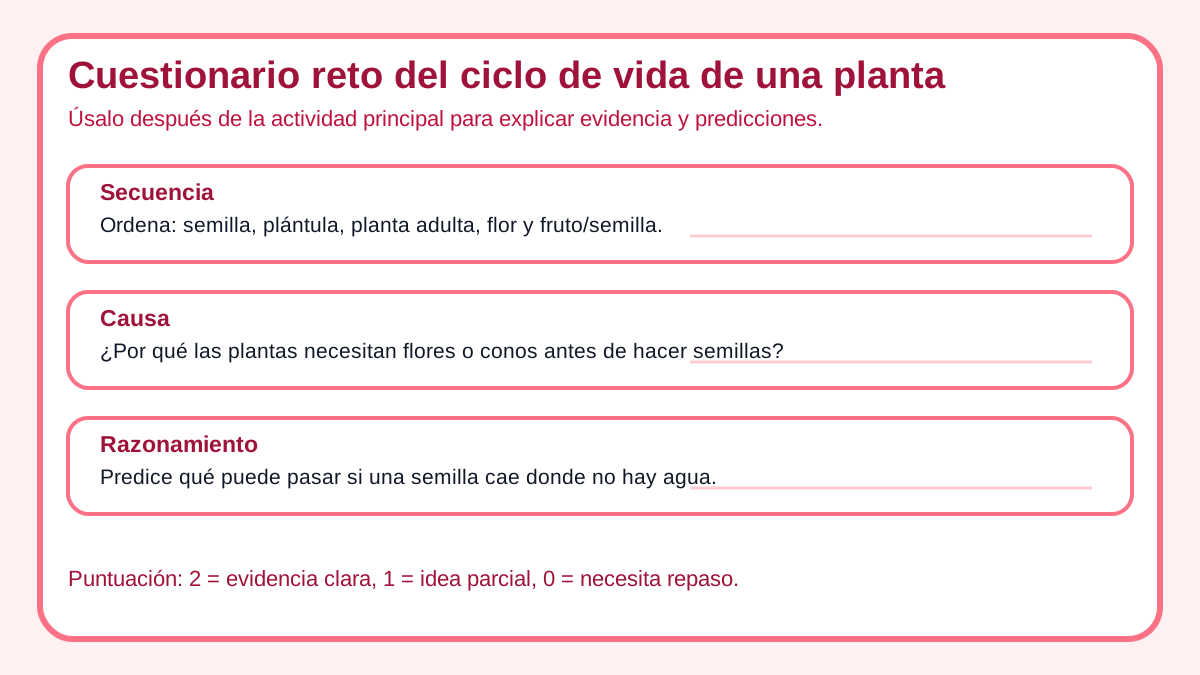
Download Spanish challenge quizSpanish higher-order prompts for bilingual/EL support
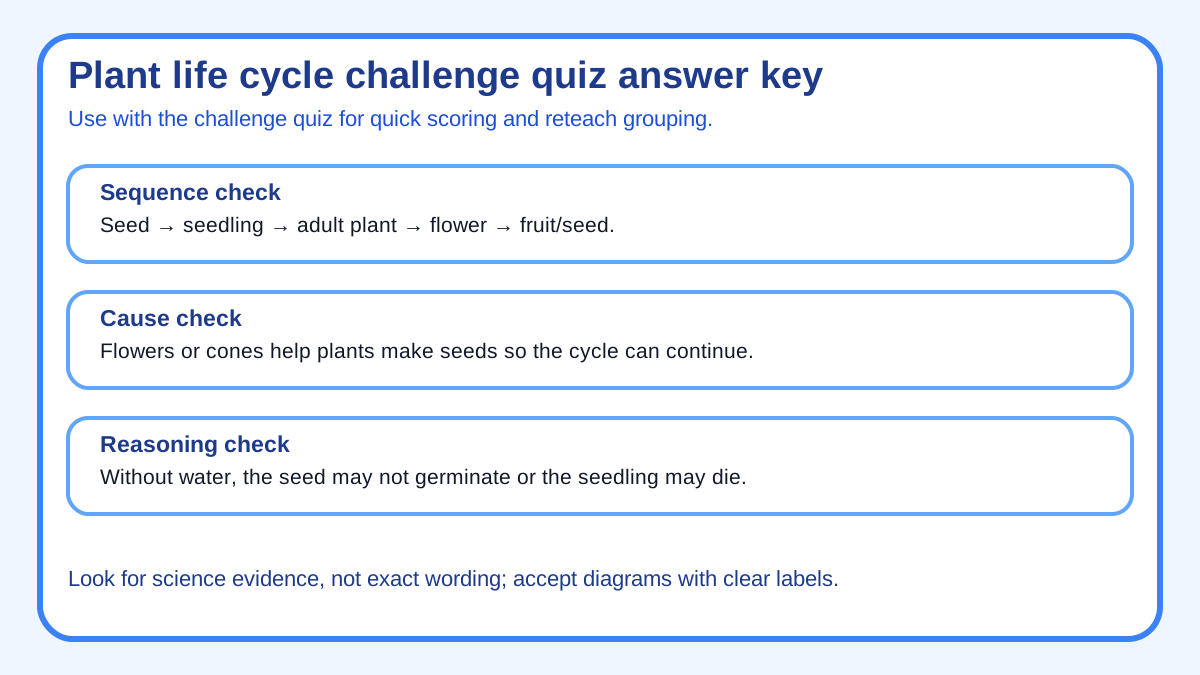
Download challenge quiz answer keyTeacher key for scoring challenge responses quickly
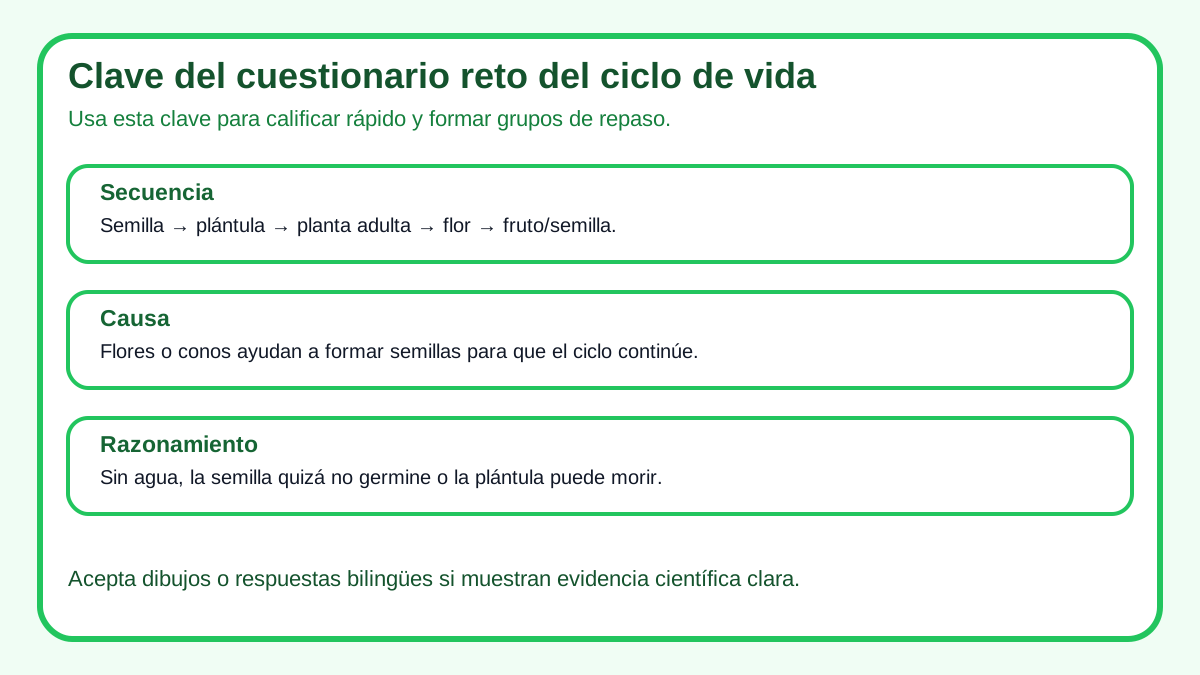
Download Spanish challenge quiz answer keySpanish teacher key for bilingual challenge responses
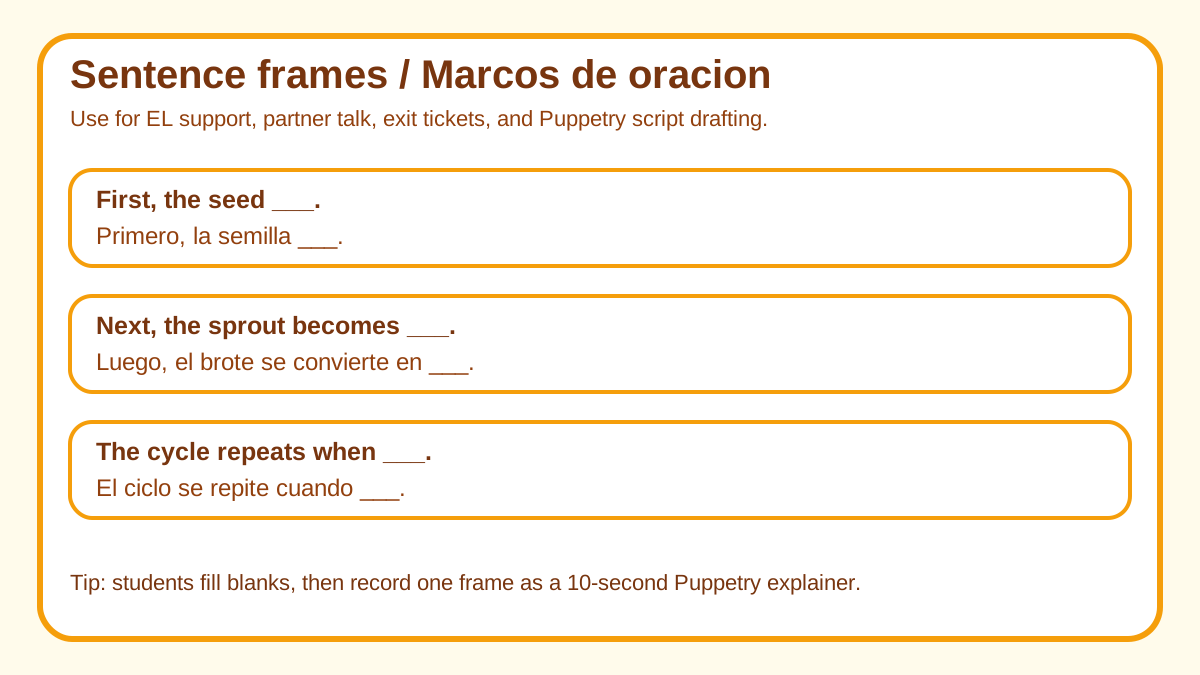
Download bilingual sentence framesEnglish/Spanish cycle explanation frames for EL support
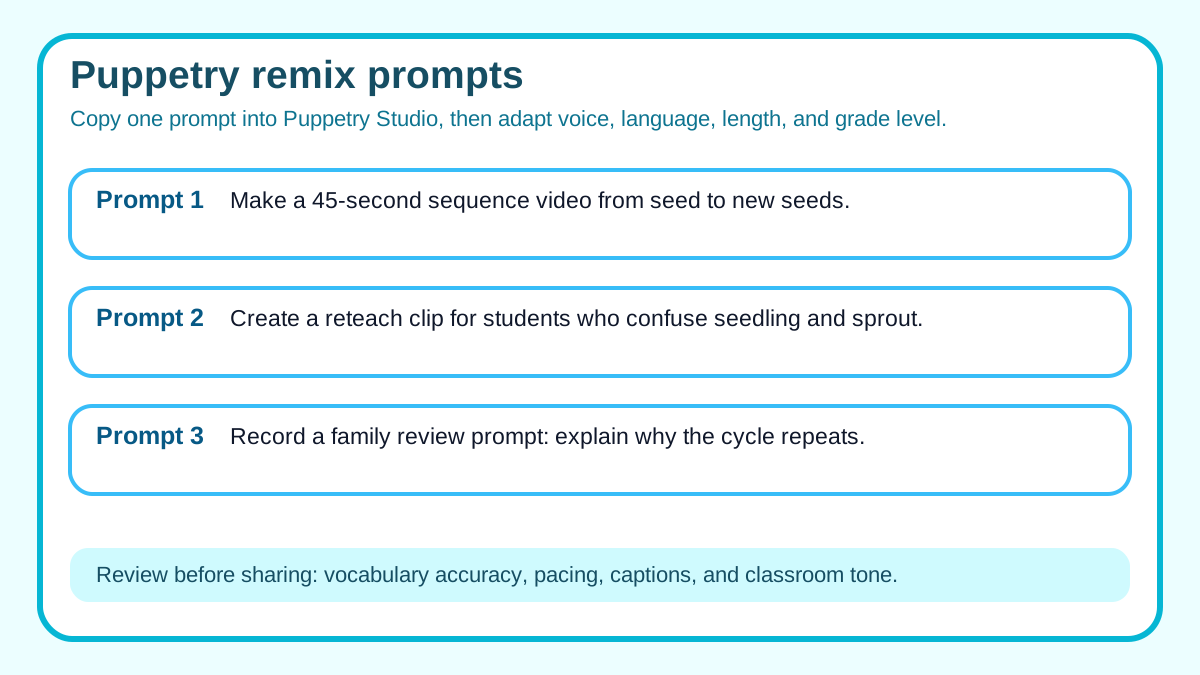
Download Puppetry remix promptsTeacher prompts for generating custom life-cycle videos
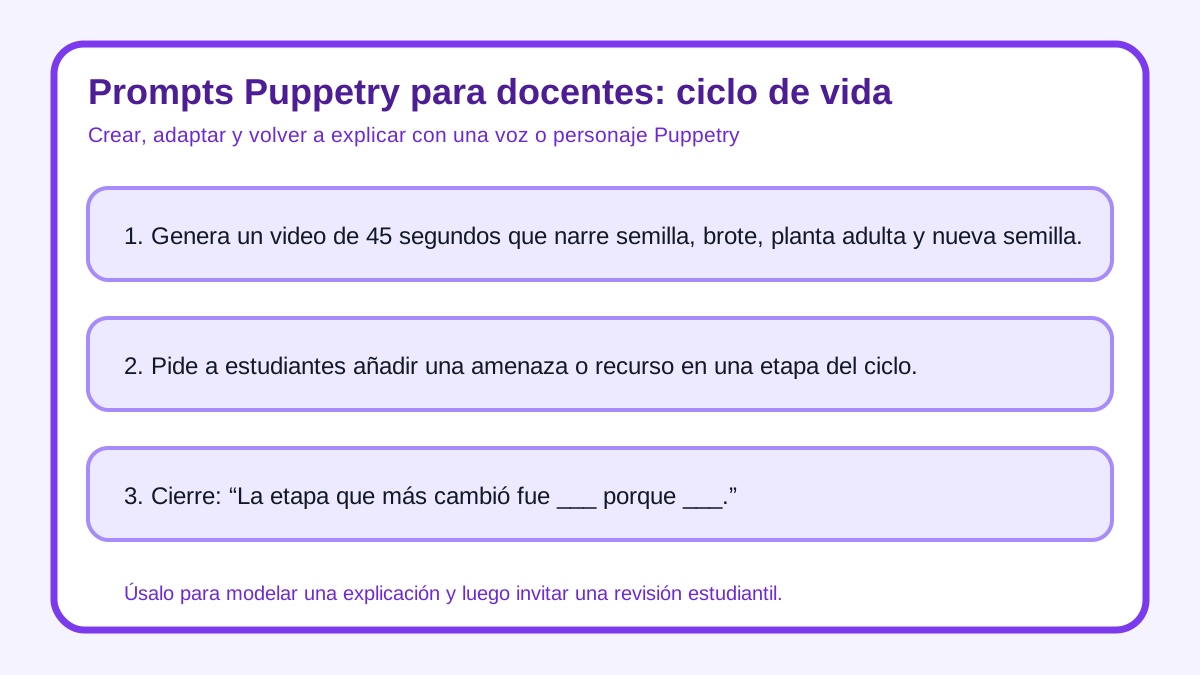
Download Spanish Puppetry remix promptsSpanish teacher-facing Puppetry remix prompts for custom life-cycle explainer videos
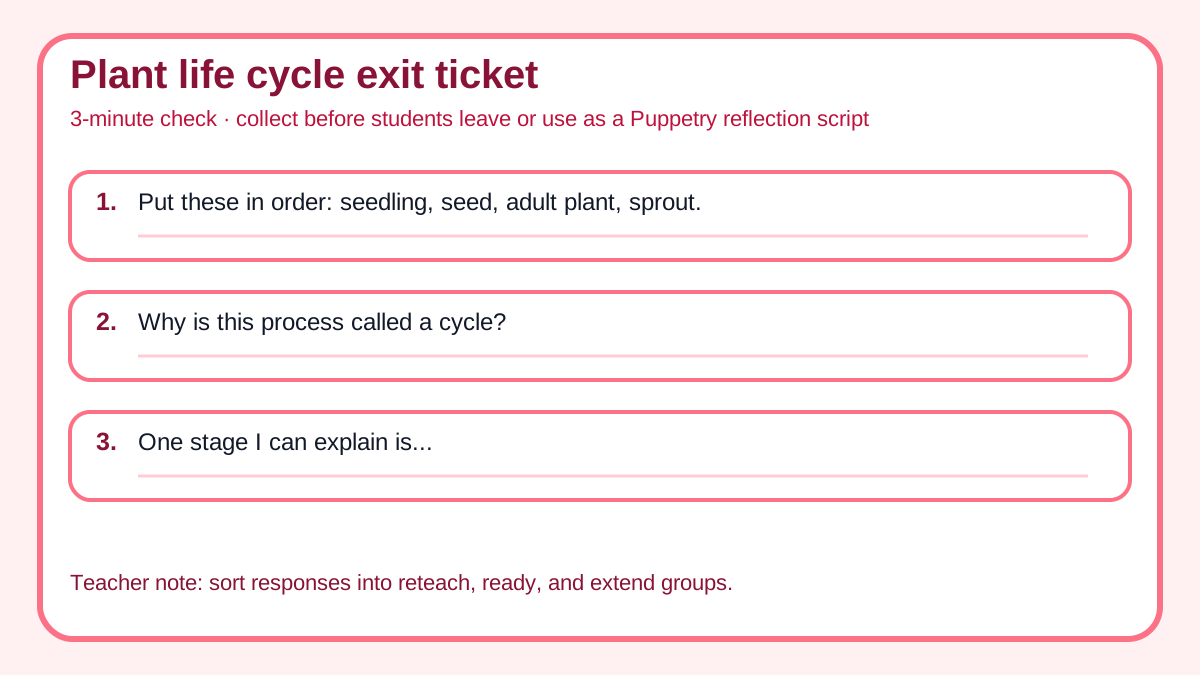
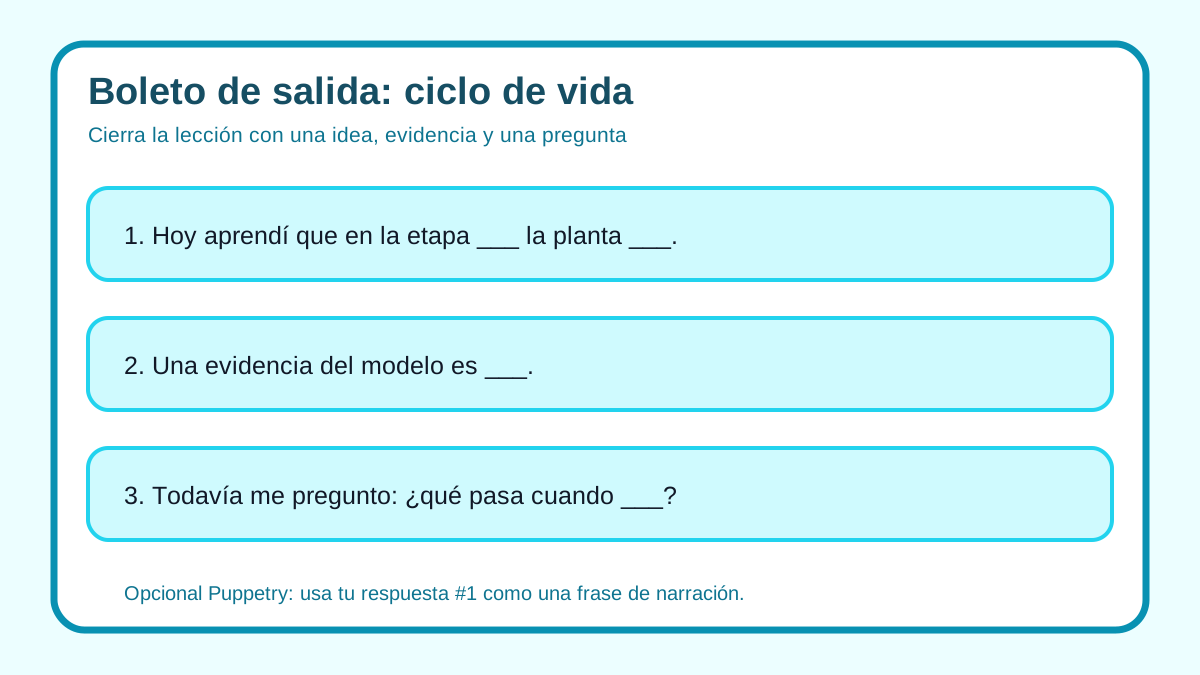
Download exit ticket3-minute formative check for sequence reasoning
Download Spanish exit ticketSpanish three-question exit ticket for summarizing life-cycle learning, model evidence, and a remaining question
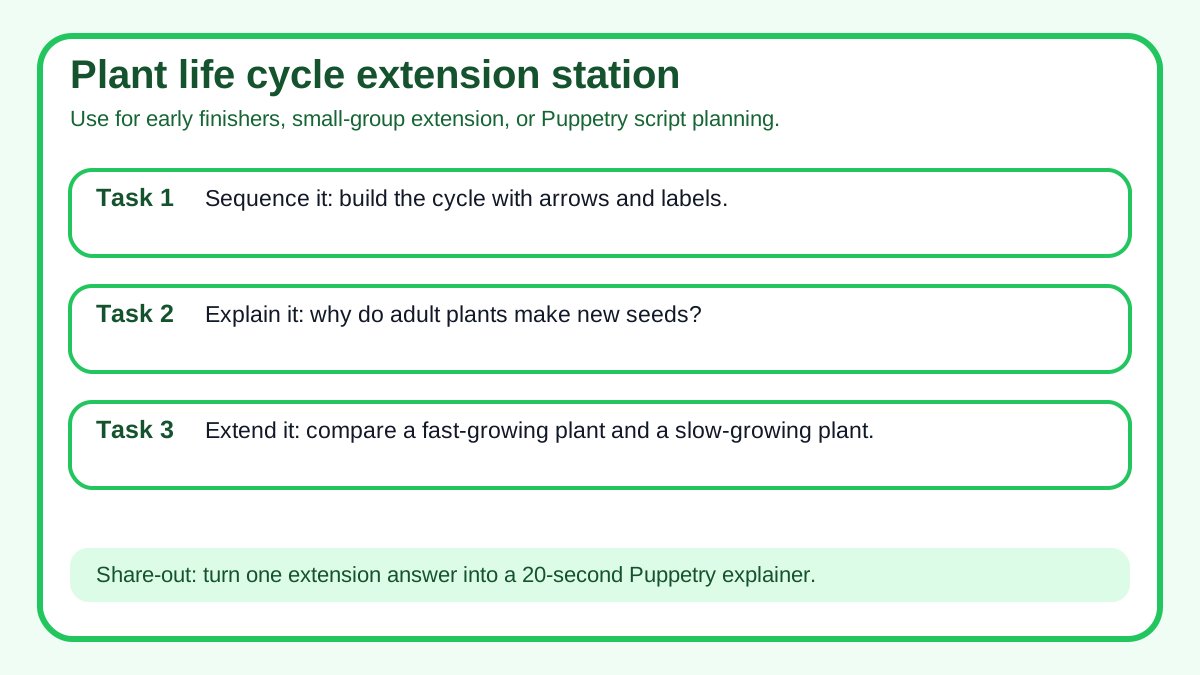
Download extension stationEarly-finisher task card for cycle application
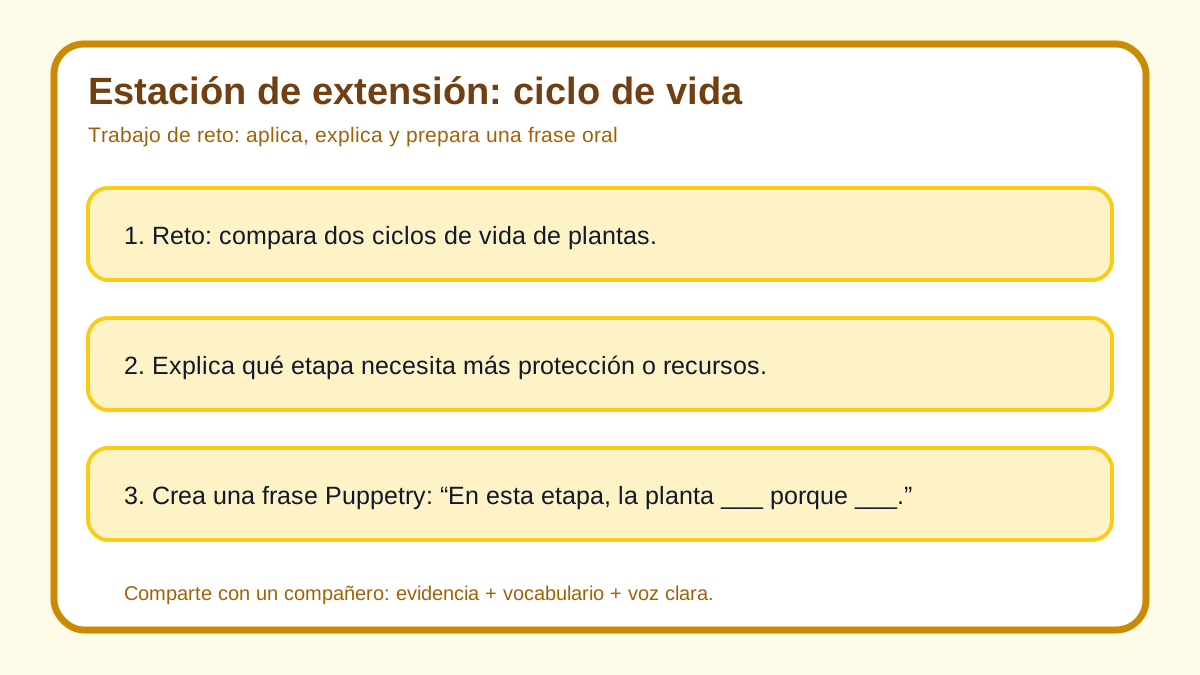
Download Spanish extension stationSpanish early-finisher extension station for applying life-cycle reasoning and preparing a Puppetry sentence
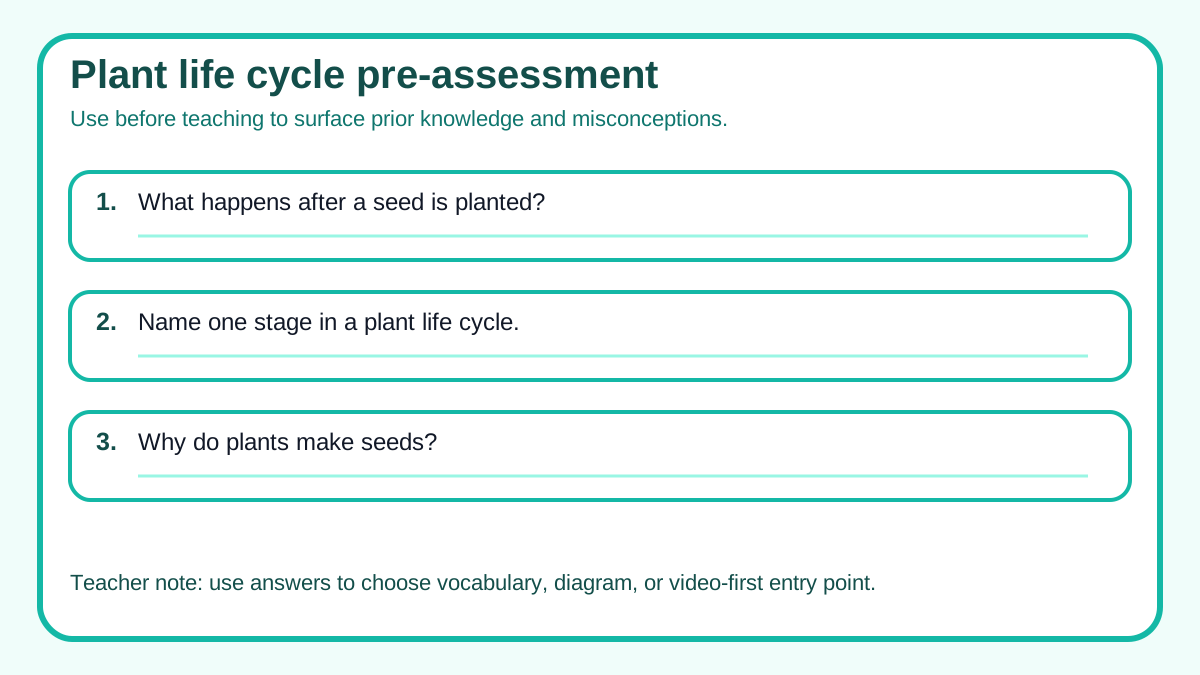
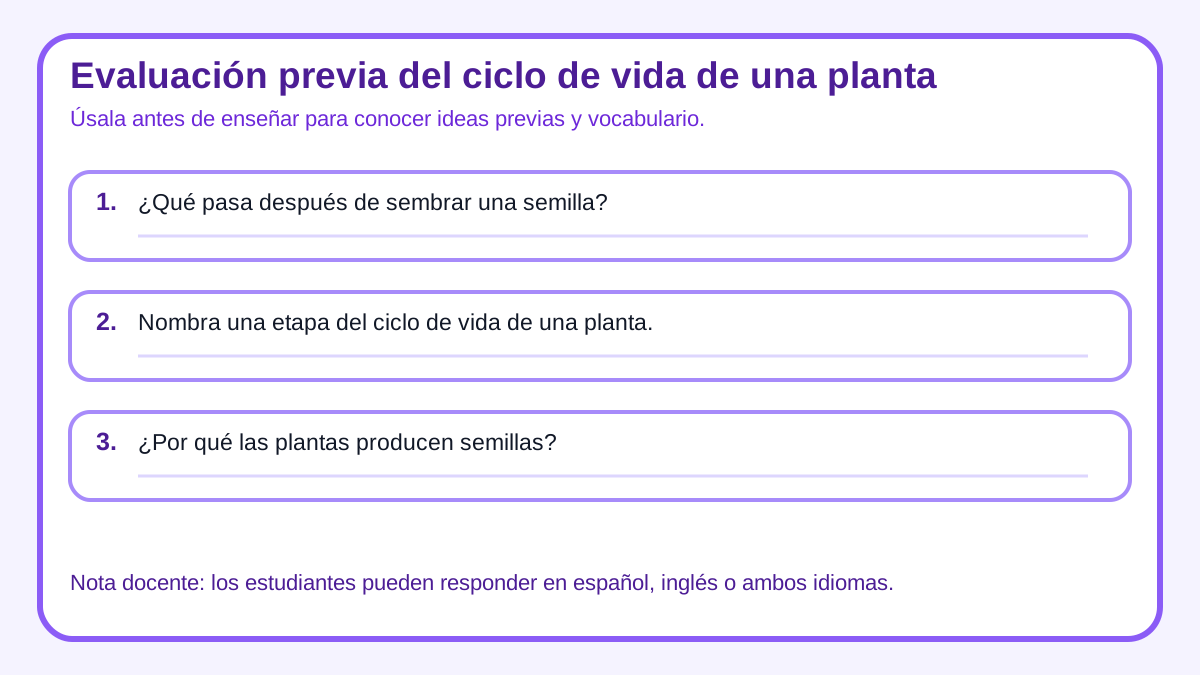
Download pre-assessment3-question prior-knowledge check before teaching
Download Spanish pre-assessmentSpanish prior-knowledge check for bilingual/EL support
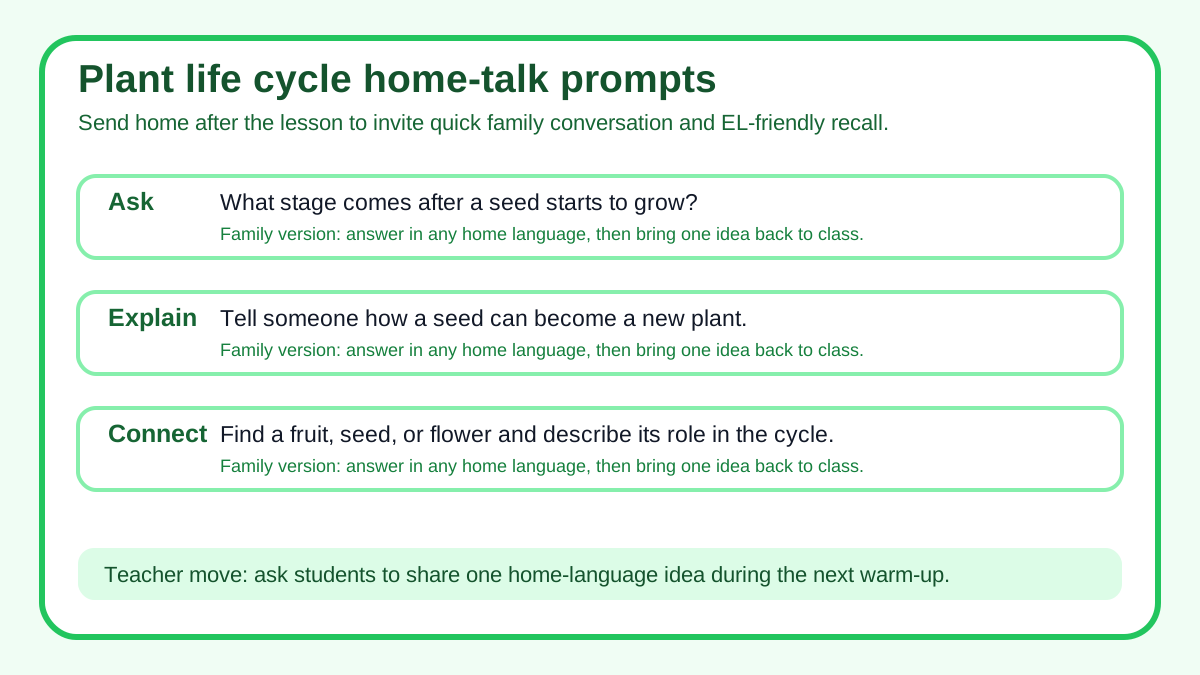
Download home-talk promptsFamily discussion prompts for home-language science talk
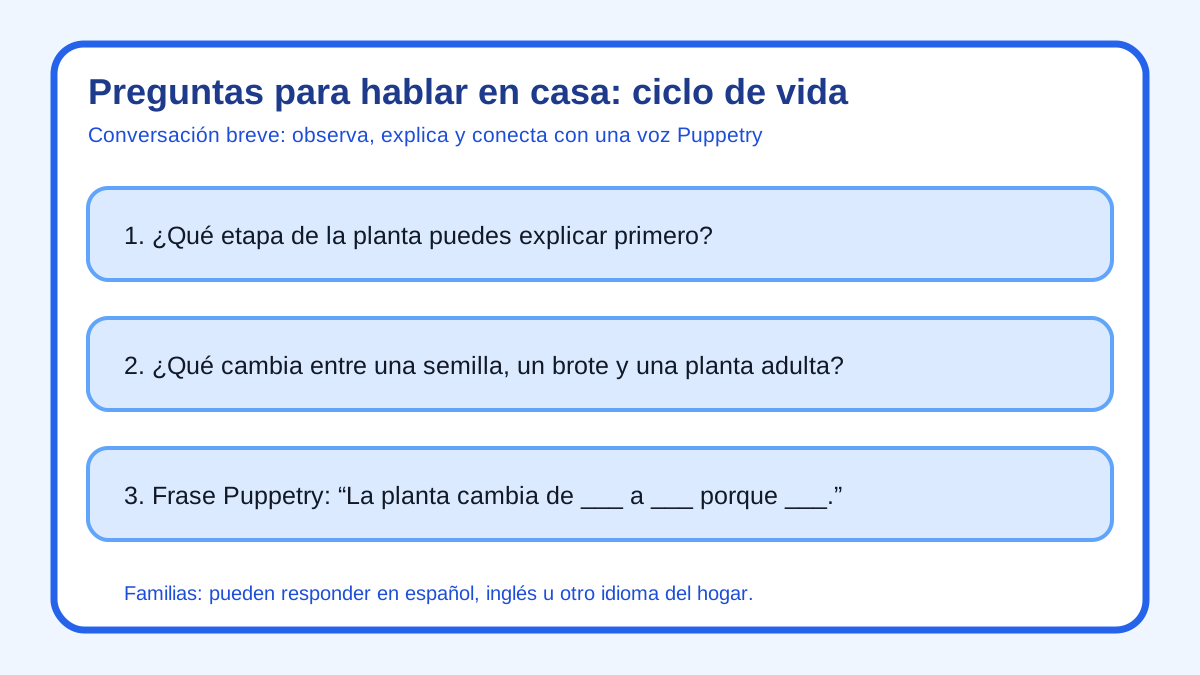
Download Spanish home-talk promptsSpanish family conversation prompts for home-language plant life-cycle recall and Puppetry sentence practice
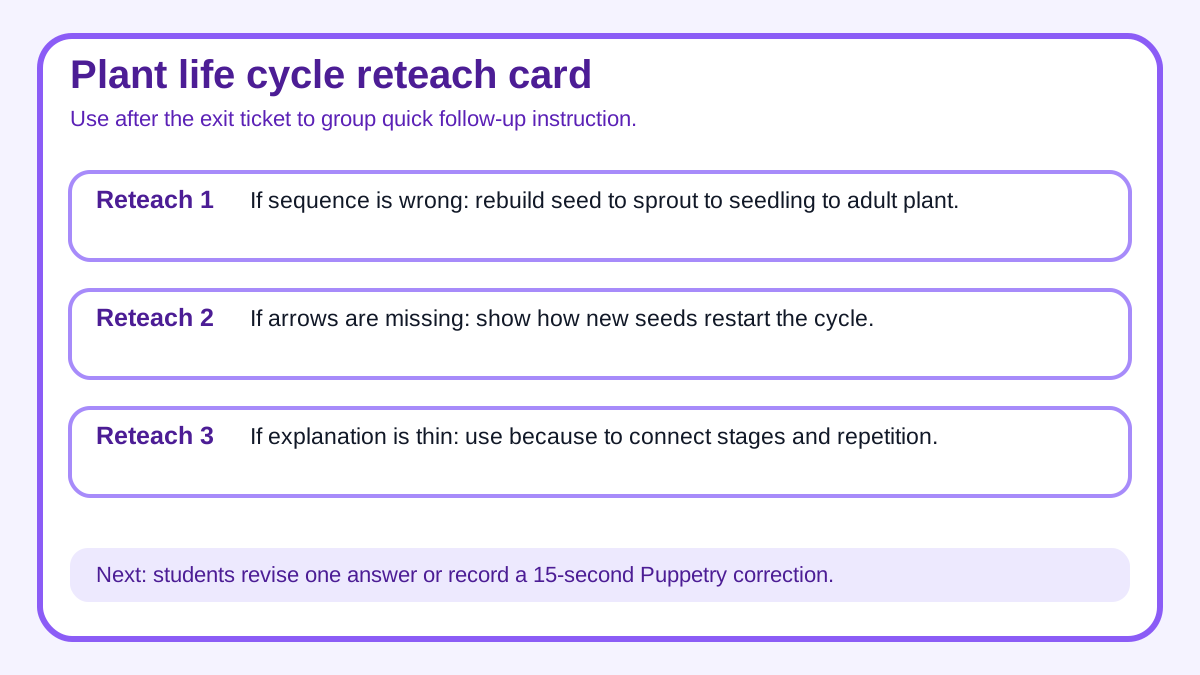
Download reteach cardSmall-group follow-up moves after the exit ticket
Download Spanish reteach cardSpanish small-group reteach moves for life-cycle exit-ticket results and Puppetry rerecording
Related science resources
Parts of a plant
Grades 3–5 · Published topic-cluster page
Helps with: label plant structures and explain each job.
Open resource →
Photosynthesis
Grades 4–7 · Published topic-cluster page
Helps with: explain how leaves help plants make food.
Open resource →
Plant needs
Grades K-2 · Published teacher kit
Helps with: connect growth stages to water and light evidence.
Open resource →
Habitats and adaptations
Grades 3-5 · Published teacher kit
Helps with: connect life-cycle stages to survival and reproduction.
Open resource →
Forces and motion
Grades K-3 · Published teacher kit
Helps with: compare observable changes with a fair test.
Open resource →
Chlorophyll
Grades 4–7 · Needs dedicated Puppetry explainer
Helps with: why leaves are green and capture light.
Make it with Puppetry
Start with the ready-to-run lesson script, then choose a character and classroom voice in Studio.
Prefills 487 characters, within the free-account limit.